
A team's strength shows in how it handles disruption. When the pressure rises, effective team building problem solving exercises give people a place to practice real decisions, clear communication, and shared judgment before the stakes are live.
These activities move collaboration out of theory and into practice. They help teams test leadership dynamics, build critical thinking, and work through trade-offs together. That matters when a group is launching a product, restructuring operations, or facing any complex business problem.
If you want teams that can handle pressure, you need to train that skill on purpose.
Key takeaways
- Pick activities that match the team's size, time, and current skill gaps.
- Use a structured debrief after every exercise, or the learning stays in the room.
- Mix physical, verbal, and logic-based challenges to see different strengths.
- Watch for trust, delegation, and decision-making patterns, not just the final result.
- Measure whether the team communicates better and resolves problems faster afterward.
| Activity | Group setup | Best for |
|---|---|---|
| 1. Spaghetti tower challenge | Small teams, one set of materials each | Groups that need to slow down |
| 2. Egg drop challenge | Small teams, one egg each | Teams that need to plan before they build |
| 3. Blindfolded obstacle course | One person blindfolded, teammates guiding | Teams that need to plan for failure |
| 4. Survival scenario ranking | Small teams, one shared ranking | Groups practicing prioritization |
| 5. Mystery clue simulation | Whole group, each person in a role | Teams working under uncertainty |
| 6. Escape room challenge | Teams working against the clock | Groups under time pressure |
| 7. Bridge building challenge | Small teams, one bridge each | Groups testing planning and precision |
| 8. Human knot | One large circle | Large groups needing an icebreaker |
| 9. Cardboard boat race | Teams, one crew member on the water | Groups that need hands-on problem solving |
| 10. Silent line-up | Whole group, no talking | Teams that talk over one another |
1. Spaghetti tower challenge
Teams build the tallest free-standing structure from limited materials, usually pasta sticks, tape, and one item on top. It shows how a group handles trade-offs in planning and resource use under time pressure, and whether it thinks before it builds or rushes into action.
Group setup: Small teams, one set of materials each
Best for: Groups that need to slow down
How to apply: Give each small team limited materials, typically pasta sticks, tape, and one item on top. Ask them to build the tallest free-standing structure they can. Debrief on how much time they spent planning versus building and what that says about their approach.
2. Egg drop challenge
Teams design a protective container using basic materials to keep a raw egg safe during a drop from a set height. It reveals how people identify risk, choose materials, and improve a design after seeing where it fails.
Group setup: Small teams, one egg each
Best for: Teams that need to plan before they build
How to apply: Give teams basic materials and a raw egg, then ask them to design a protective container for a drop from a set height. Let them test, adjust, and test again if needed. Debrief on failure points, material choices, and how they used resources strategically.
3. Blindfolded obstacle course
One person is blindfolded and guided through an obstacle course by teammates using only verbal instructions. It shows how precise a team's language is and how much ambiguity it can tolerate without gestures or shared context.
Group setup: One person blindfolded, teammates guiding
Best for: Teams that need to plan for failure
How to apply: Set up the obstacle course and blindfold one person. Have teammates guide them using only verbal instructions, with no other communication allowed. Debrief on vague language, shared definitions, and where assumptions caused confusion.
4. Survival scenario ranking
Teams rank salvageable items by survival value in a hypothetical scenario, such as being stranded in a desert or a blizzard. It reveals negotiation styles and how a team reaches unified decisions when members disagree.
Group setup: Small teams, one shared ranking
Best for: Groups practicing prioritization
How to apply: Present the hypothetical scenario and the salvageable items. Ask teams to rank the items by survival value, then compare their rankings against expert rankings. Debrief on how they prioritized under uncertainty and how disagreements were resolved.
5. Mystery clue simulation
Participants take on roles in a fictional scenario and pool fragmented clues to solve a central puzzle. It shows how teams handle incomplete, contradictory, or misleading information and whether they share information openly or lock in too early.
Group setup: Whole group, each person in a role
Best for: Teams working under uncertainty
How to apply: Assign roles in the fictional scenario and distribute fragmented clues. Ask the group to pool what they know and solve the central puzzle. Debrief on information sharing, early assumptions, and what happened when clues were hoarded.
6. Escape room challenge
Teams solve interlocking puzzles, codes, riddles, and physical challenges to reach a goal within strict time limits. It exposes communication breakdowns and shows who steps into leadership under pressure.
Group setup: Teams working against the clock
Best for: Groups under time pressure
How to apply: Give teams the interlocking puzzles, codes, riddles, and physical challenges, then set the strict time limits. Watch how they delegate, stay focused, and handle competing tasks. Debrief on communication breakdowns, leadership, and where attention split or duplicated effort.
7. Bridge building challenge
Teams build a bridge or span from minimal materials that can cross a gap and hold a specific weight. It reveals how a group balances speed and quality, and whether it plans for long-term function or just immediate completion.
Group setup: Small teams, one bridge each
Best for: Groups testing planning and precision
How to apply: Provide minimal materials and ask teams to build a bridge or span that can cross a gap and hold a specific weight. Test the structure under load. Debrief on precision, structural integrity, and what happened when teams rushed or cut corners.
8. Human knot
Participants stand in a circle, grasp hands with two people across from them, and create a knot. They then untangle themselves back to a circle without releasing hands, which shows how well the group listens, adjusts, and coordinates without forcing the issue.
Group setup: One large circle
Best for: Large groups needing an icebreaker
How to apply: Have participants stand in a circle and grasp hands with two people across from them, not adjacent. Ask them to untangle back to a circle without releasing hands. Debrief on patience, coordinated communication, and how the group moved without forcing the issue.
9. Cardboard boat race
Teams build a vessel from cardboard and duct tape, float it, and have one team member cross the water in it. It shows how a group moves from concept to prototype under resource constraints and whether the structure actually works under real stress.
Group setup: Teams, one crew member on the water
Best for: Groups that need hands-on problem solving
How to apply: You need a pool or lake and one to two hours. Give teams cardboard and duct tape, then have them build a vessel that can float. Have one team member cross the water in it. Debrief on the gap between concept and prototype, and what the water test revealed about practical limits.
10. Silent line-up
The group lines up according to an internal metric, such as birth date or the first letter of a mother's maiden name, using only gestures and nonverbal cues. It teaches teams how to coordinate complex information through minimal communication and sharpens attention to subtle cues.
Group setup: Whole group, no talking
Best for: Teams that talk over one another
How to apply: Choose an internal metric, such as birth date or the first letter of a mother's maiden name. Ask the group to line up using only gestures and nonverbal cues, with no talking allowed. Debrief on shared visualization, silent agreement, and the subtle cues people used.
Pitfalls to avoid when running team exercises
Bad implementation damages trust and wastes time. The activity itself matters, but the way it is run matters just as much. If the setup is sloppy or the debrief is weak, the group leaves with noise instead of learning.
Failing the debriefing stage
Treating the activity as entertainment instead of training is the most common failure. Without a structured debrief, nothing transfers to real work. A proper debrief connects specific behaviors observed in the activity, such as who took charge, how the team communicated under pressure, and where priorities shifted, directly to workplace performance.
Ignoring psychological safety
Forced competition or exercises that risk public humiliation erode trust. Activities must be inclusive and respect individual comfort levels. The environment has to feel safe for failure, because that is where actual learning happens. If people are guarding themselves, they are not really participating.
Mismatching complexity and time
Running the cardboard boat race in 45 minutes creates frustration, not collaboration. Always allocate about half the time for the activity itself and half for introduction, setup, and debrief. Complex exercises rushed through planning rarely produce useful results.
How do you measure the impact of problem-solving initiatives?
You measure the impact by looking at both behavior and perception. That means checking what people do during the exercise and what they say changed afterward. If the team is learning, the signs should show up in both places.
Behavioral metrics
Track observable actions such as how often people ask for clarification, how quickly they delegate, whether they revisit assumptions, and how they handle disagreement. These are concrete signs of whether the team is changing its habits. The point is to see movement, not just enthusiasm.
Perceptual metrics
Ask participants whether they felt heard, whether the group handled pressure well, and whether the exercise changed how they think about working together. These responses help you understand how the team experienced the activity. When paired with behavioral data, they give a fuller picture.
How do you choose the right exercise for your team?
You choose the right exercise by matching the task to the team's size, time, and skill gap. A small co-located group can handle something very different from a larger team spread across time zones. The best choice is the one that fits the real situation, not the most dramatic option on the list.
Start with the problem you want to fix. If the team needs better planning, choose a structure or engineering task. If it needs clearer communication, choose a verbal or silent coordination exercise. If it needs faster decision-making, pick something time-bound and pressure-heavy. The right activity should make the team work in the way you want it to improve.
Where to run problem-solving exercises
Most of these exercises need little more than a room and simple materials, but a few depend on the venue: water for the boat race, open ground for the obstacle course, purpose-built rooms for an escape game. Here is how each type of venue works, with a real Naboo venue for each.
An escape room venue
An escape room venue suits the escape room challenge and the mystery clue simulation because both exercises depend on fast communication, shared problem-solving, and keeping track of clues under pressure. A room-based format also helps teams divide tasks quickly and stay engaged from start to finish.
The Escape Game Cincinnati: The Banks is an escape room venue in Cincinnati, Ohio. It offers a variety of game rooms and cinematic-quality settings designed to stimulate teamwork and communication, with games suitable for all ages and skill levels.
A lakeside venue
A lakeside venue suits the cardboard boat race because teams need open water access, room for setup, and a setting that supports hands-on building before launch. The lakeside environment also fits an exercise where teams test planning, coordination, and quick adjustments once the boat is on the water.
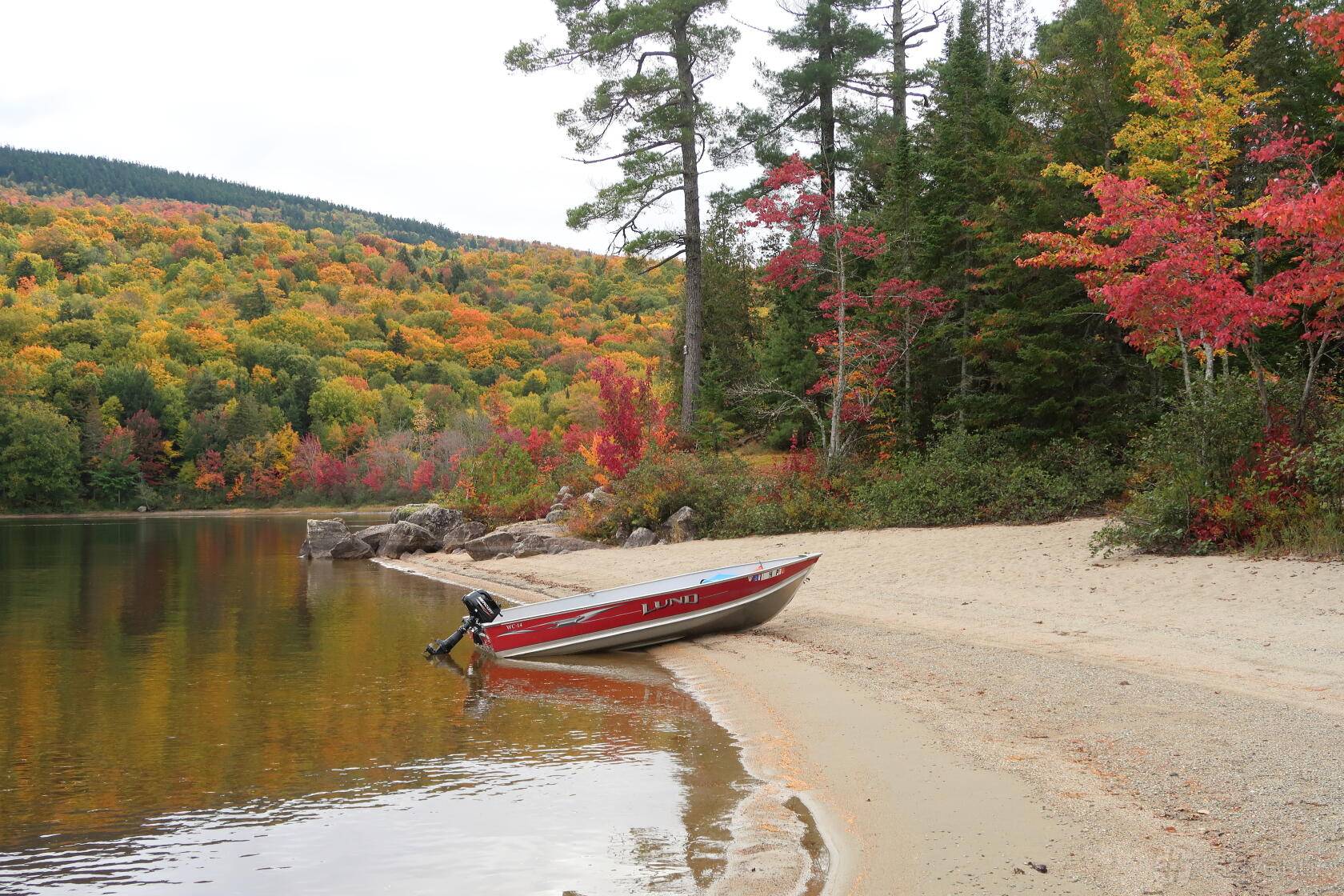
Attean Lake Lodge is a lakeside lodge in Jackman, Maine. Set on Birch Island and surrounded by Attean Lake, forests, and rolling hills, it features wood-paneled walls, exposed timber beams, and stone fireplaces, with the Lodge & Dining Room serving as the central event space.
A conference hotel
A conference hotel suits build challenges like the spaghetti tower, egg drop, and bridge building because these exercises need flexible indoor space, tables, and a setting where teams can work side by side. It also fits the survival scenario ranking, which benefits from a meeting-friendly environment where groups can talk through priorities and compare decisions.
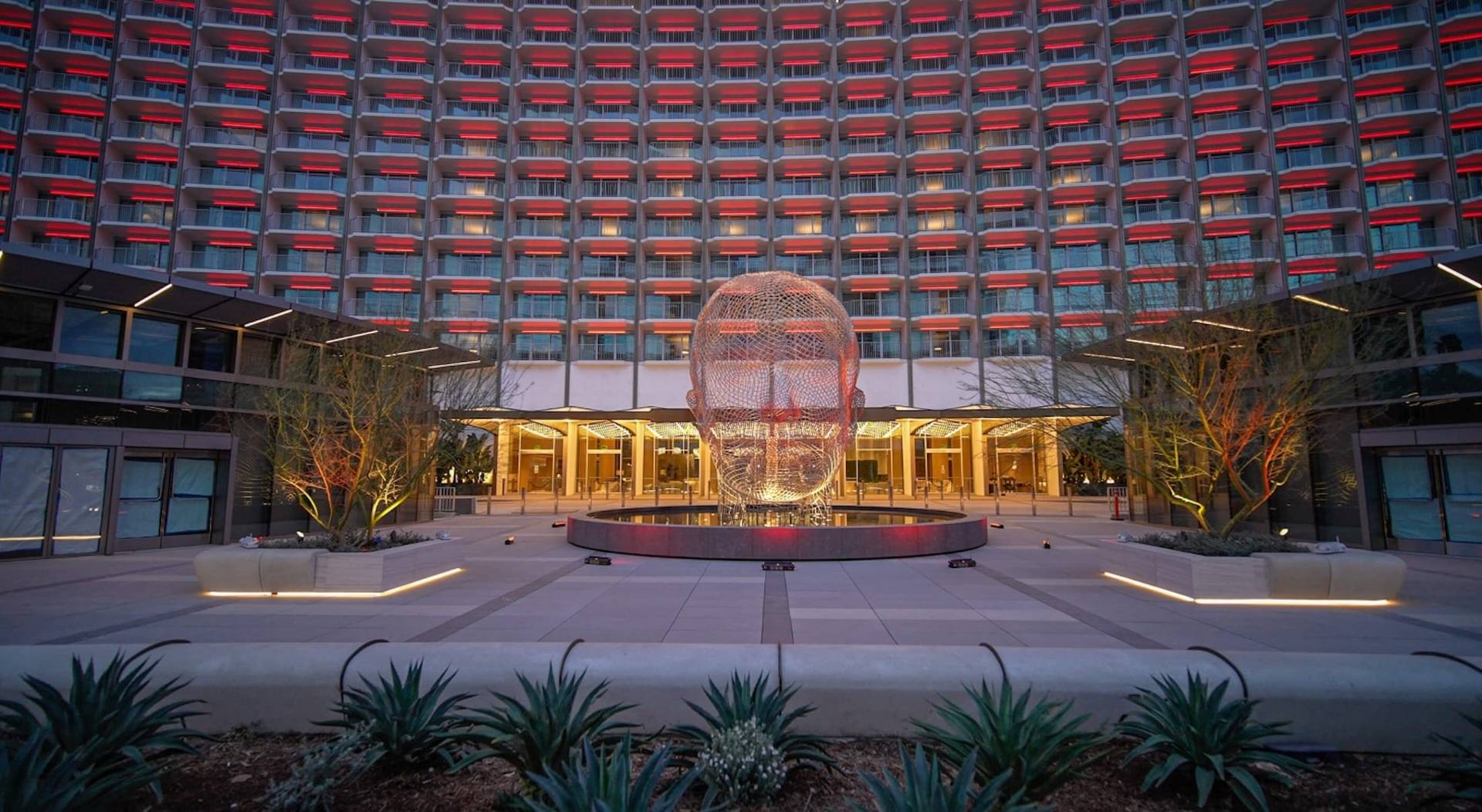
Fairmont Century Plaza is a conference hotel in Los Angeles, California. It offers 400 rooms, some with private terraces, and 24,000 square feet of event space, set up for seminars, conferences and meetings.
An outdoor venue with open grounds
An outdoor venue with open grounds suits the blindfolded obstacle course, the human knot, and the silent line-up because each exercise needs space for movement and clear separation between teams. Open grounds also make it easier to run physical challenges that depend on trust, coordination, and nonverbal communication.
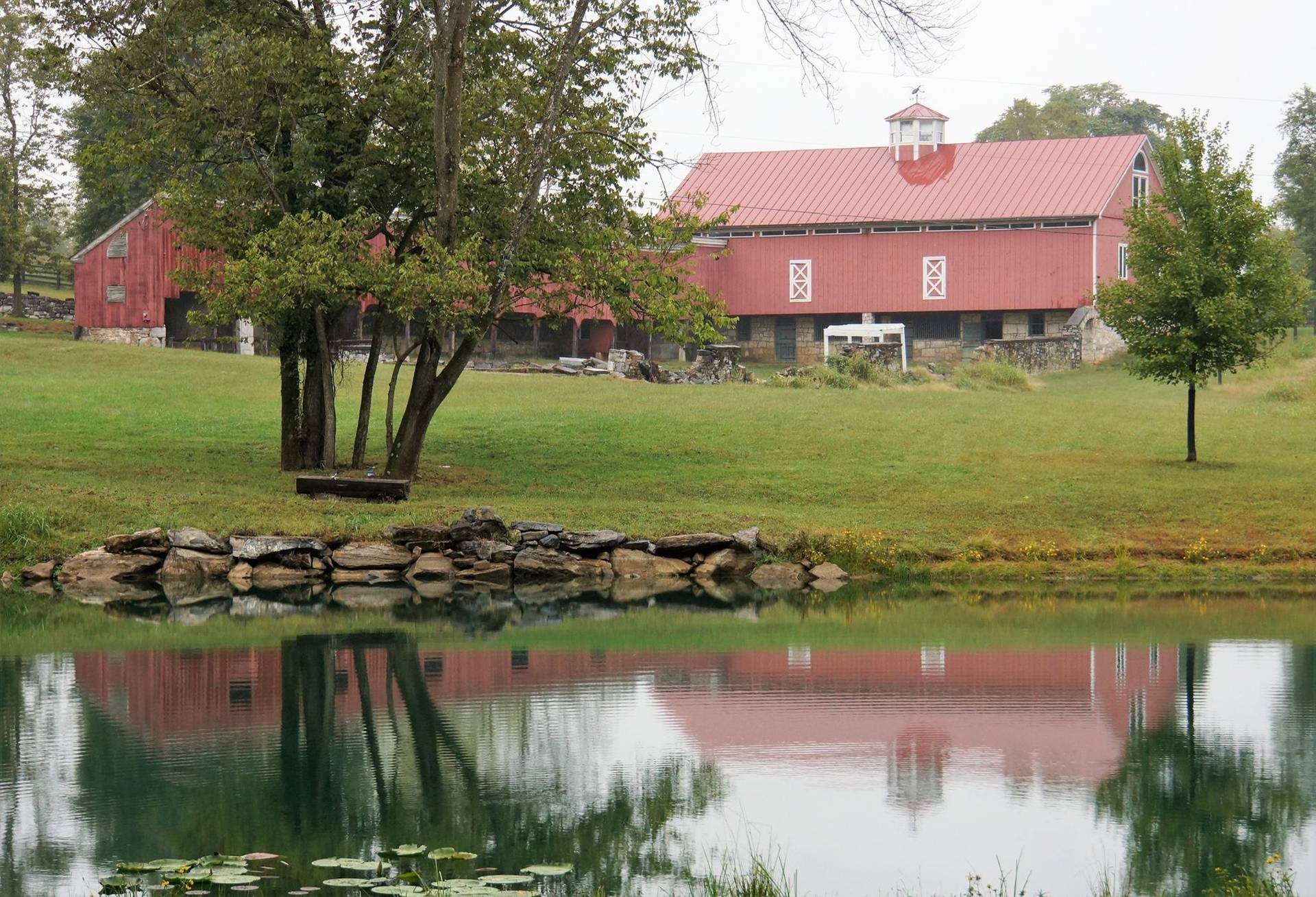
Wild Goose Farm is an outdoor venue with open grounds in Shepherdstown, West Virginia. Set on 173 acres of rolling hills, pastures, and woodlands, it includes historic outbuildings and an old mansion with Greek Revival and New Orleans influenced architectural styles.
Frequently asked questions
What makes a team problem-solving exercise effective?
An exercise is effective when it creates visible behavior the group can discuss afterward. The activity should reveal how people communicate, decide, delegate, and adapt. If the debrief connects those behaviors to real work, the exercise has done its job.
How long should these activities take?
It depends on the format, but the time should include setup and debrief, not just the activity itself. A short exercise can still be useful if the discussion afterward is strong. Longer activities need more room for reflection so the learning sticks.
Can these exercises work for remote teams?
Yes, but the format has to fit the environment. Some activities translate well to video calls or shared digital tools, while others depend on physical materials or movement. The key is choosing an exercise that still creates real interaction, not passive participation.
What is the biggest mistake teams make?
The biggest mistake is treating the exercise like a game and skipping the debrief. Without reflection, the group may have fun but learn very little. The value comes from connecting what happened in the activity to how the team works day to day.
How do you know if the team is improving?
You know the team is improving when it communicates more clearly, delegates faster, and handles disagreement with less friction. You should also see better follow-through after the exercise. Improvement shows up in behavior, not just in how people describe the session.