Most company offsites in the US derail before anyone checks into a hotel. Planning usually sputters in a spreadsheet, a Slack thread, or a fifteen-minute call where someone says let's just copy last year. The result is a two-day event that costs thousands and produces a group photo and a vague call to communicate better. If you are on the hook to run a meaningful gathering for your team, you already know the stakes. Get it right and people talk about it for months. Get it wrong and you have an expensive Tuesday in Newark or Las Vegas.
This guide focuses on what separates energizing, useful offsites from the ones that quietly drain morale. It applies whether you are organizing a quarterly leadership day in New York, a two-day product workshop in San Francisco, or a regional all-hands near the Rocky Mountains outside Denver. You will get a practical framework, common traps to avoid, and a simple way to measure whether the investment actually paid off in 2026.
Key takeaways
- Start with a clear purpose, not a packed calendar.
- Build the day around energy, travel fatigue, and the work you need people to do.
- Choose a venue and activities that fit the agenda, not the other way around.
- Leave room for connection, then capture decisions and follow-through after everyone leaves.
- Measure success after the event, not just in the glow of the trip.
1. Define the real purpose before you book anything
Define the real purpose before you book anything, because a team offsite agenda that works starts with one outcome the group can actually produce. Before you pick dates or a venue, answer a precise question: what decision, shift, or result will make this offsite a success? Separate topics from purpose. Topics are what you will discuss. Purpose is what you will produce.
Read the purpose out loud and ask if you could measure it in thirty days. If not, it is still a theme, not a purpose. Keep refining until it is concrete enough to evaluate.
2. Build your agenda around energy, not just time
Build your agenda around energy, not just time, because people's focus changes across the day. Deep analytical work tends to land best in late morning for most people. Creative thinking often surfaces in the early afternoon after a mental shift. Social energy builds into the evening. If you ignore these rhythms, the agenda fights the people doing the work.
Front-loading an offsite with heavy strategy is a common mistake. Travelers arriving from late flights to New York or San Francisco are often tired. Opening with a ninety-minute budget discussion signals this is just work in a different room. A stronger opening explains why you are here, why it matters, and what should be different when you leave.
One useful shape is grounding in the morning, focused work after lunch, small-group connection late in the day, and a lighter evening. That rhythm keeps the room alert without forcing constant intensity.
3. Choose a venue that works for the agenda
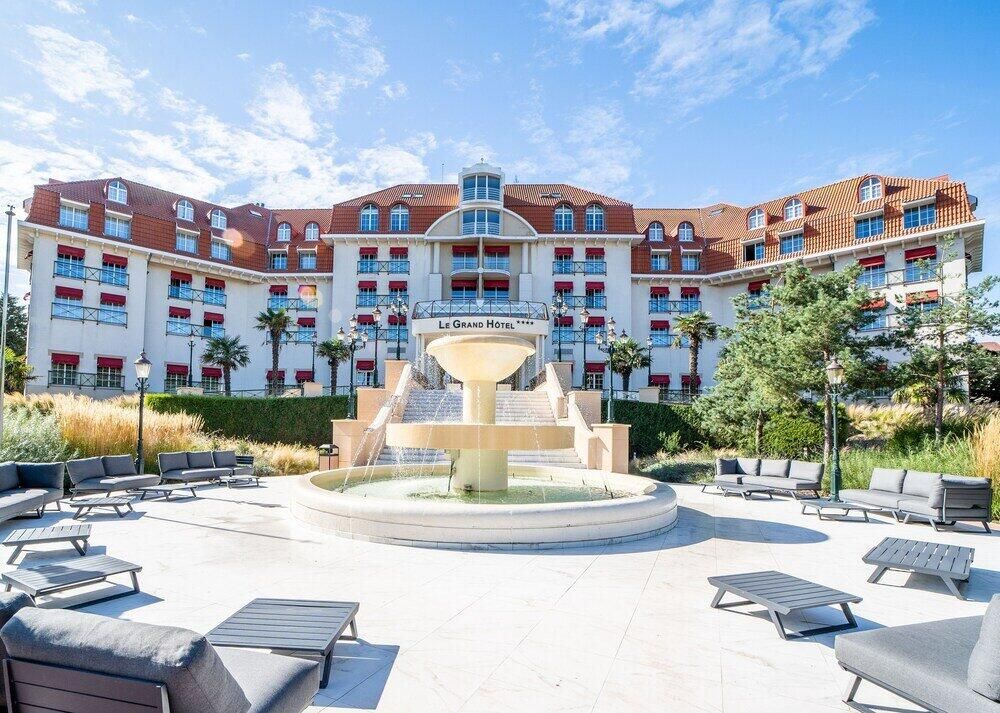
Choose a venue that works for the agenda, because the space should serve the design, not the other way around. Creative exploration needs breakout rooms, lounge areas, and outdoor space. Focused strategy needs one quiet main room with good acoustics. Accessibility matters. If many people need long travel connections, engagement drops. Aim for a location most can reach in under four hours or without a morning connection flight.
Urban settings like Chicago or Los Angeles give evening entertainment options but can tempt people to check out. Nature-based sites near the Rocky Mountains or the Finger Lakes slow things down and reduce status dynamics. Choose based on purpose, not habit.
That same logic applies to the property itself. A downtown meeting space and a lodge outside Denver create very different energy, so match the setting to the kind of conversation you need.
4. Design your retreat template with the right balance
Design your retreat template with the right balance, because filling every hour usually weakens the event. The urge to justify the cost by packing structured time is understandable but counterproductive. Unscheduled time is not wasted; it is when honest conversations happen and new ideas form. Many planners aim for roughly sixty percent structured and forty percent unstructured or lightly guided time.
Every planned session should have a stated objective, a clear owner, a defined output format like a decision or a plan, and a closing ritual that finishes the work. Sessions without these elements tend to meander and frustrate participants.
That balance gives people room to think, talk, and recover. It also keeps the offsite from feeling like a normal meeting day in a nicer room.
5. Staff retreat planning checklist: logistics that sink good agendas
Staff retreat planning checklist items can sink a good agenda if they are ignored, because people distracted by unclear arrival instructions, dress code, or dietary concerns bring that anxiety into the room. Send a checklist at least two weeks before covering travel windows, accommodations, the day shape, what to bring, dietary and accessibility contacts, and expense policy. Clarity on these basics improves engagement immediately.
One of the highest-leverage steps is a short pre-event survey sent one to two weeks before the retreat. Ask what participants most want, what topics feel urgent, and what would make the event worthwhile. This generates signals that improve the agenda and signals to people that their views matter.
Good logistics do not create excitement on their own, but bad logistics can ruin a strong plan before the first session starts.
6. Choose activities that serve the purpose
Choose activities that serve the purpose, because activity selection is where planning most visibly goes wrong. The escape room or competitive outdoor game booked because someone thought it would be fun can exclude or embarrass people. A cooking class may sound inclusive but can be awkward for those with dietary or mobility limits.
Good activities create authentic interaction, are genuinely accessible, and connect to the offsite theme. Structured storytelling, collaborative build challenges, community contribution projects, and facilitated conversations about real work issues land better than forced fun. These formats work whether you are in Miami, Seattle, or a small town outside Salt Lake City.
For more practical formats and local partner ideas, see inspiring event ideas when you are deciding on evening programming or community activities.
7. Plan for what happens after the offsite
Plan for what happens after the offsite, because the most overlooked phase is what comes next. Capture decisions before people disperse. Put every commitment into a single document with an owner and a due date. Record open questions and share any team norms in plain language before anyone flies home.
Schedule a brief touchpoint thirty days after the offsite, either a short survey or a fifteen-minute check-in. Which commitments were kept? Which stalled? What support is needed? This simple check separates an offsite that changed behavior from one that is just a fond memory.
If the event ends with no follow-through, the best conversations fade fast. A short written summary and a named owner for each next step keep the work alive.
8. Measure whether the offsite worked
Measure whether the offsite worked by committing to outcomes before the event, because success is easier to judge when you define it in advance. Use three levels: immediate reaction measured within 24 hours, behavioral change at thirty days, and business impact at sixty to ninety days. Immediate reaction scores are often high after any trip, so the real signals come later.
Designing for those later measures changes how you build the agenda from day one. If you want better decisions, you need a session that produces decisions. If you want stronger collaboration, you need follow-up that shows people are working differently.
That is the difference between a pleasant gathering and one that changes how the team operates.
9. Avoid overscheduling to justify cost
Avoid overscheduling to justify cost, because a packed agenda often leaves no recovery time and exhausts people. The instinct to fill every slot can feel responsible, but it usually creates a room full of tired listeners. When people cannot breathe between sessions, they stop absorbing what is being said.
Leave space for informal conversation, short breaks, and a slower start after travel. Those pauses are not dead time. They are where people process what they heard and connect ideas across sessions.
If the schedule looks impressive on paper but leaves everyone drained by midafternoon, the agenda is doing too much and too little at the same time.
10. Avoid designing without participant input
Avoid designing without participant input, because a top-down event feels delivered to attendees rather than built with them. The people in the room know which topics are urgent, which tensions are real, and which sessions will feel useful. Ignoring that knowledge usually produces polite disengagement.
A short pre-event survey is enough to surface useful signals. Ask what people want to solve, what they need from leadership, and what would make the trip worthwhile. Then use those answers to shape the agenda and the room setup.
When participants see their input reflected in the plan, they show up more ready to contribute. That is a small shift with a big effect.
11. Avoid treating team building as separate from strategy
Avoid treating team building as separate from strategy, because connection and work belong in the same event. If the agenda splits them too cleanly, both suffer. People do not need a morning of strategy and a random evening activity that has nothing to do with the work.
Weave connection into working sessions through mixed groups, shared problem solving, and short story rounds tied to real challenges. That approach helps people learn how colleagues think while still moving the business forward.
Teams often leave more aligned when the social moments are connected to the actual decisions on the table. That is a better use of time than forcing a separate bonding exercise.
12. Avoid skipping the closing ritual
Avoid skipping the closing ritual, because even fifteen minutes of shared reflection gives the event an endpoint. Without a close, people leave with loose threads and no clear sense of what mattered most. The final moments should name decisions, owners, and what happens next.
A good close can be simple: read commitments aloud, thank the people who carried the work, and restate the next checkpoint. That rhythm helps the team leave with clarity instead of a blur of half-finished conversations.
The closing ritual is not decoration. It is the moment that turns discussion into something people can carry back to work.
13. Avoid failing to communicate the why
Avoid failing to communicate the why, because the first hours of the offsite are too valuable to waste on confusion. A one-page pre-read changes opening energy. It tells people why they are there, what they should prepare, and what success looks like.
Without that context, the room spends time catching up on basics instead of moving into the real work. With it, people arrive ready to engage. That difference shows up immediately in the quality of discussion.
Clear intent, shared early, is the foundation for every other planning choice. It keeps the event from feeling like a mystery meeting with better coffee.
14. How far in advance should we start planning a team offsite?
Start planning a team offsite six to eight weeks in advance at minimum, and ten to twelve weeks when possible, because travel, venue selection, and participant input all take time. For larger groups or popular destinations like New York or San Francisco, three to four months is common.
That lead time gives you room to set the purpose, gather feedback, and handle logistics without rushing. It also makes it easier to secure the right space and communicate clearly with attendees.
If the event includes multiple functions or travelers from several cities, earlier planning usually pays off in better attendance and less stress.
15. What is a realistic budget range for a corporate offsite?
A realistic budget range for a corporate offsite depends on location, size, and activities, but a fully inclusive two-day offsite covering travel, lodging, meals, facilitation, and activities often runs between eight hundred and two thousand dollars per person. Local, single-day gatherings can be much cheaper.
Build a line-item budget early so you can see where the money goes. That makes it easier to decide whether you want a downtown meeting space, a nature-based property, or a venue with more built-in programming.
Budget clarity also helps you avoid packing the schedule just to justify the spend. The goal is value, not a crowded calendar.
16. How long should a team offsite last?
A team offsite should usually last two to three days, because that is the sweet spot for most groups. One day rarely allows for both meaningful work and real connection. Four or more days can work for large groups or when the agenda needs variety, but the right length follows the purpose.
Shorter events work best when the goal is a focused decision or a single planning sprint. Longer ones make sense when you need alignment across multiple functions, time for informal connection, and space for follow-through.
Length should serve the outcome, not tradition. If the agenda is tight, a shorter event can be stronger than a stretched one.
17. What about team members in very different time zones?
For team members in very different time zones, front-load travel and allow an arrival evening with no formal programming. Start structured days at a reasonable local time so people can recover from travel. Acknowledge the burden and plan extra unstructured recovery time.
That approach matters even more when people are flying in from places like Seattle, Boston, and Phoenix for the same event. The first day should help them arrive mentally, not demand peak performance the moment they walk in.
When you respect travel fatigue, people contribute more once the real sessions begin. That is a practical way to improve the quality of the room.
18. How do we keep offsite momentum once everyone is back?
Keep offsite momentum once everyone is back by closing the event with clear, written commitments assigned to named owners and due dates, then scheduling a thirty-day check-in. Share a concise summary document within forty-eight hours to preserve decisions while they are fresh.
A short monthly ritual keeps momentum alive. It can be a quick review of commitments, blockers, and progress. The point is to keep the work visible long enough for new habits to stick.
Without that follow-through, even a strong retreat can fade into a memory of good intentions. With it, the event becomes part of how the team works.
19. What makes inclusion part of a good offsite?
Inclusion is part of a good offsite because physical access is only one piece of the experience. It also includes dietary and religious needs, respect for different comfort levels with competition or physical activity, and awareness that distributed teams arrive with different familiarity. Teams who plan with these factors report higher satisfaction across participants.
That means thinking through the whole experience, from travel instructions to activity choice to the way people are grouped in sessions. A plan that works for the loudest voices in the room may leave others behind.
Inclusive planning makes the event easier to join and easier to remember for the right reasons.
20. How do you choose the right mix of structure and flexibility?
Choose the right mix of structure and flexibility by deciding what must happen in the room and what can happen naturally. The strongest agendas usually have a clear spine of sessions with enough open space for conversation, recovery, and unexpected ideas. That is why many planners settle near a sixty-forty split between structured and lightly guided time.
If the event is about decisions, structure should be stronger. If it is about relationship building and exploration, flexibility matters more. The venue, the travel load, and the group's energy all shape the answer.
The right balance keeps the day moving without making every minute feel assigned.
21. What should a strong offsite agenda produce by the end?
A strong offsite agenda should produce decisions, owners, timelines, and a shared sense of what happens next. That is the clearest sign the event did real work. A good agenda also leaves people with better context about the company, stronger working relationships, and a clearer view of priorities.
If the team leaves with only memories of meals and scenery, the event was pleasant but incomplete. If they leave with commitments they can name, a summary they can revisit, and a follow-up date on the calendar, the offsite has done its job.
That is what makes the difference between a nice trip and a useful one.
How Naboo helps you book team offsite agenda that works
Every venue here is bookable through Naboo, the corporate event platform. You send one brief, then compare proposals from a network of 170,000+ venues and suppliers, with transparent quotes side by side. A dedicated event manager handles sourcing, contracting and on-site logistics, so the planning stays in one place instead of scattered emails and spreadsheets.
Teams that run events on Naboo save up to 15% on average, and the platform has managed €500M+ in event procurement. You get AI venue suggestions matched to your brief, standardized proposal comparison, and real-time tracking through the event app.
Frequently asked questions
How far in advance should we start planning a team offsite?
For a multi-day offsite with travel, plan six to eight weeks minimum and ten to twelve weeks when possible. For larger groups or popular destinations like New York or San Francisco, three to four months is common.
What is a realistic budget range for a corporate offsite?
Costs vary by location, size, and activities. A fully inclusive two-day offsite covering travel, lodging, meals, facilitation, and activities often runs between eight hundred and two thousand dollars per person. Local, single-day gatherings can be much cheaper. Build a line-item budget early.
How long should a team offsite last?
Two to three days is the sweet spot for most teams. One day rarely allows for both meaningful work and real connection. Four or more days can work for large groups or when the agenda needs variety, but the right length follows the purpose.
What about team members in very different time zones?
Front-load travel and allow an arrival evening with no formal programming. Start structured days at a reasonable local time so people can recover from travel. Acknowledge the burden and plan extra unstructured recovery time.
How do we keep offsite momentum once everyone is back?
Close the event with clear, written commitments assigned to named owners and due dates, then schedule a thirty-day check-in. Share a concise summary document within forty-eight hours to preserve decisions while they are fresh. A short monthly ritual keeps momentum alive.