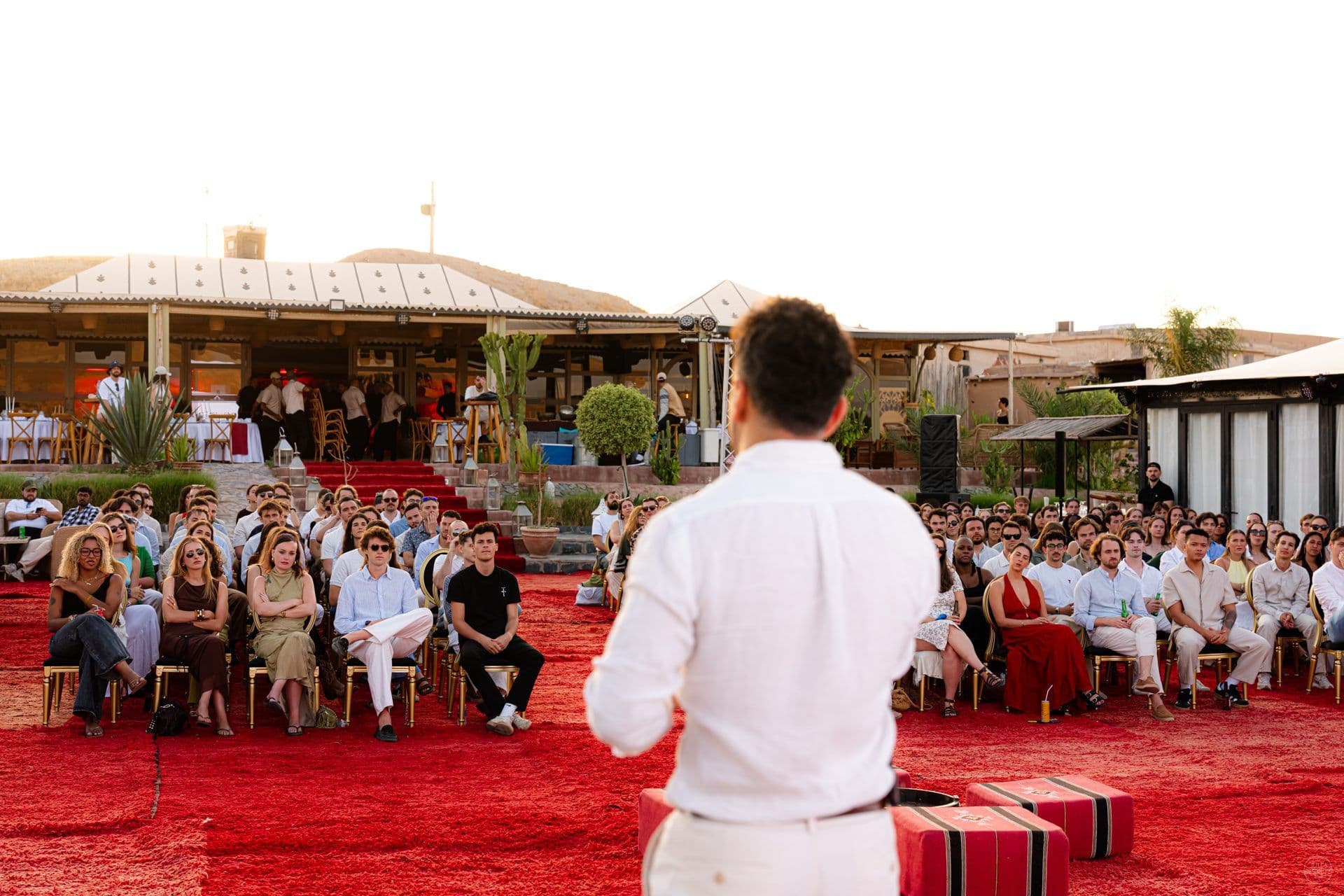
An event planning guide gives you a clear sequence for turning a business need into a corporate event, from objective and budget to venue, program, suppliers, guest communication, and follow-up.
Use it to make each decision trace back to the goal, compare quotes like for like, and keep the day calm when plans change.
It also helps you separate planning from live management, so you can prepare for clarity and stay flexible on the day.
Key takeaways
- Event planning covers the objective, budget, venue, program, suppliers, guest communication, the day itself and the follow-up. Running the day is a separate job from planning it.
- Venue sourcing starts with the brief: objective, capacity, location, and the experience you want to create, then a like-for-like comparison of quotes.
- Before booking, check whether a quote is hire only or minimum spend, and confirm what is included, including room setup, breakout spaces, Wi-Fi, AV, staffing, coat check, parking, accessibility, deposits, and cancellation terms.
- Food and drink details matter too, especially menu flexibility, service style, and whether outside suppliers are allowed if catering is not in-house.
- The program should follow the event's purpose and include the essentials, then add the right mix of facilitator, speaker, workshop, team activity, awards moment, or informal networking.
- Naboo plans its own team offsites, seminars and after-work drinks during the year and uses the same process for client events: one brief, quotes from vetted suppliers, a dedicated project manager, and one invoice per event, whatever the number of suppliers.
What is event planning?
Event planning is the work of turning a business need into a well-run event. For corporate events, that usually means defining the objective, setting the budget, choosing the venue, building the program, booking suppliers, managing guest communications, running the day, and closing everything out afterward.
As Maxime Eduardo, CEO at Naboo, puts it:
"A large part of event planning can now be automated. Our technology can handle close to 90% of the sourcing and research process, which creates enormous gains in speed and efficiency. But events are emotional, visible, and high-stakes. Companies do not just want speed; they want confidence. They want quality. They want someone to care about the details."
The planning stage is about decisions and coordination. You compare options, confirm what is included, and make sure the event supports the real goal, whether that is alignment, training, celebration, or team connection. On-the-day management is different. It is the live execution: greeting suppliers, handling timing changes, solving access issues, and making sure guests know where to be and when.
For office managers, EAs, and HR teams, the useful mindset is simple: plan for clarity, then manage for flexibility.
What is the objective and how will you know it worked?
Start by writing down why the event exists. A seminar has a different job from an offsite or a company party, and that should shape every later choice. If the goal is alignment, you need more structured discussion time. If it is team connection, you want space for informal conversation. If it is recognition, the atmosphere matters more than a packed agenda.
Define success in practical terms before you book anything. That could mean the right people attend, the agenda fits the time available, speakers are prepared, guests can find the venue easily, or the event finishes with clear next steps. Keep the measures simple and visible to the people approving the event.
A useful test is whether each decision can be traced back to the objective. If it cannot, it may be nice to have, but it is probably not essential.
What is the budget ceiling and what does it cover?
Set the budget ceiling early and define what it includes. Event budgets often get squeezed by hidden extras, so split the main categories before you compare quotes: venue hire, food and drink, AV, facilitation, transport, entertainment, printed materials, and contingency.
When you review proposals, compare like for like. A lower venue hire fee can look attractive until you add catering minimums, staffing, furniture, cleaning, or overtime charges. A venue with a minimum spend works if you were going to spend that amount anyway, but it is not the same as a flat hire fee. The same applies to suppliers: ask what is included, what is optional, and what triggers extra charges.
Keep one person responsible for budget tracking and update it as soon as a quote is accepted. That avoids the common problem of finding out the event is over budget after several decisions are already locked in.
What date and format fit the brief best?
Choose the date and format together, not separately. The right format depends on the objective, the audience, and the amount of time people can realistically give. A half-day seminar, full-day offsite, evening drinks reception, or multi-day team retreat each creates a different experience and cost profile.
Check the practical constraints early. Look at school breaks, peak travel periods, internal deadlines, payroll dates, and any competing company moments that could affect attendance. If the event needs external speakers or trainers, confirm their availability before you announce anything. If people are traveling, factor in arrival and departure times so the schedule feels human rather than rushed.
For hybrid or distributed teams, decide whether the event is designed for in-person participation first, or whether remote access is essential. That choice affects venue selection, AV needs, timing, and how much of the program can be interactive.
How do you source the venue and compare quotes?
Shortlist venues based on the event objective, capacity, location, and the type of experience you want to create. Then compare quotes like for like. A venue quote should be read carefully, not just scanned for the headline number.
Check whether the proposal is based on hire only or minimum spend, and what each option includes. Ask about room setup, breakout spaces, Wi-Fi, AV, staffing, coat check, parking, accessibility, and any required deposits. If food and drink are in-house, understand the menu flexibility and service style. If they are not, confirm whether outside suppliers are allowed and what fees apply.
It also helps to ask what happens if your numbers change. A venue that is easy to amend can save time and stress later. The strongest option is usually not the cheapest on paper. It is the one that fits the brief cleanly and reduces the number of moving parts you need to manage.
What should the program include and which suppliers need booking?

Build the program around the event's purpose, not a generic template. Start with the essentials: welcome, main session, breaks, meals, and any close-out or wrap-up time. Then add the pieces that set the tone you want, such as a facilitator, speaker, workshop, team activity, awards moment, or informal networking.
Once the core structure is set, book the suppliers. Common ones include catering, AV, photography, transport, entertainment, and activity providers. Give each supplier a brief with timing, access, setup needs, contact details, and any brand or tone requirements. Clear instructions reduce surprises on the day.
Plan the practical edges of the program too. Leave buffer time between sessions, allow for late arrivals, and avoid stacking too many transitions back to back. A good event feels calm because the schedule has room to breathe.
How do you invite and inform guests so attendance goes smoothly?
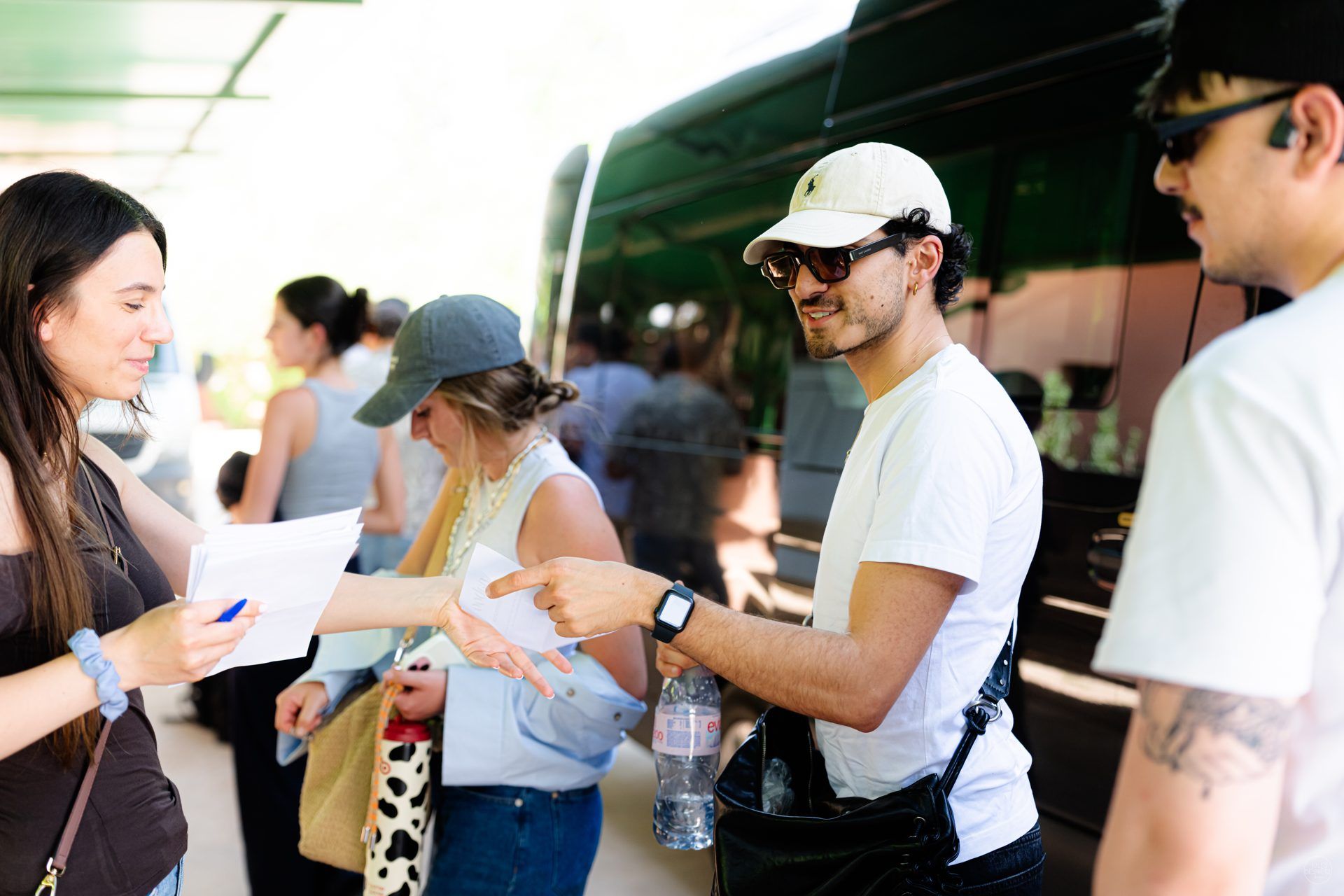
Guest communication should do more than save the date. People need the agenda, the location, the start and finish times, what to bring, and how to get help if plans change. If the event includes travel, share clear logistics early, including arrival instructions, parking, public transport options, and any security or building access requirements.
Ask for dietary needs, accessibility requirements, and any other practical information well before the event. That gives you time to brief the venue and suppliers properly. If the event has multiple sessions or breakout choices, keep the sign-up process simple and visible.
Keep messages consistent and easy to scan. A short reminder closer to the date can reduce no-shows and late arrivals. For internal events, name the main contact for questions so guests do not have to guess who owns the details.
How do you run the day and follow up well?
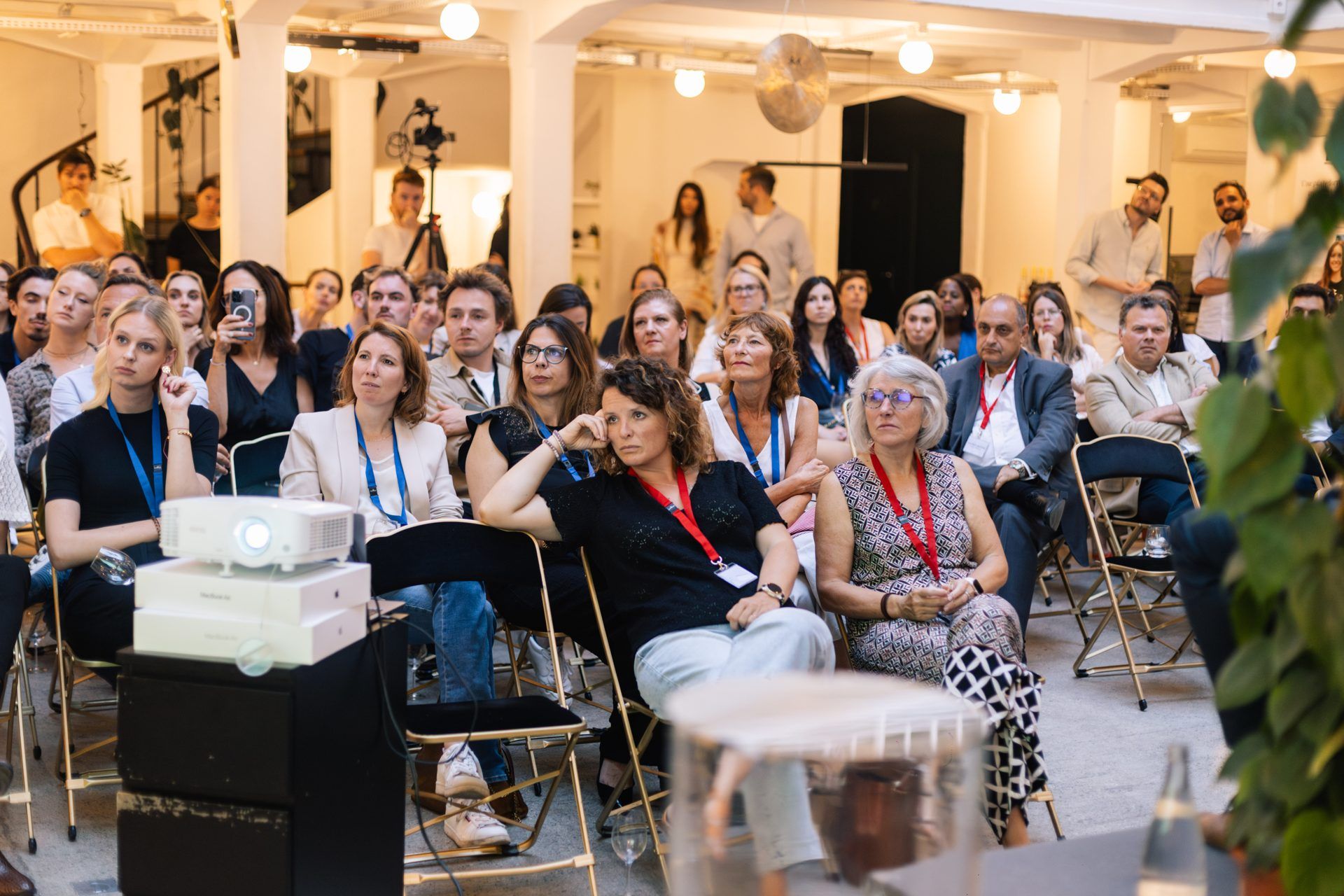
On the day, keep the event moving and remove friction before guests notice it. Arrive early, walk the space, confirm supplier arrivals, check signage, test AV, and review the run of show with the venue team or lead supplier. Keep a printed or offline copy of the schedule, contacts, and key notes in case Wi-Fi or battery life becomes a problem.
After the event, follow up while the details are still fresh. Send a thank-you note, gather feedback with a short survey or direct check-in, and reconcile invoices against what was actually delivered. If there were changes on the day, document them so finance is not left guessing.
Finally, capture lessons for next time. Note what worked, what caused delays, which suppliers were easy to work with, and what you would change in the brief. That simple record makes the next event faster to plan and easier to improve.
Event planning checklist: what to lock in and when
Use this checklist as a timeline. Lead times change with event size and season, so treat each stage as a sequence of work, not a fixed deadline.
| When | What to lock in | Owner |
|---|---|---|
| As soon as the event is approved | Objective, success measures, budget ceiling, headcount range, decision makers | Event owner and sponsor |
| Before contacting venues | One-page brief: format, date options, location or travel radius, must-haves | Event owner |
| Venue stage | Shortlist, like-for-like quotes (hire fee or minimum spend, tax, service charge, staffing, deposit, cancellation terms), signed contract | Event owner, finance for sign-off |
| Program stage | Agenda, speakers or facilitators, catering, AV, transport, activity providers | Event owner and suppliers |
| Guest stage | Invitations, agenda, travel and access details, dietary and accessibility needs, final numbers to the venue | Event owner or HR |
| The week of the event | Run of show, supplier arrival times, contact list, roles for the day | Event team |
| On the day | Walk-through, AV test, supplier check-in, one person per type of question | Event team |
| After the event | Thank-you note, short survey, invoices reconciled against what was delivered, lessons for next time | Event owner and finance |
What makes event planning successful?
Successful event planning is not about perfection. It starts with the basics: a clear brief, a budget everyone understands, a venue that fits the purpose, and a guest experience that feels planned, not improvised. The work is on track when decisions are easy to explain and every task has a clear owner.
Practical signs are easy to spot. A venue quote should be simple to compare. The program should follow realistic timing. Supplier briefs should leave little room for guesswork. Guest communications should answer the obvious questions before anyone has to ask them. On the day, success looks like calm handovers, fewer last-minute fixes, and guests paying attention to the event instead of the logistics.
We build Naboo from that same day-to-day experience, because our teams plan offsites, seminars, and after-work drinks throughout the year. That is why we value one brief, comparable quotes from vetted suppliers, a dedicated project manager, and one invoice per event, whatever the number of suppliers.
How can Naboo help you plan the event?
Naboo helps you source, manage, and track the moving parts of a corporate event without losing control of the details. It gives you one place to compare venues, handle budgets, brief guests, and keep the day on track.
Venue sourcing. Naboo MICE brings together a network of 170,000+ vetted venues and event partners, with every provider assessed and rated. Quotes are laid out so you can compare them like for like, and the options fit everything from small group gatherings to larger corporate formats.
Budget. The prices you see are the providers' own, never higher than booking direct, and there are no hidden margins. Project managers negotiate every quote, while Naboo MICE keeps sourcing, booking, payment, and tracking in one place.
Guests. The Naboo Event App gives every attendee a live agenda, practical information, organizer messages, and live content in one place, at no cost per registrant. That keeps guests informed before they arrive and throughout the program.
The day and the follow-up. You have a dedicated project manager you can reach at any time, and one invoice per event no matter how many suppliers are involved. That makes the final reconciliation simpler and keeps the post-event closeout tidy.
Frequently asked questions
What is event planning?
Event planning is the work of turning a business need into a well-run event. For corporate events, that usually means defining the objective, setting the budget, choosing the venue, building the program, booking suppliers, managing guest communications, running the day, and closing everything out afterward.
How long does event planning take?
Lead times change with event size and season, so there is no fixed deadline. Treat each stage as a sequence of work, from approval and venue sourcing through the program, guest communication, the week of the event, the day itself, and follow-up.
What are the steps in the event planning process?
The process starts with the objective, success measures, budget ceiling, headcount range, and decision makers. From there, move to the one-page brief, venue shortlist and like-for-like quotes, program and suppliers, guest invitations and travel details, then the run of show, walk-through, and follow-up.
What should an event planning checklist include?
A strong checklist should include the objective, success measures, budget ceiling, headcount range, and decision makers as soon as the event is approved. It should also cover the brief, venue quotes and contract details, agenda, speakers or facilitators, catering, AV, transport, activity providers, invitations, travel and access details, dietary and accessibility needs, run of show, supplier arrival times, contact list, roles for the day, and post-event thank-you, survey, invoice reconciliation, and lessons for next time.
What makes event planning successful?
Successful event planning starts with clarity and ends with follow-through. Each decision should trace back to the objective, the budget should be tracked as soon as a quote is accepted, and the day should be managed with room for timing changes, supplier check-ins, and a calm run of show.
Who should own each task?
The event owner and sponsor should own the objective, success measures, budget ceiling, headcount range, and decision makers. The event owner should also lead the brief, venue stage, and guest stage, finance should sign off on venue and reconcile invoices, HR can own guest communication where needed, and the event team should handle the week of the event and the day itself.