
These event planning tips help you choose the right venue, keep the budget clear, and avoid last-minute fixes. Use them by starting early, writing a short brief, and checking what is included before you book.
They also help you shape the day around one anchor moment, practical logistics, and clear ownership so the event feels planned rather than patched together.
Key takeaways
- Start venue and date research early so you still have real choice, then keep one backup date and one backup format in case your first choice is not available.
- Write a one-page brief before you contact venues, including the event objective, expected headcount, budget ceiling per person, date range, must-haves, preferred neighborhood or travel radius, and non-negotiables such as AV, private space, or seated dining.
- Compare every quote on the same basis, not by headline price alone, and ask venues to confirm in writing what is included, including hire fee, minimum spend, food and beverage inclusions, sales tax, service charge, staffing, AV, deposit, and cancellation policy.
- Protect one anchor moment in the program, whether that is a keynote, team exercise, dinner reveal, surprise guest, or shared activity, and build the rest of the schedule around it.
- Plan the logistics guests actually feel by sending address, arrival instructions, nearest transit, parking if relevant, timing, dress code if needed, accessibility notes, and dietary requirements early, then add buffer time between sessions when needed.
- Delegate the day so the organizer is not the single point of contact, with clear roles for venue contact, guest questions, timing, and supplier issues, then close the loop quickly with a short survey, an internal debrief, and prompt invoice closure.
As Juliette, Office Manager at Naboo, puts it:
"My goal on the night is almost to become useless. If people are having a good time and nobody comes to ask me every five minutes where the caterer is, where the gifts are or when the activity starts, it means the work was done beforehand."
Start early so you still have real choice
Begin venue and date research earlier than feels necessary. Good corporate venues, especially for offsites and team gatherings, book quickly, and the best dates for your group are not always the best dates on the market. Wait too long, and you end up choosing from what is left instead of what fits the event.
Timing affects everything else: room size, food options, travel time, and whether the event feels polished or improvised. Starting early also gives you more room to compare spaces, ask better questions, and avoid rushed decisions.
Set it up by blocking a planning window on your calendar. Then shortlist dates, even if they are only rough options, and contact venues with those windows in mind. Ask for live availability before you spend time on site visits. Keep one backup date and one backup format in case your first choice is not available.
Write a one-page brief before you contact any venue
A clear one-page brief saves time for everyone. Before you reach out to venues, write down the event objective, expected headcount, budget ceiling per person, date range, and must-haves. A leadership offsite will look different from a casual team dinner or a client seminar, but the rule stays the same: define the event before you shop for it.
Venues can only give useful answers if they understand what you need. Without a brief, you get vague quotes, mismatched suggestions, and a lot of back-and-forth. It also keeps internal stakeholders from pulling the plan in different directions later.
Keep the document short enough to read in one minute. Include the purpose, audience, ideal format, budget, preferred neighborhood or travel radius, and any non-negotiables such as AV, private space, or seated dining. Share the same brief with anyone helping you compare options so everyone works from the same version.
Compare quotes on the same basis, not by headline price
One of the most useful event planning tips is to compare every quote on a like-for-like basis. A low headline price can hide a higher minimum spend, extra staffing costs, service charges, sales tax, and cancellation terms that are less flexible than they first appear. If you do not normalize the numbers, you are not really comparing options.
This matters because budget surprises usually show up after the venue is already chosen. The cheapest quote on paper can become the most expensive once you add the required minimum spend or mandatory extras. Clear comparison also makes it easier to explain your recommendation to finance or leadership.
To set it up, build a simple comparison table with the same columns for every venue: hire fee, minimum spend, food and beverage inclusions, sales tax, service charge, staffing, AV, deposit, and cancellation policy. Ask venues to confirm what is included in writing. If a detail is unclear, treat it as missing until it is confirmed. That discipline prevents awkward conversations later.
Design one anchor moment and protect it from cuts

Every event needs one moment people will remember. It might be a keynote, a team exercise, a dinner reveal, a surprise guest, or a shared activity that gives the event a clear emotional peak. The point is not to create spectacle for its own sake. The point is to give the event a center of gravity so the rest of the agenda has purpose.
This matters because budgets are often trimmed in small ways that can flatten the whole experience. If nothing is protected, the event becomes a sequence of decent but forgettable parts. A strong anchor moment helps attendees remember why they were there and gives the organizer a clear priority when trade-offs appear.
To set it up, decide on the anchor moment before you finalize the rest of the program. Put it in the schedule first, then build meals, breaks, and logistics around it. Identify what it needs to work well, such as lighting, sound, timing, or privacy, and mark those items as non-negotiable. If money gets tight, cut peripheral extras before touching the anchor.
Plan the logistics guests actually feel
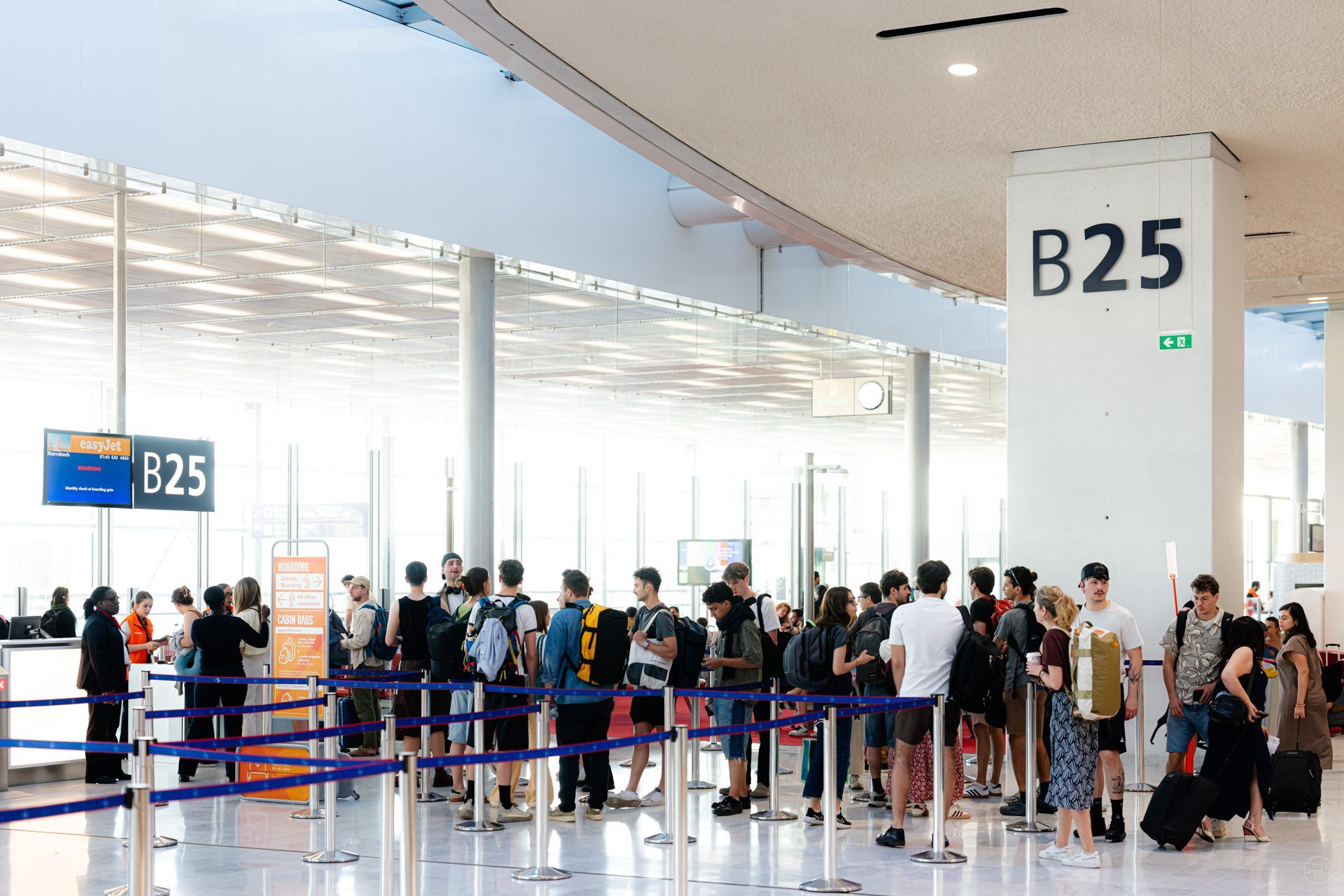
Guests notice logistics more than organizers do. Travel time, start and end times, dietary needs, accessibility, and a clear agenda shape how people experience the event. Handle those details well and the event feels calm and intentional. Handle them badly and even a beautiful venue feels disorganized.
Attendees arrive with different constraints, and that is why this matters. Some are coming from another office, some need train or airport directions, some have dietary restrictions, and some need step-free access or quieter seating. A clear agenda also cuts down on repeat questions and helps people prepare for the day.
Send the practical information early: exact address, arrival instructions, nearest transit, parking if relevant, timing, dress code if needed, and any accessibility notes. Collect dietary requirements before final catering counts. Share the agenda in a format people can keep on their phone, whether that is a PDF, calendar invite, or event app. For multi-session events, add buffer time between items so the schedule can absorb small delays without stress.
Delegate the day so the organizer is not the single point of contact
The strongest events do not depend on one person answering every question. On the day, the organizer should be coordinating, not firefighting. Assign clear roles in advance: one person for venue contact, one for guest questions, one for timing, and one for supplier issues. When everyone knows their lane, the event feels more controlled and less fragile.
This matters because the organizer cannot be everywhere at once. If every guest, vendor, and internal stakeholder goes to the same person, small issues pile up quickly. Delegation also makes it easier to respond calmly when something changes, because the right person handles the right problem.
Create a simple run-of-show with names next to responsibilities and share it with the team before the event. Give each person the key phone numbers they need, including venue, transport, and any external suppliers. On the day, hold a short briefing before guests arrive, then let the assigned owners manage their pieces. That is usually what makes the organizer almost invisible in the best possible way.
Close the loop quickly after the event
Good planning does not stop when the event ends. A short survey, a quick internal debrief, and prompt invoice closure belong to the same process. Wait too long, and feedback gets vague, details fade, and finance ends up chasing missing paperwork later.
This step is where one successful event becomes a better next one. It also keeps relationships with venues and suppliers on solid ground by settling invoices promptly and confirming what worked while the details are still fresh. For recurring team events, it matters even more because it creates a clear record of preferences and issues.
Send a short survey within 24 to 48 hours with only a few focused questions: what worked, what felt awkward, and what should change next time. Capture the lessons in a simple internal note while the event is still fresh. Then check that all invoices, deposits, and final approvals are closed quickly so the event is fully wrapped before the next project starts.
Frequently asked questions
How early should I start planning a corporate event?
Start venue and date research earlier than feels necessary. Good corporate venues, especially for offsites and team gatherings, book quickly, and starting early gives you more room to compare spaces, ask better questions, and avoid rushed decisions.
What should I put in an event brief?
Put the event objective, expected headcount, budget ceiling per person, date range, and must-haves in a one-page brief. Also include the preferred neighborhood or travel radius and any non-negotiables such as AV, private space, or seated dining.
How do I compare venue quotes fairly?
Compare every quote on a like-for-like basis, not by headline price alone. Ask venues to confirm in writing what is included, including hire fee, minimum spend, food and beverage inclusions, sales tax, service charge, staffing, AV, deposit, and cancellation policy.
How do I keep an event on budget?
Keep the budget clear by comparing quotes on the same basis and treating anything unclear as missing until it is confirmed. Protect the anchor moment first, then cut peripheral extras before touching it if money gets tight.
What should I do on the day of the event?
Delegate the day so the organizer is not the single point of contact. Hold a short briefing before guests arrive, give each person clear responsibilities for venue contact, guest questions, timing, and supplier issues, and let the assigned owners manage their pieces.
What should I do after the event?
Close the loop quickly with a short survey, a quick internal debrief, and prompt invoice closure. Send the survey within 24 to 48 hours with only a few focused questions, then capture the lessons while the event is still fresh.