Building real company culture takes more than hitting targets or daily Zoom calls. Smart managers are investing in creative offsite retreat surprises to build trust and loyalty—giving teams a genuine reset from desk work. The difference between a forgettable retreat and one people talk about for years? Unexpected moments that catch people off guard and make them feel genuinely valued.
Surprises work because they break routine. When you embed them into an offsite, employees feel the company actually invested in their experience. Skip the standard meeting format and build in moments that create lasting memories. This approach transforms what you spend on flights and hotels into real morale gains and stronger team bonds.
1. Personalized Room Drops and Welcome Kits
How a team arrives sets the tone for everything that follows. Skip the generic check-in desk. Instead, have custom items waiting in their rooms. High-quality local snacks, a handwritten note from leadership, or branded gear like a quality jacket makes people feel noticed the moment they walk in.
Logistics and Planning
Get size and preference data ahead of time. Partner with local shops to source items people actually need—a quality portable charger, a good blanket for outdoor events, regional delicacies. These touches show you thought about their comfort, not just checked a box.
2. Secret Mystery Excursions
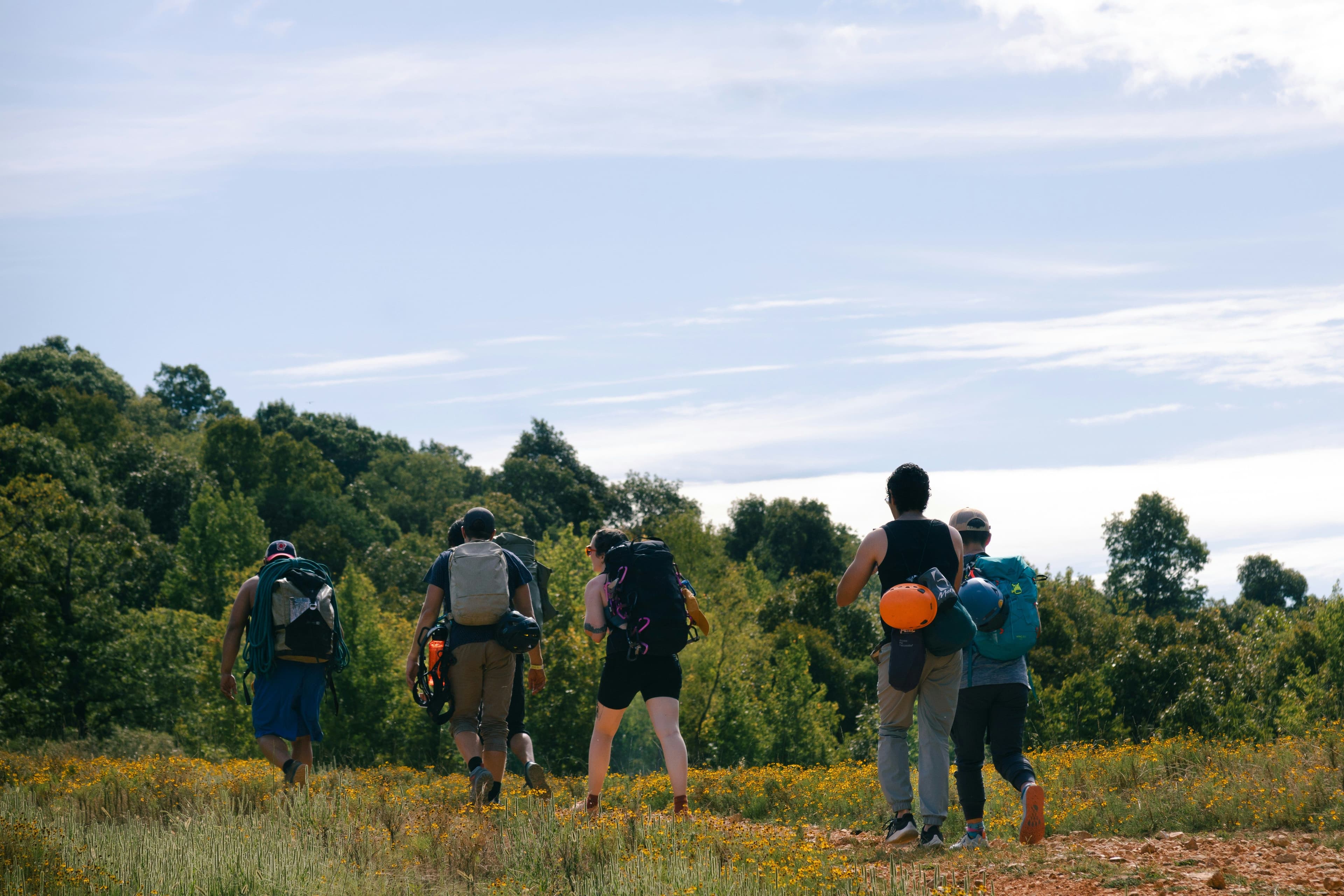
Repeating the same activities year after year kills the magic. A mystery trip—where the team knows only the lobby time and dress code—builds genuine excitement. They might be heading to a private boat tour, a race track, or a hiking trail. The shared story that comes out of it becomes the offsite people actually remember.
Here's how ten creative offsite retreat surprises stack up across key planning dimensions to help you choose the perfect wow factor for your team.
| Offsite Surprise Idea | Wow Factor | Cost per Person | Logistics Complexity | Ideal Team Size |
|---|---|---|---|---|
| Private chef cooking class | Very high | €60–€100 | Medium | 12–30 people |
| Outdoor adventure challenge (hiking, kayaking) | High | €40–€80 | High | 8–40 people |
| Comedy or live music performance | High | €30–€75 | Low | 20–100 people |
| Escape room tournament | Medium-high | €25–€50 | Low | 10–60 people |
| Wellness retreat with yoga and meditation | Medium | €50–€120 | Medium | 15–50 people |
| Behind-the-scenes factory or studio tour | Medium | €20–€45 | Low-medium | 15–80 people |
| Team talent show or karaoke night | Medium | €15–€40 | Low | 10–200 people |
The best choice depends on your budget, travel constraints, and whether your team prefers high-energy activities or more relaxed experiences. For more ways to keep your team engaged, you can read more articles on the Naboo blog.
Managing Expectations
Keep the destination secret but give clear guidance on what to pack. If it's a mountain hike, say "bring hiking boots and a light jacket." This prevents awkward moments while preserving the surprise.
3. Private Pop Up Performance
A surprise performance—a local brass band interrupting dinner, a magician appearing during cocktail hour, a live musician—breaks the formal conference energy immediately. These moments people can't predict are what they actually talk about afterward.
Cultural Relevance
Make the performance fit the location. A private songwriter session in Nashville feels authentic. A standup comedian in New Orleans. Thoughtful choices show you did real planning, not generic vendor shopping.
4. Interactive Culinary Workshops
Replace the standard buffet with a hands-on cooking class. A cooking competition, a farm-to-table workshop, or a meal-building session gets people collaborating in low-stakes ways. Coworkers see each other as actual humans, not just cubicle names. These shared projects build real friendships.
Operational Implementation
Collect allergy and dietary information beforehand. A culinary event works best when people can relax and talk while they work. The informal setting naturally breaks down workplace barriers.
5. The Skill Swap Showcase
Your team members have talents beyond their job descriptions. Let them teach. A developer teaching guitar to a salesperson. Someone leading a sourdough workshop. A photography session led by an employee who shoots on weekends. This flips the hierarchy—your staff become the experts, and respect flows in new directions.
The Impact of Peer Learning
These sessions tear down silos between departments. People learn something new while discovering what their colleagues care about outside work. The bonds formed stick long after the retreat ends.
6. Digital Detox and Quiet Time
Block out an afternoon with no phones. Trade devices for a quality journal, good pens, and blank space. In a world of constant notifications, this surprise feels radical. It signals the company actually cares about burnout and mental health, not just productivity.

Fostering Deep Work
People's best ideas rarely come while checking Slack. Space to think shifts what happens when teams return to the office. Ideas from quiet reflection actually get executed.
7. Local Impact Projects
Teams want their offsite to matter. A surprise afternoon on a community project—cleaning a beach, volunteering at a school, building something with a local nonprofit—creates pride in what you accomplished together. It connects the team to the place you're visiting.
Sustainable Engagement
Partner with established local organizations so the work actually helps. This creates shared purpose beyond the office and leaves a real mark on the community.
8. High End Swag Suite
Skip everyone getting the same branded t-shirt. Set up a curated room where people choose their own gear. High-quality jackets, tech accessories, premium items. Let them try things on and pick what they'll actually use. This gives autonomy and makes the gift feel personal, not corporate.
The Choice Factor
Choice matters. People keep items they picked themselves and remember the retreat every time they use them. That's longevity the generic swag bag never achieves.
9. Surprise Guest Experts
Bring in someone with a genuinely interesting story—an athlete, a scientist, an artist, an innovator. Not a corporate coach. Someone who offers a new lens on how to think. These moments jolt people out of their usual patterns and spark conversations that wouldn't happen in the office.
Broadening Horizons
The best speakers challenge assumptions. They plant seeds that grow into new strategies and approaches months later. That's the lasting impact you're after.
10. The Legacy Celebration
End the retreat on a high note. A video recap of the week. An announcement of a new benefit. Recognition of wins. A strong closing cements the positive feeling and signals this wasn't just a nice break—it was a marker moment for the company.
Closing the Loop
A good offsite needs a strong finish. Ending on momentum helps make the friendships and moments feel permanent, not temporary.
Common Mistakes in Planning Offsite Surprises
Overloading the schedule kills the vibe. Space and downtime matter. People need to actually talk and rest, not sprint from one activity to the next. Also consider the introverts on your team. Not every surprise needs to involve a stage or crowd. Balance activities between high-energy and low-key.
Match surprises to your actual culture. A loud, high-volume event might clash with a team that values focus and quiet. And execution matters as much as the idea. A late guest speaker or missing gift undermines the whole thing. The logistics have to be flawless.
Measuring the Success of Your Retreat Surprises
Survey employees after the retreat to see what stuck. Did people feel appreciated? Track retention rates and engagement in the months after—real impact shows up there. Listen to whether people are still talking about the retreat weeks later. If they are, it worked. Pay attention to collaboration patterns back in the office. Better teamwork is the truest sign of success.
The S.U.R.P.R.I.S.E. Framework for Strategic Offsites
Use this framework to move past random fun into intentional experiences:
- Strategic: Does this align with what we're trying to build?
- Unifying: Will this bring people together?
- Relevant: Does this fit our team and the place we're visiting?
- Personal: Can we make this feel special for individuals?
- Robust: Do we have a backup plan?
- Inspiring: Does it get people excited and engaged?
- Shared: Can everyone participate?
- Evaluated: How will we know if this worked?
A tech team might choose a surprise hackathon if they want to ship a product, or a rafting trip if they want to bond. The framework ensures every dollar gets you real value.
Building Authentic Connections Through Surprise Experiences
Genuine surprises create lasting memories that naturally strengthen workplace relationships. The key is designing experiences that feel real, allowing employees to interact in ways that reveal who they are beyond their job titles. When people experience unexpected joy together, they develop shared stories that become inside jokes and conversation starters back at the office.
The most effective surprises tap into what your team actually enjoys, not what you assume they will. This might mean surveying employees about their interests beforehand or consulting with managers about individual preferences. A surprise cooking class appeals to foodies, while an unexpected live performance speaks to different personality types. Personalized surprises combined with the element of surprise itself make attendees feel genuinely understood.
Consider these actionable approaches:
- Personalized recognition that celebrates individual achievements in front of the team
- Spontaneous group activities that break up the agenda—flash mob lessons, impromptu talent shows, surprise speakers
- Passion project showcases where employees share hobbies unrelated to work
- Unexpected perks like spa treatments, professional photographers, or premium meals
The magic happens when surprises feel intentional yet unscripted. Your team remembers the activity itself, but more importantly they remember how it made them feel. That connection translates into better collaboration, higher retention, and a stronger culture that extends far beyond the retreat.
Frequently Asked Questions
How much of the budget should go toward surprises?
Allocate ten to fifteen percent of your offsite budget to surprises. This covers food and basics while leaving room for memorable experiences that actually move the needle.
What if an employee does not like surprises?
Make all activities optional. Surprises should feel like a gift, not an obligation. People should feel welcome to opt in or out without awkwardness.
How do you keep secrets in the office?
Keep the planning circle small. Tell the team only to show up and be ready for something fun, without needing to know the details.
Can surprises work for remote teams?
Yes. Ship surprise boxes to employees' homes that they open during a group video call. This includes everyone in the moment even if they're not in person.
How many surprises should we have?
For a three-day retreat, two or three surprises work well. Too many dilutes the impact of each one. Fewer, more thoughtful surprises beat a packed schedule.