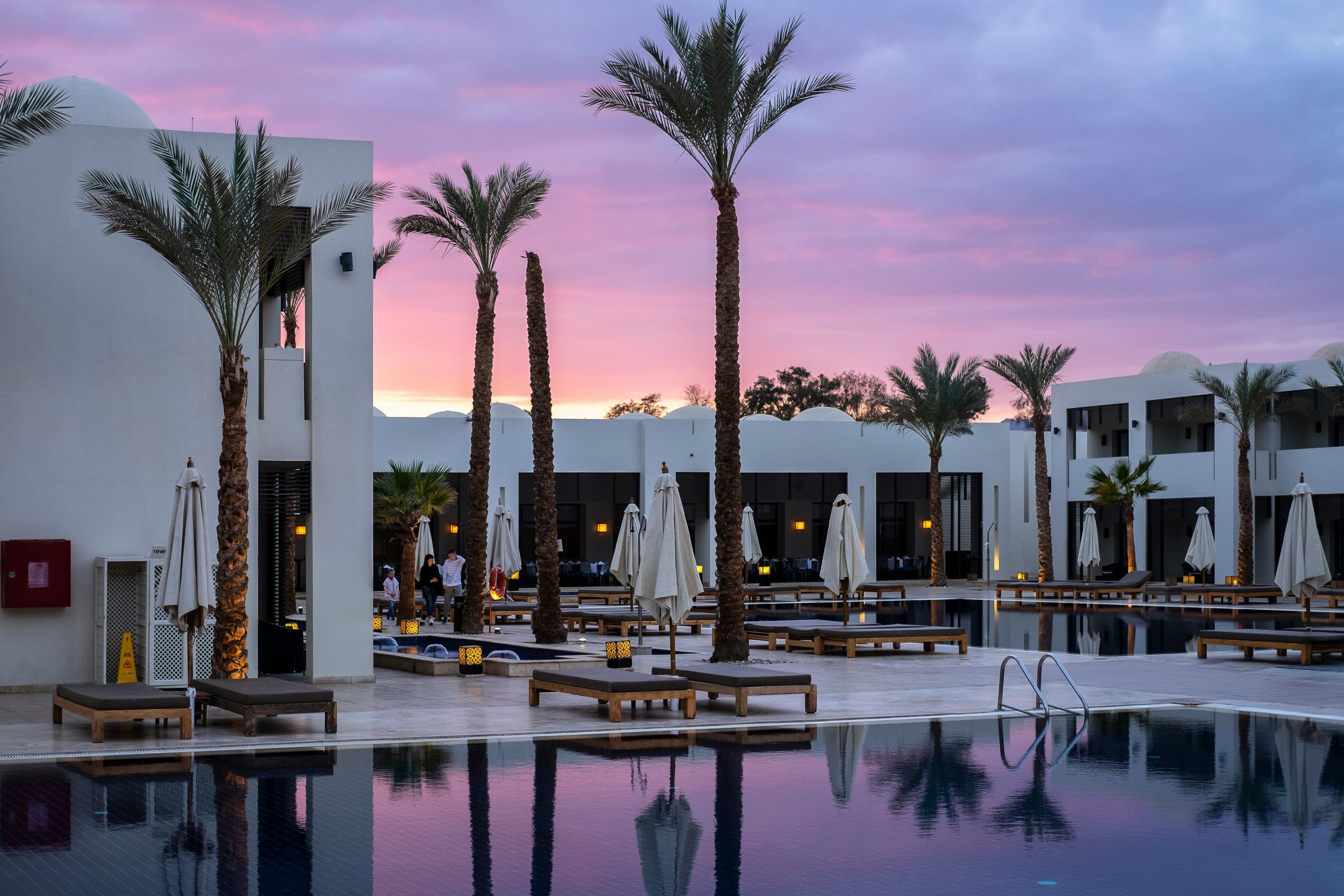
There's something powerful about a team stepping out of the office together. Workplace roles soften, conversations get more meaningful, and trust builds much faster over shared meals or morning hikes than in a conference room. Yet many companies still plan retreats that feel like longer workdays in nicer venues, leaving people more drained than before.
The secret to an effective team retreat lies in intentional choices: picking the right location, balancing the agenda, and knowing exactly what your team needs. Whether you're planning a focused leaders' retreat or a company-wide event for hundreds, these early decisions shape the whole experience.
This guide covers everything from choosing the perfect setting to sidestepping budget surprises that catch even seasoned planners off guard.
How the Idea of a Great Corporate Retreat Has Evolved
The old way was simple: rent a hotel ballroom, spend two days on presentations, and call it a retreat. That doesn't work anymore. Remote and hybrid work means employees only see each other a few times a year, so those meetings have to really matter.
Teams come to retreats both excited to connect in person after months on video calls and wary after past retreats that promised refreshment but delivered burnout. Good retreat planning takes both feelings seriously.
Often, the best moments happen outside official schedules: the morning walk, the late-night dinner chat, or an impromptu brainstorming session. Top corporate retreat locations make those moments easy to happen, instead of just offering space for talks.
The PACE Framework for Picking the Right Retreat Spot
Before browsing venue websites, use the PACE framework to evaluate options by these four factors:
- Purpose: What’s the main goal? Strategy planning, restarting culture, celebrating milestones, or onboarding? This guides all other choices.
- Access: How easy is it to get there? A stunning mountain lodge means little if it takes multiple flights for half your team. Consider airports, transport, and special needs.
- Climate of the group: Does your team need rest, adventure, or both? A team fresh off a big launch needs different energy than one in a slower phase.
- Economics: Look beyond venue costs. Hidden fees for AV equipment, gratuities, activities, and resort charges can add 20-40% more to the budget.
Choose the venue that scores well on all PACE aspects rather than excelling in just one.
PACE in Action: A Tech Company Example
Imagine a tech firm with 60 people spread across four time zones. Their last retreat was a year and a half ago before the team grew 30%. Most new hires haven’t met colleagues in person. Leadership wants strategic output but knows team bonding is the real need.
Applying PACE: Purpose is both relationship building and planning, so social time must be on the agenda. Access means a centrally located city with a major airport to minimize travel time. Climate calls for moderate energy, enough novelty without overwhelming anyone. Economics suggests a venue that bundles lodging, food, and activities to control costs.
A mountain resort in Colorado like near Denver or Aspen with direct flights, on-site activities, and inclusive pricing fits well.
Best Retreat Types by Team Energy and Needs
No single spot fits all. The best US employee retreat destinations match the vibe your group needs. Consider these categories:
Wellness Retreats for Teams Needing Recharge
Wellness retreats focus on restoring energy with spas, nutrition-focused meals, yoga, and mindfulness. Southwest resorts in Arizona or New Mexico offer warm climate, wide-open views, and wellness facilities. Wine country in California's Napa or Oregon's Willamette Valley delivers a slower pace with vineyard walks and farm-to-table dining.
True wellness retreats weave these elements into the schedule, not just add yoga competing with early meetings.
Adventure Retreats for Teams Ready to Push Limits
Adventure retreats use shared physical challenges like whitewater rafting, mountain hiking, or ropes courses to build teamwork and uncover leadership. Pacific Northwest forests, the Rockies in Colorado, or the Appalachians in Tennessee and North Carolina offer great options. The key is choice - make adventure activities optional so all team members can join in a way that suits them.
Coastal and Waterfront Spots for Inspiring Creativity
Water and open skies spark creativity. Beaches along Florida’s Gulf Coast, South Carolina's Hilton Head, and California's Big Sur each offer different vibes and budgets. Lake Tahoe combines mountain and lake views, making it a top versatile retreat location for mixed preferences.
Urban Retreats for Hybrid Teams on a Tight Schedule
Not every retreat needs to be remote. Cities like Nashville, Austin, Chicago, and New Orleans offer vibrant venues, nightlife, and easy travel for teams flying in from multiple places. Urban retreats fit well for alignment and celebration when time is limited, plus usually cost less.
Ranches and Country Estates for Authentic Connection
Working ranches and countryside locations offer unique bonding through horseback riding, outdoor cooking, and stargazing far from city lights. Properties in Texas Hill Country, Montana, or Vermont let teams share new experiences side-by-side, helping level workplace hierarchies.
Executive Retreats: What Leadership Teams Need Most
Planning for executives means balancing privacy with connectivity - most leaders can’t fully unplug. Boutique lodges or private estate rentals work best for confidential conversations and flexible schedules. Popular choices include Napa Valley vineyards and mountain retreats around Lake Tahoe.
Some companies also consider international locations like Portugal or Costa Rica. Though further, these spots offer immersive cultural experiences and often better value for smaller leadership groups.
Fresh Corporate Retreat Ideas That Stand Out
Memorable retreats revolve around unique shared experiences. Modern architecture tours in Palm Springs inspire creativity. Glamping in Joshua Tree offers outdoor novelty without roughing it. Treehouse lodges in the Southeast or Pacific Northwest provide playful, memorable settings.
Historic properties like old mills or renovated estates add storytelling depth, connecting teams to place and purpose in a way traditional hotels rarely do.
Building an Agenda That Works For Everyone
Retreat schedules often fail by packing every hour or giving too much free time. Try a daily rhythm of morning focused sessions (~3 hours), afternoon activities with guided or free choice options, and evenings for social time only. This respects energy and encourages connection over multiple days.
First Day Tips for Remote and Hybrid Groups
When many meet in person for the first time, icebreakers should involve movement and small groups to help quieter teammates. Rotating conversations in 15-20 minute intervals help people quickly get to know each other.
Include Local Experiences for Lasting Memories
One local experience like a cooking class with regional ingredients, a visit to a historical site, or meeting local artisans makes the retreat more memorable and grounded in place. This adds to the overall team bonding beyond just onsite activities.
Platforms like Naboo help teams discover inspiring event ideas and manage many of these local, group-building experiences seamlessly.
What Does a Corporate Retreat Cost in the US?
| Retreat Type | Per Person Cost Range | Cost Drivers |
|---|---|---|
| Urban offsite | $500 to $1,200 | Hotel quality, evening events, city living costs |
| Mountain or beach lodge | $1,200 to $2,800 | Season, group size, bundled vs. itemized activities |
| Luxury wellness resort | $2,800 to $5,500 | Spa services, room type, meal plans |
| Ranch or unique property | $1,500 to $3,500 | Exclusivity, activity depth, local food sourcing |
| International destination | $3,200 to $8,000 | Flight costs, coordination, currency |
The key to controlling costs is getting all fees upfront and negotiating bundled pricing, especially for groups over 30. Booking off-peak and choosing shoulder seasons in mountain or beach locations can significantly reduce expenses without lowering quality.
Common Mistakes in US Corporate Retreat Planning
Picking Venue Before Defining Goals
One frequent error is choosing a beautiful property first, then shaping the retreat around it-not your team's real needs. Define your main outcomes first, then pick venues that match.
Underestimating Travel Fatigue
Flying from multiple cities often means losing much of day one to travel. Scheduling intense meetings too soon can hurt engagement. Build in downtime early on.
Overlooking Accessibility and Inclusion
Ensure your retreat site is accessible and activities offer alternatives for different needs and comfort levels. This greatly affects team morale and inclusion.
Misusing Free Time
Free time isn't wasted; it's often when the deepest conversations happen. Protect 2-3 hours daily for informal gathering rather than packing every hour.
Ignoring Post-Retreat Follow Up
Without a clear plan to act on retreat outcomes, energy fades fast. Schedule accountability check-ins 30 and 90 days after.
Measuring If Your Retreat Worked
Measuring impact is tricky but doable by combining three approaches:
- Immediate feedback: Anonymous short surveys within 48 hours focusing on specific experiences, like changes in team relationships.
- Behavioral changes: Track metrics over 60-90 days such as cross-team collaboration and participation in optional programs.
- Strategic results: Follow up on commitments made during retreat working sessions to see what got done.
Combining these gives a fuller picture than just satisfaction surveys alone. You can discover more content on the Naboo blog for deeper insights on workplace engagement.
Booking Timeline and Logistics Checklist
Good logistics go hand in hand with creative retreat vision. For groups over 75, start venue talks 9-12 months ahead to get top choices. Smaller exec groups can book 3-6 months out.
Checklist for smooth planning:
- Review contracts carefully: cancellation terms, minimum spends, force majeure
- Confirm group transportation from main airports
- Collect and share dietary and allergy info with catering
- Request and confirm accessibility accommodations in writing
- Test connectivity if running hybrid sessions
- Gather emergency contacts and medical info
- Vet off-site vendors for insurance and safety
- Send clear communication about packing, schedule, and device use policies
On device use, set clear expectations before the retreat. Some groups go device-free at meals; others protect focus hours. Ambiguity leads to awkwardness.
Frequently Asked Questions
How far ahead should we book?
For large groups, 9-12 months is best for venue choices. Smaller groups can work within 3-6 months, but unique or wellness-focused sites fill early.
What’s a typical budget per person?
Expect $1,500 to $3,500 for a 2-3 day US retreat with lodging, food, activities, and airport transportation. Wellness resorts and international trips cost more; urban offsites can be less.
How to design for introverts and extroverts?
Give parallel activity choices, so those wanting quiet time can recharge separately. Use small group formats during working sessions to include quieter voices.
Adventure vs wellness retreats - how to decide?
Adventure retreats challenge and energize, good for lower-energy teams. Wellness retreats restore and calm, ideal after high stress. Choose based on your team’s current state.
How to measure retreat success?
Combine fast anonymous surveys, behavior tracking over months, and reviewing strategic plan follow-through for a full picture of impact.