
Planning affordable startup Christmas party ideas does not mean giving up real connection. In Austin, Seattle, and Boston, many founders are choosing to skip expensive open bars and host events that get people talking. The point is simple: a strong party is built on shared moments, not on room size or a big bar tab.
A low-budget company Christmas party often does a better job than a formal gala. What matters is whether the event centers on conversation and time together instead of display. Here are five ways to make your team feel valued without draining the budget. We also share how Naboo organized its own Christmas party, and where we chose to spend and save.
Key takeaways
- Budget-friendly holiday parties work best when the venue or format does most of the work.
- Simple structures like workshops, scavenger hunts, and shared mixers keep costs in check.
- Repeatable traditions can matter more than one expensive night.
- The right setting can make a small startup party feel complete without extra spend.
- Naboo's own party kept it simple: a seated dinner, a homemade bingo and a modest Secret Santa, all in one venue.
| Idea | Best for | Where to host it |
|---|---|---|
| 1. Brewery or taproom takeover | Teams that want an easy night out | SpindleTap Brewery, Houston |
| 2. In-office holiday food workshop | Teams that like hands-on activities | Your own office |
| 3. Team bingo and Secret Santa dinner | Teams building a yearly tradition | A16 San Francisco, San Francisco |
| 4. Neighborhood scavenger hunt with a rooftop finish | Teams that want movement and mingling | Midtown Loft & Terrace, New York |
| 5. Shared holiday mixer with another startup | Startups sharing one holiday budget | ROOF on theWit, Chicago |
1. Brewery or taproom takeover
A brewery or taproom takeover gives a startup a ready-made holiday setting without the cost or effort of building one from scratch. It works on a budget because the venue already has the atmosphere, and you can control spend with drink tokens or a fixed menu.
Best for: Teams that want an easy night out
How to set it up: Book a back room or private area at a brewery or tavern. Keep the menu simple and set a clear drink limit. Skip long travel and extra decor.
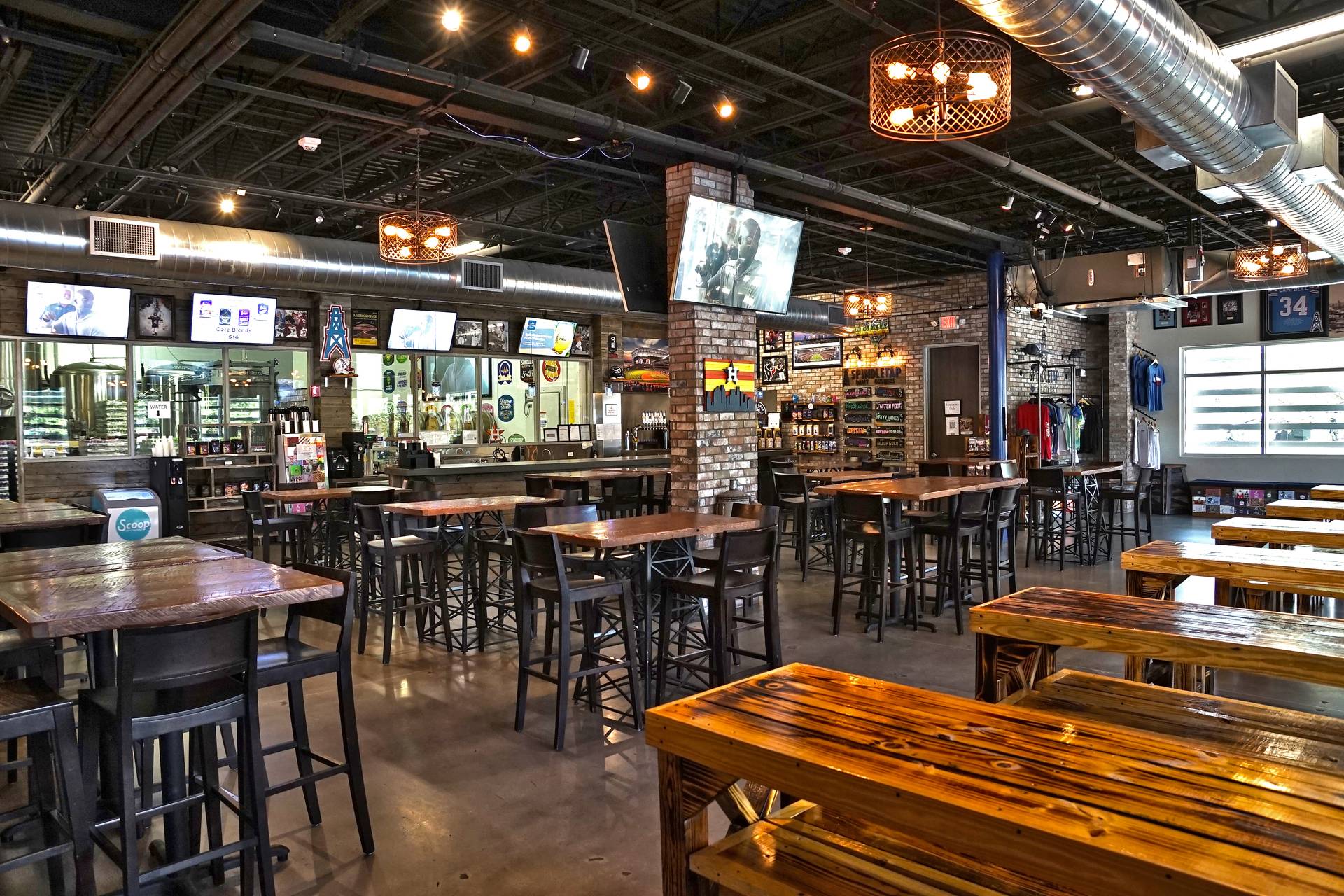
Where to host it: SpindleTap Brewery in Houston, Texas is a brewery with a climate-controlled indoor space and covered outdoor areas. It also offers a wide selection of craft beers and games like Putt Putt Golf and Corn Hole, which fit a relaxed startup holiday party.
2. In-office holiday food workshop
An in-office holiday food workshop turns the office into the party and keeps rental costs out of the budget. It works because people cook, eat, and talk together, which makes the night feel personal without needing a formal dinner setup.
Best for: Teams that like hands-on activities
How to set it up: Bring in a taco-making class or a sourdough workshop. Buy quality ingredients from local markets and use the office space as the venue. Keep the format simple so the activity leads the evening.
3. Team bingo and Secret Santa dinner
Team bingo and Secret Santa dinner give a startup a repeatable holiday format that feels personal without relying on a big spend. It works because the fun comes from shared jokes, small traditions, and a clear structure, not from an expensive production. It is the format we used at Naboo's own Christmas party, with a bingo built around our own people and in-jokes.
Best for: Teams building a yearly tradition
How to set it up: Run bingo around team stories, wins, or inside jokes. Add Secret Santa with a set spending cap and assign names early. Keep the dinner seated so the group stays together.
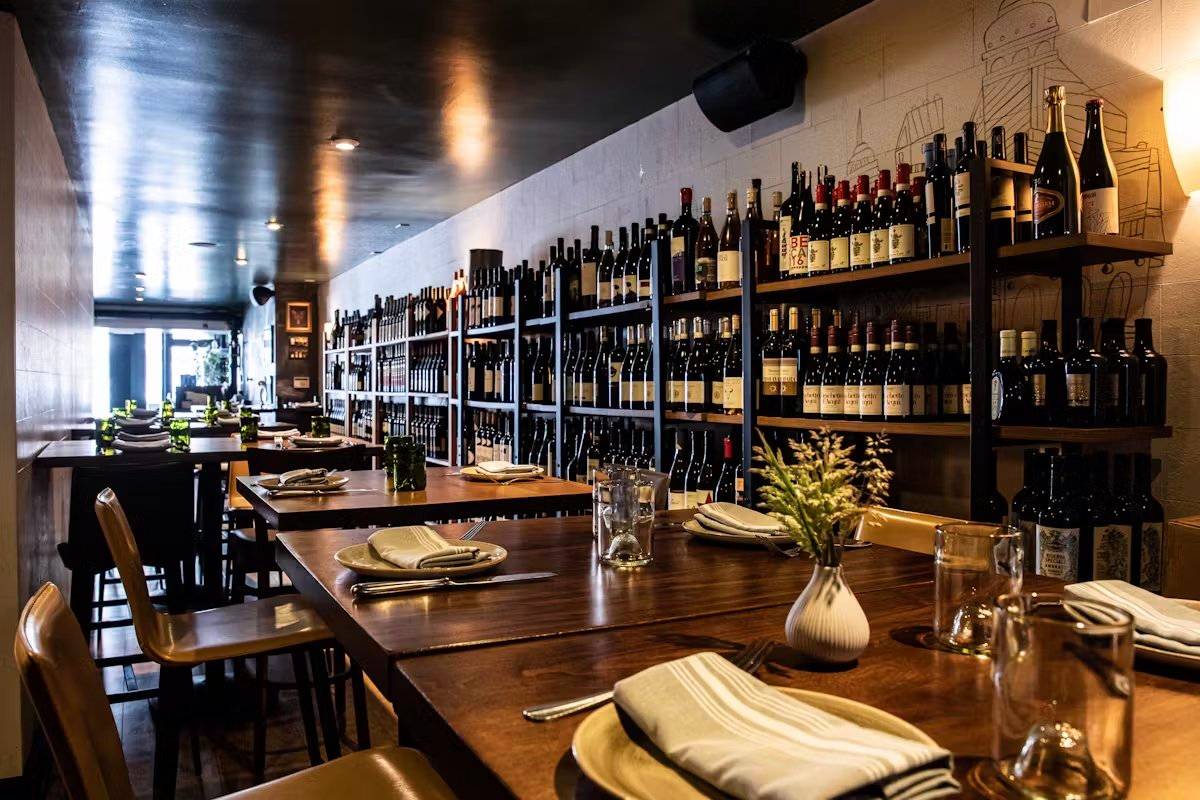
Where to host it: A16 San Francisco in San Francisco, California is an intimate restaurant in a lively neighborhood. It offers a carefully crafted menu inspired by Neapolitan traditions and an award-winning selection of wines, which suits a seated holiday dinner with games.
4. Neighborhood scavenger hunt with a rooftop finish
A neighborhood scavenger hunt with a rooftop finish keeps people moving and mixing across departments before bringing everyone together at the end. It works on a budget because the activity does most of the work, and the rooftop finish gives the night a clear payoff without needing a large event build.
Best for: Teams that want movement and mingling
How to set it up: Split people into mixed teams and plan clues around your neighborhood. End the route with drinks or a short gathering on the rooftop. Keep the challenge simple so the focus stays on conversation.
Where to host it: Midtown Loft & Terrace in New York, New York is an event space in Manhattan with a terrace under a retractable roof and is near the Empire State Building and Herald Square, which makes it a strong finish point for a scavenger hunt.

5. Shared holiday mixer with another startup
A shared holiday mixer with another startup stretches the budget by splitting venue costs while keeping the event social. It works because you get access to a stronger room and better service without paying for a full private party on your own.
Best for: Startups sharing one holiday budget
How to set it up: Partner with another startup in a coworking space or nearby office. Agree on a meeting spot so your team stays easy to find. Split the venue and keep the guest list focused.
Where to host it: ROOF on theWit in Chicago, Illinois is a rooftop venue situated 27 floors above the city. It offers handcrafted cocktails, refined cuisine, and panoramic skyline views, which suit a shared holiday mixer with a polished feel.

What budget mistakes should startups avoid?
Common budget mistakes to avoid usually come from spending on appearance instead of the experience. Another common problem is choosing a venue that is hard to reach, which lowers attendance. Organizers also miss dietary restrictions, and that leaves people feeling left out instead of included. Skip the cheap-party label by choosing quality over quantity. A local food truck with excellent food beats overpriced, forgettable catering every time.
How do you know the party worked?
Checking the success of your event starts after the last guest leaves. Measure success by the team's response afterward. Send a quick survey to see what worked. Look for more positive Slack messages, social media posts, and a better mood around the office. The strongest parties support retention, and the return shows up in steadier morale. That feedback is useful for the next year, too.
What if your team is remote?
Virtual and hybrid party options on a budget make sense when your team is distributed or when venue costs need to stay low. A well-run virtual party removes space rental, travel, and per-location catering while keeping everyone involved. Breakout rooms work for smaller conversations, game tournaments add structure, and a digital potluck lets remote team members cook at home and eat together on camera. Hybrid setups can include a modest local venue for in-office staff and matching activities for remote colleagues.
Naboo's own Christmas party at Pavillon des Princes
Our own Christmas party worked because we kept the spend focused on the parts people remember: one venue for dinner and dancing, a seated dinner that mixed teams, a homemade bingo built on our own in-jokes, and a Secret Santa with a clear, modest budget. Nothing felt overfilled. The evening had room to breathe, and that made it feel more generous, not less.
As Juliette, one of our Office Managers, puts it:
"Secret Santa is always the moment when I wonder whether I've created a lovely Christmas tradition or a slightly dangerous social experiment. So far, everyone has made it out alive."
We held it at the Pavillon des Princes in the Bois de Boulogne in Paris, and Juliette, one of our Office Managers, ran the whole thing. The real work started months ahead. For a major event, we treat three months as the bare minimum, because December dates disappear fast. First came the date and the venue. Decorations, menu, DJ and gift details could still move later.
What we would tell any startup planning its party:
- Choose a venue that can handle arrival, coats, dinner and dancing without a transfer.
- Check the real setup, not just the standing capacity.
- Set the Secret Santa budget early and keep it reasonable.
- Plan one activity that only your team would understand.
- Leave enough time for dinner and conversation before the party starts.
We also checked the late-night basics: what happens after 11 p.m. and how people get home. That is what makes a startup Christmas party feel easy on the night and sensible on the budget.
Frequently asked questions
Which affordable Christmas party idea should a startup pick first?
Pick the idea that fits how your team likes to spend time together. If your group wants an easy night out, the brewery or taproom takeover works well. If people like hands-on activities, the in-office holiday food workshop is a strong fit, and if you want a yearly tradition, the team bingo and Secret Santa dinner is the clearest choice.
How do we find a venue on a budget without making the party feel cheap?
Choose a venue or format that does most of the work for you. A brewery, your own office, a seated restaurant dinner, a rooftop finish, or a shared mixer with another startup can all give the event structure without extra spend on display.
What should we set for the Secret Santa budget?
Set the Secret Santa budget early and keep it reasonable. Naboo's own party used a modest Secret Santa, and assigning names early helps keep the exchange simple and in step with the rest of the evening.
How far ahead should we book an affordable Christmas party?
For a major event, start months ahead. Three months is the bare minimum because December dates disappear fast, and the first things to lock in are the date and the venue.
What works for remote or hybrid teams?
Virtual and hybrid party options make sense when your team is distributed or when venue costs need to stay low. Breakout rooms work for smaller conversations, game tournaments add structure, and a digital potluck lets remote team members cook at home and eat together on camera.
How can we tell if the party worked?
Look at the team's response after the event. Send a quick survey and watch for more positive Slack messages, social media posts, and a better mood around the office, since those signs show the party landed well.