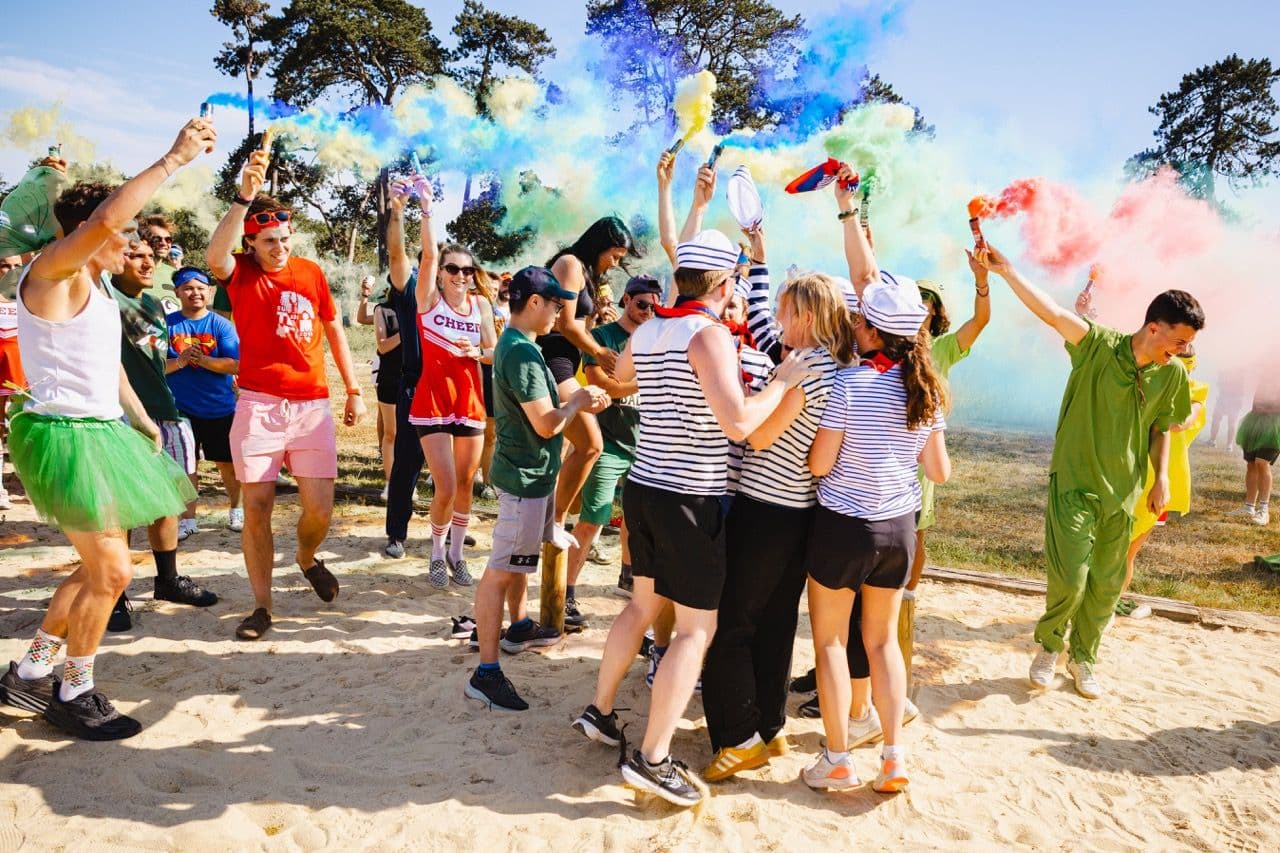
The right location for a best US locations corporate retreats turns a meeting into something that actually moves the needle on culture and productivity. You need more than a conference room—you need an environment that gets people thinking differently, connecting genuinely, and actually stepping away from work stress. The location itself becomes your primary tool for hitting whatever you're trying to accomplish, whether that's strategic planning, team bonding, or preventing burnout.
Finding truly effective places for company outings is harder than it sounds. We've curated 10 US destinations, organized by what they're designed to accomplish and what kind of experience they deliver. For event ideas for teams, check out our resources.
The Goal Alignment Framework for Choosing Retreat Locations
Before picking a destination, align the location with your retreat's core objective. The Goal Alignment Framework maps desired outcomes (Focus vs. Activity) to suitable environments.
Applying the Framework: A Scenario
A mid-size tech firm needs to finalize Q4 roadmap (High Focus) but team morale is low after a rough quarter (needs Moderate Activity for decompression). A bustling Miami resort will distract them. A downtown Chicago hotel feels like the office. A Mountain Lodge Retreat works—structured meeting space for high focus, plus optional activities like hiking and fly fishing that provide cognitive rest without requiring extreme exertion. A lodge in the Colorado Rockies fits this exactly.
Using this lens, here are ten places for company outings that deliver measurable results.
1. High-Desert Clarity Experience in Joshua Tree, CA
Teams seeking deep concentration and reflective planning benefit from the remote high desert near Joshua Tree National Park. These places for company outings strip away distractions.
Here's how five of the best US locations for corporate retreats compare across what matters most.
| Destination | Climate | Cost per Person | Top Activity Options | Best Team Size |
|---|---|---|---|---|
| Scottsdale, Arizona | Hot and dry year-round (80–110°F) | $150–$250/day | Hiking, golf, spa wellness, desert team challenges | 20–200 people |
| Charleston, South Carolina | Warm and humid (65–85°F spring/fall ideal) | $120–$200/day | Waterfront activities, historic walking tours, team sailing | 15–100 people |
| Lake Tahoe, California/Nevada | Cool mountain air (50–75°F summer, snow in winter) | $180–$300/day | Hiking, kayaking, zip-lining, scenic team retreats | 25–150 people |
| Austin, Texas | Warm and sunny (70–95°F, best spring/fall) | $110–$190/day | Live music, outdoor adventure, networking events, food tours | 30–250 people |
| Asheville, North Carolina | Mild and variable (55–80°F, fall foliage stunning) | $100–$180/day | Mountain hiking, brewery tours, creative workshops, nature retreats | 10–80 people |
Desert locations offer year-round warmth and affordability. Mountain locations deliver scenery and outdoor activities for deeper team bonding.
Vast, quiet landscapes naturally encourage focused discussion. Guided meditation, structured journaling, and nighttime stargazing reinforce perspective. The scale of the environment pushes thinking toward big-picture strategy rather than daily tactics. Teams pair intense workshops with low-impact activities like exploring geological formations or quiet nature walks.
2. Coastal Wilderness Immersion in the Pacific Northwest
The Pacific Northwest coastline—San Juan Islands, Oregon Coast—works for teams that want environmental connection and moderate physical activity. These places for company outings reinforce unity through shared natural beauty and water-based work.
Sea kayaking, river rafting, and hiking promote mutual reliance and trust. The crisp air and lush surroundings enhance morning sessions on collaborative problem-solving. This setting works especially well for creative teams breaking through mental blocks.
3. Alpine Resilience Training in the Utah Canyons
When you need rapid trust-building and team resilience under pressure, Utah's canyon country—Moab, Zion—is the place. These places for company outings center on shared challenge.
Canyoneering, rock climbing, and mountain biking on famous trails require complete cooperation. Successfully navigating high-stakes scenarios together translates directly to improved psychological safety back at work. Leadership teams use this to simulate pressure, with the outdoor activity serving as a controlled metaphor for business challenges.
4. Remote Hawaiian Ecosystem Exploration
Hawaii's islands provide exceptional places for company outings centered on ecological awareness. Off-the-beaten-path resorts on Kauai or Maui expose teams to marine and terrestrial wildlife.
Guided ocean safaris, sustainable agriculture tours, and volunteering with local conservation groups bond teams deeply. This works well for mission-driven organizations discussing corporate social responsibility and long-term impact.
5. The Luxury Campout (Glamping in Upstate NY)
For teams wanting simplicity of the outdoors but needing productive work infrastructure, glamping in the Catskills or Adirondacks works perfectly. These places for company outings blend rustic charm with business capability.
Daytime workshops happen in modern communal spaces, then evening bonding around a campfire. Teams get out of routine without sacrificing sleep quality or connectivity. Hiking trails and waterfalls provide easy brain breaks. Startups and high-growth teams often choose this for its flexibility and relaxed-but-high-performing culture.
6. Deep South Heritage & Teamwork at a Texas Ranch
A dude ranch in the Texas Hill Country offers unique places for company outings centered on communication skills through unconventional methods. It removes professional formality immediately.
Horseback riding, cattle sorting, and shooting ranges all require clear, quick communication and coordinated effort. Southern hospitality creates relaxed social interactions over Tex-Mex or campfire stories. This is excellent for fostering cross-functional rapport between teams that usually interact only via email.
7. Mountain Majesty for Strategic Planning in Montana
Montana's remote mountain lodges near Yellowstone or Glacier are premier places for company outings for strategic alignment and long-range visioning. The scale and tranquility of the Rockies naturally foster broader perspective.
Isolation minimizes external noise and maximizes focus. Strategy sessions are balanced by optional, contemplative activities like fly fishing or stargazing. The goal is clarity and consensus using the surroundings to inspire ambitious thinking.
8. Holistic Wellness Centers in Southern California
When the goal is employee recharge, stress reduction, and retention, a wellness retreat near Malibu or Laguna Beach is essential. These places for company outings prioritize mental and physical health.
Yoga, meditation, spa treatments, and nutrition workshops promote self-awareness and empathy. Organizations with high burnout rates find this effective for reinforcing work-life balance. Success is measured by observed stress reduction and improved post-retreat focus.
9. Winter Peak Performance Offsite in Colorado
For high-energy teams, a winter sports retreat in the Colorado Rockies—Vail, Telluride—provides exhilarating places for company outings. Ski and snowboard trips create organic bonding through shared lifts, lessons, and après-ski gatherings.
Use the physical energy to fuel motivational professional sessions held in the evenings. This works for celebrating successes, launching products, or kicking off sales years.
10. Sustainable Eco-Immersion in the Florida Keys
For companies with strong ESG mandates, an eco-conscious getaway in the Florida Keys combines environmental responsibility with team purpose. These are places for company outings that reinforce core values.
Stay in sustainable accommodations, participate in conservation workshops, and engage in coral reef restoration or mangrove tours. This fosters collective purpose, especially beneficial for large teams looking for shared experience around stewardship.
Common Pitfalls When Selecting Places for Company Outings
Location selection is half the work. Many leaders sabotage outcomes through operational errors. Avoid these mistakes to ensure real returns.
Mismatched Purpose and Place
A frequent error is selecting a beautiful location that blocks your actual goal. Hosting a complex strategy session at a bustling beach resort kills cognitive throughput. Choosing a silent mountain lodge for a team needing high-energy interaction creates boredom and resentment. Use the Goal Alignment Framework to ensure the environment matches the required mental state and activity level.
Underestimating Logistical Complexity
Remote places for company outings come with unique challenges. Desert retreats or ranches may require specialized transportation or have limited cellular bandwidth. Failing to secure reliable infrastructure—especially internet—derails working sessions. Over-plan contingencies for travel delays, catering, and connectivity failures at remote sites.
Ignoring the Seasonality and Climate Trade-Offs
A location ideal in one season becomes miserable in another. Glamping in the Northeast during mud season or high-altitude hiking in shoulder months without proper gear planning turns inspiration into collective hardship. Verify typical weather for your chosen dates and communicate required gear to participants.
Measuring the Strategic Success of Offsite Events
A retreat is a significant investment. Success must be measured beyond feedback. Focus on three key metric categories to quantify return on investment from places for company outings. For more workplace insights, check out our full collection.
Metric 1: Alignment and Focus Completion Rate (Quantitative)
Measure whether stated professional goals were met. If the retreat was focused on completing a Q4 roadmap, measure the percentage of deliverables finalized during the retreat. Success means teams leave with concrete, documented outcomes that were the reason for choosing specialized places for company outings.
Metric 2: Post-Retreat Sentiment and Connection (Qualitative/Quantitative)
Deploy a concise survey immediately after the event focusing on team outcomes:
- Net Promoter Score (NPS) for the Experience: Would you recommend this retreat to another team?
- Psychological Safety Score: Did you feel more comfortable sharing incomplete ideas or constructive criticism?
- Connection Index: Do you understand cross-functional colleagues' priorities and personalities better?
High scores validate that the location successfully facilitated genuine connection.
Metric 3: Observable Behavioral Change (Qualitative)
Three to six weeks post-retreat, look for observable changes in team dynamics. Did the team adopt the new process? Are communication channels smoother between departments that bonded during the outing? This long-term measure validates that experiential learning from the retreat translated into sustainable workplace improvements.
How to Choose the Right Retreat Location for Your Team's Needs
Start by identifying your team's primary objectives. Are you looking to strengthen relationships, solve specific business challenges, or recharge? Different locations excel at different outcomes. Mountain retreats inspire strategic thinking. Beach destinations foster informal bonding. Urban centers provide access to professional facilitators. Remote locations offer genuine disconnection from work stress.
Beyond objectives, logistics matter. Consider team size, budget, and accessibility requirements. Travel time affects energy levels before the retreat begins. Weather seasonality plays a major role—a spring destination may be unpleasant in winter. Evaluate whether you want all-inclusive resorts or flexible locations where you customize the experience.
Create a decision matrix weighing your priorities for places for company outings:
- Proximity to headquarters and team members' locations
- Quality of accommodations and meeting facilities
- Range of on-site or nearby activities aligned with your goals
- Cost per person including travel, lodging, meals, and activities
- Flexibility for customization versus pre-packaged options
- Support services available, such as professional facilitators or event coordinators
Involve key team members in selection when possible. A quick survey about preferred climates or activity types increases buy-in and ensures the location resonates with your group.
Frequently Asked Questions
How far in advance should we book unique places for company outings?
For specialized or remote locations like Montana lodges or eco-resorts, plan 9 to 12 months in advance, especially during peak season or if you need complex logistical elements.
What is the most effective type of location for a high-focus strategy retreat?
Locations offering minimal distractions and maximal tranquility work best. Mountain lodges, secluded deserts, or exclusive-use smaller venues let teams work without external interruption. These places for company outings prioritize mental clarity.
How do we ensure activities promote genuine bonding, not just forced participation?
Choose activities that are inherently fun, optional, and aligned with the environment—kayaking on a lake, not mandatory trust falls. The location should naturally facilitate connection through shared awe or shared moderate challenge.
Is it necessary to use a luxury location for a successful retreat?
Luxury is defined by comfort and relevance to purpose, not price. A comfortable glamping site with excellent working infrastructure beats an opulent but distracting five-star city hotel.
How can we manage connectivity issues in remote places for company outings?
Confirm venue-provided satellite Wi-Fi or local network boosting services. If connectivity is poor, schedule work sessions around known signal points and designate periods as intentionally "unplugged."