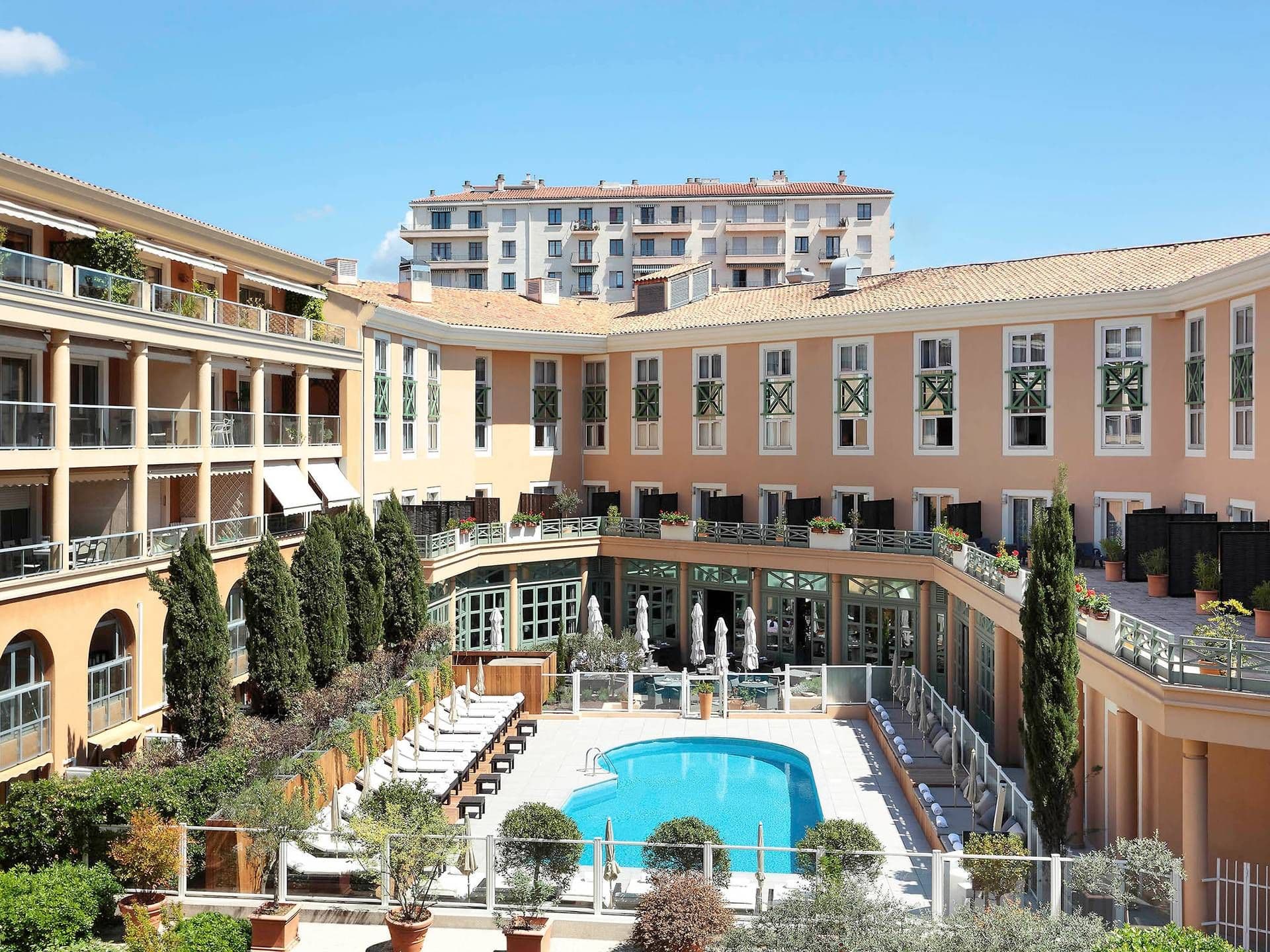
Picking the right hotel for a corporate retreat makes or breaks the event. The venue directly impacts your company culture, innovation output, and whether employees actually engage or just show up. A poor choice creates logistics nightmares and wastes budget. The right one delivers on your strategic goals and sends employees back energized.
Systematic planning matters. Whether you're running an executive offsite or company-wide gathering, you need a framework for evaluating venues. Here are 10 steps for how to choose corporate retreat hotel options effectively.
1. Define the Core Purpose and Required Atmosphere
Start by establishing what the retreat actually accomplishes. That determines everything else about the space you need. A hotel for intensive strategic planning looks completely different from one hosting a celebration or team-building event.
For strategy work, you want quiet, secluded spaces—think mountain lodges or private properties outside major cities. For recognition trips, look for resorts with strong entertainment and relaxation amenities. For hybrid collaboration and workshops, prioritize flexible meeting configurations and solid technology. Get clear on purpose first.
The Alignment Trap
The mistake most planners make is booking a beautiful location that doesn't fit the agenda. A high-rise urban hotel works poorly for deep-focus strategy sessions. A remote mountain lodge fails if you need advanced video conferencing.
2. Determine Functional Capacity and Layout Versatility
Know your headcount plus a 10-15% buffer, but also understand how the space actually flows. Can a large ballroom split into three breakout rooms quickly? Are there enough smaller spaces for informal conversations? Does the layout prevent overcrowding in dining and meeting areas?
When evaluating corporate retreat hotels, consider how each element impacts your overall event success and budget.
| Hotel Selection Criteria | Priority Level | Impact on Retreat | Typical Cost Range | Best For Group Size |
|---|---|---|---|---|
| Location and Accessibility | Critical | Determines attendance rates and travel fatigue; affects team morale and participation | Varies by region; adds 10–20% to base costs | 50–500 people |
| Meeting and Breakout Spaces | Critical | Enables strategic sessions, workshops, and collaborative activities; directly impacts engagement | $500–$2,000/day rental | 25–300 people |
| On-Site Dining and Catering | High | Influences attendee satisfaction, energy levels, and networking opportunities throughout the day | $35–$85 per person per day | 40–400 people |
| Accommodation Quality and Amenities | High | Affects employee comfort, sleep quality, and overall retreat perception and retention | $120–$350 per room per night | 30–250 people |
| Technology and AV Capabilities | High | Essential for hybrid attendance, presentations, and virtual participant inclusion in sessions | $1,000–$5,000 for full setup | 50–500 people |
| Recreational and Wellness Facilities | Medium | Enhances team bonding, stress relief, and creates informal networking moments between sessions | Often included or $10–$30 per person | 20–300 people |
| Group Rate Negotiation and Flexibility | High | Directly impacts total budget; affects ability to adjust group size or dates without penalties | 10–25% discount off standard rates | 30+ people |
Prioritize location, meeting spaces, and catering first. Layer in technology and amenities after those fundamentals are solid.
Versatility matters more than raw square footage. You need spaces that adapt to different session types throughout the day without wasting time on setup.
3. Evaluate Logistical Accessibility and Travel Strain
Travel burden tanks employee satisfaction. Measure accessibility by total door-to-door time and cost, not just distance. Long or complicated travel drains people before the retreat even starts.
Choose venues near major airports. For domestic retreats, aim for no more than three hours of travel from your team's central location. If your team is spread nationally, pick a central hub with strong direct flight options.
4. Audit Essential Technology Infrastructure
Connectivity isn't negotiable. Request speed tests for meeting areas and ask if dedicated bandwidth can be guaranteed. Verify that projectors, sound systems, and screens are current. Check whether on-site tech support is available.
If remote participants are joining, the venue needs high-quality cameras and acoustic treatment in meeting rooms. Spotty WiFi or broken equipment will derail your agenda.
5. Assess Accommodation Quality and Comfort Standards
For multi-day retreats, room quality directly affects energy and mood. Comfortable private rooms with reliable climate control and quiet matter more than fancy meeting spaces. Check the ratio of rooms to bathrooms if shared housing is being considered.
Quality accommodation signals respect for employees and increases the perceived value of the offsite.
6. Implement the Value-Driven Budget Allocation Model
Venue and lodging typically run 40-50% of total retreat budget, travel another chunk, and catering the rest. Identify hidden fees early—resort fees, service charges, parking costs often aren't in initial quotes.
Negotiate bundled deals combining meeting space, rooms, and food/beverage. Most hotels will discount these packages versus booking à la carte. Set aside a 10% contingency fund for inevitable last-minute changes.
7. Validate Timing, Seasonality, and Local Risk
Off-peak seasons (early spring, late autumn) cut costs significantly. Check the local calendar though—booking during major regional events or holidays drives prices up and limits vendor availability.
Plan outdoor activities but build in robust indoor backups for weather issues. Don't assume clear skies.
8. Scrutinize Catering and Dietary Flexibility
Food builds team bonds. The venue needs to handle common restrictions—vegan, gluten-free, allergies—without sacrificing quality. Request sample menus and speak directly with the catering manager about your group's specific needs.
9. Integrate Engaging Local Experiences and Activities
The surrounding area should offer experiences that break down work silos. Look for unique local partners offering cultural tours, nature activities, or workshops that feel genuinely special. These help teams interact outside traditional work dynamics. Check out event ideas for teams for inspiration.
10. Review Venue Service Reliability and Contracting
Service level determines whether your event runs smoothly or becomes stressful. Check reviews focused on event execution, staff responsiveness, and contract transparency. Talk to recent group planners who booked similar-sized events.
The Naboo P.L.A.C.E. Vetting Model
Use this framework when comparing final venues:
- P (Paperwork & Policy): Are cancellation terms clear? Is there a single dedicated event manager?
- L (Logistics Flow): Is group check-in efficient? Does the space flow logically from meetings to dining to social areas?
- A (Access & After-Hours): Is 24/7 staff support available? Can you adjust AV equipment or temperature controls after hours?
- C (Customization): Will the hotel rearrange rooms, adapt menus, or work with external vendors?
- E (Environment & Ethics): Do the venue's brand and sustainability practices align with your company values?
These ten steps move venue selection from guesswork to strategy. You'll maximize return on your retreat investment.
Evaluating On-Site Amenities and Technology Infrastructure
Modern retreat attendees expect seamless connectivity, professional meeting spaces, and facilities supporting both productivity and downtime. Request detailed specs on internet bandwidth, video conferencing setup, and AV equipment. Ask if the hotel handles simultaneous breakout sessions, live streaming, or hybrid attendance.
On-site tech support staff matters. An experienced AV team handles problems fast and keeps your agenda intact.
Look for:
- Flexible meeting spaces that reconfigure quickly
- Outdoor areas for team activities and networking
- Fitness facilities or wellness programs
- Customizable dining with dietary options
- Business centers for attendees handling urgent matters
Don't overlook informal connection spaces. Lounges, game rooms, and outdoor terraces drive some of the best retreat outcomes. Hotels that thoughtfully design these transitional spaces understand modern corporate culture. Ask about their experience hosting similar-sized retreats. Hotels with proven retreat expertise anticipate needs and deliver polished execution.
Frequently Asked Questions
What is the ideal lead time for booking a corporate retreat hotel?
Book 6 to 12 months ahead for mid-to-large retreats. This secures better rates, ensures availability, and gives you time to coordinate complex logistics.
How much of the total budget should be allocated to the venue and accommodations?
Plan for 40% to 50% of your total budget. This ensures a high-quality environment that supports your event goals.
Should we prioritize technology or unique environment when selecting a hotel?
It depends on your retreat's purpose. If you need presentations, workshops, or hybrid attendance, technology is non-negotiable. If you're focused on decompression and team bonding, a unique remote environment with basic WiFi may work.
How can we avoid hidden fees in the hotel contract?
Request an itemized quote and explicitly ask the sales contact to list all mandatory charges—resort fees, service charges, parking, gratuities. Don't assume anything is included unless stated in writing.
Is it better to choose an all-inclusive package or à la carte services for a corporate retreat?
All-inclusive packages control costs and simplify planning. À la carte services offer more flexibility for custom menus or specific activities.