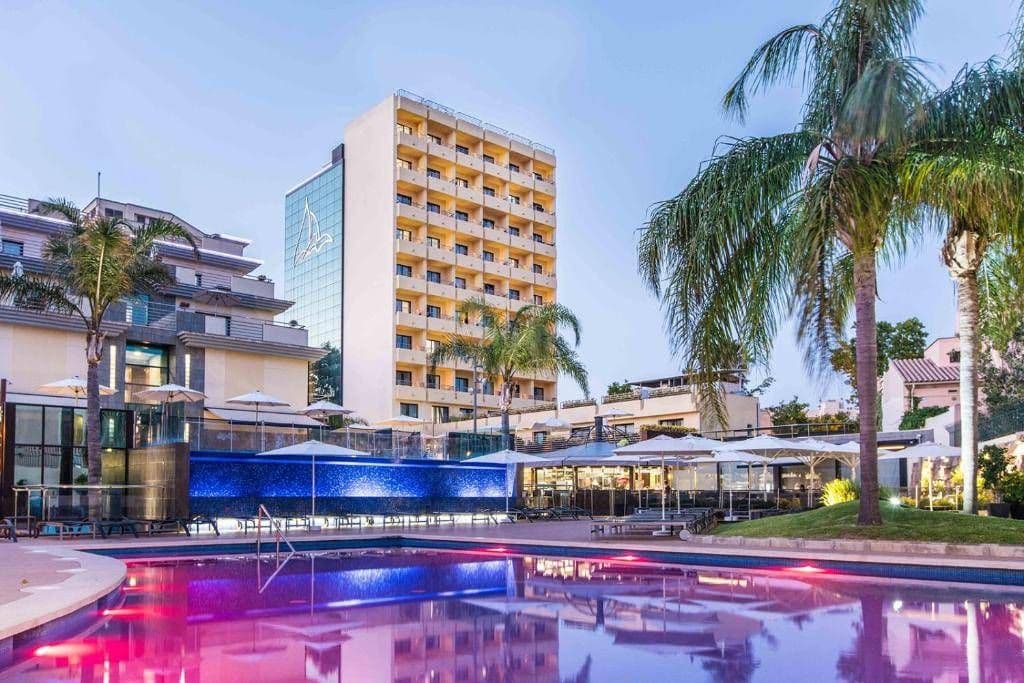
Remote and distributed teams need more than a holiday party to stay connected. Company offsite ideas are how you keep culture aligned and strategy moving across departments. A well-planned company offsite changes the setting, the pace, and the quality of conversation. That creates room for better decisions, stronger relationships, and more useful company offsite activities.
Not every offsite should do the same job. Some formats are built for strategy. Others work better for trust, creativity, or a reset. The six ideas below are strong options when you want an offsite event that feels practical, not decorative.
Key takeaways
- Start with one clear goal, then choose the format that supports it.
- Use structured sessions when you need alignment, and active formats when you need energy.
- Keep logistics simple so people can focus on the event instead of the details.
- Mix work time with connection time to make the day feel worth the trip.
- Choose a venue that fits the activity, especially for hands-on or high-energy formats.
| Idea | Best for | What it builds |
|---|---|---|
| Leadership simulation retreat | Leadership teams that need sharper decision-making | Judgment, alignment, and pressure-tested collaboration |
| Internal talks conference | Teams with deep in-house expertise to share | Speaking confidence, knowledge sharing, and cross-team curiosity |
| Hackathon or innovation sprint | Cross-functional groups with one business problem to solve | Speed, prototyping, and practical ideas |
| Outdoor adventure | Teams that need trust and a shared challenge | Confidence, communication, and mutual support |
| Culinary cook-off | Groups that like hands-on collaboration | Delegation, coordination, and calm under pressure |
| Wellness and digital detox retreat | Teams that need recovery and a slower pace | Focus, rest, and a reset from constant noise |
1. Leadership simulation retreat
A leadership simulation retreat puts executives and managers into realistic decision-making scenarios, which is why it works so well for teams that need to align fast. The format pushes people to think under pressure, weigh trade-offs, and respond as a group instead of as separate departments. It is especially useful when a leadership team needs to sharpen judgment before a major planning cycle or change. The value is not in talking about leadership in the abstract. It is in seeing how the group behaves when the stakes feel real.
Best for: Executive teams, senior leaders, and departments that need faster, clearer calls.
How to set it up: Choose scenarios that reflect real business pressure, such as resource constraints, market shifts, or crisis response. Keep the group small enough for everyone to participate. Use a facilitator who can keep the pace moving and debrief the decisions afterward. Plan a quiet room with enough space for discussion, notes, and breakout moments. End with a short summary of what the team learned and what should change back at work.
2. Internal talks conference
An internal talks conference gives employees a stage to share ideas, projects, and expertise, which makes it one of the smartest creative offsite ideas for teams that want substance without stiffness. Short talks from people across the company surface knowledge that often stays hidden in day-to-day work. The format also gives quieter specialists a chance to shape the room. Done well, it builds respect across functions and helps people see the company as a collection of useful voices, not just job titles.
Best for: Companies with strong internal expertise and teams that benefit from cross-functional learning.
How to set it up: Ask for short, focused presentations on projects, lessons learned, industry trends, or personal areas of expertise. Keep the agenda tight so the room stays engaged. Build in time for questions and informal conversation between sessions. Choose a venue with good sound, seating, and a simple stage setup. If you want the event to feel polished, give speakers a clear format and a rehearsal window before the day.
3. Hackathon or innovation sprint
A hackathon or innovation sprint gives teams a concentrated block of time to solve one problem or build one prototype, which is why it is one of the most practical company offsite activities for cross-functional groups. The format creates urgency without turning the day into another meeting. People have to share ideas quickly, divide work clearly, and produce something visible by the end. That makes it useful for teams that need momentum, not just discussion. It is also a good way to break down silos because the work depends on different skills showing up in the same room.
We ran our own first hackathon from 27 to 31 October 2025 at our Paris office: six teams, one per department, each building an AI project for its own work, with closing presentations and a Halloween party at the end of the week. Lucien Bredin, CPMO at Naboo, explained why it was worth the time:
"The hackathon is really useful because we are going to integrate into our roadmap the coolest and most successful projects of this hackathon."
Best for: Product, operations, marketing, and mixed teams working on a shared challenge.
How to set it up: Pick one business problem and define what success looks like before the event starts. Set clear constraints, judging criteria, and a final presentation format. Bring together people with different skills so the group can move from idea to action. Give teams the tools they need for sketching, planning, and presenting. Keep the room focused and avoid adding unrelated sessions that break the flow.
4. Outdoor adventure
An outdoor adventure gives teams a shared physical challenge, which is why it works when trust needs to grow quickly. Activities like ropes courses, climbing, or navigation tasks ask people to rely on one another in a way that office work rarely does. That shared effort changes how people relate once they are back at their desks. It is a strong choice for groups that need energy, movement, and a break from routine. The best versions are active without feeling forced, and challenging without making people feel left out.
Best for: Teams that need trust, energy, and a more relaxed social dynamic.
How to set it up: Choose an activity that matches the group's comfort level, not just the most dramatic option. Check accessibility needs early and offer alternatives where needed. Plan for weather, transportation, and basic safety instructions. Keep the schedule simple so the group can focus on the experience instead of rushing between parts of the day. Leave time afterward for a meal or debrief so people can talk while the experience is still fresh.
5. Culinary cook-off
A culinary cook-off turns meal preparation into a team challenge, and that is what makes it such a strong offsite event for groups that like hands-on collaboration. People have to delegate, communicate, and stay organized while working toward a shared result. The food matters, but the process matters more. It gives teams a low-stakes way to practice coordination under time pressure, and it usually brings out a lighter, more social side of the group. For many planners, this is one of the easiest ways to create connection without asking people to perform.
Best for: Teams that enjoy practical collaboration and a social, high-energy setting.
How to set it up: Use a venue with enough prep space, equipment, and supervision for the group. Decide whether the format is competitive or collaborative before you invite people. Keep instructions clear so everyone understands the timeline and roles. If possible, build in a shared meal at the end so the group can enjoy the result together. Make sure dietary needs are collected early and reflected in the menu plan.
6. Wellness and digital detox retreat
A wellness and digital detox retreat gives people space to slow down, which is exactly why it works for teams that have been running hard for too long. Quiet settings, guided movement, and device-free periods help people reset without turning the day into a performance. This format is especially useful when burnout, fatigue, or constant context switching has started to affect the team. It creates room for clearer thinking and calmer conversation. For companies that want a reset rather than another high-output session, this is one of the most useful company offsite ideas.
Best for: Teams that need recovery, reflection, and a break from constant screen time.
How to set it up: Choose a calm venue with space for rest, movement, and quiet conversation. Set clear boundaries around device use so the group knows what to expect. Mix light structure with open time, such as meditation, yoga, or simple guided reflection. Keep the tone relaxed and avoid overloading the agenda. If the team is not used to wellness programming, explain the purpose in plain language so people understand the point of the day.
How do you choose the right offsite format?
The right format depends on the problem you want the event to solve. If leadership needs sharper judgment, choose a simulation. If the goal is to share knowledge, use internal talks. If you need ideas with visible output, a sprint is the better fit. If the team needs trust or recovery, choose an active outdoor day or a calmer wellness retreat. The best choice is the one that matches the team's energy, the time available, and the result you want back at work.
Start with one question: what should be different after the offsite? That answer will tell you whether the day should feel strategic, social, creative, or restorative. Once the goal is clear, the format becomes much easier to choose.
How do you choose the right venue and logistics?
The venue should fit the activity, not the other way around. A talk-heavy agenda needs good acoustics and seating. A sprint needs room for breakout work. A cook-off needs prep space and equipment. An outdoor day needs access, safety planning, and weather backup. The more closely the space matches the format, the less energy you lose to friction.
Keep logistics simple and visible. Share travel details, timing, dress code, and any physical requirements early. Check accessibility, dietary needs, and technology before the day starts. If remote participants are involved, make sure they can see and hear clearly. Good planning removes distractions and lets the group focus on the event itself.
What are the most common planning mistakes?
The biggest mistake is choosing an activity before defining the goal. That usually leads to a day that feels busy but does not change much. Another common problem is overpacking the schedule. People need time to talk, think, and move between sessions without feeling rushed. Poor communication also hurts attendance and engagement, especially when travel, physical effort, or device use is involved.
It also helps to avoid forcing everyone into the same level of participation. Some people will jump into a physical challenge. Others will contribute better in discussion or planning. A good offsite makes room for both.
How do you measure whether it worked?
You measure an offsite by what changes afterward, not by how full the agenda looked. Start with a short pre-event check on clarity, morale, or alignment, then compare it with feedback after the event and again a few weeks later. If the goal was strategy, look for better follow-through. If it was connection, watch how people collaborate in the weeks after. If it was a sprint, track whether the ideas made it into real work.
Budget matters too, but only as part of the full picture. A well-run event should feel worth the time, the travel, and the planning effort. If the team can point to a clearer decision, a stronger relationship, or a concrete next step, the offsite did its job.
Where to host company offsite ideas
The venue decides which company offsite ideas will work, from focused strategy sessions to hands-on team activities. Each option below includes a real Naboo venue that fits the format.
A conference venue with breakout rooms and a main hall
A conference venue with breakout rooms and a main hall suits leadership simulation retreat, internal talks conference, hackathon or innovation sprint, and wellness and digital detox retreat because it lets teams split into smaller working groups, come back together for plenary sessions, and shift the pace without changing location. That mix keeps strategy, discussion, and downtime under one roof.
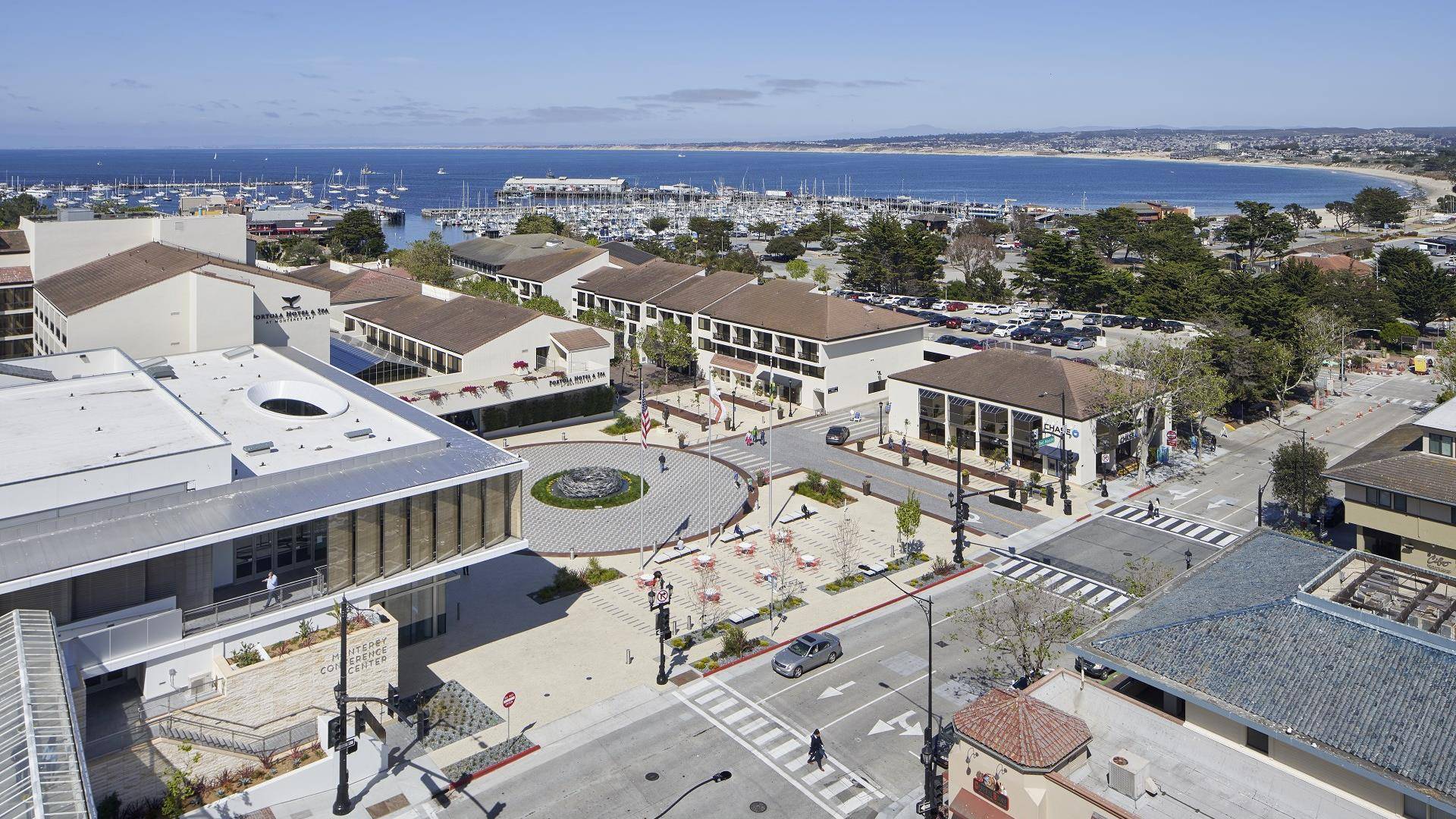
Monterey Conference Center is a meeting facility in Monterey, California, just steps from the waterfront in northern California. It sits on the edge of Monterey Bay and offers a modern setting for events in the area.
A private estate with outdoor space
A private estate with outdoor space suits leadership simulation retreat, hackathon or innovation sprint, outdoor adventure, and wellness and digital detox retreat because it gives teams room to think, move, and reset. Indoor meeting space supports focused work, while open grounds make it easy to switch from strategy sessions to physical challenges or quiet time away from screens.
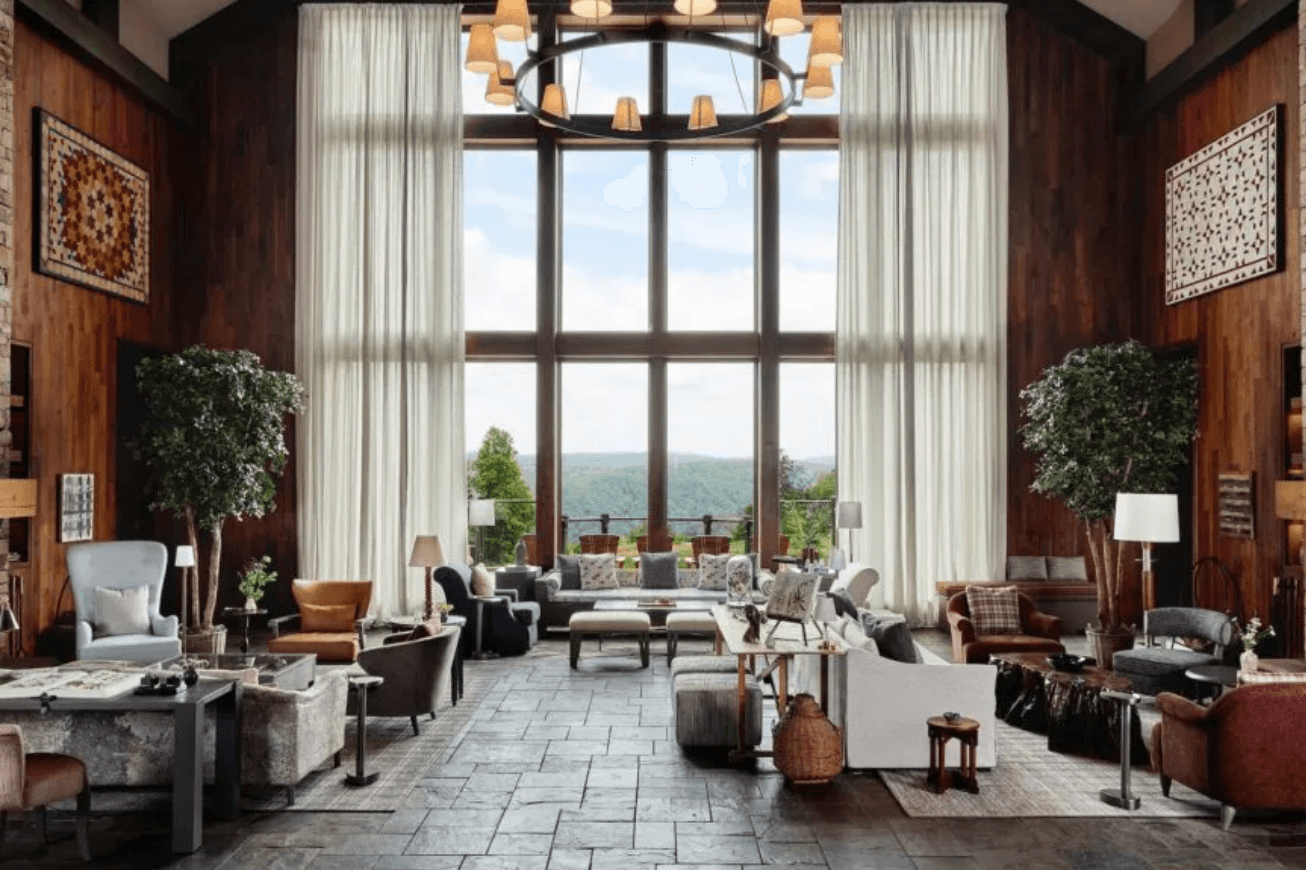
The Lodge at Primland is in Meadows of Dan, Virginia. It sits on a private estate in the Blue Ridge Mountains and offers outdoor space for corporate events, along with meeting rooms and a setting that works for both work retreats and time outside.
A venue with a professional kitchen
A venue with a professional kitchen is where the culinary cook-off works best: every team gets its own station, a chef can set the rules and judge the results, and the shared meal at the end turns the competition back into a team moment.
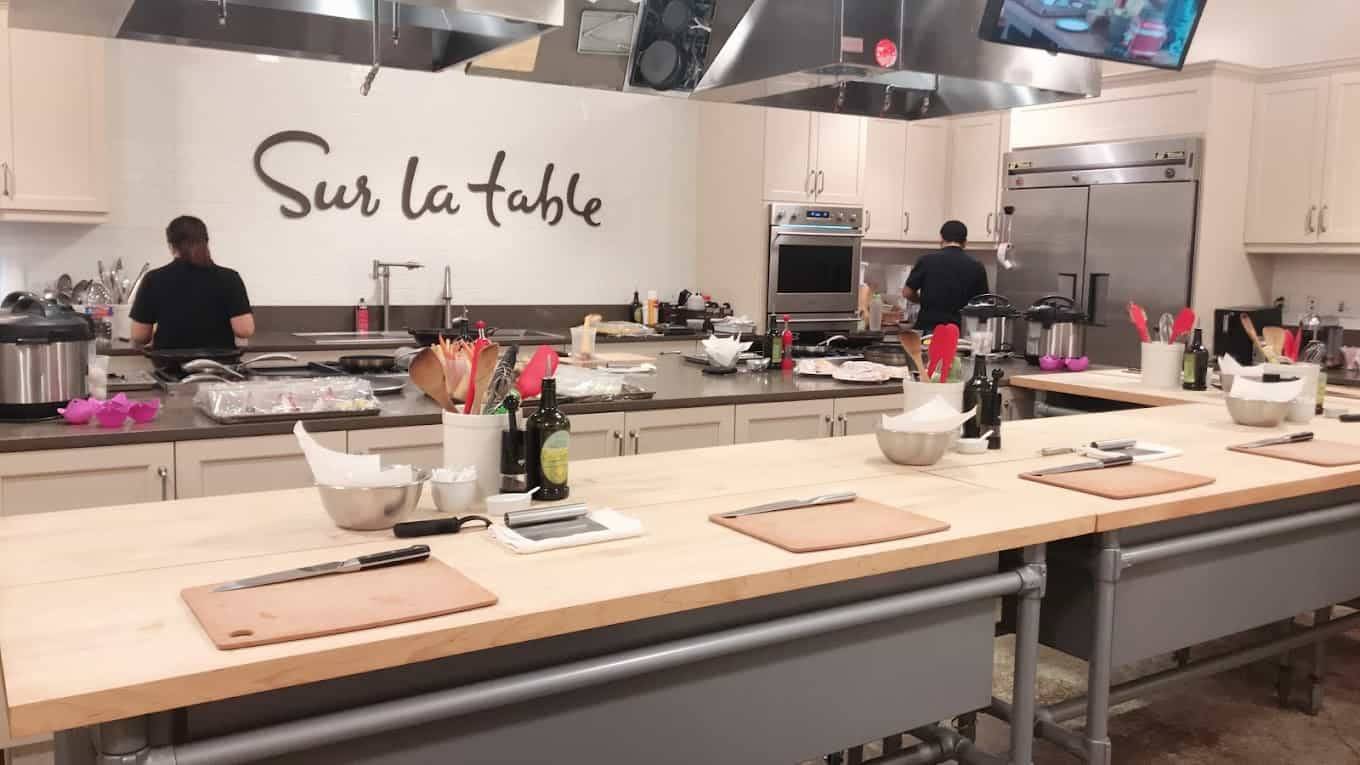
Sur La Table is in Wichita, Kansas. It offers chef-led cooking classes for corporate groups, team building, and private events in dedicated teaching kitchens inside its retail stores, with a professional yet approachable setting and all necessary ingredients for hands-on meal preparation.
Frequently asked questions
What is the ideal frequency for holding company offsite events?
Most teams benefit from one larger strategy-focused offsite each year, plus smaller gatherings when there is a clear reason to bring people together. The right rhythm depends on how often the team needs alignment, learning, or a reset.
How far in advance should we plan a major corporate offsite event?
Start planning several months ahead for a larger event so you have time to choose the venue, confirm travel, and prepare the agenda. The more people involved, the earlier you should begin.
Should company offsite events include structured work time?
Yes. Even a social or wellness-focused offsite works better when there is some structure. People need a clear purpose so the event feels intentional and not like a day away from work with no outcome.
How do we make sure remote or hybrid employees feel included?
Build the agenda so everyone can participate in the same moments, not just the same meeting invite. Clear audio, visible facilitation, and equal chances to speak matter more than adding extra content.
What is the most important factor in a successful offsite?
A single clear objective. When the goal is specific, the format, venue, and agenda all become easier to choose, and the event is more likely to lead to something useful afterward.