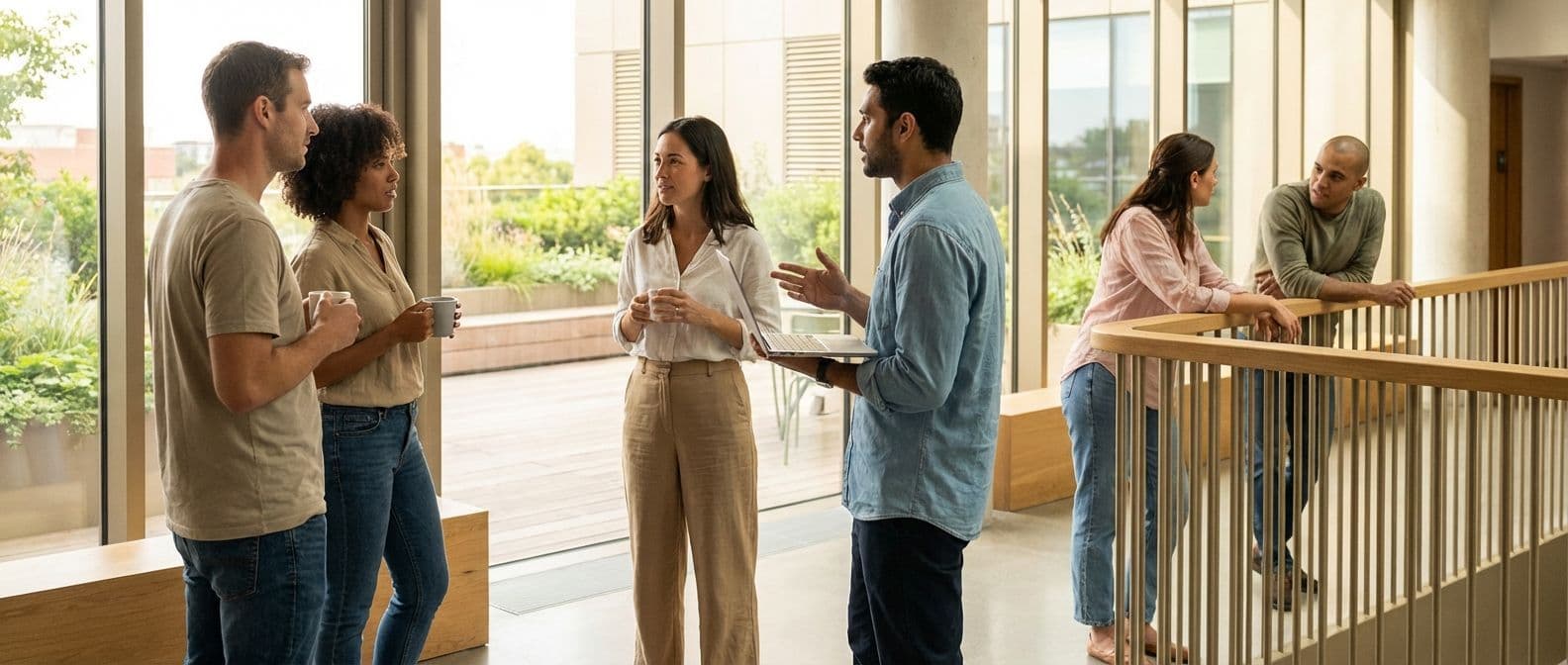
How you gather at work is changing. A basic happy hour doesn't cut it anymore for keeping teams connected. The right corporate event ideas for employees now focus on real human connection and shared purpose. When employees feel seen through these gatherings, you see it in productivity and retention. This covers 21 event ideas for a modern US workforce.
1. Mystery Box Cooking Challenges
Cooking competitions work because they mirror how teams handle real projects. Teams get a box of surprise ingredients and a tight clock to make something good. You can read more on the Naboo blog about how these activities highlight different leadership styles and creative problem solving.
Operational Insights for Culinary Events
Partner with professional kitchens that have quality equipment and good instructors. Mix people from different departments to break down silos. The shared experience of building something tangible provides a lasting morale boost that carries back to the office.
2. Augmented Reality Urban Scavenger Hunts
AR-driven scavenger hunts blend physical activity with high-tech engagement. Employees explore city centers using apps to find digital clues, making it interactive and social.
Here's how 21 popular corporate event ideas stack up across format, budget, group size, and engagement potential to help you pick the right fit for your team.
| Event Idea | Format | Budget per Person | Best Group Size | Engagement Level |
|---|---|---|---|---|
| Team lunch or catered meal | In-person | $15–$35 | 10–100 people | Medium |
| Virtual wellness workshop | Virtual | $5–$20 | 20–500 people | Medium-High |
| Volunteer service day | In-person | $10–$50 | 15–200 people | High |
| Online trivia or game tournament | Virtual | $0–$10 | 10–300 people | Medium |
| Hybrid conference or summit | Hybrid | $50–$200 | 50–1,000+ people | High |
| Escape room challenge | In-person | $25–$50 | 8–16 people | High |
| Outdoor team sports or picnic | In-person | $20–$60 | 20–150 people | High |
Match your choice to your team's size, budget, and culture—higher engagement events like volunteering and escape rooms build stronger connections than passive formats.
Practical Considerations for AR Events
Make sure the technology is intuitive for everyone. Plan for weather and have extra battery packs or phones available. Customize hunts with company history or industry trivia to blend education with entertainment.
3. Professional Development Unconferences
An unconference lets attendees set the agenda instead of leadership dictating content. This works well for high-growth teams because it surfaces hidden talent and niche expertise already in your organization. Staff drive the conversation, ensuring relevance to their daily challenges.
Why This Matters in 2026
It signals trust and encourages professional growth from within. Employees own the content, which means they stay engaged.
4. Collaborative Mural Painting Sessions
A local artist sketches a large mural, then employees paint it together. The final piece stays in the office as a tangible reminder of what the team built.
The Impact on Workplace Culture
Creating a physical object builds belonging. The low-pressure environment encourages personal conversation while people work toward one shared goal.
5. Pop-Up Wellness Retreats
Bring yoga, massages, and healthy snacks directly to your office or a nearby park. Mental health is critical for retention in 2026. You can find more ideas for planning meaningful events that reduce burnout.
Executing Wellness Events
Make these optional and non-judgmental. Offer a variety of activities—high-energy workouts to quiet meditation—so everyone feels included. These prevent burnout before it starts.
6. Eco-Restoration Volunteer Days
Employees spend a day cleaning beaches, planting trees, or building community gardens. This aligns personal values with professional life. Working with local nonprofits ensures the work is actually needed.
Logistical Success Factors
These are often the most meaningful experiences an employee has, which builds long-term loyalty.
7. Professional Mixology Workshops
Employees learn about cocktail history and technique in an evening class. Always offer high-quality mocktails for inclusivity.
Developing Social Connection
The activity gives people something to focus on, which reduces social anxiety. This leads to real interactions between new hires and senior staff.
8. High-Stakes Escape Room Tournaments
Escape room tournaments with leaderboards test logic and communication. They reveal natural leaders and problem solvers.
Evaluating Team Dynamics
Debrief afterward to discuss what worked and how the group handled obstacles. This turns an hour into a valuable training tool.
9. Artisan Crafting and Pottery Classes
Hands-on activities like pottery provide a needed mental break from screens. Focus on the process, not perfection. This fosters a growth mindset where mistakes are part of learning.
Operational Insights for Crafting
Requires specialized teachers and materials. Keep the emphasis on process.
10. Inter-Departmental Sports Olympics
Mix physical sports with low-impact games like cornhole or giant Jenga. Include roles for everyone—scorekeepers, cheer squads. Build teams across departments to strengthen internal networks.
Planning for Inclusivity
Ensure there's a place for everyone regardless of athleticism.
11. Guided Mindfulness and Forest Bathing
Forest bathing focuses on time in nature to reduce stress. A guided walk through redwoods or mountains emphasizes the senses and grounding techniques.
The Value of Quietude
Unlike loud parties, mindfulness sessions offer reflection. Employees return to work with clearer focus.
12. Retro Arcade and Neon Gaming Nights
Pop-up arcades with 80s and 90s classics create an instant fun atmosphere. Set up mini-tournaments with small prizes to encourage longer engagement and more conversation.
Maximizing Engagement
These require minimal ongoing supervision and appeal to a wide range of ages.
13. Shark Tank Style Innovation Pitch Days
Employees pitch new ideas to leadership. Include real rewards—budget to build the idea or cash bonuses. This shows the company values input from everyone, regardless of job title.
Implementing Internal Innovation
Pitch days generate real ideas while boosting ownership and engagement.
14. Themed Costume Masquerades
A well-executed masquerade or Gatsby party lets employees have fun with outfits. Works for celebrating milestones or major project completions.
Focusing on Production Quality
High-quality execution signals to employees that the company will go the extra mile.
15. Live Comedy and Improv Workshops
Improv teaches the "yes and" philosophy essential for teamwork—how to listen and react quickly. These sessions build trust through challenges led by professionals.
Benefits for Communication
Improves public speaking and confidence. Laughter breaks down social barriers and transforms an afternoon into skill-building.
16. Sustainable Cooking Classes with Local Chefs
Farm-to-table classes featuring local, seasonal food connect employees to their community. They learn real skills and understand the food system, making the experience more than just a meal.
Educational Value in Events
These become shared learning experiences that reinforce your company's social responsibility.
17. Virtual Reality Team Adventures
For remote teams, VR provides genuine connection that video calls cannot. Staff explore digital worlds together, solve puzzles, or play sports while in the same virtual space.
Maintaining Connection in Hybrid Teams
VR ensures remote employees feel part of the culture rather than watching from the sidelines.
18. Outdoor Survival Skills Training
Learning to start a fire or use a compass builds resilience and trust. These experiences in rugged settings create stories employees tell for years.
Operational Safety
Professional guidance is essential. Safety must be the priority. When done right, these events build strong company brand loyalty.
19. Silent Disco Networking Socials
Wireless headphones let people choose their own music while dancing or talking easily. This is far more inclusive than a standard DJ.
Flexibility and Control
Attendees control their own volume, making the event feel less overwhelming and more social.
20. Wellness-Focused Digital Detox Camps
A weekend trip where phones are put away focuses on face-to-face conversation and nature. These retreats lead to increased creativity once teams return to the office.
Restoring Focus and Energy
Removing work notifications allows deeper conversation and genuine recharge for high-intensity teams.
21. Charity Build-a-Bike Challenges
Teams assemble bicycles that go to local kids. This combines giving back with building something tangible.
The Power of Purpose
Events with a charity component drive higher attendance and genuine pride in the work.
Evaluating the Success of Corporate Event Ideas
Look beyond attendance numbers. Send surveys after each event to gather feedback. Use a Net Promoter Score for events to track improvement over time.
Watch for changes in employee retention and cross-departmental collaboration. If an event aimed to increase connection between teams, you should see more emails or meetings between those groups afterward. Check internal social platforms to see if people are sharing photos and stories from the event.
The R.I.S.E. Framework for Corporate Event Planning
Many managers use this model to ensure every event has clear purpose.
- Relevance: Does the event fit the team's current needs? If people are stressed, wellness beats competition.
- Inclusivity: Can everyone participate regardless of physical ability or personality type?
- Social Connection: Does the activity create actual conversation, or just passive watching?
- Echo: How will people remember this event later? The best events have lasting impact.
Common Mistakes in Corporate Event Planning
Making events mandatory without understanding what employees actually want backfires. When it feels like extra work, morale drops. Don't schedule during busy deadlines or Friday nights when people want to be home.
Explain the why behind each event. Without clear purpose, employees see it as a waste of time. And follow up afterward—without reflection, the positive feeling fades quickly.
How to Choose Corporate Event Ideas That Align With Your Company Culture
The most successful events genuinely reflect your company's values and mission. Before choosing an activity, audit what your culture actually stands for. Are you focused on innovation? Wellness? Sustainability? Community impact? Your event should reinforce these pillars.
Ask your team directly. Send a survey asking what types of gatherings excite them, what causes they care about, and what would make them feel connected to colleagues. This shows employees their voices matter. You'll likely discover passions—mentoring junior developers, supporting local nonprofits—that shape authentic events rather than forced ones.
Consider logistics that signal your true values. If you prioritize work-life balance, don't schedule mandatory all-day events during family time. If sustainability matters, choose venues and catering that minimize waste. If inclusivity is central, ensure events are accessible to employees with different abilities and comfort levels with socializing.
Track outcomes after each event. Did attendance match expectations? Did employees report feeling more connected? Did participation cut across departments and seniority levels? Use these metrics to refine future corporate event planning and prove to leadership that thoughtful events drive real business results.
Frequently Asked Questions
What makes a corporate event successful in 2026?
Meaningful experiences over flashy productions. Employees want events that help them connect and align with their values.
How can we include remote employees in our events?
Use VR or hybrid formats where digital team members play an active role, not just watch from a screen.
Why are team challenges so good for morale?
They create a shared story of winning together. This builds trust and safety that carries back into regular work.
How often should we have team events?
Most companies find that monthly small social hours plus one or two larger themed events per year keeps culture strong without burnout.
How do these events help a company's bottom line?
Lower turnover and higher productivity. Engaged teams generate better ideas and deliver better work.