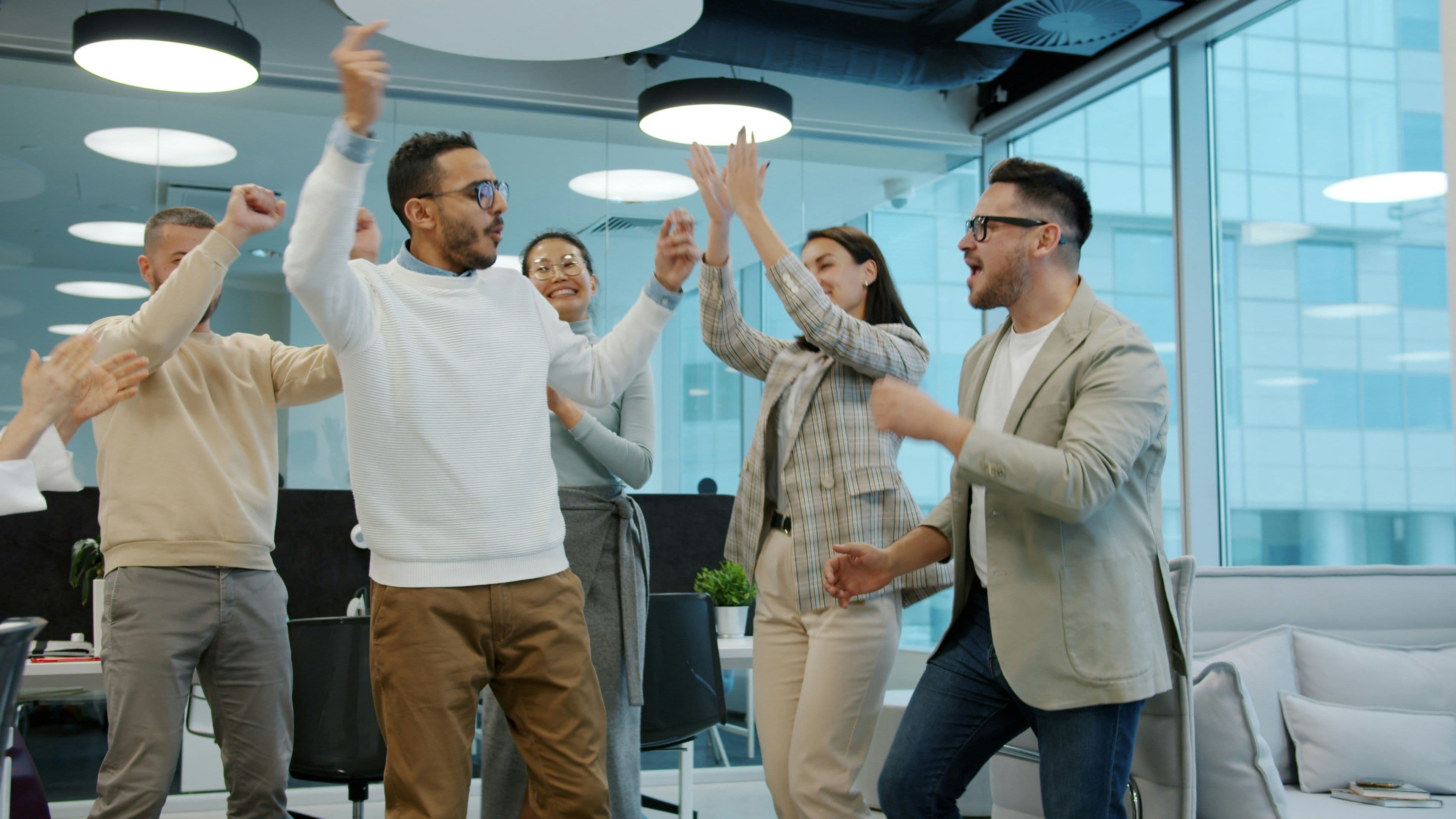
Your workplace needs diversity and inclusion event ideas that actually work. When you bring together people from different backgrounds—different regions, industries, and life experiences—their varied perspectives drive innovation. But that only happens if you deliberately build the conditions for it. Without intentional effort, differences create friction instead of fuel. This isn't soft HR work; it's a strategic necessity for organizations that want to perform.
Real DEIB (Diversity, Equity, Inclusion, and Belonging) work transforms a group into a cohesive team. These activities break down unconscious biases, build empathy, and establish psychological safety. The shift moves from compliance to genuine appreciation for difference.
This guide covers 21 activities with practical implementation steps. If you want more resources, check the Naboo blog.
The Strategic Value of Cultivating a High-Performing Diversity Team
Diverse teams make better decisions and solve problems faster. Younger employees expect their employers to invest in DEIB work. That directly affects your ability to attract and retain talent. When team members feel safe bringing their authentic selves to work, productivity and risk-taking improve.
Trust is the foundation. Without it, nothing else works.
Beyond Compliance: Focusing on Belonging
Compliance meets minimum legal standards. Belonging is what you actually want—the feeling that differences matter and are valued. That requires activities designed for vulnerability and shared experience. It demands skilled facilitation and leadership commitment to psychological safety.
The A.C.T.I.V.E. Model for Inclusive Events
Use this framework to structure your DEIB efforts strategically, not randomly.
| Activity Type | Cultural Focus | Group Size | Duration | Engagement Level | Best For |
|---|---|---|---|---|---|
| Cultural Potluck Lunch | Multi-cultural cuisine & storytelling | 15–100 people | 1–2 hours | Medium | Building connections through food & shared narratives |
| Identity Circle Discussions | Personal backgrounds & lived experiences | 8–20 people | 1.5–2 hours | High | Deepening understanding & psychological safety |
| Diversity Scavenger Hunt | Cross-cultural knowledge & perspectives | 10–50 people | 1–1.5 hours | Medium | Remote & hybrid teams seeking low-pressure interaction |
| Bias Interruption Workshop | Unconscious bias & inclusion training | 20–200 people | 2–4 hours | High | Organizations prioritizing systemic change & accountability |
| Volunteer Community Service | Social justice & community impact | 12–60 people | 3–4 hours | High | Teams wanting tangible impact beyond the office |
| Cross-Cultural Speed Networking | Diverse professional backgrounds & viewpoints | 20–80 people | 1–1.5 hours | Medium–High | Building horizontal relationships across departments |
Choose activities based on your team's readiness for vulnerability, available time, and whether you need awareness-building, relationship-deepening, or systemic change.
- A: Assess Needs: Use anonymous surveys and focus groups to identify gaps. Use data, not assumptions.
- C: Commit Resources: Allocate sufficient time, budget, and logistical support. Fragmented lunch-break discussions signal low priority.
- T: Train Facilitators: Facilitators need cultural competence training, active listening skills, and conflict resolution techniques. Bad facilitation causes real harm.
- I: Identify Outcomes: Define measurable behavioral goals—reduce microaggressions by X%, increase team connection scores by Y.
- V: Vetting the Environment: Secure venues or virtual spaces that are physically accessible, technologically reliable, and psychologically neutral.
- E: Establish Ground Rules: Let participants co-create guidelines. Emphasize active listening, non-judgment, and learning intent.
Avoiding Common Mistakes in Diversity Team Initiatives
Good intentions fail without proper execution. Know these pitfalls.
Mistake 1: Treating It as a One-Time Event
DEIB is continuous. A single workshop without integration into hiring, promotion, and performance reviews feels performative. Follow activities with sustained organizational changes and ongoing discussions.
Mistake 2: Mandating Participation Without Context
Mandatory participation in sensitive activities without psychological safety first creates resentment. Explain the why. Emphasize voluntary sharing. Have leaders participate to model vulnerability.

Mistake 3: Focusing Only on Differences
Balance discussions of cultural backgrounds with activities that surface shared values and collective goals. Over-emphasizing what separates people reinforces otherness instead of inclusion.
The 21 Proven Diversity Team Building Activities
These activities build awareness, address bias, improve communication, and enhance team cohesion. For more specific event ideas, check the resource library.
1. The Personal Artifact Showcase
Ask participants to bring an object that represents something significant about their culture or personal journey. The focus is on the story—how it shaped their worldview or identity.
How to Apply: Each person shares a 3-5 minute story. The facilitator ensures active listening. The group reflects on how personal narratives connect to workplace strengths. This requires a trusting environment and shifts the conversation from roles to people.
2. "My Name, My Story" Introduction
Names carry cultural, familial, and historical weight. Have employees share the meaning, origin, and correct pronunciation of their name, including family stories or traditions.
How to Apply: This is a powerful icebreaker. It directly addresses mispronunciation microaggressions and validates identity. The team commits to using correct pronunciations going forward.
3. Global Recipe Swap
Food connects universally and marks culture distinctly. Have team members share a traditional recipe from their heritage—ingredients, preparation, and significance (holiday meals, family traditions).
How to Apply: Run this virtually or as an in-person potluck. Label for allergens and dietary restrictions. Focus on the story behind the dish, not just consumption.
4. The Culture Map Exercise
Participants visually map key elements of identity—nationality, generation, career path, family values, primary language. This reveals intersectional identities beyond surface traits.
How to Apply: Provide a template (paper or digital). Share in small groups. The facilitator guides reflection on how these multiple layers contribute to collective knowledge.
5. The Global Music and Movement Session
Team members share a song or dance step significant to their culture and teach it to the group. This breaks physical barriers while celebrating cultural expression.
How to Apply: Requires open space and a music player. Keep it lighthearted and fun.
6. Diverse Narratives Book Group
Establish a regular book club focused on literature by authors from marginalized or underrepresented groups, exploring inclusion, systemic challenges, or cultural history.
How to Apply: Select challenging but accessible content. Use discussion questions that connect themes to your workplace: "How do the themes in this book relate to our environment?" and "What behavioral changes does this inspire?"
7. Virtual Landmark Expeditions
Use online tools (Google Arts & Culture, virtual reality tours) to explore diverse historical sites and museums as a group. Think the National Civil Rights Museum in Memphis, jazz history in New Orleans, or immigrant stories at Ellis Island.
How to Apply: The organizer selects a site. The team navigates together and discusses what they encounter.
8. The Implicit Bias Inventory Workshop
A trained facilitator leads a session on implicit bias, using validated tools like the Implicit Association Test as an educational starting point to help people recognize unconscious tendencies.
How to Apply: Emphasize awareness, not blame. Close with practical strategies for de-biasing daily processes—reviewing hiring rubrics or decision-making frameworks to mitigate known biases.
9. The Systemic Advantage Line
This exercise demonstrates disparities in lived experience due to systemic factors. Participants respond to statements about access to education, safety, or financial stability by stepping forward or backward.
How to Apply: Requires large, open space and a sensitive facilitator. Focus statements on systemic structures, not personal failures. The visual outcome prompts powerful discussion about equity and opportunity.
10. Scenario Role Reversal Simulation
Small groups receive workplace conflict scenarios related to diversity—differing communication styles, ageism, parental leave—and role-play them, switching roles to embody different perspectives.
How to Apply: Use clear scripts. The key is the debrief: what did it feel like in the other person's shoes? How do you prevent this scenario from escalating? This builds practical empathy.
11. Microaggression Awareness Training
A workshop identifying common microaggressions—subtle, often unintentional slights based on identity—and teaching impact alongside practical interruption strategies and recovery frameworks.
How to Apply: Use video examples or anonymized case studies relevant to your industry. Implement a clear intervention framework, such as the "A.C.K." method: Acknowledge the comment, Clarify the impact, and Know how to move forward respectfully.
12. Language Norms Workshop
A session on inclusive language covering terminology related to gender identity, ability, family structure, and cultural origins.
How to Apply: Provide a practical glossary of terms and practice rephrasing exclusionary sentences. Create a co-created list of language standards the team agrees to uphold in internal and external communication.
13. Active Listening Triads
Participants divide into groups of three: a speaker, a listener, and an observer. The speaker shares a work experience. The listener practices radical active listening—no interrupting, no planning responses. The observer provides feedback on listening technique.
How to Apply: Use low-stakes discussion topics like "A challenging project I worked on." This improves communication flow, especially in groups where communication styles vary dramatically.
14. Internal Inclusion Panel Discussions
Organize a panel of employees from different departments, tenures, or identity groups to share lived experiences around inclusion, success, and workplace hurdles. Employee Resource Group leaders work well.
How to Apply: A neutral moderator prepares questions focused on systemic improvements, not grievances. Allow anonymous audience questions to encourage candor.
15. Cross-Cultural Phrase Exchange
Team members who speak different languages teach the group basic, practical phrases—greetings, thank you, congratulations—in their native tongue.
How to Apply: Keep phrases simple and conversational. This breaks the ice, validates multilingualism as a team asset, and addresses linguistic diversity directly.
16. Collaborative Identity Mural Project
Team members collectively design and paint a large mural where each person contributes an element, symbol, or color representing their unique identity or cultural background.
How to Apply: Provide materials—large canvas, paints, markers. The team collaborates on overall structure, but individuals retain autonomy over personal contributions. The finished mural becomes a lasting visual reminder of collective diversity.
17. The Shared Skill Transfer Class
Employees volunteer to teach the team a skill rooted in their cultural background or personal passion—Southern quilting, coding shortcuts, Texas BBQ techniques.
How to Apply: Requires planning for materials and space. This positions team members as experts and shifts power dynamics, fostering mutual respect for non-professional talents.
18. Hidden Talents Treasure Reveal
Participants submit one unique talent or non-work skill—speaking Dothraki, juggling, traditional dance, mastering a complex instrument. The list randomizes and the team guesses who possesses which talent through facilitated Q&A.
How to Apply: This energy-boosting activity reveals unexpected facets of colleagues and promotes appreciation for the whole person.
19. Global Celebrations Trivia
Teams compete in trivia testing knowledge of holidays, traditions, and historical facts across various global cultures and demographics—not just common US holidays.
How to Apply: Use a platform like Kahoot! or printed cards. Focus on lesser-known facts to encourage genuine learning. Questions must be factual and respectful.
20. Mentorship Bridge Program
Establish a voluntary, structured mentorship program pairing individuals from different demographic or departmental backgrounds. Focus on reciprocal learning and sharing cultural context.
How to Apply: Participants commit to monthly, facilitated check-ins for six months. Provide training on cross-cultural coaching. This sustains inclusion focus long after a single event.
21. The "Community Agreements" Workshop
The team collectively defines, debates, and formalizes shared behavioral norms and principles—particularly around respectful disagreement and conflict resolution.
How to Apply: Use consensus-building techniques. Cover interruptions, challenging feedback, and equitable speaking time. The resulting document becomes a living artifact of team commitment.
Evaluating Impact: Measuring the ROI of Diversity Team Building
DEIB programs require measurement to prove value and guide improvements. Track both immediate engagement and long-term behavioral change.
Short-Term Metrics (Activity Level)
- Participation Rates: Track attendance and engagement, especially voluntary participation.
- Post-Activity Surveys: Gauge immediate reactions and clarity of key takeaways. Ask specific questions: "Do you feel more confident addressing microaggressions?"
- Feedback Quality: Analyze qualitative feedback for constructive suggestions and emotional tone.
Long-Term Metrics (Behavioral and Cultural Change)
- Employee Engagement Scores: Look for trends in inclusion and belonging metrics on annual surveys. Track "fair treatment" and "ability to speak up" specifically.
- Attrition and Retention Rates: Monitor retention within underrepresented groups as a lagging indicator of belonging.
- DEIB-Related Conflict Reports: Effective training reduces conflict from misunderstandings, or increases reporting as psychological safety improves.
Treat these activities as crucial organizational strategy components, not isolated fun breaks. This commitment to continuous learning drives long-term business success.
Measuring the Impact of Diversity Team Building Activities on Workplace Culture
Creating diversity team building activities matters only if you measure whether they work. Organizations often lack concrete metrics to assess whether activities strengthen team cohesion, reduce bias, and improve retention among underrepresented groups. Without measurement frameworks, continued investment becomes difficult to justify.
Establish baseline metrics before launching initiatives. Track employee engagement scores broken down by demographic groups, voluntary turnover among minority employees, and internal promotion rates. Conduct pulse surveys asking about psychological safety, belonging, and cross-cultural collaboration. Evaluate at three-month, six-month, and annual intervals.
Qualitative feedback proves invaluable for understanding human impact. Implement focus groups or listening sessions where employees share experiences openly. Ask:
- Did this activity help you feel more connected to colleagues from different backgrounds?
- Have you noticed improved communication across teams?
- Do you feel your perspective is valued and heard?
Assign clear ownership for measuring outcomes and reporting findings to leadership quarterly. When employees see their feedback influences future activities, engagement increases, amplifying positive cultural shifts.
Creating Psychological Safety: The Foundation for Inclusive Team Building
Psychological safety is the invisible scaffolding that holds effective diversity and inclusion efforts together. Without it, even the best-designed activities fall flat. Psychological safety means team members feel confident speaking up, asking questions, and admitting mistakes without fear of embarrassment or retaliation. When people don't feel safe, they self-censor—and that's when you lose the diverse perspectives your organization hired them to bring.
The connection between psychological safety and team performance is direct. Research shows that psychologically safe teams make fewer errors, adapt faster to change, and generate more innovative solutions. In the context of diversity and inclusion, psychological safety becomes even more critical. Employees from underrepresented groups are more likely to contribute authentically when they trust that their voices matter and won't be dismissed or stereotyped.
Building psychological safety requires deliberate leadership choices and reinforced team norms:
- Lead with vulnerability: Managers should admit mistakes and uncertainties first, signaling that imperfection is acceptable
- Respond productively to dissent: When someone challenges an idea or raises a concern, listen thoughtfully rather than becoming defensive
- Frame team activities as learning, not evaluation: Emphasize that diversity and inclusion activities are exploration opportunities, not tests with right answers
- Hold people accountable for inclusion: Make it clear that disrespectful behavior undermines team safety and has consequences
Before launching any team building activity, assess your current psychological safety baseline. Anonymous surveys and exit interviews can reveal whether employees actually feel safe. Then, integrate psychological safety-building into your ongoing culture, not just your special events. The activities in this guide work best when they happen within a team environment where people already trust one another enough to be authentic.
Frequently Asked Questions
What is the primary difference between diversity and inclusion activities?
Diversity focuses on representation. Inclusion focuses on experience—ensuring diverse individuals feel valued, respected, and empowered to participate fully. Activities must target inclusion to realize diversity benefits.
How often should we hold dedicated diversity team building sessions?
At minimum, implement structured activities quarterly. True integration requires weaving DEIB principles into daily interactions, project planning, and regular check-ins.
What is psychological safety and why is it crucial for these activities?
Psychological safety is the shared belief that the team is safe for interpersonal risk-taking. Diversity discussions require vulnerability. Without safety, participants censor themselves, rendering the exercise ineffective.
Should participation in sensitive activities like the Privilege Walk be mandatory?
Mandatory participation in activities requiring deep personal sharing can backfire. Encourage voluntary engagement through clear communication of the activity's value and commitment to non-judgment.
Who should facilitate these discussions, internal staff or external experts?
Sensitive topics like bias recognition and systemic equity benefit from external facilitators' neutrality and expertise. Less sensitive activities like cultural exchanges work well with trained internal staff.