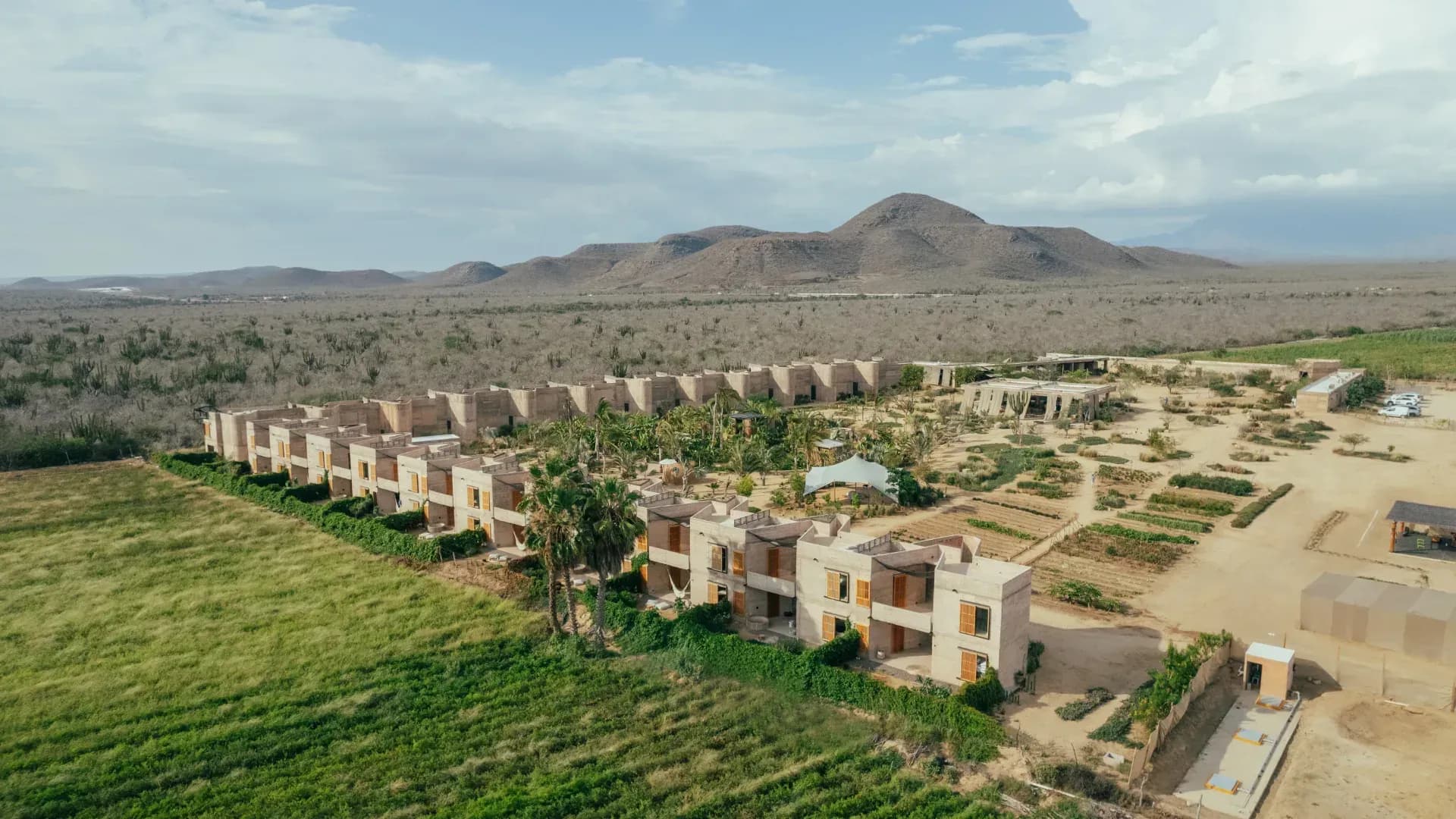
Some of the most important decisions a company makes don't happen in the usual office setting but somewhere removed from daily distractions. When senior leaders step away from their day-to-day and into a space designed for reflection and renewal, everything changes. Clear thinking returns. Relationships grow stronger. Strategy becomes sharper. But the impact depends heavily on location. A poor venue can make a tired leadership team feel like they're just at another meeting with nicer views. The right retreat venue for executives sets the stage for real breakthroughs, creating the right mental and physical space.
This guide is for HR leads, event planners, and company decision-makers looking to pick the best spot for renewal. It covers destination highlights, what separates ordinary retreats from game-changing ones, and common mistakes that can reduce the value of even the best-funded offsites.
Why Choosing the Venue Matters as Much as the Agenda
Many groups spend a lot of time perfecting the retreat schedule but give little thought to the venue beyond basic logistics. This flips priorities and wastes opportunity. The place where leaders gather affects their mood, energy, and ultimately the quality of decisions. Research in environmental psychology backs this up: surroundings influence how we think, and executives are no different.
Choosing an executive offsite venue is a strategic move, not just a checklist item. It sends a message about how seriously a company treats its people. A generic conference center signals routine; a thoughtfully picked venue in an inspiring place shows commitment to renewal. Teams returning from well-chosen retreats bring back stronger trust and fresh ideas-both key to sustained leadership success.
The Environmental Design Principle
One way to pick a venue is the Environmental Design Principle: the location should offer sensory contrast, operational comfort, and spaces that encourage collaboration. Sensory contrast means the setting feels really different from the office, helping the brain switch gears. Operational comfort means good service and smooth logistics so leaders stay focused. Collaborative spaces mean the venue supports formal sessions and spontaneous chats equally well. When these align, the venue itself helps the retreat succeed.
1. Napa Valley, California
Napa Valley combines focus and relaxation like few places can. Its rolling vineyards offer a natural pace that helps teams slow down and recharge. Resorts like The Estate Yountville provide upscale amenities in a private, peaceful setting. A morning deep in strategy can be followed by an afternoon cycling through vineyards, leading to dinners filled with open, warm conversation.
Napa is great for retreats that want to blend strategic work with top-tier dining. Meals here aren't just food-they're trust-building rituals. Leaders bond over shared experiences in acclaimed restaurants, making Napa a prime choice for corporate retreat planning with a luxury angle.
Best for
Napa fits leadership teams facing big changes like mergers or succession planning. The relaxed vibe encourages honest talk. It's less suited for very large groups, where the intimate wine country feel can get stretched thin.
2. Charleston, South Carolina
Charleston stands out with its mix of rich history, beautiful architecture, and warm Southern charm. It's a great place to rebuild team spirit or celebrate milestones. Waterfront venues along Charleston Harbor offer stunning Atlantic views that help reduce stress and boost openness during meetings.
The city's unique atmosphere, horse-drawn carriages, and vibrant culture create a sense of place that generic resorts lack. Charleston's food scene is both sophisticated and soulful, making shared meals memorable and strengthening team bonds during retreats.
Activities to Support Retreat Goals
A corporate escape retreat in Charleston might include structured workshops in the morning and outings like private boat tours or historic district walks in the afternoon. These shared experiences become reference points that teams revisit long after the retreat ends. Many teams use tools such as ideas for planning meaningful events to weave local culture into their schedule.
3. Denver, Colorado
Denver offers a mix of lively urban energy and easy access to nature, perfect for teams needing a mental reset. The Rocky Mountains backdrop and fresh mountain air contribute to clear thinking and relaxed focus. Activities like hiking, biking, or even group yoga sessions outdoors provide gentle mental breaks that help recharge.
Venues like The Crawford Hotel blend modern meeting spaces with historic character and great local dining. Having everything in one place keeps momentum going without the hassle of traveling between separate locations-important for smooth corporate retreat planning.
Balancing Work and Outdoors
Denver's fun outdoor options can be tempting distractions, so it's important to plan well. A solid agenda with morning strategy sessions followed by afternoon team hikes or brewery tours can strengthen relationships and keep energy high. This balance ensures recreation supports, not replaces, retreat goals.
4. Austin, Texas
Austin shines as a city with both vibrant culture and strong facilities for meetings. Its growth has brought many boutique hotels with spaces designed to inspire. Hotels like The LINE Austin combine style with flexible meeting rooms that encourage creative thinking.
The city's music scene, food trucks, and outdoor spaces bring a dynamic vibe that fuels energy for groups used to office routines. Retreat days might start with a workshop and end with live music or a food tour, each experience enriching the whole retreat.
Why Choose Urban Over Resort?
Not every leadership team benefits from a remote, quiet retreat. For fast-paced sectors like tech or media, a city like Austin keeps conversations grounded and energizes teams with cultural stimulation. This urban pulse is often a better match than isolated resorts.
Avoiding Common Pitfalls in Executive Retreat Planning
- Too many sessions: Crowding the schedule eliminates free time where the most meaningful conversations happen. Leaders often gain insight during informal moments rather than formal keynotes.
- Picking venues by price alone: The cheapest option often fails to deliver the right atmosphere. Choose venues that support your goals first, then manage costs.
- Neglecting how the retreat starts: The initial arrival sets the tone. Treat it as a transition, not just logistics.
- No clear success criteria: Without defined goals, it’s hard to judge impact or improve future retreats.
- Mismatch between venue and retreat purpose: Different goals require different settings. Pick venues in line with the primary objective.
The CLEAR Framework for Venue Alignment
The CLEAR framework helps planners match venue and retreat purpose by looking at five key areas:
- Context: What phase or challenge is the company facing?
- Leadership Needs: Does the team need restoration, stimulation, connection, or focus?
- Environment: Would a city, nature, coast, or quiet rural setting work best?
- Activities: Choose experiences that boost bonding, reflection, or energy.
- Results: Determine how you will measure retreat success.
Example Application
Imagine a media company struggling to align priorities after rapid growth. They need trust-building and strategic clarity. Using CLEAR, a quiet but inspiring setting like Napa Valley suits their needs more than a busy city. Shared activities like cooking classes can create trust. Success might be measured by improved collaboration in following months. Thoughtful frameworks and digital platforms like discover more content on the Naboo blog help make venue choices deliberate rather than accidental.
Measuring Success of Executive Retreats
Retreats shouldn’t be one-off events but part of ongoing leadership development. Good evaluation includes immediate feedback on clarity and energy, tracking follow-through on commitments, and measuring longer-term business outcomes months later. The best retreats balance energizing experiences with clear accountability.
One effective practice is dedicating the last morning to summarizing commitments with clear owners and deadlines, shared soon after with the wider team. This keeps momentum going and builds social accountability without heavy bureaucracy.
What Matters Most in an Executive Offsite Venue
- Privacy: Spaces that allow exclusive use work best. Shared venues with many events dilute focus.
- Natural light and outdoor access: These affect mood and creativity, so windowless rooms should be avoided.
- Proactive service: A well-staffed team who solves issues before they arise preserves focus.
- Flexible spaces: The venue should accommodate plenary talks, breakouts, and informal chats comfortably.
- Local experiences: Easy access to enriching activities outside the venue enhances the overall retreat.
FAQs
When should you book the venue?
For popular venues in Napa or Charleston, book 4-6 months ahead for groups of 10+, longer for exclusive buyouts. Early planning avoids availability issues and costs.
What’s the ideal retreat group size?
8-20 participants is ideal for full engagement without losing intimacy. Bigger groups need a conference-style setup, which changes dynamics.
How much free time should be scheduled?
A 60/40 split of structured to free time over 3 days is effective. Unstructured time is where relationships deepen and ideas sink in.
Use an outside facilitator or internal leadership?
External facilitators usually get better results for complex issues, while internal leaders work for celebratory or informational events.
How does Naboo support retreat planning?
Naboo helps teams bring clarity and ease to offsite planning, making it smoother to pick venues, coordinate activities, and manage logistics, especially useful for teams creating or refining their retreat programs.