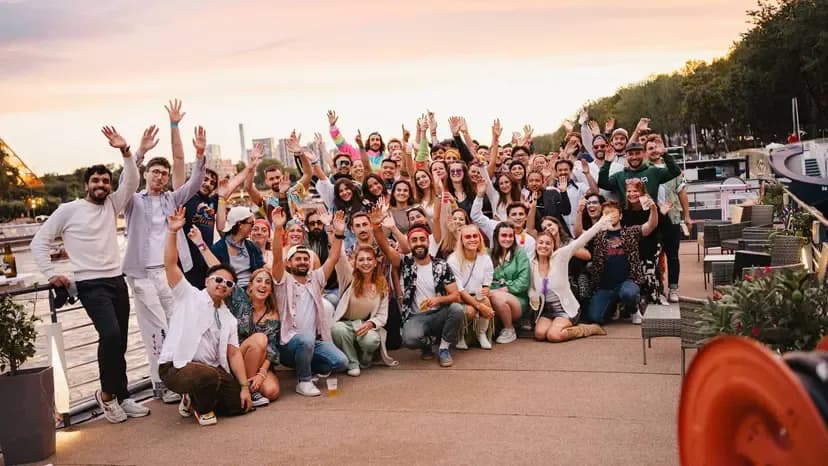
Glamping isn't just for couples or small families seeking a weekend getaway; it has become a top choice for companies hosting large corporate retreats, family reunions, and major milestone celebrations. When planning an event that requires balancing logistical complexity with a genuine connection to nature, choosing a location specifically designed for glamping for big groups is crucial.
This guide provides an expert assessment of what makes a location suitable for handling large capacity and showcases 20 exceptional US destinations that excel at transforming the wilderness into a productive, luxurious, and memorable environment for expansive teams.
Why Glamping Scale Matters for Big Teams
The transition from a traditional hotel conference room to a large glamping site involves more than just a change of scenery. For managers, choosing glamping for big groups serves a strategic purpose: fostering stronger relationships and encouraging creativity through shared novelty and digital detox, all while maintaining high standards of comfort and privacy.
When dealing with 20 or more guests, the key challenge is ensuring that infrastructure supports both communal activities and individual rejuvenation. This means scalable dining facilities, versatile meeting spaces (both indoor and outdoor), reliable energy, and sufficient private accommodation options (tents, cabins, Airstreams). A successful large-group glamping experience relies heavily on operational excellence hidden beneath a rugged, natural facade.
The Naboo Group Venue Matrix
Selecting the perfect glamping destination requires a structured evaluation, particularly when accommodating diverse needs across a sizable team. We introduce the Naboo Group Venue Matrix, a simple framework used to align logistical capacity with experiential goals. This model uses three primary axes: Capacity, Environment, and Functionality.
Practical Considerations of the Matrix
This framework helps organizers move beyond aesthetic appeal and focus on operational realities. For instance, a high-capacity location might fail if its functionality score is low (e.g., poor Wi-Fi or insufficient breakout areas), crippling productivity. Conversely, a location with high functionality but low capacity cannot accommodate glamping for big groups effectively, leading to cramped quarters and inadequate scheduling. If you need more resources for choosing a venue, discover more content on the Naboo blog.
Capacity Rating:
L1 (Small Group, 10-25): Suitable for executive teams; high intimacy.
L2 (Mid-Sized Group, 26-50): Requires dedicated dining and several meeting spots.
L3 (Large Group, 51+): Demands robust infrastructure, redundant power, and scalable food service.
Environment Type:
A: Mountain/Forest: Focus on hiking, challenge, cool temperatures.
B: Desert/Arid: Focus on stargazing, digital detox, extreme temperature swings.
C: Coastal/Lakeside: Focus on water activities, relaxation, seasonal variability.
Functionality (Meeting & Dining):
F1 (Basic): Shared fire pit, simple catering only.
F2 (Standard): Dedicated, climate-controlled meeting tent, flexible dining.
F3 (Premium): Multiple breakout rooms, high-speed Wi-Fi access points, full-service kitchen staff.
Scenario: Applying the Matrix to a Sales Kickoff
A software company is planning its annual Sales Kickoff for 60 attendees (L3 capacity). The goal is high energy, team bonding, and specific training sessions requiring high-definition projection (F3 functionality). Since the event is held in early spring, a temperate environment is preferred, allowing for structured outdoor activities (Environment C, Coastal/Lakeside).
The organizer searches specifically for L3/C/F3 locations. They bypass several stunning desert camps (Environment B) because they lack the necessary climate control and robust internet required for their F3 technical sessions. They select a large glamping resort near Seattle, Washington, that provides multiple fully-equipped meeting domes, ensuring they can host the necessary technical training while leveraging the surrounding coastal environment for morning team-building exercises. This targeted approach ensures the venue meets the mandatory logistical demands of glamping for big groups. For inspiring event ideas, check out our events page.
Avoiding the Common Pitfalls of Large-Scale Glamping
Organizing events at scale inherently presents risks, and glamping introduces unique variables that differ significantly from booking a large hotel block. Ignoring these pitfalls can derail the retreat's purpose.
Mistake 1: Underestimating Power and Connectivity Needs
For large groups, relying on basic campground infrastructure for power is a common error. Laptops, projectors, catering equipment, and lighting require substantial, reliable electricity. Always confirm redundant power sources and dedicated bandwidth for the group, especially if business continuity is required. Assumptions about "lodge Wi-Fi" often lead to disappointment when 50 simultaneous users log on.
Mistake 2: Neglecting Scalable Food Service
Most boutique glamping sites are designed for intimacy, not volume. When hosting glamping for big groups, ensure the site’s kitchen capabilities match the culinary demands. Can they serve three distinct meals per day efficiently? Is there adequate cold storage? If external catering is required, the site must offer suitable prep space and accessible loading zones. A buffet line for 60 people that operates out of a small camp kitchen will quickly lead to bottlenecks and frustration.
Mistake 3: Ignoring Privacy and Noise Separation
While communal fire pits are great, large groups generate significant noise during socializing hours. If tents or cabins are packed too closely, noise bleed becomes a major issue, impacting sleep and retreat satisfaction. Review the site map to confirm adequate spatial separation between accommodations and common areas, ensuring individuals feel they have a true private sanctuary for rest. This is vital for maintaining comfort when engaging in glamping for big groups.
Measuring the Success of Your Group Glamping Experience
The success of a large-group glamping retreat should be measured against the strategic objectives, not simply the attendance rate. Metrics should focus on organizational connection, engagement, and effectiveness.
The Three Pillars of Retreat ROI
1. Connectivity Score (Qualitative):
Immediately after the event, deploy a concise survey asking participants to rate their perceived connection to colleagues and organizational goals on a scale of 1 to 10. Track the average score and look for a statistically significant improvement compared to pre-retreat metrics or previous retreat formats.
2. Engagement in Activities (Quantitative):
Measure participation rates in both mandatory and optional team-building activities (e.g., 90% attendance at the morning hike or 85% participation in the evening activity). High engagement indicates that the unique environment of glamping for big groups successfully motivated interaction.
3. Infrastructure Reliability (Operational):
Log any operational failures (power outages, slow service, Wi-Fi downtime). A high reliability score validates the choice of a large-capacity site and provides a clear benchmark for future bookings. If the infrastructure fails, the luxury component of the glamping experience is lost, regardless of the beautiful setting.
20 Epic US Glamping Retreats for Large Groups
These destinations are recognized regionally for their ability to host significant gatherings, offering a blend of natural immersion and sophisticated infrastructure necessary for successful large-scale glamping for big groups.
Southern Utah Dark Sky Camps near Moab
This region specializes in high-end, structured tent accommodations, set against the stunning Red Rocks landscape. The expansive properties provide incredible opportunities for large team activities like hiking and canyoneering, frequently offering dedicated event structures and full catering to manage large groups.
New York’s Catskill Glamping Villages
Nestled deep in the Catskill Mountains, these glamping resorts combine rugged woodland surroundings with sophisticated accommodation options like modern cabins and Airstreams. Logistics are simplified by proximity to major East Coast airports. They are excellent for groups seeking dedicated conference facilities within a secluded natural setting, often featuring large communal clubhouses.
Southern California Desert Outposts (near Joshua Tree)
Offering vast acreage in Southern California’s arid regions, these locations provide a true escape without extreme travel. The infrastructure often includes spring-fed swimming pools and flexible indoor/outdoor seminar rooms, perfect for accommodating substantial teams. It's ideal for large groups prioritizing both convenience and deep wilderness immersion.
Coastal Farm Stays in the Mid-Atlantic
These locations leverage large working farmlands near the Delaware or Maryland beaches, offering unique accommodation in historic cottages, renovated barns, and specialized bungalows. While often slightly smaller in capacity, they provide high-touch service, farm-to-table dining, and unique team activities like agricultural tours and beach access.
Pacific Northwest Rainforest Lodges (Washington State/Oregon Coast)
Located in Washington or Oregon, these sites prioritize immersion in lush, wet forest environments. They often feature robust, permanent structures built with sustainable materials, offering spacious common areas and private lodging units designed to withstand diverse weather. They blend rugged natural beauty and high-quality, permanent building infrastructure.
Texas Hill Country Glamping Resorts
Known for massive properties and clear skies, glamping operations here scale easily. The available land allows for significant distance between accommodation clusters, which is vital for managing noise in large group settings. Facilities frequently include substantial outdoor kitchens, large event pavilions, and specialized adventure activities like caving or tubing.
Montana’s High-Altitude Camps near Glacier NP
These high-altitude destinations are designed to offer luxury in an extreme environment. The accommodations are durable, high-spec tents or cabins, and the sites often feature large, centralized dining lodges capable of seating dozens of guests comfortably. The expansive, inspirational views are a major draw for large teams seeking a true "incentive trip" feel.
Colorado’s Rocky Mountain Glamping Villages
Perfect for teams seeking high-adventure activity integration, these sites are often near major ski resorts or national forest access points. They are generally large, well-established operations accustomed to hosting corporate clients, providing crucial F3 (Premium Functionality) services necessary for large professional groups.
Maine’s Coastal Wilderness Camps (Acadia Region)
Focused on maritime activities and rugged scenery, these venues offer unique lodging like safari tents and lighthouse cabins. While logistics can be complex due to remote locations, the reward is total isolation and intensive team bonding. They require expert planning but are excellent for L2 and L3 capacity groups prioritizing privacy.
Arizona’s Desert Vistas near the Grand Canyon
Offering dramatic desert vistas, these large resorts often feature semi-permanent structures and ample outdoor gathering spaces like large courtyards and terraces. The sheer scale of the landscape inspires reflection and creativity, making them popular for large executive summits focusing on strategic planning.
Tennessee’s Great Smoky Mountains Cabins
This region specializes in clustered luxury cabin rentals that function like a glamping village, offering the privacy of individual units with centralized event coordination. Large meeting halls and communal fire pits are standard, making the region a dependable choice for southern-based glamping for big groups.
The Wyoming High-Plains Luxury Ranches (Jackson Hole area)
These locations blend authentic ranch experiences with glamping luxury. They offer large capacity through high-end covered wagons, yurts, and luxurious tents. Crucially, they possess vast open spaces for large group maneuvers and team-building activities, supervised by professional staff.
Florida’s Everglades Safari Tents
A unique ecological choice, these sites offer covered, elevated accommodation that mitigates environmental challenges. They provide specialized activity access (airboat tours, wildlife observation) and are often built with significant, elevated central dining areas ideal for managing L3 groups efficiently in a challenging environment.
Michigan’s Upper Peninsula Lakeside Resorts
Leveraging the massive freshwater shorelines of the Great Lakes, these glamping resorts provide water-based activities and comfortable, often heated, tents or geodesic domes. They specialize in multi-season operations, ensuring that large groups can book reliably outside the peak summer window.
North Carolina’s Blue Ridge Mountain Yurts (Asheville area)
Known for their vibrant fall colors, these properties feature sturdy yurts and cabins. The infrastructure is often designed to handle corporate events, featuring dedicated indoor meeting rooms and proximity to breweries or local attractions for post-session socializing.
New York’s Adirondack Glamping Villages
Similar to the Catskills, these venues prioritize deep forest integration but often focus on lake access and watersports. They are adept at handling L2 capacity groups, offering sufficient modular meeting spaces that can be combined for larger sessions.
Southern Utah’s Capitol Reef Region Pods
These locations offer unique, futuristic accommodation pods, designed for minimal environmental impact yet maximum luxury. They are often highly sophisticated operations, meeting F3 functionality requirements necessary for modern teams prioritizing connectivity even in remote areas.
The Ozark Mountains (Arkansas/Missouri) Sites
These sites offer great value and significant capacity, specializing in rustic luxury cabins and fully furnished tents situated around central event venues. Their accessibility by car makes them logistically easier for large groups originating from the Midwest.
South Carolina’s Lowcountry Coastal Tents (Charleston area)
Blending historic charm with outdoor living, these sites feature expansive grounds suitable for tent setups, often centered around a historical manor house used for premium dining or meetings. This format works exceptionally well for large groups seeking a sophisticated, unique Southern aesthetic.
Northern California’s Wine Country Tents (Napa/Sonoma)
Located near vineyards, these large sites blend culinary focus with outdoor retreats. They offer permanent, heated luxury tents and often provide access to winery event spaces for formal gatherings, making them a premium, high-functionality choice for L3 glamping for big groups.
Frequently Asked Questions
What is the minimum group size that warrants choosing a dedicated glamping location?
For most operational purposes, a group size exceeding 20 people should opt for a dedicated glamping location designed for scale. Below this threshold, many standard boutique resorts can accommodate the group, but 20+ requires robust logistical infrastructure, scalable dining, and specialized event space management.
How do I ensure reliable Wi-Fi for a large corporate group in a remote glamping setting?
Do not rely on site promises alone. Request a dedicated bandwidth agreement and confirmation of multiple redundant access points distributed across the meeting areas and lodging clusters. The best large-scale glamping sites often use mesh networks or satellite backup systems specifically to handle the demands of glamping for big groups.
What is the primary operational trade-off when selecting a glamping site for 50+ people?
The primary trade-off is often between isolation and accessibility/infrastructure. Highly remote, isolated sites provide the best "digital detox" but typically sacrifice the robustness of F3 functionality (premium Wi-Fi, reliable power, scalable catering). Accessible sites closer to major hubs usually have better infrastructure but offer less extreme wilderness immersion.
Are specialized meeting facilities necessary, or can a large common tent suffice for big groups?
Specialized, climate-controlled meeting facilities (F2 or F3 functionality) are highly recommended for large groups. A common tent is vulnerable to weather, noise, and temperature fluctuations, which can severely disrupt professional sessions and make technical presentations impossible. Dedicated spaces ensure productivity remains high.
How far in advance should we book a glamping retreat for a group of 40 or more?
Due to the limited availability of high-capacity, high-functionality glamping sites, organizations should aim to book retreats for glamping for big groups 9 to 12 months in advance, especially if the target dates fall during peak season (spring or fall).