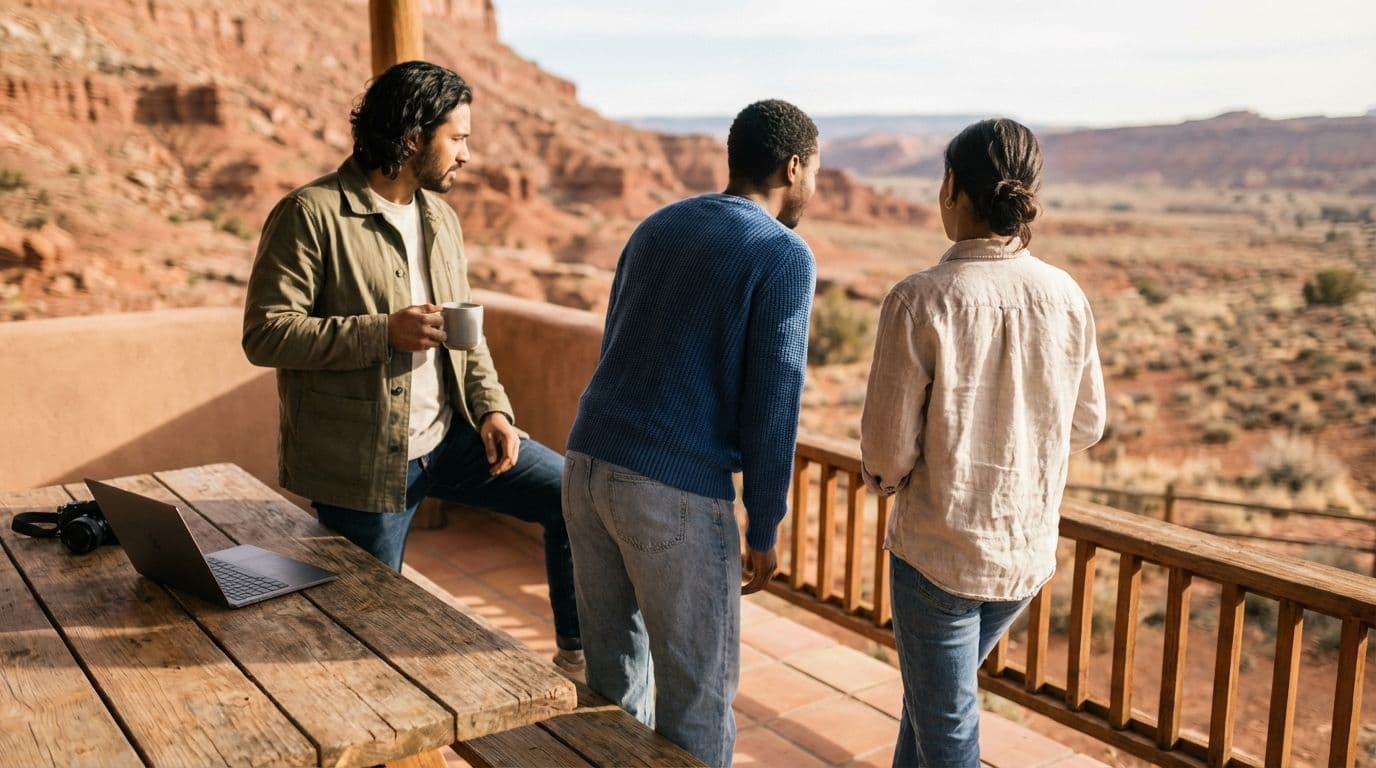
Companies are shifting away from the traditional office model toward intentional team gatherings that actually build connections and alignment. Finding the right corporate retreat venue in Washington State matters even more. The state's geography—from the Pacific coast to the Cascades to the high desert—gives you real options that shape how your team thinks and works.
A change of scenery changes how people problem-solve. Teams that leave their routine and meet at one of Washington's specialized venues return with fresh ideas and stronger alignment. This guide covers 15 venues that work for different retreat goals and team sizes.
Choosing the Right Environment
Match your goals to your setting. A high-stakes strategy session needs isolation and minimal distractions. A merger integration needs a livelier environment that naturally breaks down barriers. Once you know what you actually need from the offsite, picking from Washington's offsite meeting locations becomes straightforward.
Matching Goals to Locations
Finishing a three-year roadmap calls for a remote location. Bringing two departments together after a reorganization benefits from an urban setting. Different venues serve different purposes.
1. Suncadia Resort
Suncadia sits in the Cascades and handles large groups—hundreds if needed—without feeling corporate. You get modern conference space, outdoor activities like hiking and fly fishing, and the ability to pivot between focused work and team engagement. It's close enough to Seattle to be convenient but far enough to feel like an actual getaway.
Washington State's top corporate retreat venues span diverse settings, each with distinct advantages for team size, location type, and budget.
| Venue Type | Ideal Group Size | Location Region | Average Cost per Person | Best For |
|---|---|---|---|---|
| Mountain Lodge Retreat | 20–150 people | Cascade Range | $150–$300 | Teams seeking outdoor activities, hiking, and nature immersion |
| Coastal Resort | 50–250 people | Pacific Coast | $180–$350 | Large groups needing comprehensive amenities and beach-based activities |
| Wine Country Estate | 15–80 people | Walla Walla Valley | $120–$280 | Smaller, upscale teams focused on networking and tasting experiences |
| Urban Conference Center | 30–500 people | Seattle or Spokane | $100–$200 | Companies prioritizing accessibility, tech infrastructure, and quick logistics |
| High Desert Ranch | 25–120 people | Eastern Washington | $110–$240 | Teams wanting unique scenery, equestrian activities, and team-building exercises |
| Waterfront Event Space | 40–200 people | Puget Sound Area | $140–$290 | Mid-sized groups seeking scenic water views with flexible event layouts |
Matching your group size and budget to the right venue type ensures your Washington State retreat delivers both meaningful connection and strong return on investment.
2. Salish Lodge and Spa
Salish perches above Snoqualmie Falls. The location works for leadership groups that need privacy and a natural backdrop that encourages bigger thinking. Professional event space, current tech, and genuine quiet make it effective for high-level brainstorming sessions.
3. Roche Harbor Resort
Roche Harbor on San Juan Island requires a ferry or seaplane, which itself creates a sense of actual escape. The island pace works well for deep discussions about company culture. Accommodations range from historic rooms to private cottages, so you can scale the experience to your group size and budget.
4. Cave B Resort
Cave B sits on the Columbia River Gorge cliffs—a desert landscape that feels completely different from Western Washington's green. Tech and creative teams benefit from the deliberate disconnection. The clifftop rooms and yurts create an environment that people remember and talk about months later.
5. Alderbrook Resort and Spa
Alderbrook fronts the Hood Canal and works well for wellness-focused retreats. Kayaking and oyster harvesting are built-in activities. The layout naturally encourages people to interact between sessions, and the waterfront event spaces with natural light support focused work.
6. Sun Mountain Lodge
Sun Mountain overlooks the Methow Valley with over 3,000 acres of trails. This is where you go to actually unplug. Rustic but upscale accommodations and genuine quiet tend to unlock better communication during workshops and planning sessions.
7. The Posthotel Leavenworth
The Posthotel is adult-only and exclusive—built for small executive teams that need to focus. The spa is part of the package. While Leavenworth itself runs touristy, The Posthotel operates as its own sanctuary.
8. Willows Lodge
Willows sits in Woodinville wine country, close enough for a day trip from Seattle or Bellevue but distant enough to feel separate. The gardens work for shorter retreats. The kitchen is a real draw—good food builds trust among teams faster than almost anything else.
9. Cedarbrook Lodge
Cedarbrook is near SeaTac airport but sits on 18 acres of wetlands. Event spaces are built for actual work, with comfortable seating and solid tech. For teams with people flying in from multiple locations, this removes the travel friction without sacrificing the offsite atmosphere.
10. Semiahmoo Resort
Semiahmoo borders Canada and is surrounded by water on three sides. The isolation helps teams stay focused. Beach bonfires and water activities work for larger departments needing both productivity and connection.
11. Inn at Ship Bay
Ship Bay on Orcas Island works for small teams—12 or fewer. The focus on local food and sustainable practices aligns with what most modern companies actually value. It delivers authenticity and intimacy at scale.
12. Thompson Seattle
Not every offsite needs to be remote. Thompson Seattle sits near Pike Place Market and offers the opposite experience—urban energy, rooftop bars, access to Seattle's restaurants and nightlife. It works for teams that want work and reward stacked into the same trip.
13. Sleeping Lady Mountain Resort
Sleeping Lady sits just outside Leavenworth and was designed specifically to encourage unexpected interaction. No TVs in rooms. Everyone eats communally. The cluster layout breaks down departmental silos faster than most formal team-building activities.
14. The Woodmark Hotel
The Woodmark is the only luxury hotel directly on Lake Washington. You get waterfront quiet with city access. Boat tours work well for team activities, and the event spaces overlook the water.
15. Iron Springs Resort
Iron Springs on the coast offers real isolation. Individual cabins provide the comfort of a home base. The ocean backdrop works particularly well for retreats involving major company transitions.
Measuring the Success of Your Offsite
Define success before you arrive. Are you tracking better understanding of company goals? Stronger cross-team relationships? Progress on specific projects? Success six months later—when ideas from the offsite are still driving work—is the actual metric.
Common Mistakes to Avoid
Don't overschedule. Real breakthroughs happen during free time, not back-to-back sessions. People get tired, ideas thin out, and connection gets harder.
Match the venue to the actual goal. A team that needs rest and reflection shouldn't go to a busy urban hotel. A team that needs energy shouldn't go to an isolated cabin with spotty internet. The mismatch between venue energy and team need is the most common planning error.
Planning Your Retreat Timeline and Budget
Timing and budget are the two forces that shape every successful retreat. Washington State venues operate across different seasons, each offering distinct advantages. Summer retreats benefit from ideal weather and outdoor activities, but they require booking 6–9 months in advance and come with premium pricing. Spring and fall provide moderate costs, shorter booking windows, and comfortable temperatures for both indoor and outdoor programming. Winter retreats at mountain venues create a focused, distraction-free environment—ideal for strategy sessions—though weather can impact travel plans.
Your budget should account for more than just venue rental. Most teams underestimate the true cost of a retreat by overlooking transportation, meals, activities, and staff time. A realistic breakdown typically looks like this: venue (30–40 percent), food and beverage (25–35 percent), transportation (15–20 percent), and programming or activities (10–20 percent). Understanding these allocations helps you choose venues that align with your financial reality rather than discovering hidden costs after booking.
Booking strategy matters significantly. Early booking—at least 4–6 months ahead for popular venues—locks in better rates and gives you flexibility on dates. Mid-range booking windows (2–4 months out) work if you're flexible on dates or targeting shoulder seasons. Last-minute bookings sometimes yield discounts at underbooked venues, but they limit your options and create unnecessary stress.
Consider establishing a retreat committee within your organization to handle planning. Assign clear owners for budget, logistics, and programming. This distributed responsibility prevents retreat planning from consuming one person's calendar and ensures decisions reflect multiple perspectives. Most successful corporate retreats spend 8–12 weeks in active planning mode, with a dedicated coordinator managing timelines, vendor communications, and logistics details.
Frequently Asked Questions
What is the best time of year to book group retreat locations in Washington State?
Summer has the best weather. Spring and fall offer better availability and lower rates. Winter works at mountain resorts like Suncadia if snow appeals to your group.
How far in advance should we book corporate retreats in Washington State?
Book 9–12 months out for 2026. Island and mountain venues fill fast, especially for June and September dates.
Can these offsite meeting locations in Washington handle hybrid teams?
Yes. Most venues now have high-speed internet and video conferencing tools, so remote team members can join sessions even if they're not on-site.
What are the best team building retreats in WA for tech teams?
Tech teams typically respond to retreats built around problem-solving or outdoor navigation activities. Alderbrook and Cave B have the space and activity variety that these teams expect.
Do luxury group retreats in Washington State help with keeping employees?
Investing in a quality retreat signals that you value your team's time. It shows commitment and tends to increase retention.