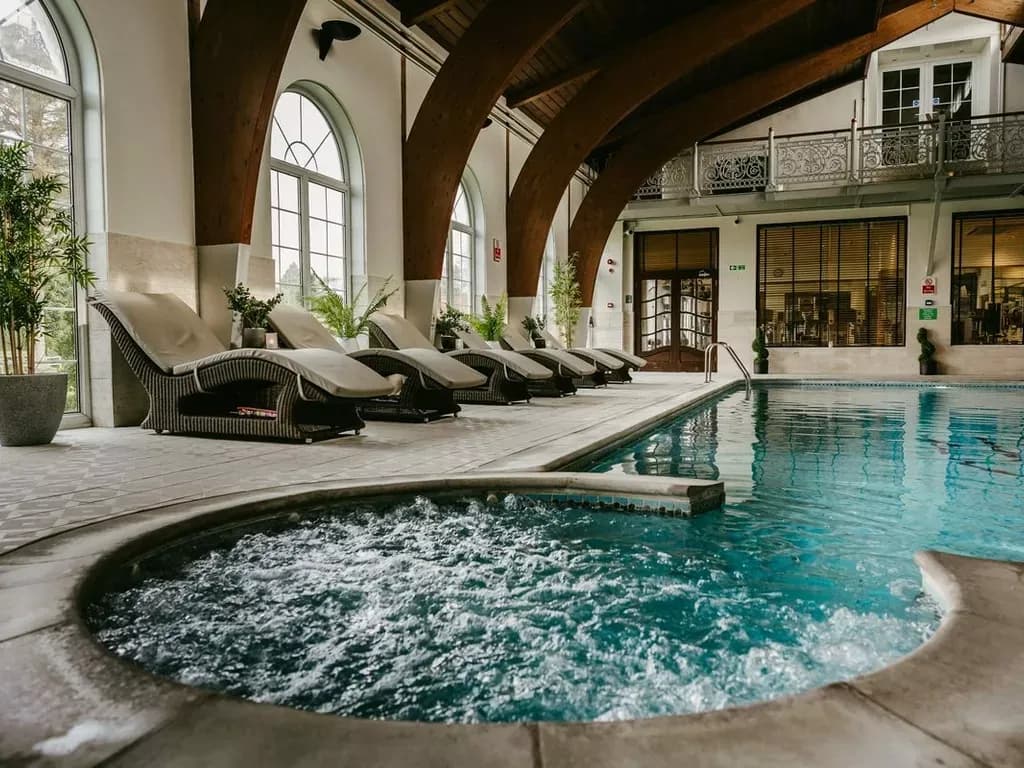
Indoor team building works because the room is under your control. No weather delays, fewer moving parts, and a better chance that people actually participate. The strongest indoor corporate event ideas do more than fill an afternoon. They solve a real need, whether that is better communication, sharper decision-making, or simply giving colleagues a reason to know one another.
This list keeps the original options, but puts them in a cleaner order so planners can scan fast and choose with intent.
Key takeaways
- Choose an activity that matches a real business goal, not just a calendar gap.
- Match the format to the group, especially if you have introverts, technical teams, or mixed comfort levels.
- Venue fit matters as much as the activity itself. Space, acoustics, accessibility, and power all count.
- Measure more than attendance. Look for behavior changes, feedback, and follow-through after the event.
| Event Format | Ideal Group Size | Budget per Person | Duration | Engagement Level | Best For |
|---|---|---|---|---|---|
| Escape Room Challenge | 6-12 people | $25: $40 | 60-90 minutes | High | Problem-solving and cross-functional bonding |
| Cooking Class Workshop | 10-30 people | $45: $75 | 2-3 hours | High | Collaboration and informal networking |
| Trivia or Jeopardy Competition | 20-200 people | $10: $25 | 1.5-2 hours | Medium | Large groups and department-wide events |
| Improv or Comedy Workshop | 15-50 people | $30: $60 | 1.5-2 hours | High | Breaking tension and building confidence |
| Indoor Scavenger Hunt | 8-100 people | $5: $20 | 1-2 hours | Medium: High | Flexible sizing and budget-conscious teams |
| Virtual Hackathon or Design Sprint | 10-50 people | $15: $35 | 3-4 hours | High | Remote and hybrid teams seeking innovation |
1. Strategic crisis simulation
Strategic crisis simulation works when you want people to make decisions under pressure and explain them clearly. Teams step into a realistic scenario such as a PR issue, product launch constraint, or budget crunch, then divide roles and work with limited resources. The value is in the debrief. A strong facilitator helps the group see how it communicated, who led, and where assumptions shaped the outcome.
2. Competitive team culinary challenge
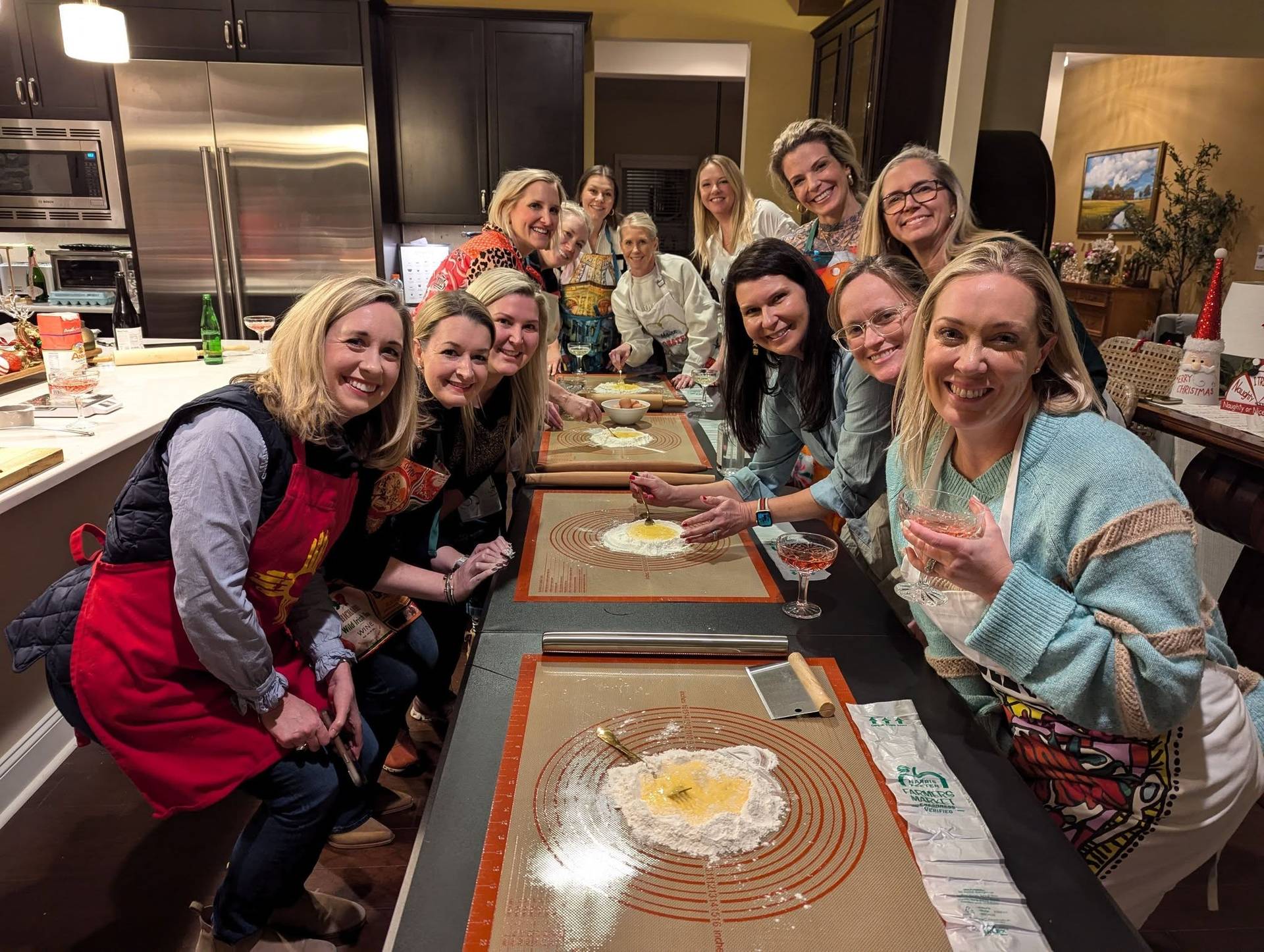
A competitive team culinary challenge gives people a deadline, a set of ingredients, and a reason to coordinate quickly. It is not a casual cooking class. Teams need to delegate, manage time, and improvise while working in a professional kitchen or event space. The shared meal at the end matters too. It turns the exercise into a social moment, not just a contest.
3. Immersive narrative mystery game
An immersive narrative mystery game suits groups that like layered problem-solving. Teams work through a fictional crime using actors, props, and clues placed around the space. The format rewards lateral thinking and careful questioning, not speed alone. It is especially useful for analytical teams that already enjoy puzzles, because it asks them to challenge assumptions and compare evidence before they commit to an answer.
4. Collaborative large-scale art installation
A collaborative large-scale art installation gives each group a visible role in one finished piece. Teams create separate sections of a mural or sculpture without seeing the full design until the end. That structure makes shared vision concrete. It also works well when you want a result people can point to later. The finished piece becomes a reminder of what the group built together.
5. Structured professional development workshop series
A structured professional development workshop series is the right choice when the event should build a skill people will use later. Negotiation, presentation, and data visualization all fit here. The strongest versions include hands-on practice, peer feedback, and visible leadership support after the session. That combination keeps the event from feeling like a lecture and ties it to actual work.
6. Hands-on mixology or barista training
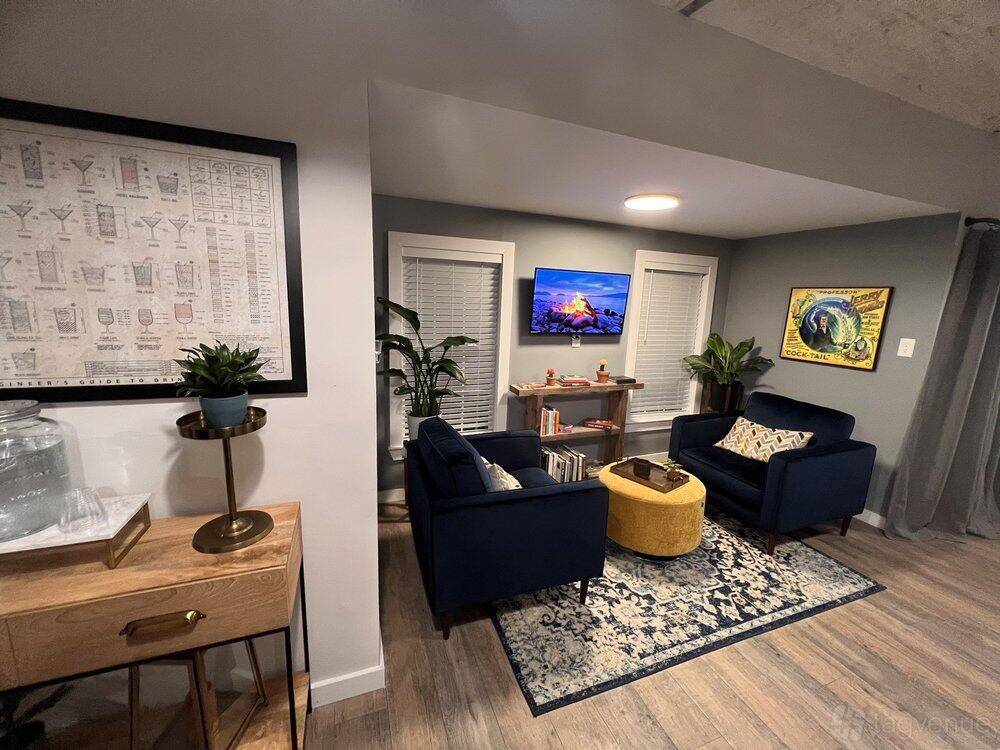
Hands-on mixology or barista training works because it is social, precise, and easy to join without much pressure. People learn a craft, follow clear steps, and get a quick sense of accomplishment. It also helps break down silos, since colleagues who do not usually work together can share the same counter and compare results. The format feels polished without being formal.
7. High-energy quickfire team gauntlet
A high-energy quickfire team gauntlet is built for momentum. Teams rotate through one-minute challenges using basic office supplies, which forces fast communication and quick adjustment. It is useful when you need to wake up a long meeting or give a large group a shared burst of energy. The point is not perfection. It is learning to stay engaged when the pace changes.
8. Cultural exchange and storytelling lunch
A cultural exchange and storytelling lunch creates room for people to share something personal in a structured way. A dish, a song, a tradition, or a family story can all work if the guidelines are clear and respectful. The format builds inclusion by letting colleagues hear one another in a setting that feels human, not performative. It works best when the tone stays thoughtful and professional.
9. Guided corporate wellness and mindfulness session
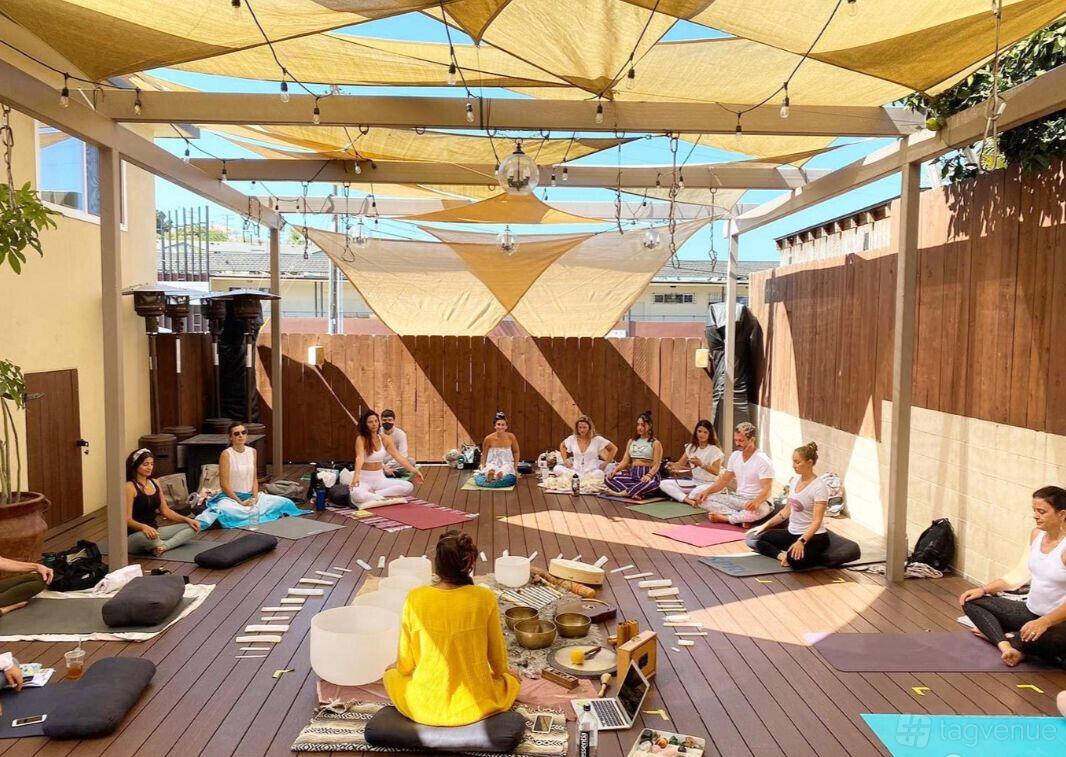
A guided corporate wellness and mindfulness session is a practical option when the goal is to lower tension and give people a reset. Chair yoga, stretching, breathwork, and guided meditation all fit the format. It only needs a quiet room and a clear facilitator. Because the activity is low-pressure and inclusive, it can work for mixed groups without asking anyone to perform.
10. Charitable assembly project
A charitable assembly project gives the team a shared task with a clear purpose. Groups assemble hygiene kits, school supplies, or similar care packages and then donate them. The appeal is simple: people can see the result of their effort right away. It is especially effective when you want the event to feel grounded in service rather than internal competition.
11. Structured indoor ropes course or bouldering
A structured indoor ropes course or bouldering session is for teams that want trust to feel physical. Dedicated indoor facilities create challenges that require spotting, belaying, and clear communication. That makes reliance on teammates impossible to fake. It is a stronger fit for groups that want intensity and accountability, though it usually takes more budget and planning than lighter formats.
12. Organizational history and vision scavenger hunt
An organizational history and vision scavenger hunt turns company milestones into clues. Teams move through the office or event space solving puzzles tied to values, strategy, or key moments in the business story. It works because people learn while they play. The format reinforces internal knowledge and culture without sounding like a presentation, which makes the information easier to remember.
13. Interactive improvisation and communication training
Interactive improvisation and communication training helps teams practice listening, acceptance, and fast collaboration. An acting coach can guide exercises that push people to build on one another's ideas instead of shutting them down. The familiar "Yes, and..." principle is useful because it maps directly to real workplace behavior. It is a strong option when the goal is adaptability, not just entertainment.
14. Technology-driven virtual reality team quest
A technology-driven virtual reality team quest gives the group a shared problem in a digital environment. Teams use VR headsets to solve spatial challenges, divide tasks, and communicate while working through a new kind of space. It is a natural fit for tech teams, but the format can work for other groups too if the setup is smooth and the instructions are clear.
15. Hosted private karaoke room night
A hosted private karaoke room night is about social connection more than performance. The private setting lowers the pressure and gives people room to be playful without a public audience. That matters because the event works by softening professional barriers. Singing together can feel awkward at first, then surprisingly easy once the room settles into it. The result is usually a more relaxed group dynamic.
16. Creative pottery and sculpture class
A creative pottery and sculpture class gives people a tactile, focused activity that does not depend on being outgoing. Working with clay encourages concentration and creates natural conversation while hands stay busy. It is a good fit for smaller groups and for staff who prefer quieter settings. The finished pieces also give the event a physical memory, which helps it linger after the day ends.
17. Indoor competitive sports league kick-off
An indoor competitive sports league kick-off works when you want the event to launch something ongoing. Foosball, ping pong, darts, or volleyball can all serve as the starting point for a longer office league. The kickoff introduces the rules, gets people into teams, and builds interest with a demonstration match. It is less about one night and more about creating a social habit.
18. DIY customized crafting workshop
A DIY customized crafting workshop gives people something personal to make and take home. Scented candles, jewelry, and leather goods all fit the format, as long as the activity is simple enough for the group to finish with confidence. It is relaxing, tactile, and easy to enjoy without much pressure. For planners, the appeal is that the result leaves the room with the participant.
19. Team-based negotiation and resource allocation game
A team-based negotiation and resource allocation game is useful when you want departments to understand tradeoffs. Each group represents a function competing for limited budget, time, or talent, so success depends on priorities and internal negotiation. The exercise works because it mirrors real workplace tension in a controlled setting. It can reveal how teams think about scarcity, not just how they talk about it.
20. Peer-to-peer ignite session for skill sharing
A peer-to-peer ignite session for skill sharing lets employees teach one another in short, focused talks. Five-minute presentations on professional or personal topics give people a chance to share expertise and build confidence at the same time. It also helps colleagues see sides of one another they may never notice in day-to-day work. The format is simple, but the effect can be surprisingly strong.
Common pitfalls in executing indoor events
The strongest indoor programs fail when the planning misses the human side. Introverts can feel exposed if every activity requires public performance, so it helps to offer quieter roles such as scorekeeper, videographer, or logistics support. People also need context. If they do not know why they are there, the event feels like a waste of time. And the venue has to fit the activity. A cramped room, poor ventilation, or weak acoustics can undo a good idea fast.
How do you measure success beyond attendance?
Attendance alone does not tell you whether the event worked. Look for behavior changes after the fact, such as more cross-department collaboration or fewer communication issues. Short post-event surveys can capture how prepared people feel to apply what they learned. Over time, retention and morale data can also show whether these gatherings are supporting the culture you want to build. The point is to connect the event to real outcomes, not just a headcount.
How do you choose the right venue for an indoor team building event?
The right venue supports the activity instead of fighting it. Start with team size, accessibility, and the format you chose. Then check the basics: parking, public transit access, ADA compliance, audio-visual equipment, breakout rooms, catering, and climate control. A site visit at the same time of day as the event helps you judge lighting, acoustics, and traffic flow. Good venues also offer flexible room setups and backup plans.
How Naboo helps you book indoor corporate event ideas
Every venue here is bookable through Naboo, the corporate event platform. You send one brief, then compare proposals from a network of 170,000+ venues and suppliers, with transparent quotes side by side. A dedicated event manager handles sourcing, contracting and on-site logistics, so the planning stays in one place instead of scattered emails and spreadsheets.
Teams that run events on Naboo save up to 15% on average, and the platform has managed €500M+ in event procurement. You get AI venue suggestions matched to your brief, standardized proposal comparison, and real-time tracking through the event app.
Frequently asked questions
What is the most inclusive type of indoor event idea?
Creative contribution or philanthropic activities are usually the most inclusive because people can add value in different ways. Art installations and charitable projects work well for that reason.
How do we ensure participation in mandatory indoor events?
Connect the event to real professional development or strategic goals, and have visible leadership take part. When people understand the purpose and see leaders engaged, participation feels more meaningful.
Are competitive indoor events good for team building?
Yes, when the competition is aimed at a shared goal rather than individual bragging rights. A crisis simulation usually builds stronger bonds than isolated contests.
What is the ideal duration for an indoor corporate event?
Ninety minutes to three hours is a strong range. That gives you enough time for the activity and a useful debrief or shared meal without draining the room.
How can we make indoor events effective for remote teams?
Use formats that require real-time collaboration, such as VR team quests or improvisation workshops. A simple video call is not enough for that kind of engagement.