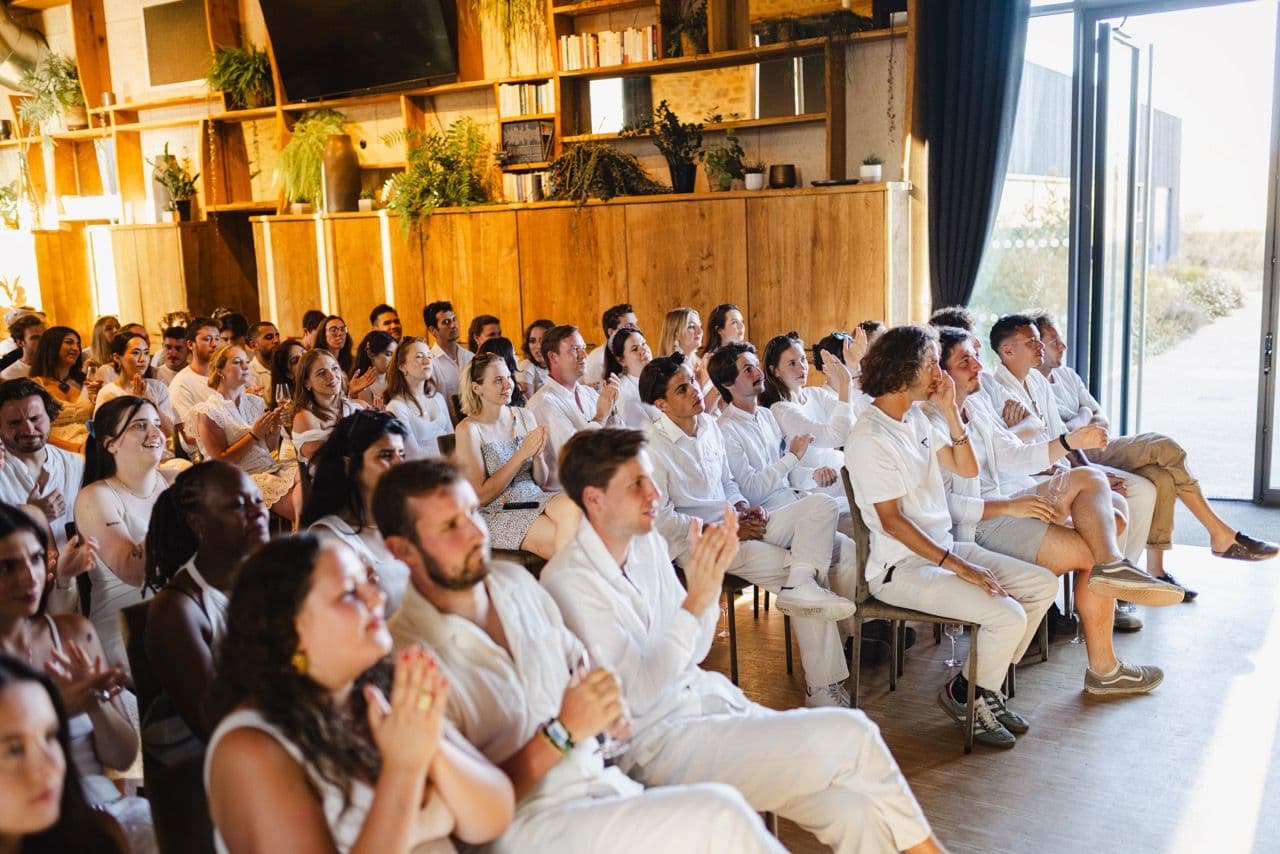
Employee engagement drives organizational success. When teams feel connected, valued, and informed, productivity rises and people stay. The most effective internal event ideas for fostering team engagement require strategy—not just meetings. These opportunities matter for internal comms and reinforce company culture while building real connections.
Quarterly briefings don't cut it anymore. Teams across hybrid and remote models need consistent, deliberate interaction to stay cohesive. Here are 15 actionable internal event ideas to strengthen workplace culture and improve your employee engagement events strategy.
The Strategic Value of Creative Internal Communications
Before planning an event, define its purpose. Is the goal recognition, training, connection, or morale? Aligning format with organizational values ensures your internal comms events deliver results.
Use the "Three Pillars of Planning" to evaluate where event spending creates impact:
- Purpose: What specific outcome does this event achieve? (Improve cross-departmental understanding, recognize high performance).
- Participation: What format maximizes inclusive participation, including hybrid attendees? (Interactive workshops work better than passive webinars).
- Perception: How will attendees feel afterward, and does that reinforce company values? (Inspired, valued, connected).
1. Skill-Swap Lunch & Learn Workshops
Replace external speakers with employees teaching peers skills outside their job description. This surfaces hidden talent and fosters peer mentorship. Topics could range from "Mastering Excel Pivot Tables" to "Introduction to Digital Illustration."
Here's a breakdown of popular internal event formats matched to engagement goals and budget.
| Event Format | Ideal Team Size | Cost per Person | Duration | Engagement Impact | Best For |
|---|---|---|---|---|---|
| Town Hall Meeting | 50–500 people | $5–$15 | 1–2 hours | Moderate | Company-wide updates, leadership visibility |
| Team Lunch or Breakfast | 10–50 people | $12–$25 | 1–1.5 hours | High | Informal bonding, departmental connection |
| Volunteer or Service Day | 20–200 people | $10–$30 | 4–8 hours | Very High | Purpose-driven teams, culture reinforcement |
| Workshop or Skill-Building Session | 15–100 people | $20–$50 | 2–4 hours | High | Professional development, cross-functional learning |
| Virtual Social Event (Game, Quiz, Trivia) | 10–300 people | $2–$10 | 1–2 hours | Moderate to High | Remote teams, budget-conscious initiatives |
| Off-Site Retreat or Conference | 30–200 people | $150–$500 | 1–3 days | Very High | Strategic planning, deep team bonding |
| Recognition or Awards Ceremony | 50–300 people | $8–$20 | 1–2 hours | High | Celebrating wins, reinforcing company values |
Smaller, frequent touchpoints build momentum as effectively as larger annual retreats.
Practical Consideration: Use sign-up sheets to guarantee minimum attendance and offer incentives—like catering from a local favorite—to the employee leading the session. This champions internal expertise and promotes peer learning.
2. The Internal Innovation Challenge Series
Run a structured competition where multidisciplinary teams brainstorm solutions to internal operational challenges (optimizing supply ordering, simplifying a non-essential process). Teams present "Shark Tank" style to leadership, giving staff ownership over real improvements while demonstrating the value of internal comms for surfacing ideas.
3. Departmental Switch-Up Day
Have employees shadow someone in a different department for two hours. Marketing shadows Finance. Engineering shadows Sales. This breaks operational silos, improves empathy, and directly benefits future cross-functional collaboration.
4. Executive "Ask Me Anything" (AMA) Sessions
Host informal sessions where senior leaders answer unfiltered, anonymous questions. Keep it candid and conversational—move beyond prepared remarks. This transparency builds trust and enables genuine workplace communication events.
5. Wellness Week Retreat & Mental Health Focus
Dedicate a week to well-being with lunchtime yoga, guided meditation, nutrition seminars, or ergonomic consultations. For remote teams, offer subsidized mental health apps or virtual coaching. This signals that the organization values health.
6. Global Cultural Heritage Showcase
For diverse teams, designate a day to celebrate represented cultures. Employees share traditional foods, music, clothing, or short presentations about their heritage. This promotes inclusivity and deepens connection.
7. Peer-Nominated Recognition Gala
Host a formal ceremony celebrating employee achievements through peer-to-peer nominations—not just manager awards. High production value makes staff feel genuinely seen and reinforces the value of employee recognition events. Use it for high-impact internal communications regarding annual achievements.
8. Team Building Scavenger Hunt Adventures
Organize off-site or on-site scavenger hunts requiring teams to solve puzzles under pressure. These team building activities for work encourage creative problem-solving and foster camaraderie, especially among new hires.
9. Responsible Volunteering Day
Dedicate a workday to community service—building homes with Habitat for Humanity, cleaning up a park, or serving meals at a local shelter. Collaborating on meaningful work fosters genuine team bonding and reinforces corporate social responsibility values. This generates higher engagement than forced fun activities. To discover more content on the Naboo blog, check out our piece on CSR strategies.
10. The Internal Podcast Series Launch Event
Launch an internally produced podcast featuring interviews with long-serving employees, departmental deep dives, or leadership strategy explanations. The launch event becomes a mixer celebrating hosts and participants, creating valuable creative internal communications content that lives beyond the gathering.
11. Lunchtime E-Sports or Trivia Tournaments
Run a short, high-energy competition during lunch or late afternoon. Trivia contests, virtual racing, or classic video games work. This lighthearted event provides mental breaks and cross-departmental competition.
12. DIY Workshop Series
Host workshops on non-work hobbies: mixology, basic carpentry, watercolor painting, bread baking. Providing a shared activity with tangible output unrelated to work reduces stress and facilitates relaxed interaction.
13. Quarterly Strategy Kickoff Jamboree
Move beyond dull quarterly reviews. Turn the QSKO into an immersive experience where teams cycle through stations focused on product demos, market trends, and goals. Use dynamic speakers and visual presentations to ensure strategic internal comms is absorbed. For more inspiring event ideas for your next internal gathering, read our planning guides.
14. "Bring Your Pet to Work" Day
Allow employees to bring supervised pets into the office for a few hours. Instant conversation starters boost office mood. This low-cost approach supports company culture events that value the whole employee.
15. Reverse Mentorship Program Mixer
Have junior staff mentor senior leaders on new social media trends, emerging technology, or generational workplace perspectives. Host a formal mixer to kick off pairings and facilitate connections, highlighting the importance of multidirectional workplace communication events.
Avoiding Common Pitfalls in Employee Engagement Events
One mistake: assuming one-size-fits-all programming works. Successful internal corporate events are voluntary and meaningful, not mandatory and generic.
Another: the "Remote Overlook." When planning hybrid events, organizers prioritize the in-person experience, leaving remote attendees as passive viewers. Design dual experiences where remote participants have dedicated interactive roles, breakout sessions, and real-time polling.
A third: absent executive visibility. If senior leadership appears for five minutes then leaves, the event signals low priority. Leaders must actively participate in team building activities for work and social components.
Evaluating Success: Measuring Employee Engagement Events ROI
Measuring return on internal event ideas goes beyond attendance. True value is found in impact on culture, retention, and productivity.
Use the "Impact Assessment Loop" for continuous improvement:
- Immediate Feedback: Use short, anonymized pulse surveys directly after the event (e.g., "On a scale of 1-10, how valued do you feel?").
- Behavioral Change: Track measurable outcomes related to the event's purpose (e.g., track increases in inter-departmental project submissions or emails).
- Cultural Metrics: Monitor long-term indicators such as employee Net Promoter Scores (eNPS), staff retention rates, and frequency of voluntary internal submissions for employee recognition events.
- Qualitative Review: Hold post-event debriefs with diverse participants to capture feedback on the effectiveness of creative internal communications.
Consistently applying the Impact Assessment Loop demonstrates that investing in strategic internal communications directly contributes to sustained business health and employee morale.
Measuring the ROI of Internal Events on Team Engagement
Creating compelling internal event ideas is half the battle—measuring their impact on team engagement is equally critical. Organizations that track outcomes gain valuable insights into what resonates with their workforce and where to invest resources.
Start by establishing baseline engagement metrics before the event. Survey employees on connection, understanding of company direction, and job satisfaction. After the event, conduct follow-up assessments using the same questions to measure shifts. Track attendance rates, participation during interactive segments, and post-event engagement. These data points provide concrete evidence.
Consider these practical measurement approaches:
- Pulse surveys administered immediately after events capture fresh feedback
- Retention metrics tracked over following months reveal whether events impact employee tenure
- Internal communication metrics such as increased intranet visits, newsletter open rates, or discussion forum activity indicate sustained engagement
- Voluntary feedback sessions with department representatives provide qualitative insights
The most sophisticated organizations connect event attendance directly to business outcomes like productivity improvements, reduced turnover costs, and enhanced collaboration scores. This clear ROI connection allows leaders to confidently expand internal event programs and allocate budgets strategically to initiatives that move the needle on organizational performance.
Frequently Asked Questions
What is the primary goal of modern internal event ideas?
Foster meaningful connections, ensure clear communication across the organization, reinforce core company values, and increase retention and productivity by boosting employee morale and engagement.
How can we make hybrid internal corporate events inclusive for remote attendees?
Structure the event with dedicated interactive elements for remote participants: separate virtual breakout rooms, moderator-led Q&A focused on virtual input, and gamification that includes both physical and virtual scoring.
What is the recommended frequency for high-impact internal communications?
While formal events like strategy kickoffs might be quarterly, workplace communication events should be smaller and more frequent—perhaps weekly or bi-weekly. Consistent, brief interactions maintain momentum better than infrequent, large-scale functions.
How do we measure the success of team building activities for work?
Track participation rates, gather immediate feedback on perceived value, and monitor changes in team cohesion metrics such as decreased silo behaviors or increased cross-departmental collaboration on subsequent projects.
Should all employee recognition events be formal and awards-based?
No. Formal galas serve a purpose, but frequent, informal acknowledgment—shout-outs during weekly meetings or small surprise experiences—is essential for daily motivation and contributes significantly to overall positive employee engagement events.