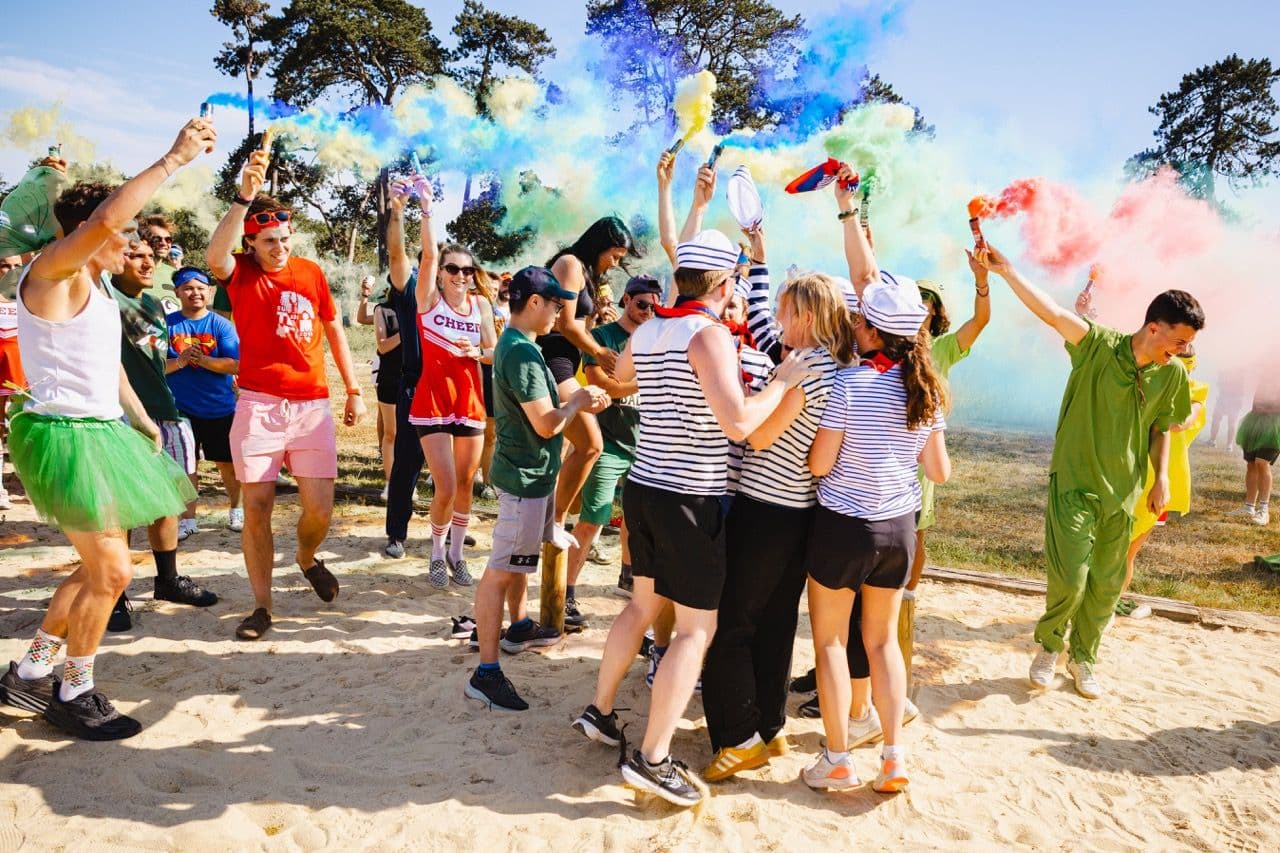
May is the perfect time for managers to roll out May engagement activities that capitalize on seasonal momentum. The weather shifts—longer days, actual warmth—and that changes what's possible for team building. This window matters because it's the last clear stretch before summer chaos hits and people start checking out mentally.
Pick activities that match what your team actually needs right now. May's calendar has natural hooks—Mental Health Awareness Month, Memorial Day, Cinco de Mayo—that let you build purpose into the event instead of just renting a bowling alley.
The Core Focus Matrix: Choosing the Right Focus
Match activities to two factors: what kind of engagement you need and how much effort you can actually put in.
Engagement Type: Structured vs. Expressive
- Structured: Problem-solving, competition, skill-building. Logic puzzles, trivia, process work.
- Expressive: Creativity, reflection, wellness. Workshops, recognition, community service.
Resource Investment: Low Effort vs. High Effort
- Low Effort: Minimal planning, low cost, short duration. A 30-minute virtual game. A quick in-office moment.
- High Effort: Real logistics, real budget, significant time commitment. Half-day offsite. Complex competition. Community partnerships.
Plot your actual needs onto this matrix and pick from there.
15 Winning May Team-Building Activity Ideas
1. Worker Appreciation Day Ceremony
Turn an all-hands meeting into something that actually feels like recognition. Use peer-nominated awards that call out specific things—mentoring someone, solving a hard problem, showing up reliably. Stream it virtual or do it in person. Add certificates. Have leadership actually speak to why it matters.
Here's a breakdown of popular May team building activities organized by their logistics, costs, and ideal group sizes to help you choose the right fit for your team.
| Activity Type | Indoor/Outdoor | Cost per Person | Ideal Group Size | Duration | Best For |
|---|---|---|---|---|---|
| Outdoor Scavenger Hunt | Outdoor | $5–$15 | 10–100 people | 2–3 hours | Active teams, competitive spirits |
| Volunteer Service Day | Outdoor | Free–$10 | 8–50 people | 4–6 hours | Purpose-driven teams, community focus |
| Picnic & Lawn Games | Outdoor | $8–$20 | 15–75 people | 3–4 hours | Relaxed bonding, families welcome |
| Indoor Escape Room | Indoor | $20–$35 | 6–15 people | 1–1.5 hours | Problem-solving, smaller tight-knit teams |
| Cooking Class Workshop | Indoor | $30–$60 | 12–40 people | 2–3 hours | Creative collaboration, casual socializing |
| Outdoor Team Sports Tournament | Outdoor | $10–$25 | 20–100 people | 3–4 hours | Fitness-focused, competitive teams |
| Indoor Board Game Night | Indoor | Free–$5 | 8–30 people | 2–3 hours | Budget-conscious, casual teams |
Pick outdoor activities for May's weather. Pick indoor if your team overheats in a crowd.
Why it matters: People stay longer when they feel seen. Recognition tied to actual contribution works better than generic praise.
2. Regional Culinary Exchange Workshop
Have employees teach recipes from their region or background. For remote teams, send meal kits so everyone has the same ingredients. Cook together on video. Eat together (or separately, but at the same time). The teaching part is what builds connection.
3. Star Wars Strategy Scenario Planning
On May the Fourth, frame a real business problem inside Star Wars. Teams play roles—Jedi Strategists, Rebel Engineers—and solve the problem using their framework. Use a virtual whiteboard. Two hours. Forces different departments to use the same language.
4. The Gratitude Chain Initiative
Give people a way to write actual appreciation for colleagues—physical cards or a shared digital board. Link the messages into a visible chain. Display it in the office or compile it. Shift focus from metrics to what people actually do for each other.
5. Outdoor Corporate Wellness Session
Book a park. Hire an instructor for yoga or stretching. Walk-and-talk through the trees. Keep it simple. Make sure it's accessible—not everyone can do intense movement. Not everyone wants to.
6. The Workplace Olympics Mini-Games
Timed competitions. Paper airplane throws. Desk chair relay races. Puzzle builds. Small stakes. Bragging rights. This breaks the routine and forces people to talk quickly under pressure—which is actually useful.
7. Collaborative Pie-Baking Showcase
Run a baking competition. Teams or individuals. Judge on presentation, creativity, taste. For remote teams, run it synchronous—everyone bakes at the same time on video and talks through it. The eating part is the real benefit.
8. Pollinator Habitat Restoration Project
Partner with a local environmental group. Spend half a day planting native species, building bee hotels, clearing invasives. This is real work that matters. People remember it. It connects them to something beyond the company.
9. Sensory Honey Tasting Education
Bring in a local beekeeper or tasting expert. Taste honey from different regions. Learn why it's different. Connect it back to agriculture and regional work. This is a genuine learning experience that people actually enjoy.
10. City Exploration Geocaching Challenge
Teams use GPS and clues to explore a defined area. Find landmarks. Solve local history puzzles. Take photos. Half-day event. Set clear safety guidelines. Have a meeting point for debrief. For more event ideas for teams, check the resource library.
11. Digital Problem-Solving Quest
For remote teams, run a virtual scavenger hunt focused on research and information finding. Teams navigate platforms, solve riddles that require piecing together online information, race to collect virtual items. Virtual escape rooms work well for this.
12. Mental Fitness Micro-Sessions
Offer guided meditation or breathwork twice a week during Mental Health Awareness Month. Keep it to 15-20 minutes. Make it optional. Measure success by participation and feedback, not attendance pressure.
13. Professional Skill Swap Workshop
People teach skills they actually have but aren't work-related. Beginner coding. Calligraphy. Photography. Photography basics. This breaks silos and shows colleagues as full people. Use breakout rooms. Make sure activity leaders have what they need.
14. Remembrance and Unity Service Project
Around Memorial Day, organize volunteer work. Support veterans. Clean a park. Assemble care packages for service members. Write letters. Working together on something meaningful builds trust faster than competition.
15. DIY Floral Artistry and Mindfulness
Provide flower-arranging kits with flowers, clippers, and vases. Walk people through creating arrangements. This is slow work. Tactile. Meditative. People take something home. Material costs are low.
Avoiding Common Pitfalls in May Event Planning
Several mistakes kill team-building efforts:
1. Over-Committing to Themes: You don't need to celebrate every May holiday. Pick one or two that align with what you actually value. Do those well instead of spreading yourself thin.
2. Ignoring Accessibility and Inclusion: Outdoor activities, physical events, food-based events—design for accessibility from the start. Don't add it after. Universal design isn't an afterthought.
3. Failing to Connect Activity to Purpose: People see mandatory fun. If they don't understand why they're doing something beyond "it's fun," they'll resent it. Connect it to a real skill or outcome.
4. Making Participation Mandatory: Forced participation defeats the purpose. Make compelling invitations and keep sessions optional. Voluntary attendance is a better metric than mandated compliance.
Measuring the Impact of Your Team-Building Activity
Measure both immediate reaction and actual behavior change.
Immediate Post-Event Metrics
- Voluntary Participation Rate: What percentage of invited people actually showed up? High numbers mean the event was genuinely appealing.
- Post-Event Survey: Simple anonymous survey. 1-5 scale. Did they find it valuable? Did they see it connect to the job?
- Communication Spikes: Track Slack or email volume in the days after. An increase between departments that worked together suggests actual connection happened.
Longer-Term Behavioral Metrics
- Stress Scores: Compare mental health survey results before and after Mental Health Awareness Month activities. Reduced self-reported stress validates the work.
- Project Handoff Efficiency: Track how smoothly work transfers between teams that participated together. Better handoffs suggest more relational trust.
- Employee Net Promoter Score (eNPS): Monitor eNPS or engagement scores. Meaningful team investments often show movement here.
Scenario: Applying the Core Focus Matrix
A 50-person hybrid marketing and sales company in Washington D.C. struggles with cross-functional friction. They need two things: structured collaboration training and recognition of hard work.
- Structured/High Effort: The company runs the 3. Star Wars Strategy Scenario Planning. Mixed teams from sales and marketing work together for two hours. The structure forces shared language. Friction on joint projects drops.
- Expressive/Low Effort: The company runs the 4. Gratitude Chain Initiative throughout May. A virtual board where people post daily appreciation. Low cost. High emotional impact. Morale visibly shifts.
The matrix kept them from wasting time on irrelevant events. Resources went to the two things that actually mattered.
Why May is the Ideal Month for Team Building: The Science Behind Spring Momentum
May isn't arbitrary. Extended daylight increases serotonin. Warmth increases motivation. This biochemical shift makes big initiatives land better than they would in January or November.
Timing matters too. May sits between spring commitments and summer travel. Unlike March (taxes), April (spring projects), or June (vacation plans), May has actual availability. Teams can fully commit without competing demands.
May's calendar provides genuine anchors. Mental Health Awareness Month. National Service Day. Cultural celebrations. Activities tied to these feel purposeful instead of obligatory.
When planning May initiatives:
- Schedule outdoor activities to capitalize on weather and natural light
- Tie activities to awareness months (mental health, volunteer service) for deeper purpose
- Plan before mid-May to avoid summer travel conflicts
- Extend activities across weeks rather than cramming into one event
Timing Your Activities Around May's Natural Calendar Moments
May gives you built-in opportunities that make engagement feel relevant rather than forced. Mental Health Awareness Month (the entire month), Memorial Day, and Cinco de Mayo aren't just calendar dates—they're real hooks that let your team connect activities to something meaningful. This matters because people show up differently when they understand the "why" behind what you're doing.
Mental Health Awareness Month is your strongest play for May engagement activities. Use it as a legitimate reason to pause typical work rhythms and do something restorative. This could mean hosting a midday walking group, bringing in a mindfulness session, or simply blocking off a team meeting to discuss work-life balance openly. The framing gives permission for conversations that might otherwise feel awkward. People appreciate when their employer acknowledges that mental health is real work—not a side issue.
Memorial Day itself is a natural pause point. Rather than scheduling team activities on the holiday, use the long weekend as context for a pre-holiday activity that honors the occasion. This might be a volunteer service project with a veteran-focused organization, or a team discussion about what the holiday means. Activities tied to actual calendar events tend to have more resonance than random Thursday team building.
- Early May: Lock in Mental Health Awareness activities while the calendar still feels open
- Mid-May: Plan lighter team activities before people mentally check out for the long weekend
- Late May: Schedule post-Memorial Day activities after the break, when people return with renewed energy
The key is treating May's calendar as an asset, not a constraint. When your activities align with what people are already thinking about, engagement naturally increases because the timing feels intentional.
Frequently Asked Questions
What is the most effective type of May team-building activity for remote teams?
Synchronized, high-engagement collaboration works. The Digital Problem-Solving Quest and the Professional Skill Swap Workshop both use digital platforms to build actual personal connection.
How can we ensure our outdoor May activity is accessible to everyone?
Start with universal design. Wheelchair-accessible location. Transportation provided. Minimal physical requirements. Everything should be adaptable.
Should we budget more for cultural celebration events like Cinco de Mayo?
Budget for authenticity, not decoration. Genuinely representative food. Culturally relevant speakers. Support local vendors. Skip the generic décor.
How often should we run activities during Mental Health Awareness Month?
Frequent and short beats large and occasional. Twice-weekly 15-minute sessions make wellness a regular practice instead of a one-time event.
What is the primary benefit of choosing a community service project in May?
Shared purpose builds trust faster than competition. Working together on something that matters outside the company creates deeper connection.