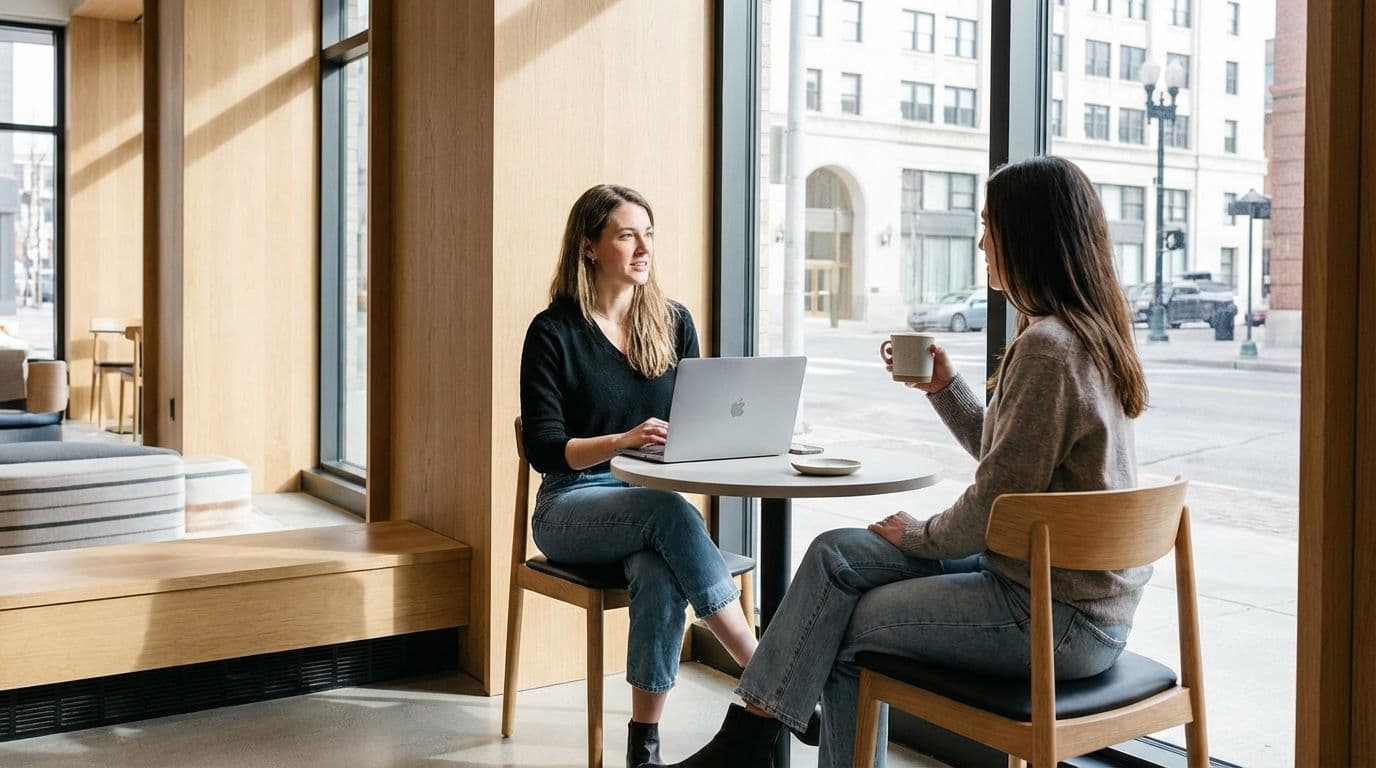
Choosing the right hotel room matters when you're planning a team retreat. Understanding the different types of hotel rooms available changes how well your event actually works. The room setup affects focus, comfort, and how your team interacts. This guide covers the main room types so you can match accommodations to what you actually need.
Room layout and configuration directly impact how your team works together. A poorly designed space creates friction. A good one removes obstacles and lets people focus on the retreat itself.
1. The Single Room
A single room has one queen or king bed for one person. Use these for speakers or executives who need to prep privately. Most hotels equip them with solid Wi-Fi and a functional desk.
2. The Double Room
A double room has one large bed, typically for two people. They work well when you're inviting partners, less so for colleagues sharing space.
Here's a breakdown of the most common hotel room types.
| Room Type | Typical Size | Standard Amenities | Average Price Tier | Best Occasion |
|---|---|---|---|---|
| Single Room | 150–200 sq ft | Twin or single bed, bathroom, TV, desk | $60–$120/night | Solo business travel, budget-conscious trips |
| Double Room | 200–250 sq ft | Queen or king bed, bathroom, seating area, minibar | $80–$150/night | Couples, romantic getaways, standard leisure stays |
| Twin Room | 200–250 sq ft | Two single beds, bathroom, desk, TV | $75–$140/night | Friends traveling together, business colleagues |
| Suite | 400–600 sq ft | Separate living area, king bed, full bathroom, kitchen amenities | $150–$300/night | Extended stays, families, corporate retreats |
| Deluxe Room | 300–350 sq ft | Premium bedding, spa amenities, lounge access, premium toiletries | $120–$200/night | Luxury travel, special occasions, VIP guests |
| Studio | 350–450 sq ft | Kitchenette, living and sleeping area combined, washer/dryer | $100–$180/night | Month-long stays, relocations, independent travelers |
Match your group's specific needs—budget, comfort level, or stay length—to ensure everyone has a good experience and stays productive during your retreat.
3. The Twin Room
Twin rooms have two separate beds. This lets two coworkers share a room while maintaining their own space, which cuts costs without forcing compromise.
4. The Triple Room
Triple rooms sleep three people—either three beds or a combination with a pull-out couch. They work well for small teams on tight budgets during extended stays.
5. The Quad Room
Quad rooms sleep four and feature either bunk beds or two double beds. They encourage team bonding in a shared living setup.
6. The Queen Room
A queen bed offers more space than a double but less than a king. It's practical for retreats where you need comfort without sacrificing floor space for work areas.
7. The King Room
King rooms are the standard for luxury accommodations and guest speakers. They typically include the best views and adequate workspace.
8. The Studio Room
A studio combines bedroom, living area, and small kitchen into one open space. They're valuable for extended stays because people can maintain regular routines—making breakfast, working at different hours without disruption.
9. The Standard Suite
A standard suite has a wall separating the bedroom from the living room. This gives you a private meeting space without renting additional conference rooms.
10. The Junior Suite
A junior suite is essentially a large room with a separate seating area that's not fully enclosed. It offers more space than a standard room at a lower cost than a full suite.
11. The Executive Suite
Executive suites prioritize work: larger desk, better chair, more outlets. They're necessary when your team needs to take calls between sessions or work independently during retreat downtime.
12. The Presidential Suite
The presidential suite includes multiple bedrooms, a dining room, and expansive living areas. It works as a private event space for cocktails or board meetings.
13. The Penthouse
A penthouse sits on the top floor with the best views and maximum privacy. Use it for closing events or celebrations.
14. Connecting Rooms
Connecting rooms are two separate units with a door between them. They work when your team needs to work together but sleep separately. This setup scales easily for different group sizes.
15. Adjoining Rooms
Adjoining rooms sit next to each other without an interior door. They keep your team clustered in one section of the hotel, which simplifies logistics and keeps everyone on schedule.
16. The Accessible Room
Accessible rooms meet ADA requirements with wider doors and bathroom grab bars. Always book these first—they're non-negotiable for inclusive retreats.
17. Pet-Friendly Rooms
Pet-friendly rooms accommodate traveling employees with dogs. This matters for extended stays where finding a pet sitter isn't practical.
18. Smoking and Non-Smoking Rooms
Most U.S. hotels are now non-smoking. If you need smoking rooms, confirm availability early. Clearly communicate policies to avoid surprise cleaning charges.
19. The Cabana
A cabana opens directly onto a pool or beach. They work for retreats with outdoor social components and create a relaxed atmosphere that helps people unwind.
20. The Villa
A villa is a standalone house offering complete privacy. It includes a full kitchen and yard. You'll typically find these on hotel grounds outside the main building.
21. The Serviced Apartment
A serviced apartment has a full kitchen, washer/dryer, and multiple rooms. It's the best choice for extended stays because it genuinely feels like home. It also creates natural spaces for teams to cook together and bond.
Measuring the Success of Your Accommodation Strategy
Beyond price, measure whether your choice worked. Survey your team about sleep quality and how well rooms functioned for meetings. Check if people used the common areas. Look at whether location saved time—if your event space was on the same floor as sleeping quarters, did things move faster?
You should also explore more workplace insights on how to structure these surveys effectively. If your team was engaged during work sessions, your accommodation choice likely contributed to that.
The Accommodation Alignment Framework (AAF)
Use this framework to match rooms to your actual needs. Consider three things: Purpose, Privacy, and Proximity. You can also explore event ideas that pair well with specific room configurations.
Pillar 1: Purpose
What happens in the room? Hard work needs desks. Creative sessions work better with open layouts. Rest needs quiet isolation.
Pillar 2: Privacy
How much shared space can your team handle? Shared kitchens save money but everyone needs their own sleeping space for downtime and recovery.
Pillar 3: Proximity
How far is the room from your main event space? Distance creates fatigue and makes people late. Walk the actual path yourself.
Practical Scenario: The Austin Tech Summit
A software team planning a four-day coding sprint books 10 two-bedroom serviced apartments for 40 people. Each developer gets their own bedroom but shares a kitchen for late-night work sessions. They add a penthouse for the final celebration. This setup lets them skip expensive meeting room rentals—they already have working space built into their accommodations. The team finishes early. The cost of the apartments covers itself.
Common Mistakes in Room Selection
Assuming people will share a bed is a common mistake. They won't. Verify actual bed counts in your contract.
Paying for kitchen facilities you won't use is another. If no one's cooking, that expense is pure waste.
Ignoring WiFi speed is a third. Test it yourself before signing. Slow internet kills productivity faster than anything else.
Missing ADA accessibility requirements creates operational problems on event day. Don't skip this.
How Room Configuration Impacts Team Dynamics and Productivity
Room layout directly influences how your team collaborates. Poor configuration creates communication bottlenecks. Good configuration encourages spontaneous conversation and idea-sharing.
Modern group rooms typically feature flexible furniture. Look for moveable seating, open floor plans, and adequate table space. Rooms with separate sleeping and living areas are particularly valuable—your team can use different zones for different purposes. This separation reduces fatigue during multi-day retreats.
Lighting and amenities matter. Natural light and adjustable lighting help regulate energy. Consider these specifics:
- Adjustable overhead and task lighting for focused work
- Multiple power outlets and USB stations throughout the room
- Reliable WiFi with dedicated workspace
- Climate control people can adjust independently
When your team feels physically comfortable and can move freely, they collaborate naturally and think more creatively. Ask the hotel for detailed room layouts and photos showing furniture placement, light sources, and work surfaces. This preparation ensures your choice of room types actually supports your retreat goals.
Frequently Asked Questions
What is the main advantage of an all suites hotel for a corporate team?
Separate bedrooms plus a shared living area. Your team gets privacy and common space without renting multiple room types.
How can an event planner optimize the budget using different room types?
Mix room types. Standard rooms for most staff, suite upgrades for speakers or leadership. This spreads your budget efficiently.
Are serviced apartments suitable for short term events?
Yes. They work for short events because they provide built-in meeting and work space in the accommodations themselves.
What should be the priority when selecting rooms for a conference?
Desk space and proximity to meeting areas. Everything else is secondary.
How does accommodation choice impact employee retention?
Comfortable accommodations signal that you value your team. This translates to better engagement and retention after the event.