
Networking works when it gives people a clear reason to start talking, not when it leaves them to make awkward small talk. For UK corporate events, conferences and young professional groups, the right activity helps attendees meet useful contacts, move beyond their usual circles and leave with conversations that feel natural.
This article sets out organised formats you can run, with guidance on group size, timing, materials, venue needs and why each one supports business networking.
How to choose the right activity
Start with the result you want from the room. If people need to meet new contacts quickly, choose a format with short rounds and clear prompts. If the group is more senior or mixed, use activities that create a shared task, so conversation happens around the work rather than across a blank room. Think about energy levels, time available and how much movement the venue allows. A good activity should feel easy to join, simple to explain and relevant to the event audience.
1. Speed introductions
Speed introductions give attendees a fast, structured way to meet several people without drifting into the same conversations. Set up pairs or small groups, give each round a simple prompt and keep the pace brisk. This works well when the room includes people from different companies or departments who need an easy opening. You need enough chairs or standing space to rotate people smoothly, plus a visible timer or bell. It works because everyone gets a fair chance to speak and no one has to interrupt a group already formed.
Ideal for: compact conferences, mixed corporate audiences and first-time meet-and-greets.
Where to do it: Storey Club Paddington. Storey Club Paddington suits speed introductions because its bookable rooms and professional yet home-like setting are well suited to meetings and gatherings.
2. Topic table rotations
Topic table rotations place small groups around tables with a clear subject at each one, such as hiring, client service or leadership challenges. After a short discussion, attendees move to another table and meet fresh people. Keep the topics practical and relevant to the audience, and appoint a host or note-taker at each table to keep the conversation moving. You need enough tables, clear signage and a room layout that makes movement easy. It works because people connect through shared business interests rather than forced introductions.
Ideal for: professional groups, sector events and conferences with a knowledge-sharing angle.
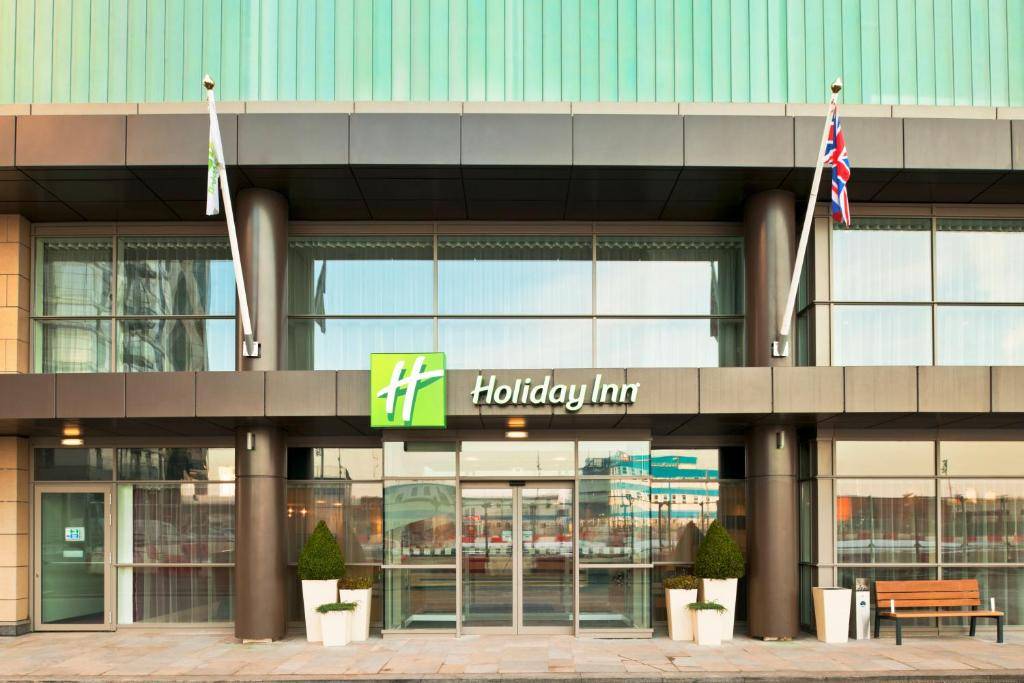
Where to do it: Holiday Inn Manchester-Mediacityuk by IHG. Its spacious, well-equipped rooms and free Wi-Fi provide a professional setting for topic table rotations.
3. Problem-solving cards
Problem-solving cards ask small groups to work through a realistic workplace challenge using prompts on cards. The task might focus on communication, project handovers or client relationships, depending on the audience. Give each group a short time to talk, then ask them to share one practical takeaway. This format suits people who prefer a purpose-led conversation. You need printed cards, pens and tables that support small-group discussion. It works because everyone is focused on the same task, so the networking feels more natural and less self-conscious.
Ideal for: leadership events, young professional groups and internal corporate away days.
Where to do it: Hampton by Hilton Exeter Airport. Its modern, well-equipped meeting rooms and professional environment make it suitable for problem-solving cards.
4. Business card bingo
Business card bingo turns networking into a light, social challenge. Create a grid of prompts such as finding someone in a different department, someone who works with a certain client type, or someone who has recently changed role. Attendees move around the room, speak to people and fill in the grid as they go. Keep the prompts relevant to the event so the conversations stay useful. You need printed sheets and a clear explanation at the start. It works because it gives people a reason to approach others without relying on awkward openers.
Ideal for: lively receptions, conference breaks and early-career networking events.
Where to do it: UniQ Royal Arsenal. Its bookable spaces and flexible layouts suit a corporate networking game like business card bingo.
5. Guided lunch tables
Guided lunch tables use a simple table host and a conversation theme to stop lunch becoming a silent pause in the day. Seat attendees by interest or role, then give the host a few prompts to keep the table balanced. This works best when people have already had a morning session and are ready for a more relaxed conversation. You need enough tables, clear place settings and a host who can include quieter guests. It works because the shared meal creates a comfortable setting while the prompts keep the networking purposeful.
Ideal for: conferences, seminars and larger events with a natural lunch break.
Where to do it: Clissold Arms. Its bookable indoor and outdoor spaces, including the Kinks Room and Terrace, provide a warm and characterful setting for guided lunch tables.
6. Mini project challenge
A mini project challenge asks small teams to create a simple solution, pitch idea or quick response to a business brief. Keep the task short and practical so the group spends more time talking than preparing. This is useful when you want people to work together rather than just exchange business cards. You need flipcharts, pens and enough space for teams to stand or sit together. It works because collaboration shows how people think, which often leads to stronger follow-up conversations after the event.
Ideal for: team away days, graduate programmes and cross-functional corporate events.
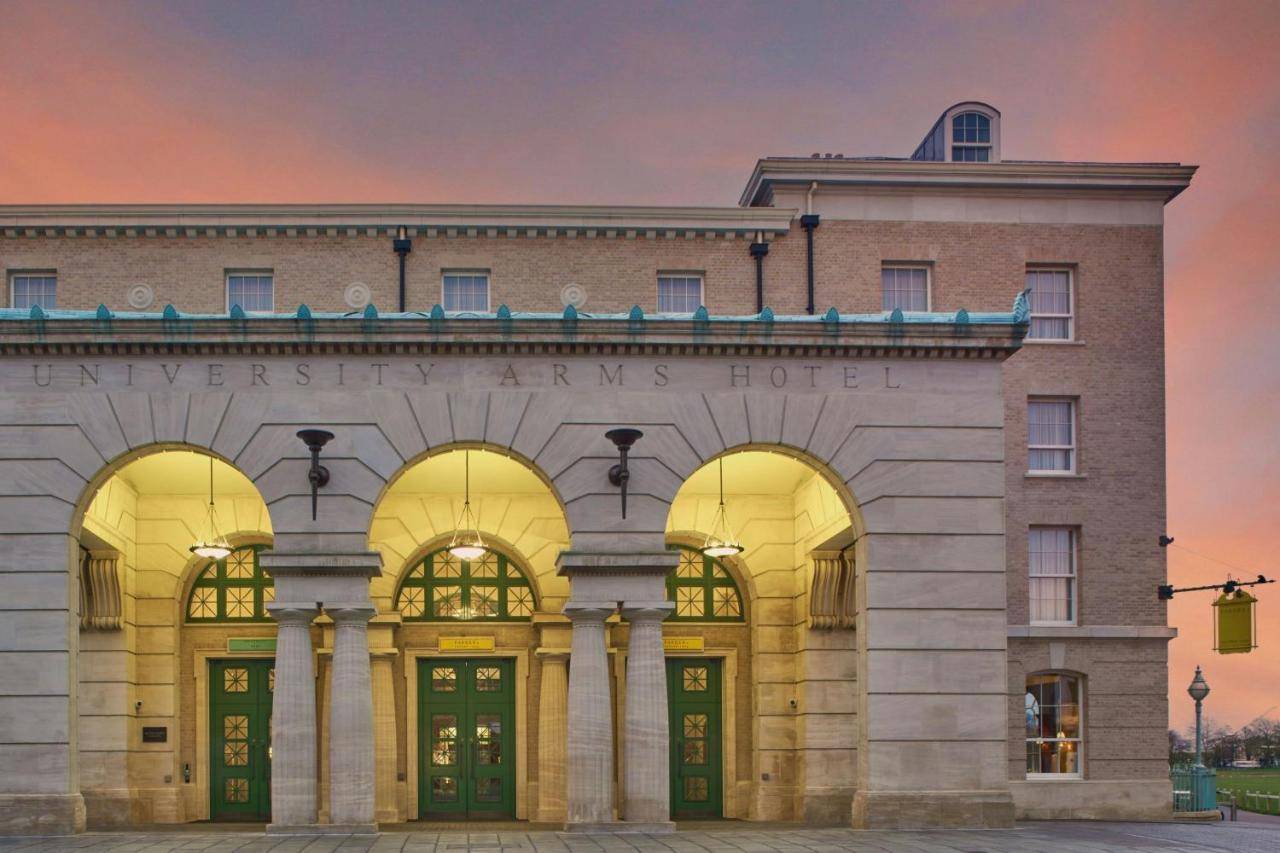
Where to do it: University Arms Hotel, Autograph Collection. Its meeting spaces and elegant rooms provide a professional setting in the heart of Cambridge for a corporate challenge.
7. Interest-based circles
Interest-based circles bring people together around a shared professional theme, such as sustainability, people management or client experience. Give each circle a simple starter question and a clear time limit, and the discussion stays focused. Attendees find others with similar priorities without the formality of a presentation, and that usually gives the room a better pace. You need a quiet space with room for small circles and a facilitator who can move between groups. People are more likely to carry on the conversation afterwards once they have found common ground.
Ideal for: membership groups, sector meet-ups and conference side sessions.
8. Host-led roundtables
Host-led roundtables suit events where you want a more structured discussion with a clear business angle. The host opens the topic, keeps the group on track and makes sure everyone contributes. Keep one topic per table and make the groups small enough for everyone to speak. You need a table layout that supports discussion, plus a brief for each host so they know how to steer the conversation. Attendees leave with a useful discussion, names, context and a reason to continue talking later.
Ideal for: senior audiences, client-facing events and focused conference sessions.
9. Networking scavenger hunt
A networking scavenger hunt gives attendees a list of people or conversation goals to find during the event. The prompts should be specific enough to guide behaviour, but broad enough to include everyone in the room. It suits lively groups that need a bit of movement and energy. You need a printed checklist, a clear briefing and a venue that allows people to circulate easily. It encourages attendees to speak to a wider range of people while keeping the activity playful and organised.
Ideal for: young professional groups, welcome receptions and informal corporate socials.
10. Peer advice swap
Peer advice swap pairs attendees, or groups them, so they can share practical advice on a work topic. Each person spends a few minutes explaining a challenge, then the others offer ideas or examples from their own experience. It is especially useful when attendees have similar roles but different organisations. You need a quiet space, simple prompts and a way to rotate people if the group is large. The exchange feels useful from the start, which makes the networking more meaningful than a standard introduction.
Ideal for: HR groups, managers, specialist communities and professional development events.
11. Table pitch exchange
Table pitch exchange gives each attendee a short turn to say what they do, what they need or what they are looking for. Keep it informal and ask people to use plain language rather than a polished sales pitch. It works well when the room already has a shared reason to be there, such as a sector event or partner meeting. You need a host, a timer and enough space for everyone to hear each round. The point is simple: people quickly see who is relevant and know who to follow up with.
Ideal for: business development events, partner meet-ups and cross-company networking sessions.
12. Shared case review
A shared case review asks small groups to look at a realistic business scenario and discuss how they would approach it. Keep the case brief and relevant to the audience, and keep the discussion practical rather than theoretical. It suits events where you want networking to feel intelligent and work-focused. You need printed case notes, pens and a room with tables that support discussion. People bond over solving something together, and later conversations become easier and more specific.
Ideal for: conferences, leadership forums and specialist professional groups.
13. Conversation prompt wall
A conversation prompt wall gives attendees a place to choose their own discussion starter from a set of visible prompts. They can take a prompt to a nearby table, use it in a pair or bring it into a larger group. It suits events where you want a flexible activity for different confidence levels. You need a wall, board or display area, plus prompts that are clear and relevant to the event theme. People join in at their own pace while still being nudged into meaningful conversation.
Ideal for: receptions, open networking spaces and mixed-attendance corporate events.
14. Follow-up swap cards
Follow-up swap cards help attendees leave with a clear next step after the event. Each person completes a card with one useful contact, one topic to follow up on and one action they want to take. Collecting these cards at the end reinforces the value of the networking session without making it feel formal. You need printed cards, pens and a simple process for gathering them. It turns a good conversation into a practical reminder, which makes follow-up more likely and more focused.
Ideal for: any event where organisers want networking to lead to real contact afterwards.
Making the activity work on the day
The strongest networking activities are easy to join, simple to explain and suited to the room. Check that the venue has enough space for movement, enough surfaces for writing and a layout that suits the format you have chosen. Brief hosts properly, keep instructions short and make the first minute calm rather than rushed. If you are planning several formats in one event, use them for different energy levels rather than repeating the same style. Naboo helps organisers find venues and activities that fit the shape of the event, but the activity itself still has to do the real work.
Afterwards, judge success by what people actually do next. Look for useful introductions, follow-up meetings and comments from attendees about which format helped them talk to the right people. That is the clearest sign the activity did its job.
Frequently asked questions
What makes networking activities effective at UK corporate events?
Effective activities give guests a clear reason to speak to people they do not already know, without making the experience feel forced. The best formats are simple to join, suit mixed seniority groups, and fit the tone of the event. They should also leave enough time for natural conversation afterwards, which is often where the real value comes from.
How do you choose the right networking activities for a corporate audience?
Start with the event objective, the number of guests, and the level of formality you want to maintain. A small leadership dinner may suit structured introductions, while a larger conference often works better with lighter, more interactive formats. It also helps to consider whether attendees know each other already, as that changes how much guidance they need.
How can networking activities be made inclusive for all attendees?
Choose activities that do not rely on physical ability, loud group settings, or specialist knowledge. Clear instructions, accessible venues, and a mix of conversation styles help more people feel comfortable taking part. It is also sensible to avoid overly competitive formats if the audience includes colleagues from different departments or external partners.
What are the best networking activities for breaking the ice quickly?
Short, low-pressure formats tend to work best when guests are arriving and settling in. Simple prompts, paired introductions, and guided conversation starters can help people move past the awkward first few minutes. The aim is to create momentum so that guests feel relaxed enough to continue talking on their own.
How should networking activities be planned for a UK corporate event?
When planning networking activities, think about the guest profile, the venue layout, and how much time you can realistically give to each part of the programme. It is usually better to keep the format clear and well paced than to overcomplicate it with too many moving parts. Good planning also means having staff or hosts on hand to keep conversations flowing and help quieter guests join in.