Spring event planning works best when you start early, check the UK calendar, and choose dates and venues with spring demand in mind. These event planning ideas for 2026 help you compare cities, budget realistically, and build in weather, access, and data checks before you book. Use them to shape a spring off-site, retreat, or conference that fits your goals rather than whatever is left.
Key takeaways
- Early planning, market insight, and regional venues all matter, so compare dates carefully between mid-April and late May. Compare cities as well as postcodes, and watch for local festivals or sporting events that can push up costs and reduce availability.
- Venue selection should go beyond a meeting room. Look for natural light, fresh air, a clear indoor-outdoor flow, solid weather back-up, fast Wi-Fi, and good screens, even in rural or boutique properties.
- Realistic budgeting starts as soon as venue search begins. Build in a buffer for travel and food, read the small print for service charges and seasonal extras, and negotiate value by looking at meeting rooms, catering, and guest rooms together.
- Practical planning tips, local details, inclusive access, and data protection all need attention early. Work backwards from the chosen date, add simple comfort items for spring weather, check local seasonal details, and make sure dietary needs, hybrid attendance, secure Wi-Fi, and controlled access are covered.
- Shoulder dates and shared services can reduce cost without stripping back the event. Use quieter weeks just before or after peak demand, and consider splitting a large venue or transport with another business if coordination is possible.
- Real event example: Vertex Tech moved from high-price Central London to a boutique hotel in the Peak District during a late April shoulder week. Early booking secured rooms and food, and the agenda split morning deep-work sessions from afternoon outdoor activities.
1. Early planning
The biggest mistake is waiting until the weather improves before checking availability. Early planning should begin six to nine months ahead, especially for April, May and June dates.
Starting early gives you more control over dates, pricing, and venue choice. It also leaves time to visit sites, compare options, and make sure the event matches your 2026 goals instead of settling for what is left.
Lead time: six to nine months ahead
Best for: securing dates, pricing, and venue choice
How to apply: Begin checking availability before the weather improves. Use the extra time to visit sites and compare options. Keep the event aligned with your 2026 goals rather than taking what is left.
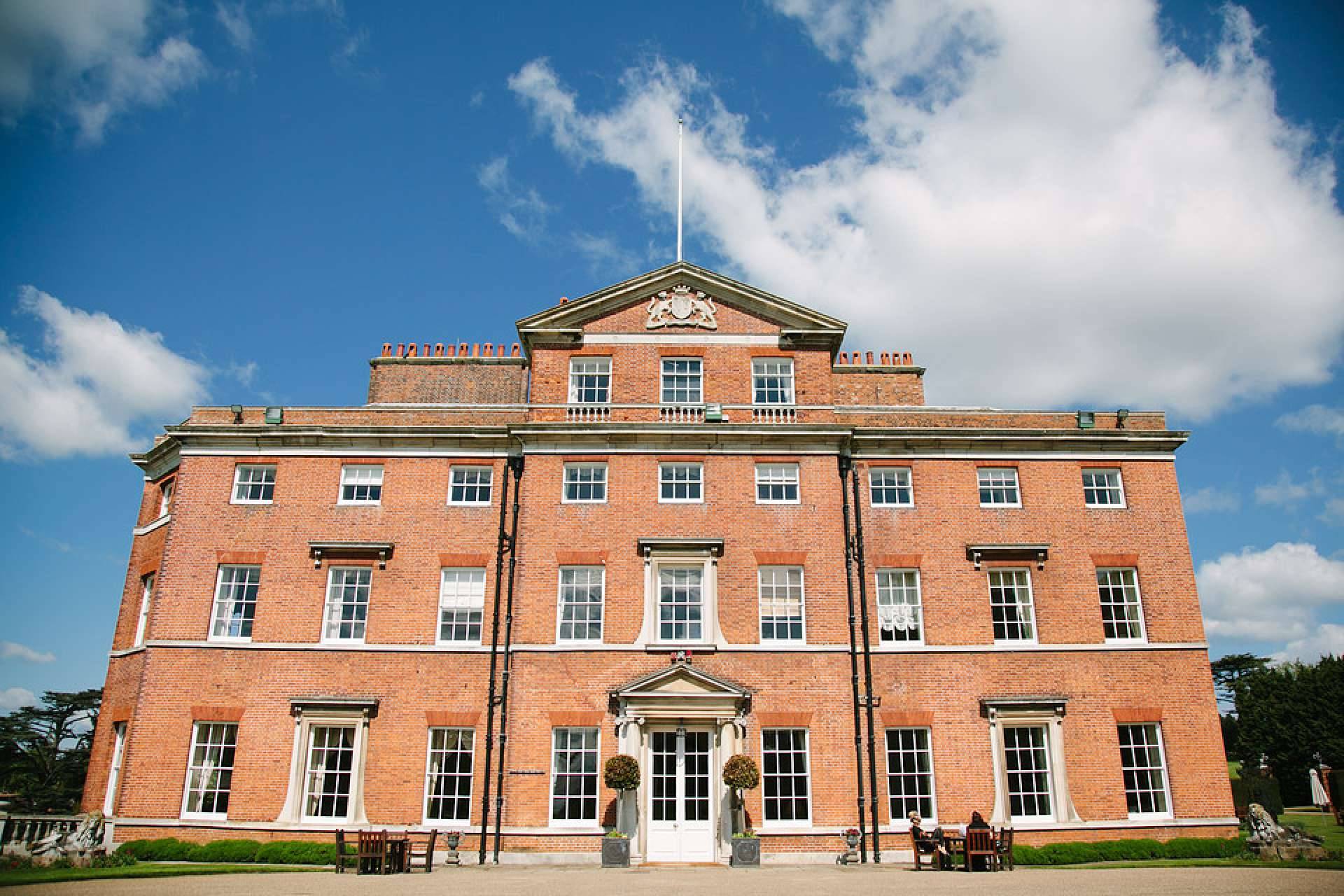
Where to do it: Fielder Centre. Its modular spaces, integrated audiovisual technologies and complimentary Wi-Fi provide a professional setting that supports collaboration and presentation planning.
2. Market insight
Good seasonal planning starts with the UK calendar. Demand for top-tier spaces tends to peak between mid-April and late May, when bank holidays, new financial years, and milder weather all pull in the same direction.
Looking at those patterns helps you avoid the most crowded and expensive weeks. It also gives you a better view of when suppliers are under pressure, so you can plan around the busiest periods rather than competing with them.
Planning focus: the UK calendar
Best for: avoiding crowded and expensive weeks
How to apply: Check the UK calendar before you fix dates. Pay attention to the period between mid-April and late May. Plan around the busiest weeks and the times when suppliers are under pressure.
3. Regional venues
Regional pressure matters as much as national demand. If a major festival or sporting event is taking place in a hub such as Leeds or Glasgow, hotel and catering costs can rise across the wider area.
That is why it pays to compare cities, not just postcodes. A Tuesday or Thursday can also be easier than a weekend, especially when transport and staffing are tight. Small timing changes often make a large difference to both availability and spend.
Planning focus: compare cities, not just postcodes
Best for: reducing cost and easing availability pressure
How to apply: Check for major festivals or sporting events in the area. Compare cities as well as postcodes. Consider a Tuesday or Thursday if transport and staffing are tight.
4. Venue selection
Booking the right venue is about more than finding a meeting room. The best spaces help people work together and feel refreshed, which is why the setting matters so much.
As Maxime Eduardo, CEO at Naboo, puts it:
"It's very reassuring. A lot of people are afraid of AI, but it's coming to save us from repetitive tasks and offer us more human relationships."
Look for natural light, fresh air, and a clear flow between indoor and outdoor areas. A spring event works best when it uses the season well, but it still needs a solid weather back-up. Fast Wi-Fi and good screens matter too, even in rural or boutique properties.
Planning stage: the venue search
Best for: events that need both atmosphere and practical working conditions
How to apply: Choose a space with natural light, fresh air, and a clear flow between indoor and outdoor areas. Keep a solid weather back-up in place. Check fast Wi-Fi and good screens, even in rural or boutique properties.
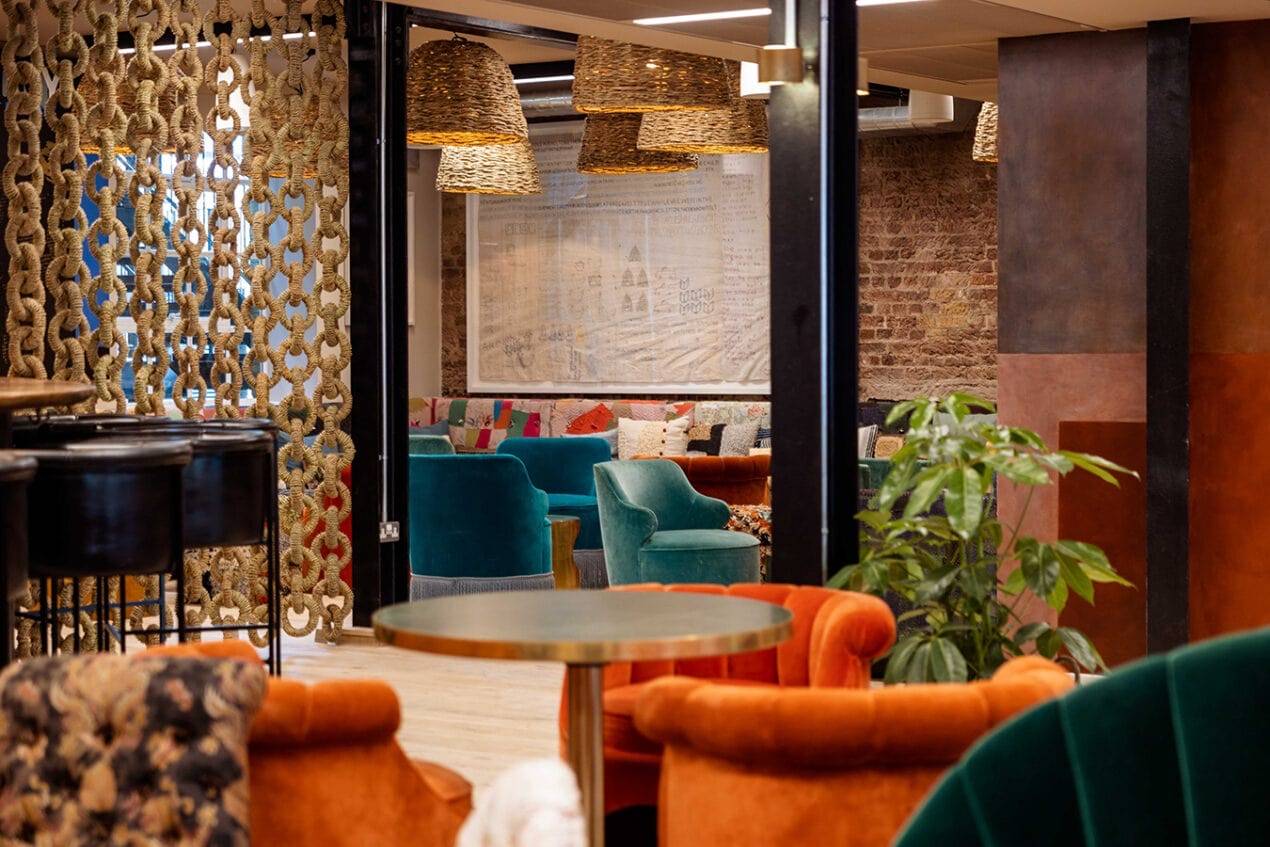
Where to do it: The Conduit. The Conduit in London offers versatile meeting and conference rooms with flexible configurations, modern audiovisual facilities, reliable Wi-Fi and dedicated event support.
5. Realistic budgeting
Budgeting should begin at the same time as venue search, not after it. Travel and food are the costs most likely to rise during the season, so they need a proper buffer.
It also helps to read the small print for service charges and seasonal extras, which can add up quickly. A stronger approach is to spend on a few high-quality suppliers rather than spreading the budget too thinly. That gives you more room to ask for useful additions or discounts.
Planning stage: budget planning
Best for: keeping spend under control during seasonal demand
How to apply: Start budgeting as soon as you begin venue search. Build in a buffer for travel and food. Read the small print for service charges and seasonal extras, then focus spend on a few high-quality suppliers.
6. Practical planning tips
Experienced organisers often work backwards from the chosen date. That reverse-calendar approach keeps the schedule realistic and stops key tasks from being left too late.
Small comfort details matter too, especially in the UK spring, when allergies and changing temperatures can catch people out. A simple kit with hay fever relief or an extra layer can make the day feel considered. These practical touches do not need to be flashy. They just need to be useful.
Planning method: work backwards from the chosen date
Best for: keeping the schedule realistic and covering spring comfort needs
How to apply: Build the plan backwards from the chosen date. Use that schedule to keep key tasks from slipping. Add simple comfort items such as hay fever relief or an extra layer.
Where to do it: DeskLodge House Bristol. DeskLodge House Bristol suits practical planning tips because it offers bookable meeting rooms for workshops, strategy sessions and collaborative planning on a flexible hourly basis.
7. Local details
Local knowledge can shape the whole atmosphere of the day. Knowing when the bluebells are out or when a city's outdoor terraces open for the season helps you time the event around the setting, not just the diary.
That kind of detail gives the gathering a stronger sense of place. A generic programme can work, but it misses the lift that comes from using the season and location properly. The result feels more natural and more memorable.
Planning focus: local details
Best for: events that need a stronger sense of place
How to apply: Use local knowledge to time the event around the setting. Check when the bluebells are out or when outdoor terraces open for the season. Shape the programme around the season and location rather than the diary alone.
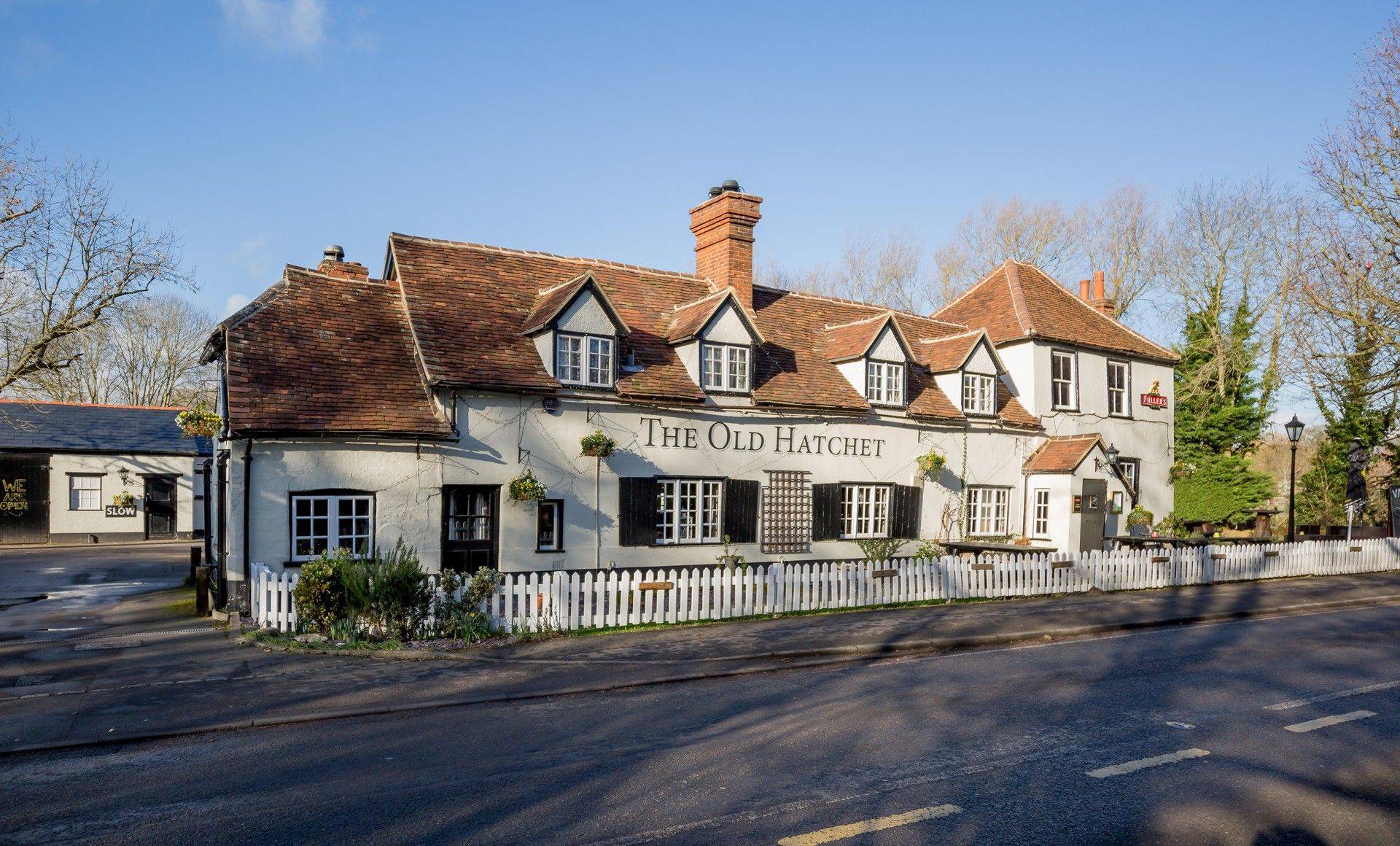
Where to do it: The Old Hatchet, Winkfield (Cranbourne). The Old Hatchet suits local details with its traditional English country pub setting and historic character rooted in the Berkshire countryside.
8. Inclusive access
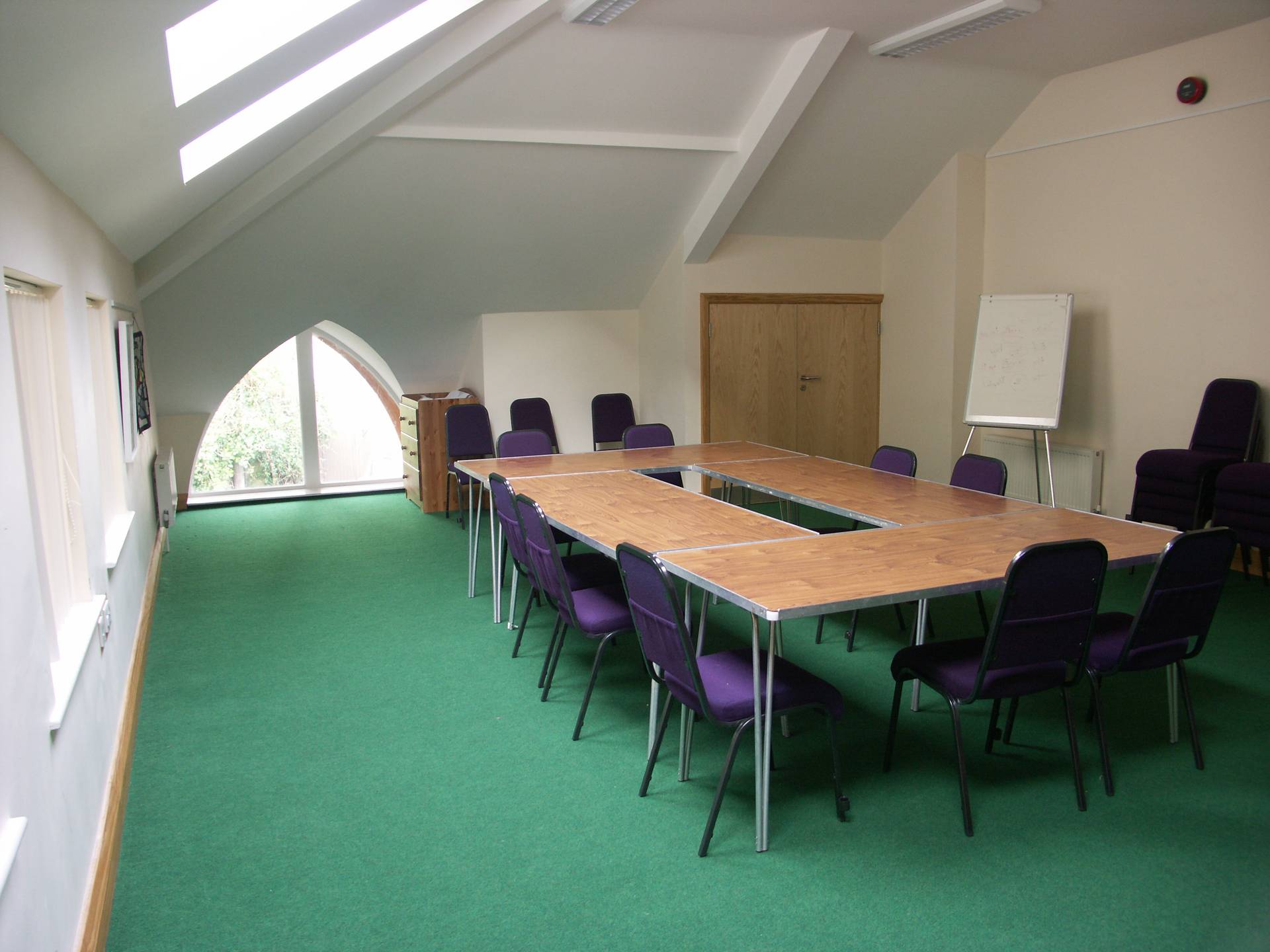
Modern event planning has to account for different dietary needs, hybrid attendance, and proper access for everyone. That means checking the basics early, not trying to fix them at the end.
If some people are joining remotely, the technology needs to support them. If others have mobility or dietary requirements, those details should be handled without fuss. A well-run spring event makes people feel expected, not accommodated as an afterthought. That is the standard senior teams now look for.
Group setup: hybrid and in-person attendance
Best for: events that need access, dietary, and remote attendance covered early
How to apply: Check dietary needs, hybrid attendance, and access at the start. Make sure the technology supports remote guests. Handle mobility and dietary requirements without fuss so people feel expected.
Where to do it: The Centre Newlyn (Newlyn). The Centre Newlyn suits inclusive access because it has level street access, a lift, baby change facilities and toilets designed to disability standards.
9. Data protection
Protecting the data means treating off-site meetings with the same care as the office. Secure Wi-Fi and trusted tech providers are part of that picture.
It is not only about keeping information safe. It also shows that the business takes the gathering seriously, so people can focus on the agenda instead of practical risks.
Group setup: senior leaders and key stakeholders
Best for: senior leaders and key stakeholders
How to apply: Use secure Wi-Fi and trusted tech providers. Keep access controlled so people can focus on the agenda. Make the setup feel serious and reliable. That confidence matters when sensitive discussions are taking place.
Where to do it: Clockwise Cardiff. Clockwise Cardiff suits data protection because its soundproofed and sound-treated meeting rooms provide a private, disturbance-free environment for professional meetings.
10. Negotiating value
Negotiating for value means using timing, flexibility, and a clear offer. Venues are often more open to discussion if you can bring them a multi-year relationship or a booking during quieter weeks.
Being open about your budget helps suppliers suggest smarter ways to meet it. Looking at the full package is usually better than chasing the lowest room rate, especially when meeting rooms, catering, and guest rooms can be bundled into one contract.
Group setup: the whole team at once
Best for: getting better value from the full package
How to apply: Approach venues with timing and flexibility in mind. Be clear about your offer and your budget. Ask whether a multi-year relationship or quieter weeks change the terms. Look at meeting rooms, catering, and guest rooms together rather than separately.
11. Shoulder dates and shared services
Shoulder dates are the days just before or after peak demand, and they are one of the simplest ways to reduce costs without making the event feel stripped back. The money saved can go into better speakers or stronger catering.
Shared service models can help too, especially if another business is willing to split the cost of a large venue or transport. These approaches take more coordination, but they can make a real difference when spring demand is high.
Group setup: the whole team at once
Best for: reducing costs when spring demand is high
How to apply: Choose shoulder dates just before or after peak demand. Put the savings into better speakers or stronger catering. Consider shared service models if another business can split the cost of a large venue or transport. Expect more coordination, but keep the focus on value.
12. Clear goals and measurement
Every event should be judged by what it achieves, not just by how it looks on the day. Clear goals need to be set before planning begins, whether the aim is better morale, faster project work, or stronger team alignment.
After the event, use surveys to capture feedback and keep an eye on performance in the following months. If the day produces training material, ideas, or project momentum that lasts, that is part of the return too.
Group setup: the whole team at once
Best for: measuring event return against clear goals
How to apply: Set clear goals before planning begins. Decide whether the aim is better morale, faster project work, or stronger team alignment. After the event, use surveys to capture feedback. Keep an eye on performance in the following months and count lasting output too.
13. Team alignment
Internal alignment matters as much as logistics. Appointing a culture lead can help keep the day true to company values, while one central communication hub stops confusion and keeps people informed.
Interactive workshops are also useful because they create space for departments that do not usually work together. A spring event is often the right moment for those conversations, and done well it leaves people feeling included.
Group setup: the whole team at once
Best for: keeping departments aligned and included
How to apply: Appoint a culture lead to keep the day true to company values. Use one central communication hub so people stay informed. Build in interactive workshops for departments that do not usually work together. Use the event to create space for conversations that carry on afterwards.
14. Avoiding common mistakes
One common mistake is assuming the event has to be outdoors to feel seasonal. Outdoor spaces are attractive, but they need a proper Plan B in the UK.
Another trap is ignoring how quickly people can lose focus if the weather turns or the schedule feels too loose. The answer is not to remove the seasonal feel. It is to build in enough structure, shelter, and flexibility so the day still works if conditions change at short notice.
Group setup: the whole team at once
Best for: avoiding weather and schedule problems
How to apply: Do not assume the event has to be outdoors to feel seasonal. If you use outdoor spaces, build in a proper Plan B. Add enough structure, shelter, and flexibility for changing conditions. Keep the seasonal feel without letting the day drift.
15. Use a real event example
Vertex Tech, a London software firm, shows how these choices can work in practice. Faced with high prices in Central London, the team moved to a boutique hotel in the Peak District during a late April shoulder week.
That cut pressure on cost while giving the group a setting that felt different from the office. They used early booking to secure rooms and food, then split the agenda between morning deep-work sessions and afternoon outdoor activities.
Group setup: the whole team at once
Best for: a spring off-site with a change of setting
How to apply: Move away from high-price Central London if the budget is tight. Use a late April shoulder week and book early to secure rooms and food. Split the agenda between morning deep-work sessions and afternoon outdoor activities. Keep the setting different from the office so the day feels distinct.
Frequently asked questions
When should I start spring event planning for 2026?
Start six to nine months ahead if you want real choice. Popular dates in April, May and June can book up early.
How do I choose the right spring event venue?
Choose a venue with natural light, fresh air, and a clear flow between indoor and outdoor areas. Keep a solid weather back-up in place, and check fast Wi-Fi and good screens, even in rural or boutique properties.
How do I run a spring event well?
Build the plan backwards from the chosen date so key tasks do not slip. Start budgeting as soon as you begin venue search, build in a buffer for travel and food, and read the small print for service charges and seasonal extras.
What group size works best for a spring event?
The right group size is the one that fits your goals, venue choice, and budget. If you are planning for the whole team at once, keep access, dietary needs, and hybrid attendance in mind from the start.
How do I plan for remote or hybrid teams?
Check hybrid attendance at the start and make sure the technology supports remote guests. Secure Wi-Fi and trusted tech providers matter, and people should feel expected rather than accommodated as an afterthought.
How do I make a spring event feel worth it?
Set clear goals before planning begins, whether the aim is better morale, faster project work, or stronger team alignment. After the event, use surveys to capture feedback, keep an eye on performance in the following months, and count lasting output too.