The event planning lifecycle works when you set the purpose first, then use it to guide budget, venue, content, marketing, delivery, and review.
Use this ten-step flow to keep decisions joined up, avoid drift, and move from first brief to post-event learning with less guesswork.
Key takeaways
- Start with inception and strategic alignment, then move into objective setting and success definition so the event has a clear reason to exist and measurable targets to work towards.
- Treat budgeting and resource allocation as a live document, with scenario planning, contingency budgeting, risk assessment, and a healthy contingency fund built in from the start.
- When you reach venue and core logistics sourcing, check accessibility, capacity, in-house technical support, cancellation terms, platform capabilities, data security, time zone coverage, and CRM integration before you commit.
- Content strategy and speaker acquisition should follow audience needs, with speakers treated as partners who add credibility and help market the event, while content capture and repurposing are planned at the same time.
- Marketing, registration, and attendee journey mapping should run as a multi-channel effort that makes registration the first positive interaction and maps the path from invite to check-in to follow-up.
- Pre-flight operations and vendor finalisation, live successful event execution and oversight, and data capture and immediate feedback collection keep the event steady on the day and preserve fresh responses for later analysis.
1. Inception and strategic alignment
Inception and strategic alignment is the point where the event earns its reason to exist. Before anyone scouts venues in Manchester or contacts speakers, leaders need to define the "why" of the gathering.
Is the aim to generate sales leads, improve staff engagement, train teams, or build customer loyalty? That answer shapes every later decision. Without it, budgets drift, content loses focus, and the event becomes a collection of tasks rather than a business tool.
Group setup: the whole team at once
Best for: defining the event's purpose
How to apply: Start by agreeing the reason the gathering exists. Set the aim before any venue search or speaker outreach. Use that answer to guide every later decision. Keep checking that the plan still serves the original why.
2. Objective setting and success definition
Objective setting and success definition turns a broad goal into measurable targets. This is where high-level intent becomes event ROI measurement.
The examples are practical: qualified leads, press mentions, or strong speaker satisfaction for a B2B conference; attendance rates, course completion, and knowledge retention for an internal summit in Birmingham. Clear targets give the team something concrete to build towards and make strategic event planning far easier to defend.
Group setup: the whole team at once
Best for: turning intent into measurable targets
How to apply: Set clear targets from the start. Use the examples as the shape of the goal, whether that is leads, press mentions, speaker satisfaction, attendance rates, course completion, or knowledge retention. Make sure the team can point to the target when decisions need defending. Keep the measures visible while planning continues.
3. Budgeting and resource allocation
Budgeting and resource allocation translates ambition into a workable plan. The article treats the budget as a live document, not a static spreadsheet.
It should include scenario planning, contingency budgeting, and risk assessment, plus a contingency fund for the unexpected. Teams also have to choose where money goes: premium catering and personalised networking, or wider reach through a virtual platform. Venue hire, technology, and staff accommodation all need to be accounted for.
Group setup: the whole team at once
Best for: turning ambition into a workable budget
How to apply: Treat the budget as a live document. Build in scenario planning, contingency budgeting, and risk assessment. Set aside a contingency fund for the unexpected, sized to fit the event and its risk level. Then decide where the money goes, including venue hire, technology, staff accommodation, catering, networking, or a virtual platform.
4. Venue and core logistics sourcing
Venue and core logistics sourcing is where the event becomes real. Once the budget and scope are fixed, teams can scout sites, negotiate contracts, and confirm date flexibility.
For in-person events in London or Leeds, the focus is on accessibility, capacity, in-house technical support, and cancellation terms. For virtual or hybrid formats, the focus shifts to platform capabilities, data security, time zone coverage, and CRM integration. This stage sets the operational baseline for the rest of the project.
Group setup: the whole team at once
Best for: locking in the venue and operational basics
How to apply: Once the budget and scope are fixed, scout sites and negotiate contracts. Confirm date flexibility before you commit. For in-person events, check accessibility, capacity, in-house technical support, and cancellation terms. For virtual or hybrid formats, check platform capabilities, data security, time zone coverage, and CRM integration.
5. Content strategy and speaker acquisition
Content strategy and speaker acquisition defines what attendees will actually gain from the event. Every session, keynote, and workshop should reflect the audience needs identified earlier.
Speakers are not just presenters here; they are partners who add credibility and help market the event. Content capture and repurposing should be planned from the start, because the material can keep adding value long after the final session ends. That is a direct part of improving event ROI.
Group setup: the whole team at once
Best for: shaping attendee value and speaker line-up
How to apply: Build every session, keynote, and workshop around the audience needs identified earlier. Treat speakers as partners who add credibility and help market the event. Plan content capture and repurposing at the same time. Keep future use in mind while the programme is being built.
6. Marketing, registration, and attendee journey mapping
Marketing, registration, and attendee journey mapping is about filling seats and setting expectations. It is a multi-channel campaign that drives registrations and builds anticipation.
Registration should be the first positive interaction, not a hurdle. Teams also need to map the full journey from invite to check-in to follow-up, using segmentation to send relevant information about sessions, networking, and logistics. That is one of the clearest event management best practices in the article.
Group setup: the whole team at once
Best for: driving registrations and shaping the attendee journey
How to apply: Run a multi-channel campaign that drives registrations and builds anticipation. Make registration the first positive interaction, not a hurdle. Map the full journey from invite to check-in to follow-up. Use segmentation to send relevant information about sessions, networking, and logistics.
7. Pre-flight operations and vendor finalisation
Pre-flight operations and vendor finalisation is the final readiness check before the event goes live. The article places this in the last 7 to 14 days, when contracts, insurance liabilities, and technology dependencies are reviewed against the final schedule.
Teams run dry runs and test audiovisual setups, internet bandwidth, check-in tools, and crisis communication protocols. For larger events, even badge printing speed and catering timing are checked. This stage is where avoidable problems are found before guests arrive.
Group setup: the whole team at once
Best for: final readiness before go-live
How to apply: Use the last 7 to 14 days for the final readiness check. Review contracts, insurance liabilities, and technology dependencies against the final schedule. Run dry runs and test audiovisual setups, internet bandwidth, check-in tools, and crisis communication protocols. For larger events, check badge printing speed and catering timing too.
8. Live successful event execution and oversight
Live successful event execution and oversight is the moment all the earlier work is tested. The article is clear that the goal is not rigid perfection but calm handling of exceptions.
A command centre structure helps teams monitor attendance, technical performance, and staffing in real time. Feedback loops let staff adjust environmental controls, solve networking issues, and deal with security concerns quickly. This is what separates competent delivery from reactive crisis management during the event itself.
Group setup: the whole team at once
Best for: live delivery and real-time oversight
How to apply: Use a command centre structure to monitor attendance, technical performance, and staffing in real time. Keep feedback loops open so staff can respond quickly. Adjust environmental controls, solve networking issues, and deal with security concerns as they arise. Focus on calm handling of exceptions rather than rigid perfection.
As Maxime Eduardo, CEO at Naboo, puts it:
"It is already beginning to respond to more than half, sometimes even 70%-80%, of the cases handled by humans... What takes a human two to three days is done in about ten minutes."
9. Data capture and immediate feedback collection
Data capture and immediate feedback collection begins as soon as the event ends. It works because memory fades quickly, so the first responses still reflect what attendees, speakers, and sponsors felt in the moment.
Pulling raw data from registration systems, mobile apps, check-in kiosks, and networking platforms gives you the evidence base for later event success metrics analysis.
Group setup: the whole team at once
Best for: capturing fresh sentiment right after the event
How to apply: Pull raw data from registration systems, mobile apps, check-in kiosks, and networking platforms as soon as the event ends. Send short surveys to attendees, speakers, and sponsors immediately. Use those first responses while the memory is still fresh. Keep them as the evidence base for later event success metrics analysis.
10. Post-mortem analysis and knowledge transfer
Post-mortem analysis and knowledge transfer closes the loop on the whole process. It works because it turns one event into input for the next, using a post-event report, data analysis, and a structured debrief.
The process also includes comparing metrics against the original KPIs, finalising the budget and ROI, presenting the report to stakeholders, auditing the tech stack for friction points, and archiving documents and contracts in a central knowledge base.
Group setup: the whole team at once
Best for: closing out the event and feeding lessons into the next one
How to apply: Prepare a post-event report, data analysis, and a structured debrief. Compare metrics against the original KPIs, finalise the budget and ROI, and present the report to stakeholders. Audit the tech stack for friction points. Archive documents and contracts in a central knowledge base.
Where to host event planning lifecycle
The venue decides which ideas work, and each type below comes with a real Naboo venue. For event planning lifecycle decisions, start with the space, then match the format to what it can actually support.
A private estate for full buyout events
A private estate for full buyout events suits inception and strategic alignment because the whole setting can be shaped around one brief, one guest list, and one pace of delivery. It also supports pre-flight operations and vendor finalisation, since access, catering, parking, and room use can all be planned around a single, private programme rather than a shared venue schedule.
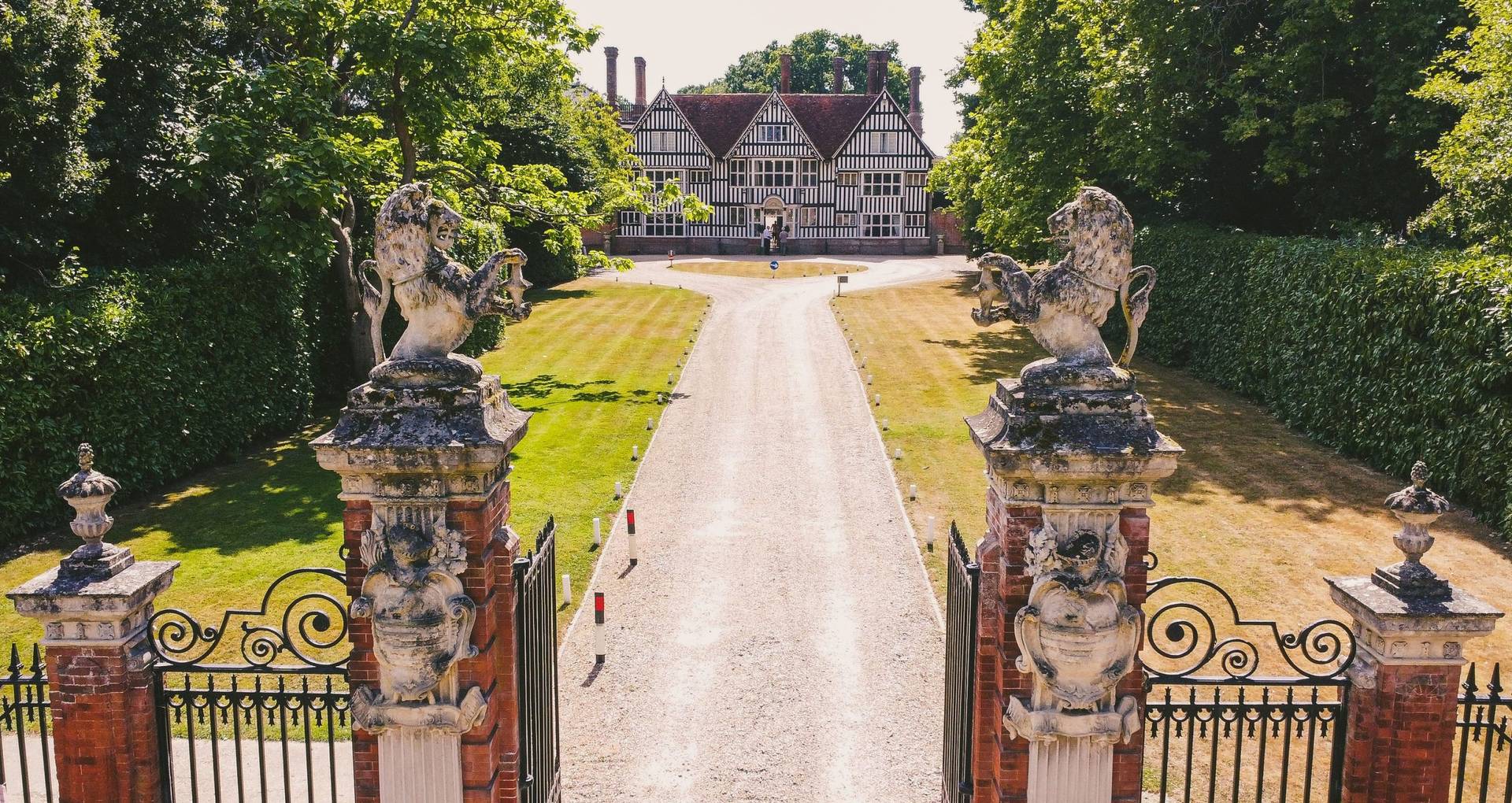
Brickwall House is a Grade I listed Jacobean manor house in Northiam, East Sussex, near the border with Kent. It offers exclusive use for corporate events and intimate gatherings, with the Drawing Room, the Great Parlour Room, and the Chess Gardens available for events.
How do the event planning stages stay connected?
The stages stay connected when each one feeds the next with clear decisions, not loose assumptions. Strategic alignment sets the purpose, objectives define success, budgeting turns that into resources, and venue sourcing shapes the practical delivery. Content, marketing, pre-flight checks, live oversight, and data capture then follow the same logic. The article's point is simple: if one stage is vague, the next stage inherits that weakness.
Frequently asked questions
What is the primary goal of event lifecycle management?
The primary goal is to give UK teams a repeatable way to move from purpose to delivery, then back into learning. It keeps strategy, budget, venue choice, content, marketing, operations, and analysis connected so the event can drive leads, engagement, training, or loyalty, not just fill a room.
How do I choose the right event approach?
Start with the event's purpose, then turn it into measurable objectives before anyone scouts venues or contacts speakers. Use that answer to guide every later decision, because without it budgets drift, content loses focus, and the event becomes a collection of tasks rather than a business tool.
How do I run the event well on the day?
Use a command centre structure to monitor attendance, technical performance, and staffing in real time. Keep feedback loops open so staff can adjust environmental controls, solve networking issues, and deal with security concerns quickly, with calm handling of exceptions rather than rigid perfection.
What group size works for each stage?
The whole team at once is the right setup for every stage in the lifecycle. That includes defining the purpose, setting measurable targets, budgeting, sourcing the venue, shaping content, planning marketing, running pre-flight checks, overseeing delivery, and closing out with analysis.
How do I plan for remote or hybrid teams?
For virtual or hybrid formats, focus on platform capabilities, data security, time zone coverage, and CRM integration when you source the venue and core logistics. In the budget, decide where the money goes, including venue hire, technology, staff accommodation, catering, networking, or a virtual platform.
When should I capture feedback and lessons learned?
Capture data as soon as the event ends, because memory fades quickly and the first responses still reflect what attendees, speakers, and sponsors felt in the moment. Then prepare a post-event report, data analysis, and a structured debrief, compare metrics against the original KPIs, and archive documents and contracts in a central knowledge base.