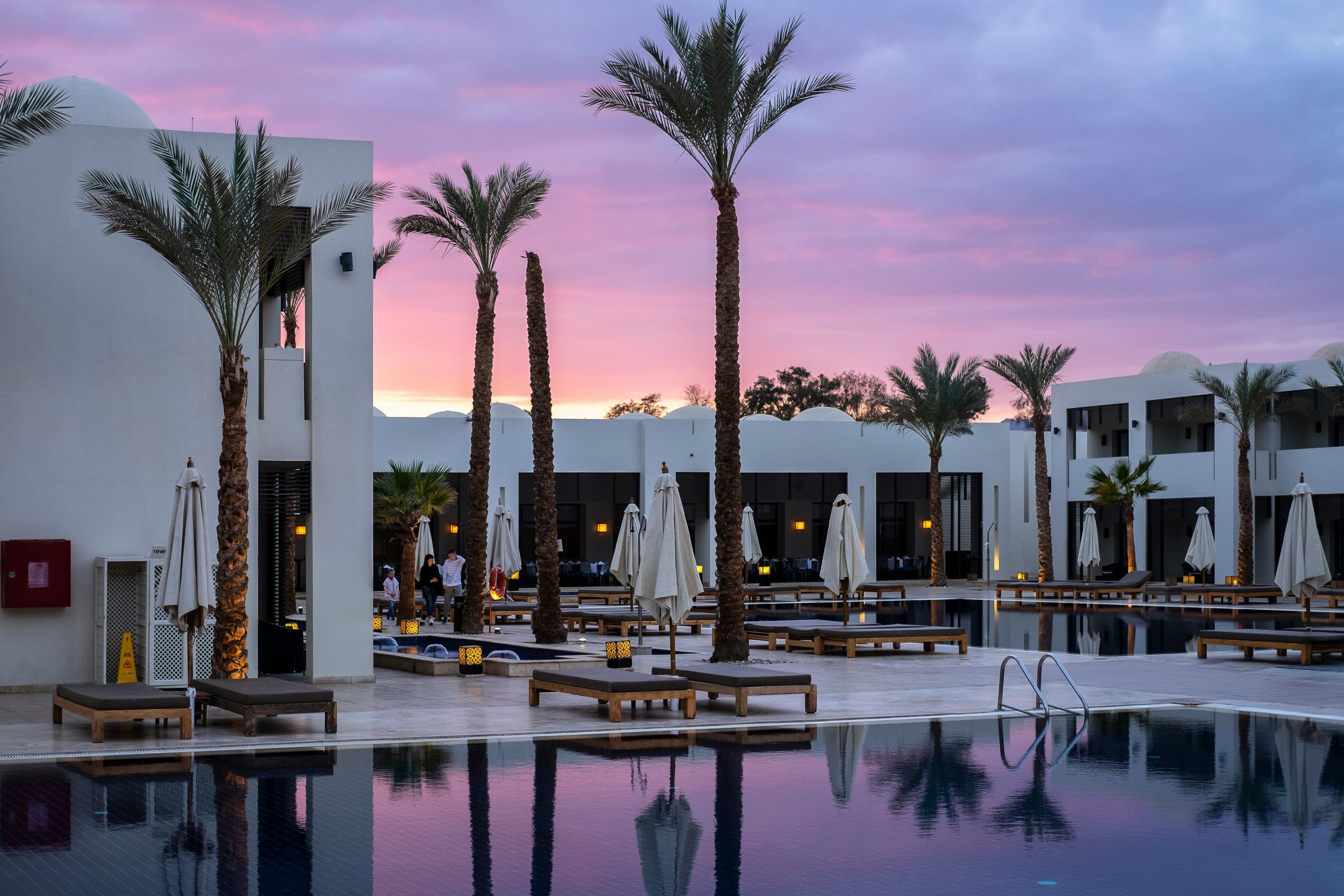
Something shifts when a team leaves the office together. The usual hierarchies soften, conversations go deeper, and trust that can take months in a meeting room often happens over a shared meal or a morning hike. Too many retreats still feel like extended workdays in a nicer setting, and people come back more tired than when they left.
The difference between a forgettable offsite and one that moves the needle is simple: pick the right place, build a balanced agenda, and be clear about what the team actually needs. Whether you are planning a focused leadership retreat or a companywide gathering, the early decisions shape everything that follows.
Why the idea of a great corporate retreat has changed
The old formula was rent a hotel ballroom, run through slides, and call it a retreat. That model no longer works. Remote and hybrid work mean in-person time is scarce, so those days carry more weight. Teams arrive with both excitement and skepticism. The excitement comes from face time after months of video calls. The skepticism comes from past retreats that promised renewal but felt exhausting.
Most of the best moments happen off the formal agenda: a walk before breakfast, dinner conversations that run late, or a spontaneous problem solving session. The best corporate retreat locations make those moments easy, not just provide space for presentations.
The PACE framework for picking retreat locations
Before you open venue websites, use a simple checklist. The PACE framework helps you evaluate whether a location will serve your team.
Purpose is the primary goal. Is this strategic planning, a culture reset, a milestone celebration, or onboarding for new hires? Let purpose guide everything else.
Access means travel and logistics. A beautiful lodge does no good if half the team needs three connections to get there. Consider direct flights into hubs like Denver, Atlanta, or Dallas, last mile transport, and mobility access.
Climate of the group asks whether the team needs challenge, recovery, or a mix. A team fresh off a product launch often needs rest. A team in a slow patch may need novelty and challenge.
Economics means total cost per person, not just the venue fee. Audiovisual, required gratuities, shuttle fees, and activity vendor charges routinely raise budgets well beyond initial quotes.
Applying PACE: a practical example
Imagine a tech company with sixty employees across four time zones. Many hires have never met in person. Leadership wants strategic outcomes but relationship building is the deeper need. Purpose is dual, so protect social time alongside working sessions. Access points to hubs like Denver or Chicago reduce travel pain. The group climate calls for moderate stimulation. Economics for sixty people often favors a lodge or resort with bundled pricing for meals and activities. A Colorado mountain property with flights from major hubs, inclusive pricing, outdoor options, and optional spa services checks all four boxes.
Best corporate retreat types by team need
No single destination fits every team. Match the environment to the change you want to make.
Wellness retreats for teams facing burnout
Wellness corporate retreats combine meeting space with spa services, guided movement, healthy food, and optional mindfulness sessions. These work well for teams running on empty. The U.S. Southwest, like Arizona and Utah resorts, and wine country regions such as Napa Valley, offer warm weather, quiet pace, and wellness infrastructure. The point is to weave wellness into the schedule, not tack it on as an afterthought.
Adventure retreats for teams that need challenge
Adventure corporate retreats surface leadership and teamwork through shared challenge. Whitewater rafting on the Arkansas River near Buena Vista, rock climbing in the Appalachians, or multi-day hikes in the Rocky Mountains create real collaboration under mild pressure. The most effective programs offer options so participation is never mandatory.
Coastal venues for creative teams
Water opens thinking. Beach houses on Florida's Gulf Coast, the barrier islands off South Carolina, and California's central coast give creative teams natural light and open horizons. Lake Tahoe mixes mountain and lake access, making it a flexible choice for groups with varied preferences.
Urban offsites for hybrid teams on tight timelines
Not every retreat has to be remote. Cities like New York, Chicago, Austin, Nashville, and New Orleans offer interesting venues, evening programming, and easy logistics. Urban retreats are great for alignment and celebration and often cost less per person than destination resorts.
Ranch and countryside settings for authentic connection
Ranch stays and countryside estates offer activities like horseback riding, farm-to-table cooking, and stargazing away from city lights. These shared unfamiliar experiences level social status and build rapport fast.
Executive retreats: what leadership teams need
Executive retreats need privacy plus reliable connectivity. Private estate rentals or boutique lodge buyouts work better than big resorts where other guests create distractions. Senior teams often need a single property contact, flexible meal timing, and spaces that support both formal work and informal conversations. Some organizations still choose international retreats for senior teams when the distance creates a stronger break, but many U.S. options around Napa, Palm Springs, and the Colorado Rockies deliver similar benefits with less travel hassle.
Unique retreat ideas that break the template
Memorable retreats center on a single unusual experience. Architecture tours in Palm Springs communities, glamping near Joshua Tree, treehouse lodges in the Southeast, or historic mill conversions in New England give teams a shared story. These sites create conversation starters that anchor memories long after the retreat ends.
For planning tips and practical examples, read more articles on the Naboo blog to find formats that match your company size and goals.
Designing an agenda that actually works
Most agendas fail because they are either too packed or too loose. A good rhythm for a three-day retreat is focused mornings of about three hours, afternoons with facilitated or free-choice activities, and evenings set up for social connection rather than extra work. That structure keeps people engaged without burning them out.
Structuring day one for remote and hybrid teams
When many people meet in person for the first time, start with small group rotations and active icebreakers. Fifteen to twenty minute cycles of conversation get people comfortable faster than large-group introductions.
Local experiences as anchor memories
Include one local activity to ground the retreat. A cooking class featuring regional ingredients, a history tour in Boston, a craft brewery visit in Portland, or a short guided hike near Yosemite gives teams a concrete place to attach their memories.
When you need fresh ideas for activities and team programming, check out inspiring event ideas on the Naboo events page for options that fit different group sizes and budgets.
Budget reality: what retreats cost
Build an all-in number from the start. Ask for itemized quotes that include audiovisual, gratuities, transportation, dietary surcharges, and minimum spends. Negotiating a bundled rate usually saves money for groups above thirty people. Off-peak bookings such as shoulder seasons in mountain towns or spring and fall on coastal properties can also reduce costs.
Common planning mistakes to avoid
Even experienced planners fall into predictable traps. Define the goal before choosing the venue. Don’t schedule heavy work on the first day when people are jetlagged. Check ADA compliance and collect dietary restrictions early. Protect two to three hours of free time daily. And set follow through: schedule accountability check-ins at thirty and ninety days post-retreat.
How to measure retreat success
Measure results with three signals. Capture immediate sentiment with a short anonymous survey within forty eight hours. Track behavioral indicators over sixty to ninety days such as cross-team collaborations and program participation. And measure strategic output by tracking whether plans made at the retreat were executed. Using all three gives a clearer picture than a single satisfaction score.
Booking timeline and logistics checklist
Start early for large groups. For seventy five or more people, begin venue conversations nine to twelve months out. For smaller executive groups, three to six months is usually enough. Key checklist items include venue contracts, group transportation, dietary and accessibility confirmations, connectivity testing for hybrid rooms, vendor insurance checks, and emergency contact collection.
- Review venue contract terms and cancellation policies
- Confirm group transportation from major airports
- Collect dietary and allergy information and share with catering
- Request accessibility accommodations in writing
- Test connectivity for hybrid participation
- Collect emergency contact and medical info
- Vet off site vendors for insurance and safety
- Set clear device norms and share packing guidance
Frequently asked questions
How far in advance should we book corporate retreat locations?
For groups larger than fifty, start nine to twelve months ahead. Smaller groups of twenty or fewer can often plan in three to six months, though top wellness resorts and unique properties fill faster.
What is a realistic per person budget for a quality team building retreat?
Many organizations plan between $1,500 and $3,500 per person for a two to three day domestic retreat that includes lodging, meals, some activities, and local transfers. Wellness resorts and international retreats run higher. Urban offsites can cost less depending on hotel tier and evening plans.
How do we design a retreat that works for introverts and extroverts?
Offer parallel options for social segments so people can choose quiet recovery or group activity. Use small group formats in working sessions so reflective contributors have space to speak without competing with louder voices.
What makes adventure retreats different from wellness retreats?
Adventure retreats use challenge and novelty to bond teams. Wellness retreats focus on rest and reflection. Choose based on your team’s current energy: teams coming off intense work often need wellness, while teams in a lull may benefit from adventure.
How should we measure whether a retreat delivered real value?
Combine a short anonymous survey within forty eight hours, behavioral tracking over sixty to ninety days, and a check on whether strategic commitments were implemented. Together these signals show real impact.