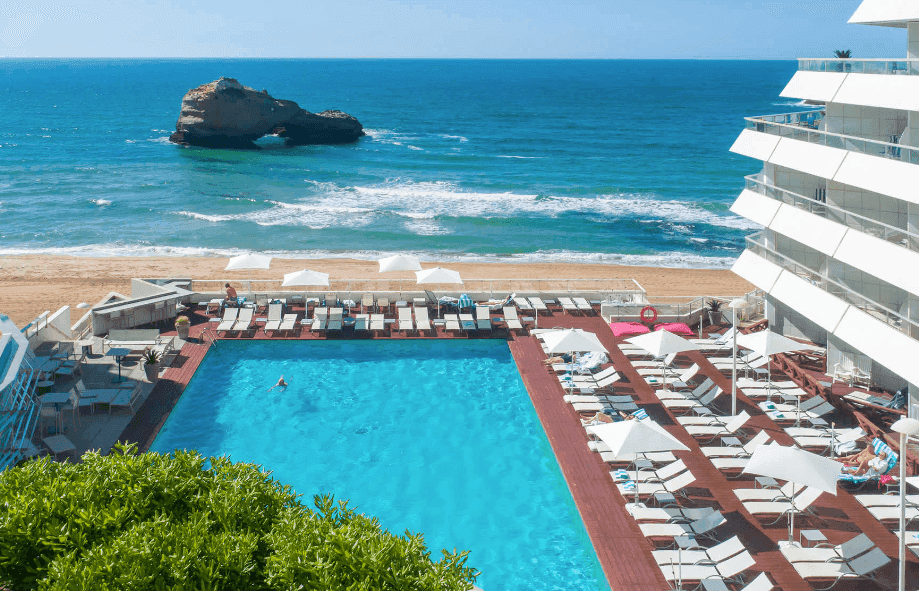
Choosing the right offsite location starts with the team's goal, then filters every venue choice through travel, space, atmosphere, food, and weather. If you want sharper strategy work, choose a place that supports focus. If you want stronger relationships, choose a setting that makes people want to stay in the room and keep talking. The best answer to how to pick the right location for a company offsite is rarely the prettiest property on the list. It is the one that fits the work, the group, and the amount of friction your team can reasonably absorb on the way there.
This guide walks through the decisions that matter most, from evaluating venues and comparing strong options to avoiding the planning mistakes that can weaken even a well-designed agenda.
Key takeaways
- The location shapes the tone of the gathering before the first agenda item begins.
- Evaluate venues in a fixed order: setting, access, activities, capacity, and food or social options.
- Travel time matters as much as the property itself, because arrival fatigue changes how people show up.
- Weather and seasonality can help or hurt the plan, especially when outdoor time is part of the agenda.
- Use team input and a simple comparison method to keep the decision grounded in real needs, not just a good photo.
Why does the offsite location matter so much?
The offsite location matters because it sets the tone for the whole gathering before anyone opens a laptop or starts a workshop. A polished airport hotel, a restored farmhouse in the Hudson Valley, and a loft in Nashville's The Gulch all send different signals about formality, energy, and how people are expected to interact. That first impression affects whether the group settles in quickly, whether side conversations happen naturally, and how much mental space people have for the work itself.
When offsite event planning starts with the setting, the rest of the program is easier to align around the goal. A quiet property with reliable AV and breakout rooms supports focused decision-making. A place with shared lounges, outdoor areas, or a private buyout supports connection and informal conversation. The point is not to find a venue that does everything. It is to find one that fits the kind of conversation you want.
Novelty also matters. A new city or a property people have not used before can interrupt routine and get people out of work mode faster than a familiar setting. That does not mean the destination has to be remote or unusual. It means the venue should feel distinct enough to signal that this is not another day at the office.
The psychological impact of novelty
Unfamiliar surroundings often help teams pay closer attention and talk differently than they do in their usual workspace. When people leave behind the office, their commute, and their normal habits, they tend to be more present in the room. That is why many planners favor a city or property that feels fresh to the group rather than one tied to everyday routines.
How should you evaluate an offsite venue?
Evaluate an offsite venue by checking five things in order: setting, access, activities, capacity, and nearby food and social options. A simple structure keeps the decision grounded in what the group actually needs, not in a pretty photo or a catchy city name:
- Setting and atmosphere: Does the property fit the tone of the meeting, whether that means polished and formal, quiet and focused, or relaxed and creative?
- Practical accessibility: Can people get there without a punishing travel day, and are flights, trains, or ground transfers realistic for most of the group?
- Activities and surroundings: What can the team do during downtime, and do those options suit the group's interests rather than just filling the schedule?
- Capacity and comfort: Can the venue handle the headcount, breakout needs, privacy requirements, and working hours without feeling cramped?
- Eating and social infrastructure: Are restaurants, cafes, and gathering spots close enough to support dinners, informal conversations, and after-hours time together?
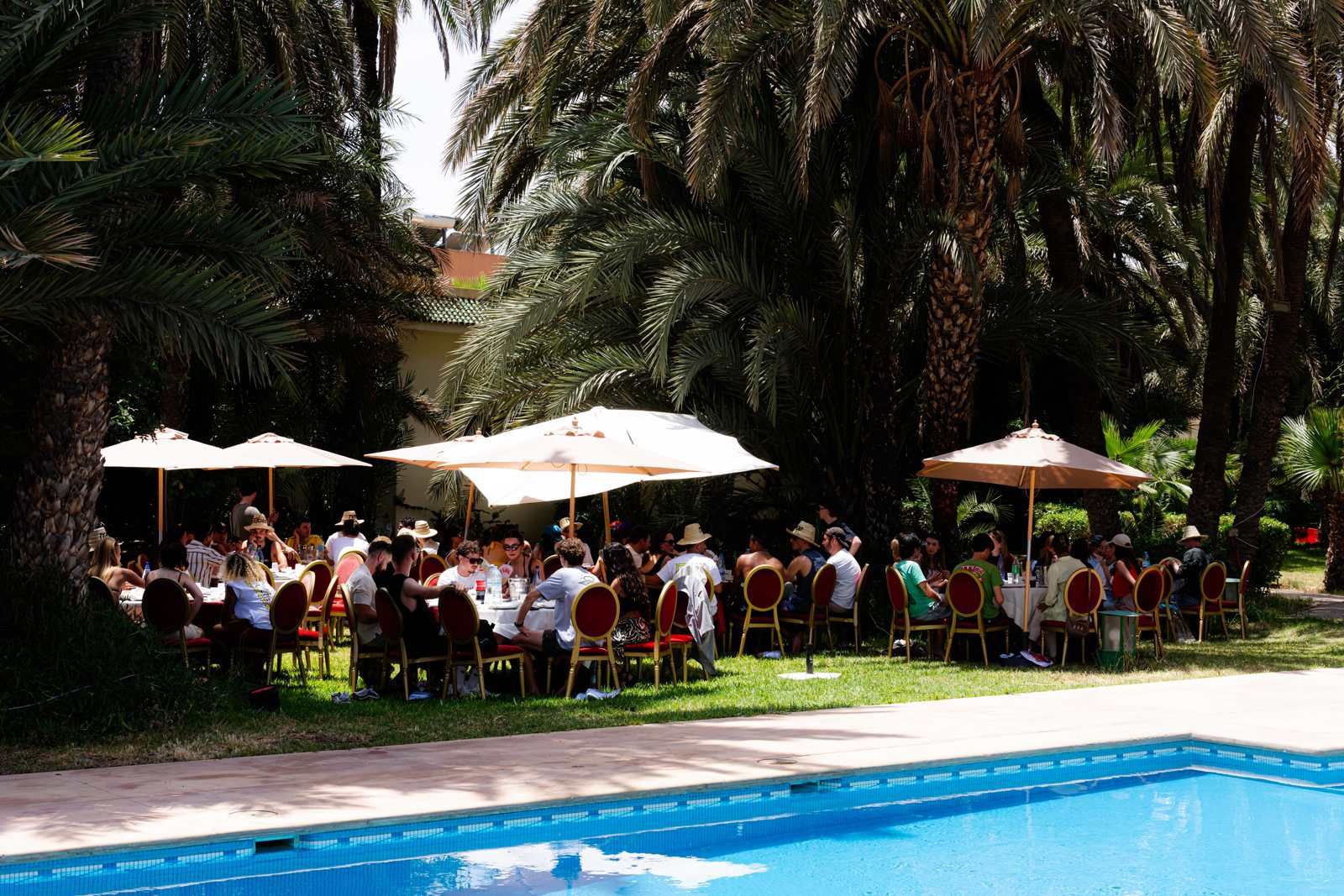
This approach works for a five-person leadership retreat and for a larger all-hands gathering. The weight of each factor changes with the group, but none of them should be ignored. A venue that looks right but fails on access or workspace usually creates more problems than it solves.
How do you compare the atmosphere and the purpose?
Start by matching the property style to the outcome you want. If the primary goal is strategic alignment and focused decision-making, a well-equipped boutique hotel with private meeting rooms and minimal distractions often outperforms a sprawling resort where people are tempted by pool activities every hour. If the goal is cultural reset and rebuilding team cohesion after a tough stretch, a place with warmth, natural beauty, and communal spaces will likely serve you better than a sleek, transactional conference center.
Atmosphere is hard to quantify, but it is impossible to ignore. A Rocky Mountain setting invites reflection and a sense of scale. A creative urban neighborhood in a city like Portland or Chicago's West Loop signals that bold ideas are welcome. A coastal property in Charleston or the Florida Panhandle can reduce stress and encourage people to let their guard down. None of these is universally better. The right atmosphere depends entirely on what you are trying to achieve.
How accessible should the offsite location be?
The offsite location should be easy enough for most of the team to reach without turning travel into the first agenda item. If people are landing after a long connection or a late-night train, they arrive tired, and the meeting starts behind schedule before it has even begun.
Start with where your team is actually based. If most people are in one region, such as the Northeast or the Pacific Northwest, proximity matters. A farther destination can still work, but it should earn its place with a clear reason, not just a pretty setting. If the group is spread across time zones, look for a city that is reachable from several hubs without forcing everyone into a complicated itinerary.
Why do direct flights matter so much?
Teams often underestimate how much travel friction affects the first day of a gathering. Someone who left home before dawn is unlikely to be sharp in a midafternoon workshop. When you are comparing event spaces and retreat properties, favor cities with strong domestic air service and multiple nonstop routes. Chicago, Atlanta, Dallas, and Denver are common examples because they connect well to many U.S. markets. A more convenient destination can be worth the tradeoff if it reduces missed connections, late arrivals, and the scramble that comes with complicated travel.
How much should travel cost and time influence the choice?
Travel should carry real weight in the decision, because airfare, ground transport, and arrival fatigue shape how much energy your group has left for the offsite itself. A beautiful property in Napa, Palm Springs, or the Hudson Valley can still be the wrong call if most attendees need two flights, a long car transfer, and a late-night check-in before the first session starts.
Start with the full journey, not just the venue address. A direct flight into San Francisco or San Diego may be worth more than a cheaper fare with a connection, especially for a two-day leadership retreat where the first morning matters. The same logic applies on the ground: a 20-minute ride from the airport to a hotel in downtown Austin feels very different from a 90-minute transfer to a remote ranch outside the city. The longer the transfer, the more you should expect late arrivals, missed dinners, and a slower start.
For business stays, the right balance usually comes from matching travel effort to the purpose of the gathering:
- Short planning sessions: keep travel light and choose a city with frequent nonstop service, such as Chicago, Dallas, or Atlanta.
- Strategy retreats: a slightly farther property can work if the setting supports focus and the schedule includes recovery time on arrival.
- Client-facing offsites: prioritize easy access and predictable transfers so guests arrive polished, not drained.
Novelty has value, but it should earn its place. A mountain lodge near Denver or a coastal property in Santa Barbara can create the right reset, yet the trip should still feel reasonable for the people attending. If the location adds too much friction, the group spends its energy getting there instead of using the time together well.
What activities should the offsite location support?
The offsite location should support the activities your team will actually want to do, not just the ones that look good on a brochure. A property with hiking trails, a private dining room, a spa, or a workshop space can fit very different group gatherings, and the right mix depends on whether your agenda leans toward outdoor time, shared meals, culture, or hands-on sessions.
Before you finalize a venue, gather input. A simple survey asking team members to rank broad categories such as outdoor adventure, cultural exploration, food and drink experiences, wellness, or creative workshops gives you useful direction. Asking also tells your team their preferences matter, which can build anticipation before the offsite begins. For event ideas for teams that go beyond the usual options, it helps to look at destinations through the lens of what your specific group would genuinely enjoy.
How do you balance structured programming and free time?
The strongest team retreat ideas mix planned activities with open time. When your team building location has interesting surroundings, free time stops feeling like filler. People wander, talk over coffee, and make the kind of connections that rarely happen in a meeting room. Think of the location not just as a place to hold the agenda, but as part of the experience itself.
How much space and workspace does your team need?
The right venue gives every person enough room to sleep, meet, and move without crowding the agenda or the floor plan. For choosing the right offsite location, group size is only the starting point; the real question is how your team will use the property hour by hour.
For small groups under twenty, residential rentals can work well. They create a shared setting that suits informal dinners, late conversations, and time between sessions. The tradeoff is privacy and room count. A house with eight bedrooms may sound ideal until you need separate sleeping arrangements, a quiet corner for one-on-ones, and a table large enough for the full group.
What works better: hotels, retreat centers, or hybrid venues?
For larger groups, hotels and dedicated retreat centers are usually the safer starting point. Still, room count alone does not tell you much. Ask about breakout rooms, outdoor gathering areas, Wi-Fi coverage across the property, and whether the venue regularly hosts corporate groups. A hotel that handles leisure travel well may still struggle with parallel sessions, late-night working time, or a schedule that changes quickly.
Some of the strongest options for offsite event planning sit between categories: converted estates, boutique retreat centers, and historic properties adapted for group use. These venues can bring character without sacrificing function, but they need closer review. Check whether the meeting rooms can hold your full group, whether the dining setup fits your schedule, and whether the property can support arrivals, luggage, and session turnover without bottlenecks.
What workspace needs should you plan for?
Even a relaxed retreat usually needs some work infrastructure. Reliable internet, enough power outlets, writable surfaces, and usable audiovisual equipment matter the moment a session starts. If your agenda includes planning blocks, presentations, or small-group work, treat those needs as part of the venue brief from the start. A beautiful room with poor acoustics or a projector that is hard to use can slow the day down fast.
What food and social setup supports a strong offsite?
Shared meals are among the most reliably effective bonding experiences available to any team. The table is where guards come down, where humor shows up, and where people reveal themselves in small but meaningful ways. That means the food dimension of your venue selection deserves real attention.
Think about two distinct factors: the quality of the venue's own catering or dining options, and the proximity to external restaurants and social spots. For multi-day events, even excellent in-house catering can feel repetitive. Having good external options within walking distance or a short drive lets organizers create different social contexts across the event, such as a group dinner at a local restaurant on night one, a food tour on the free afternoon, or a relaxed breakfast spot for smaller conversations in the morning.
How should you handle dietary needs?
Workplace leaders who invest in strong food programming also need to think carefully about dietary diversity. A destination or venue that cannot easily accommodate vegan, gluten-free, kosher, halal, or other dietary needs creates friction that pulls certain team members out of the experience. When evaluating venues, ask directly about dietary accommodation capabilities and look at the variety of nearby restaurant options as a backup.
How should weather and seasonality affect the decision?
Weather rarely makes an offsite, but it can absolutely break one. The mistake teams often make is choosing a destination for its best-case weather scenario without accounting for variability. Scottsdale in April can be ideal. Scottsdale in July is a different story. New Orleans in October is lively. New Orleans in August is brutally humid.
Research historical weather patterns for your intended travel window rather than relying on general reputation. Look for destinations with consistent, moderate climates if outdoor activities are central to your programming. If you have your heart set on a destination with unpredictable weather, build contingency programming into your agenda so that rain or heat does not collapse your plans.
How does seasonality affect pricing and availability?
Seasonality also directly affects corporate retreat logistics in terms of cost and availability. Peak season in a popular destination often means premium pricing, limited availability, and venues juggling multiple groups at once. Shoulder season can offer the same location at meaningfully lower cost with more attentive service. Understanding the seasonal dynamics of your shortlisted destinations is a practical financial consideration worth building into your evaluation from the start.
How do you compare two strong offsite locations objectively?
Compare them with a simple scorecard, then shortlist the venue that wins on the factors your team actually needs, not the one that feels nicest in the moment. A clean way to do it is to score each property from 1 to 5 across the key criteria: setting, proximity, activities, capacity, and extras like food or weather backup. If two places are close, the tie-breaker should be the one that removes the most friction for your group.
Start with a shortlist of three. Then ask the same questions of each venue and score them side by side:
- Setting: Does the property fit the tone you want, such as a quiet countryside retreat, a waterfront hotel in Miami, or a private buyout in downtown Austin?
- Proximity: How easy is it for the team to reach from the office, airport, or rail station?
- Activities: Can the venue support the sessions you need, from breakout rooms to a terrace dinner or an outdoor workshop?
- Capacity: Does it hold your group comfortably in one room, with enough space for meals and working time?
- Extras: Is there reliable catering, a weather plan, and enough nearby options for evening time together?
Use the same scale for every site, and write one sentence under each score explaining why it earned that number. That keeps the decision honest. A hotel in Chicago's Loop may win on transit and meeting rooms, while a Hudson Valley retreat may score higher on atmosphere and focus. The point is not to crown the prettiest property. It is to choose the one that supports the agenda with the fewest compromises.
If the scores are still tied, pick the venue that is easiest to run. Fewer transfers, clearer room layouts, and a stronger backup plan usually matter more than a dramatic view.
What common mistakes should you avoid?
Even experienced event organizers repeat certain mistakes when selecting an offsite location. Recognizing these patterns is the first step to avoiding them.
Why is it risky to fall in love with aesthetics first?
The visually striking venue that cannot accommodate your group's working needs, lacks accessible transport connections, or sits far from any decent restaurants will consistently underperform against a less glamorous option that gets the fundamentals right. Beauty matters, but it should be evaluated after function, not before.
What happens when you book too late?
Teams often leave venue selection too late, which forces them into compromises they would never have accepted with more lead time. The best venues for corporate groups book up quickly, particularly in popular destinations and during peak seasons. Starting your offsite event planning process at least six to nine months before your intended dates dramatically expands your options and improves your negotiating position.
Why should you ask the team for input?
A team offsite is, by definition, an experience for the team. When organizers choose a destination based purely on personal preference, logistics convenience, or cost minimization without consulting anyone else, they risk producing an event that feels imposed rather than shared. Even a brief survey collecting destination preferences or activity interests signals respect and builds anticipation.
How do transfer times create hidden problems?
A venue that is technically in a great city but requires a ninety-minute transfer from the airport, or that sits in an area with poor local transport, creates friction that adds up across the event. Participants spending two hours a day in transit lose time, energy, and momentum. Always map out the full journey from arrival to venue and from venue to key activity locations before committing.
How do you measure whether the location choice worked?
Measure it by asking targeted questions while the experience is still fresh, then compare those answers with the behavior you observed during the event. Many teams invest enormous energy in offsite event planning and then collect only surface-level feedback afterward. To understand whether the location served your objectives, you need more specific measurement.
Consider surveying team members on a handful of dimensions immediately after the event: the physical environment, how comfortable and energized they felt in the space, whether the activities and surroundings matched their interests, how the travel experience affected their arrival energy, and whether they would recommend the destination for a future event. You can also look at harder behavioral signals. Did people stay engaged with optional evening activities, or did they retreat to their rooms? Were meals lively and socially active, or quiet and functional? Did the free time generate stories that people shared afterward? Those patterns tell you far more than a rating scale about whether the location truly worked.
How can you build a better record for the next offsite?
Organizations that run offsites regularly benefit from maintaining a structured record of past venue choices, including what worked, what did not, estimated costs, lead time required, and team feedback. This kind of institutional memory prevents future planning teams from repeating avoidable mistakes and builds a growing library of vetted options across different destination types and group sizes.
Frequently asked questions
How far in advance should we book an offsite location?
For most corporate groups, beginning your venue search six to nine months before the event date gives you enough lead time to access the best options, negotiate favorable terms, and avoid the compromise venues that only become available on short notice. For very large groups or highly sought-after destinations, starting twelve months out is not excessive and can make a real difference in the quality of options available to you.
Should we choose a destination where some of our team already lives?
Hosting in a familiar city reduces travel costs and simplifies logistics, but it often dilutes the sense of shared adventure that makes team offsites so effective for bonding. Team members based in that city may find it harder to fully disconnect from daily routines and responsibilities. For events where relationship-building is a primary goal, choosing a destination that is genuinely new to everyone tends to produce stronger outcomes, even if it adds planning complexity.
What is the ideal group size for a residential rental versus a hotel?
Residential rentals typically work well for groups of up to about fifteen or twenty people, provided the property can guarantee a private room for each participant. Beyond that size, the logistical challenges of shared domestic infrastructure, single kitchens, and limited common areas begin to outweigh the intimacy benefits. For larger groups, a well-chosen boutique hotel or dedicated retreat center usually offers a better balance of comfort, privacy, and shared social space.
How important is weather when choosing a team retreat location?
Weather is more consequential than most organizers acknowledge at the outset. Extreme heat, high humidity, or unpredictable rainfall can neutralize outdoor programming entirely and drag down overall energy levels. Rather than choosing a destination based on its reputation in ideal conditions, research historical weather data specifically for your intended travel dates and build contingency plans for at least one or two scenarios that would disrupt your planned activities.
How do we gather team input on destination preferences without setting unrealistic expectations?
A straightforward approach is to run a short anonymous survey asking team members to rank destination types, activity categories, and travel preferences, while being transparent that the final decision will be shaped by budget, accessibility, and organizational needs. Framing the survey as input into a decision rather than a vote on the final outcome manages expectations while still making people feel heard. When the destination is announced, referencing the survey results and explaining how they influenced the choice reinforces that the team's voice mattered in the process.