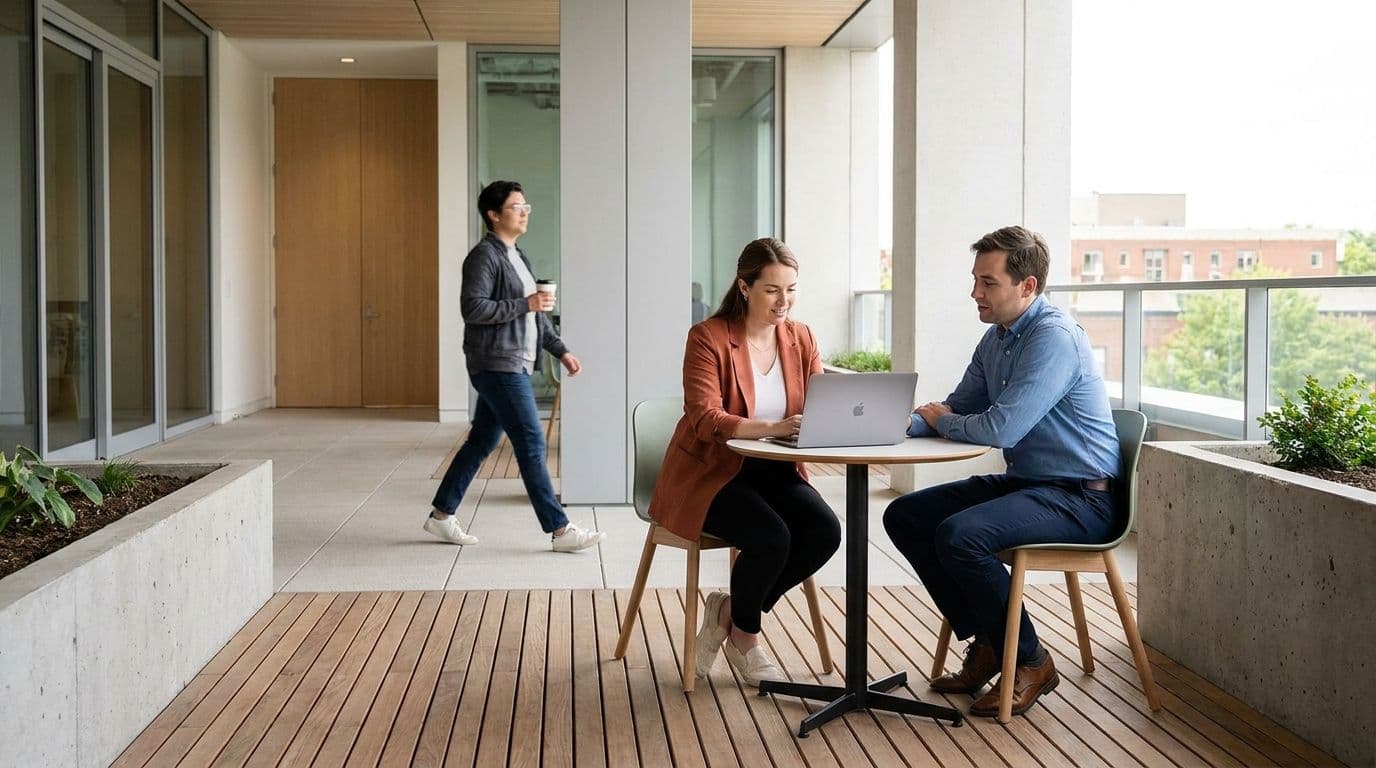
There is a quiet shift in how top U.S. companies handle client relationships in 2026. After years of depending on email sequences and video calls, teams in New York, Miami, Washington, and tech hubs are rediscovering something simple: being in the same room matters. Research shows in-person requests are far more effective than email, and live events consistently convert better than purely digital outreach. That makes investing in thoughtful client event planning feel less like a perk and more like smart business.
why in-person events beat the screen
Screens miss the small, sensory moments that build trust. Shared meals in a Boston workshop, hallway chats at a Las Vegas session, or a roundtable in a Denver hotel near the Rocky Mountains create memories that influence renewals and referrals. A well-run live event often moves more pipeline than months of digital campaigns.
the clarity framework: learn what your clients actually want
Too many events center on what the host wants to announce. Use the Clarity Framework to gather real signal before you commit to a venue in Chicago or a dinner in San Francisco. The framework looks at past event data, internal sales and success feedback, and what competitors or peers are posting publicly. Those three inputs tell you which formats and topics will actually draw your audience.
Start by reviewing past attendance and survey comments. Then poll sales and client success people for recurring questions they hear. Finally, watch professional posts and photos from events your clients praise. That combination helps you design an agenda that feels relevant and proves you listened.
applying the framework in a realistic scenario
A mid-sized software firm planning a client summit in 2026 originally wanted two days of demos. The Clarity Framework showed past half-day workshops had higher attendance, sales shared that compliance questions were top of mind, and clients had recently praised a peer roundtable format. The team reworked the summit to include facilitated peer sessions, a compliance keynote, and a hosted dinner in Washington. Attendance increased and satisfaction scores hit new highs.
design an event experience that stands out
Events that work share a few simple traits. Start by building connection before education. Open with facilitated networking so people meet peers and relax, then move to content. Create shareable moments that attendees will talk about back at their office in Seattle or Miami. Bring genuine experts and practical takeaways instead of thin product pitches. These choices build trust and long-term loyalty.
Logistics matter. From the moment the invite lands in someone’s inbox, every interaction signals how much you value their time. Make registration easy, give clear directions to venues in Los Angeles or Denver, accommodate diets, and assign clear ownership for each logistics task. Small operational failures undermine even the best content.
For practical event inspiration and formats you can copy, explore more workplace insights and use those ideas alongside your own local planning.
common mistakes that reduce impact
- planning for the company, not the client. If the agenda is about announcements rather than solving attendee problems, people won’t come back.
- underinvesting in follow-up. The event starts a conversation. Personalized follow-up keeps it going.
- inviting too broadly. A full room doesn’t always mean good networking. Curate for relevance.
- mixing format and purpose. A large conference is not the same as an intimate executive dinner.
- skipping a pre-event communication plan. Build anticipation with clear previews and logistics so attendees arrive informed and excited.
measure what actually matters
Agree on success metrics before you spend budget. Track attendance quality, engagement during sessions, satisfaction scores within 48 hours, short-term relationship moves in 2 to 4 weeks, and commercial impact over 90 to 180 days. Compare renewal and expansion rates for attendees versus non-attendees to make the financial case for ongoing events.
Document baseline retention, average contract value, and referral frequency before your first event so you can measure change. Most teams see clear shifts within two quarters after a well-run event.
If you need concrete event formats, check out inspiring event ideas that work for different relationship stages and account tiers.
build a repeatable program, not a one-off
Treat events as a program. Run a flagship annual summit, quarterly smaller gatherings, and intimate executive dinners for top accounts. Each format serves a purpose and together they keep your brand present across the year. Debrief after each event to capture what worked and what to change; the second and fifth events will be stronger as you learn.
frequently asked questions
how far in advance should we start planning?
For large multi-day summits plan four to six months out. Smaller workshops and dinners can be done in six to eight weeks but longer lead time improves attendance.
what format works best for newer clients?
Workshops, focused roundtables, and practical panels give new contacts useful takeaways without asking for a big time commitment.
how do we get senior decision makers to attend?
Seniors respond to exclusivity and clear value. Offer a short, curated session with peer leaders, limited headcount, and a personal invitation from someone at their level.
should we charge attendees?
Both paid and complimentary events can work. Paid events signal value and commitment while free events lower barriers. Many U.S. companies run a paid flagship event plus free smaller gatherings to serve different segments.
what is the most important thing after an event?
Follow up quickly and personally. Beyond a thank-you message, send tailored notes that reference a specific conversation or share a resource related to a session.
For more articles on strategy and execution, read more articles on the Naboo blog.