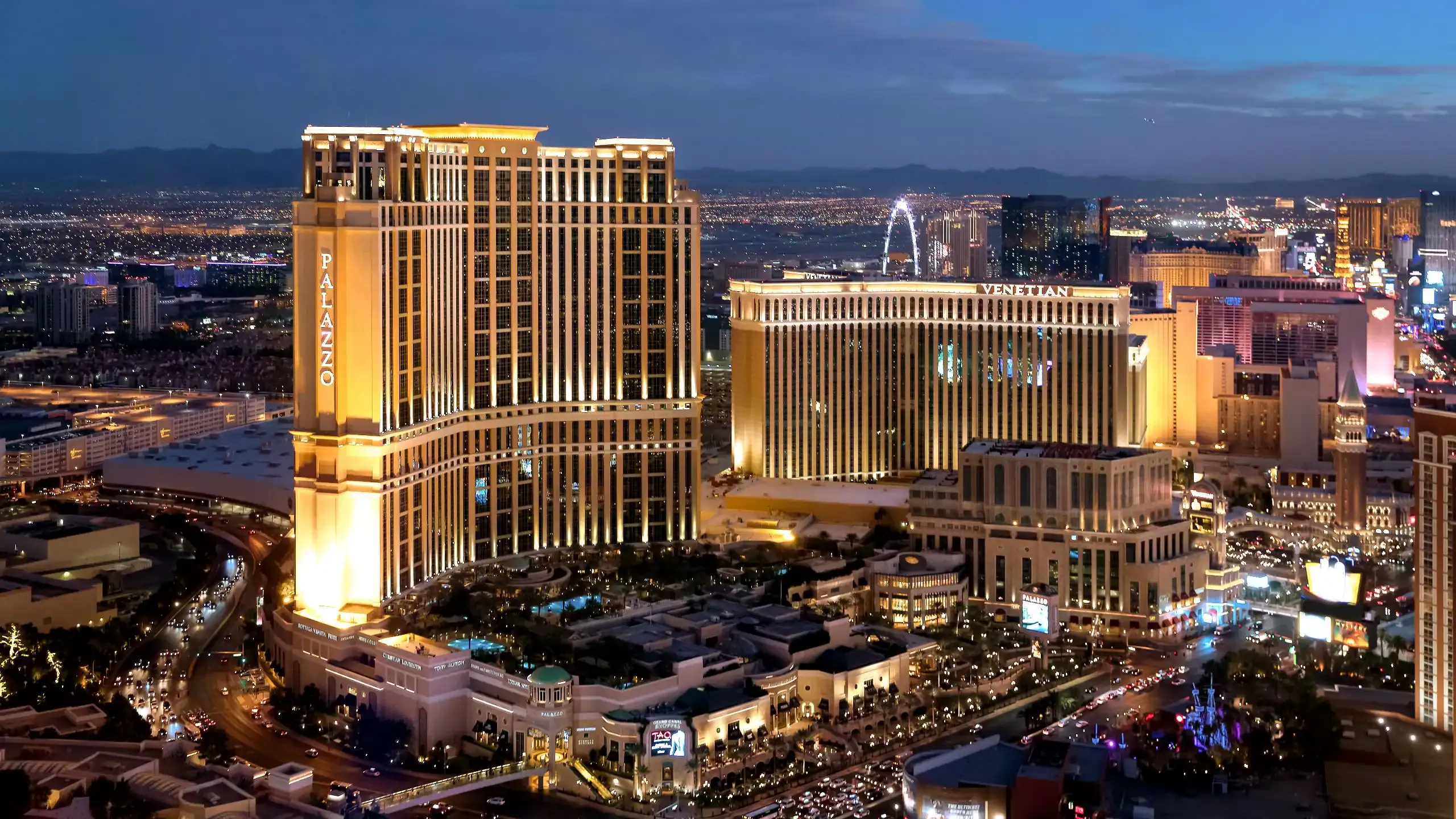
Venue trends are shifting toward spaces that do more than hold a meeting. For event planning trends 2026, the strongest choices are flexible rooms, better tech, food that feels intentional, wellness-minded layouts, and venues with a clear point of view. Those are the ideas that help a team stay focused, move easily through the day, and remember the event for the right reasons.
Key takeaways
- Flexible layouts make one space work for presentations, breakouts, and networking.
- Built-in tech matters when you want fewer moving parts on event day.
- Food can shape the tone of a team gathering, not just fill a break.
- Wellness details help people stay present through long agendas.
- A venue with character can support the message without extra decor.
| Idea | Best for | What it builds |
|---|---|---|
| Flexible and modular spaces | Retreats, multi-session meetings, and events that change format during the day | Ease, flow, and a room that can adapt without a full reset |
| Integrated tech and AI | Hybrid meetings, product launches, and programs with tight timing | Cleaner logistics and fewer friction points for guests |
| Food experiences | Team events, client dinners, and gatherings where conversation matters | Connection, energy, and a stronger sense of occasion |
| Wellness-focused venues | Offsites, long planning days, and meetings that ask people to stay engaged | Comfort, focus, and better pacing across the agenda |
| Spaces beyond the boardroom | Brand-led events, creative teams, and meetings that need more personality | Character, memorability, and a setting that supports the message |
1. Flexible and modular spaces
Flexible and modular spaces are one of the strongest venue trends because they let a team move from presentation to discussion to networking without changing properties. That matters when the agenda is not static. Movable walls, reconfigurable seating, and rooms that can open or close as needed make the space work harder for the event. For planners, the value is practical: one venue can support several moments in the day without feeling awkward or overbuilt. It also helps the room feel right whether the group is gathered in one place or split into smaller sessions.
Best for: Retreats, leadership meetings, workshops, and multi-part programs that need different room setups.
How to set it up: Ask whether walls, furniture, and stages can be moved quickly. Confirm how the room changes between general sessions and breakouts. Check whether the venue can handle both a full-group moment and a smaller networking setup without a long reset.
2. Integrated tech and AI
Integrated tech and AI matter because the best event spaces now reduce friction instead of adding it. When check-in, translation, lighting, sound, and crowd flow are already built into the venue, the planner spends less time patching together separate systems. That makes the experience cleaner for guests and easier to run. For a team event, this is especially useful when the schedule is tight or the audience includes people joining in different ways. The room should support the program, not compete with it.
Best for: Hybrid meetings, product launches, and events where timing, access, and clarity all matter.
How to set it up: Ask what technology is already in place and what needs to be brought in. Test the sound, screens, and internet before confirming the booking. Make sure the venue can support the way guests will arrive, move, and participate.
3. Food experiences
Food experiences are a strong trend because they give people a reason to gather, talk, and stay in the room. Open kitchens, interactive stations, and menus that feel tied to the event create more than a meal break. They create a moment. For corporate teams, that can make a dinner or working session feel more thoughtful without becoming complicated. Good food service also helps the day move well. Guests do not just eat and leave. They linger, connect, and keep the conversation going.
Best for: Team dinners, client gatherings, offsites, and events where networking is part of the goal.
How to set it up: Ask whether the venue offers interactive service or a menu that can be shaped around the event. Check how food is served during breaks so it does not interrupt the flow. If the group has mixed dietary needs, confirm that the venue can handle them clearly and quietly.
4. Wellness-focused venues
Wellness-focused venues work because people think better when the room supports comfort and focus. Fresh air, natural light, quiet corners, ergonomic seating, and easy access to water all help a long event feel more manageable. This is not about making the program soft. It is about keeping attention steady. For offsites and planning days, that matters. A venue that helps people reset between sessions can improve how they show up for the next one.
Best for: Executive offsites, strategy sessions, and long meetings where energy needs to hold all day.
How to set it up: Ask where people can step away for a quiet moment. Check whether the seating supports long sessions without fatigue. Look for natural light, outdoor access, or simple wellness touches that fit the agenda without slowing it down.
5. Spaces beyond the boardroom
Spaces beyond the boardroom are still gaining ground because character changes how a team experiences an event. Art galleries, historic homes, libraries, lofts, and other nontraditional venues give the gathering a clear point of view. That helps when the event needs to feel more personal than a standard conference room can offer. The right setting can support the message before the first slide appears. It can also make the event easier to remember, which matters when the goal is more than a routine meeting.
Best for: Brand-led events, creative teams, leadership gatherings, and programs that need a stronger sense of place.
How to set it up: Choose a venue whose style fits the purpose of the event. Check whether the layout still works for seating, speaking, and movement. Make sure the space has the practical basics in place, then let the character of the room do the rest.
How do you choose the right venue trend for your event?
Choose the trend that solves the real problem in your agenda. If the event needs to shift formats, start with modular space. If the schedule is tight or hybrid, prioritize built-in tech. If the goal is connection, food and layout matter more than decor. If the day is long, wellness details will pay off. If the event needs more personality, look beyond the boardroom. The best venue choice is the one that supports how people will actually use the room.
Start with the purpose of the gathering, then test the venue against the practical details. Ask how the room will work at arrival, during the main session, and as the day wraps up. A good venue should make those transitions feel natural.
Where to host venue trends
The venue decides which ideas work, so the right space shapes the whole event before the first agenda item is set. Below, each venue trend is paired with a real Naboo venue to help planners match format to place.
A venue with a flexible event hall
A venue with a flexible event hall fits flexible and modular spaces because the room can shift with the agenda, from board meetings to receptions, without forcing a new setup each time. It also suits integrated tech and AI, since planners can pair adaptable layouts with technical support and modern audiovisual tools that keep content, timing, and audience flow in sync.
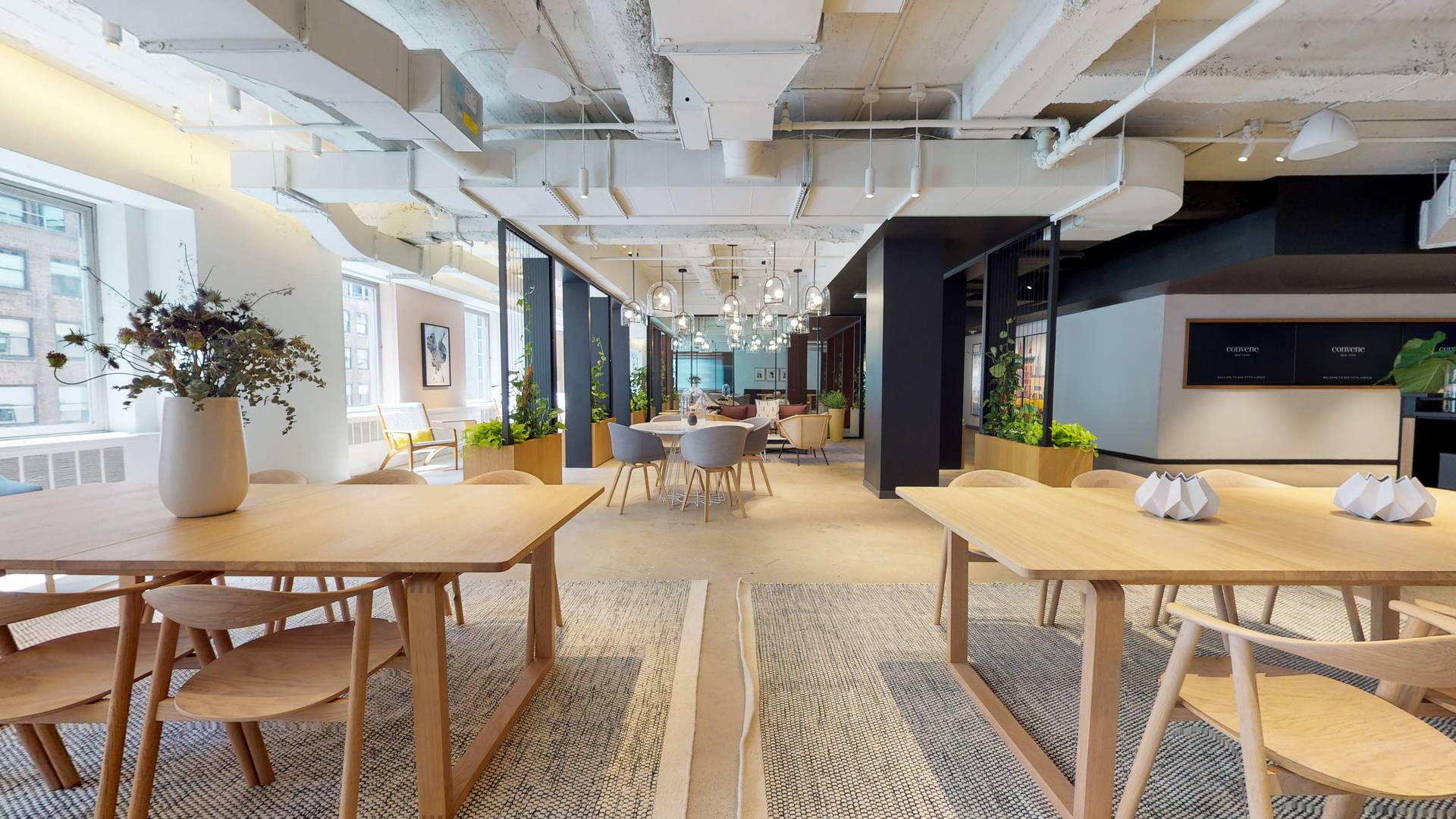
Convene 530 Fifth Avenue is a meeting and event space in Midtown Manhattan, New York. It offers over 15,000 square feet, five modular rooms, and a setting designed for executive meetings, retreats, networking receptions, corporate summits, and other business events.
A venue with outdoor wellness space
A venue with outdoor wellness space fits wellness-focused venues because it gives planners room to build in movement, fresh air, and calmer breaks without leaving the event setting. It also suits spaces beyond the boardroom, since outdoor areas can support receptions, networking, and informal sessions that feel different from a standard meeting room.
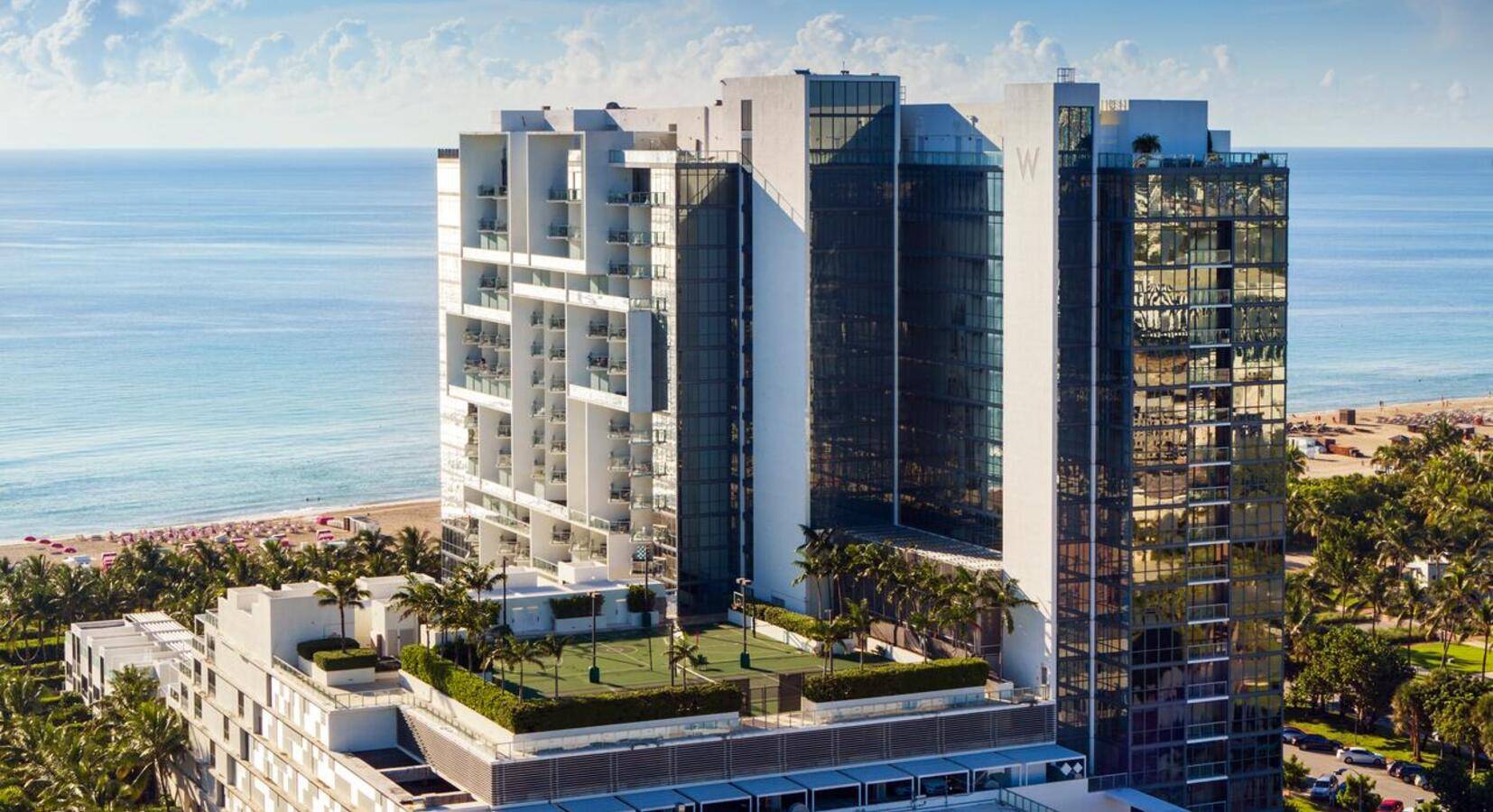
W South Beach is in Miami Beach, Florida, on the white sandy beaches of Miami. It offers flexible meeting spaces, conference rooms, outdoor spaces, and wellness and leisure activities, along with modern facilities and quality service for corporate events.
Frequently asked questions
What are the biggest event planning trends for 2026?
The strongest trends are flexible rooms, better tech, food that feels intentional, wellness-minded layouts, and venues with a clear point of view. Those choices help teams stay focused, move easily through the day, and remember the event for the right reasons.
When should I choose a flexible venue?
Choose a flexible venue when the agenda needs to move from presentation to discussion to networking without changing properties. Movable walls, reconfigurable seating, and rooms that can open or close as needed make one space work for several moments in the day.
How does AI fit into venue selection?
AI matters when it is part of integrated tech that reduces friction instead of adding it. When check-in, translation, lighting, sound, and crowd flow are already built into the venue, the planner spends less time patching together separate systems.
What should I look for in a wellness-focused event space?
Look for fresh air, natural light, quiet corners, ergonomic seating, and easy access to water. Those details help people stay comfortable and focused through long agendas, especially for offsites and strategy sessions.
How do I choose an event space in New York?
Start with the purpose of the gathering, then test the venue against the practical details. In New York, a flexible event hall can work well when you need modular rooms, while a space with a clear point of view can support a brand-led event or a meeting that needs more personality.
What makes a venue right for hybrid meetings and product launches?
A venue is right for hybrid meetings and product launches when the built-in tech supports timing, access, and clarity. Test the sound, screens, and internet before confirming the booking, and make sure the venue can support the way guests will arrive, move, and participate.