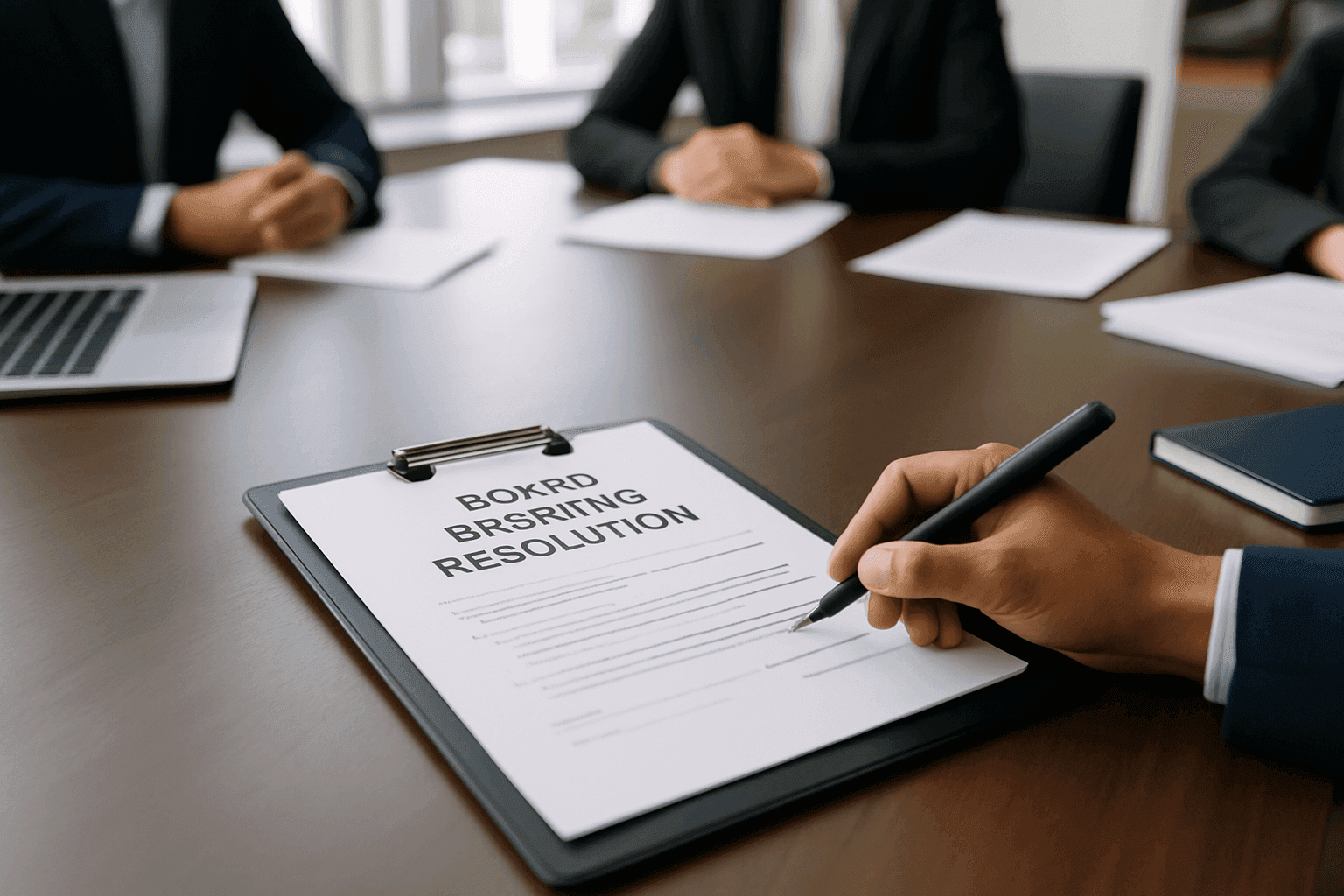
Corporate events in 2026 are no longer just parties or one-off meetings. From a client dinner in Miami to a product launch in San Francisco or an executive summit outside Denver in the Rockies, events are strategic projects that affect brand, sales, and team alignment. Treating an event as an event management project means clear governance, tight budgets, and measurable results.
Why events need project management
Every event has a fixed timeline, defined deliverables, limited resources, and many moving parts. A consumer launch in New York needs marketing, logistics, AV, and executive time all synced. A regional sales kickoff in Dallas needs venue contracts, speaker prep, travel coordination, and attendee communications. Applying project management avoids last-minute chaos and improves outcomes.
Set up event governance
An event governance framework clarifies who approves budgets, who signs contracts, and who makes final calls when things go wrong. Assign an executive sponsor to set strategic goals, a steering group to clear cross-team issues, and a project manager to run day-to-day work. That structure prevents conflicting directions and keeps accountability clear.
Build a business-aligned event strategy
Ask what the event should change or accomplish before you pick a venue in Las Vegas or a rooftop in Chicago. Are you targeting retention, new leads, or culture change at your Seattle office? Match event type and location to the business goal. If the purpose is client expansion on the East Coast, plan gatherings in New York or Washington DC neighborhoods where your customers already meet.
Budget with real discipline
Start budgeting with a line-item work breakdown: venue fees, insurance, AV rehearsals, speaker travel, and contingency. Industry practice in 2026 still recommends a contingency of 10 to 20 percent depending on event complexity. Track spend weekly during planning and daily in the final week so overspend is noticed early.
Manage stakeholders like a pro
Map executives, sales, marketing, operations, sponsors, and attendees. Tailor communications so leaders get monthly strategic updates while working teams get weekly tactical check-ins. Good stakeholder management reduces surprises and keeps sponsors happy.
Follow a clear event lifecycle
Organize work into initiation, planning, execution, monitoring, and closure. Use a formal business case before committing venue deposits. Run a readiness review before load-in and capture lessons afterwards so your next event in Miami or Las Vegas improves.
Avoid common mistakes
- Don’t lock a date before scoping the work. Complex events usually need six to twelve months of planning.
- Define decision rights early to avoid repeated reversals.
- Use change control to prevent scope creep from killing budgets.
- Plan practical contingencies for weather, tech failures, and last-minute speaker changes.
Measure ROI and performance
Define metrics during initiation. For client events track follow-up meetings and contract activity within six months. For internal town halls measure employee engagement and participation rates. Combine financial attribution with brand and relationship indicators so leadership sees clear value.
Manage risk intentionally
Create a risk register that covers operational, financial, reputational, and compliance risks. Assign owners, score probability and impact, and test contingency plans like backup AV suppliers or alternate rooms in case registration exceeds capacity.
Improve event planning maturity
Teams move from reactive ad hoc planning to repeatable and then defined processes. Aim to capture templates, decision guides, and post-event reports so knowledge lives in a central place instead of individual inboxes.
Use a simple Event Project Canvas
Summarize purpose, audience, success metrics, scope, timeline, budget, governance, and risks on one page. For example, a customer advisory board in 2026 might be a half-day working session in Boston to gather product feedback and strengthen executive relationships, with clear success metrics and a $60,000 budget including contingency.
Choose the right tech
Use event platforms for registration and agendas, collaboration tools for cross-team work, and analytics to spot trends. Test hybrid streaming before the event so remote attendees get a reliable experience. When you need inspiration for formats or activity types, explore more workplace insights that spark new ideas.
Make events greener and fairer
Pick venues with green credentials, favor digital materials over print, and work with local caterers to cut transport emissions. Ensure accessibility for all attendees and include diverse speakers. Track carbon and waste to show real progress over time.
Decide on internal teams versus agencies
Internal teams keep institutional knowledge and control. Agencies bring scale and creative execution for high-profile shows in Las Vegas or large hybrid conferences. A hybrid model often works best: keep strategic control inside and outsource execution when you need extra capacity.
Look ahead
In 2026 expect more AI for attendee personalization, persistent hybrid formats, and immersive demos using AR or VR. Balance innovation with reliability so tech enhances rather than undermines the experience.
Implement step by step
Start with governance and basic templates, pilot improvements on one event, then scale. Capture metrics and lessons to justify further investment from leadership. If you want concrete event formats and local ideas, check event ideas for teams that fit US cities and regional audiences.
Conclusion
When you plan events like projects, you reduce surprises and increase impact. Clear roles, disciplined budgets, measurable goals, and practical risk plans turn events in New York, Miami, Washington, or the Rockies into repeatable business wins in 2026.
Frequently Asked Questions
What skills does a strong event project manager need?
A good event project manager combines project management know-how with practical event experience. Look for people who can manage budgets, negotiate with vendors, and keep personalities aligned under schedule pressure. Certifications like PMP help but real experience running multi-stakeholder events matters most.
How far ahead should planning start?
Plan six to twelve months for complex events. Large conferences or international meetings need more lead time for travel and compliance. Shorter timelines raise costs and risks.
How much contingency should we budget?
Reserve 10 to 20 percent of the total budget depending on complexity and unknowns. First-time or high-risk events should lean toward 20 percent.
How do we measure event ROI?
Define financial and strategic metrics up front. Track revenue or contract activity tied to attendees, plus brand and relationship measures like NPS and media reach. Collect baseline data so you can show change after the event.
What risks matter most for events?
Prioritize operational failures, budget overruns, reputational issues, and compliance gaps. Score each by likelihood and impact, assign owners, and create contingency plans so the team can act fast when problems arise.