To market corporate event planners in 2026, a venue has to prove it can solve real planning problems, not just look polished in photos. The strongest pitches combine clear data, flexible spaces, sustainability proof, and personal follow-up. Planners want a partner who understands budgets, brand standards, and the pressure to show results to leadership.
That means every touchpoint matters. A strong virtual tour, a useful industry-specific guide, a local partner network, and a clean follow-up process can all move a deal forward. The list below keeps the original ideas intact and turns them into a clear top-10 playbook.
Key takeaways
- Show planners the space with immersive virtual tours and digital twins.
- Use data to support pricing, ROI, and sustainability claims.
- Make your venue easier to choose with industry-specific content, local partners, and precise search visibility.
- Personalize outreach, offer flexible rooms, and reward repeat business.
- Track conversion, engagement, and post-event results so you can prove value.
| Marketing Channel | Reach (Monthly Contacts) | Cost per Lead | Lead Quality | Best For Event Type |
|---|---|---|---|---|
| LinkedIn Advertising | 5,000-15,000 | $15: $35 | High (decision-makers) | Executive conferences, team retreats |
| Industry Event Sponsorships | 500-3,000 | $50: $150 | Very High (qualified buyers) | Conventions, galas, networking events |
| Direct Sales Outreach | 20-100 | $100: $250 | Very High (personalized) | Large-scale corporate events, multi-day summits |
| Content Marketing & SEO | 2,000-8,000 | $10: $20 | Medium to High (awareness stage) | All event types (builds brand authority) |
| Email Marketing Campaigns | 1,000-5,000 | $5: $15 | Medium (existing contacts) | Product launches, annual meetings, training events |
| Partnerships & Referrals | 100-500 | $20: $60 | Very High (warm introductions) | Premium corporate retreats, exclusive events |
1. Use immersive virtual tours
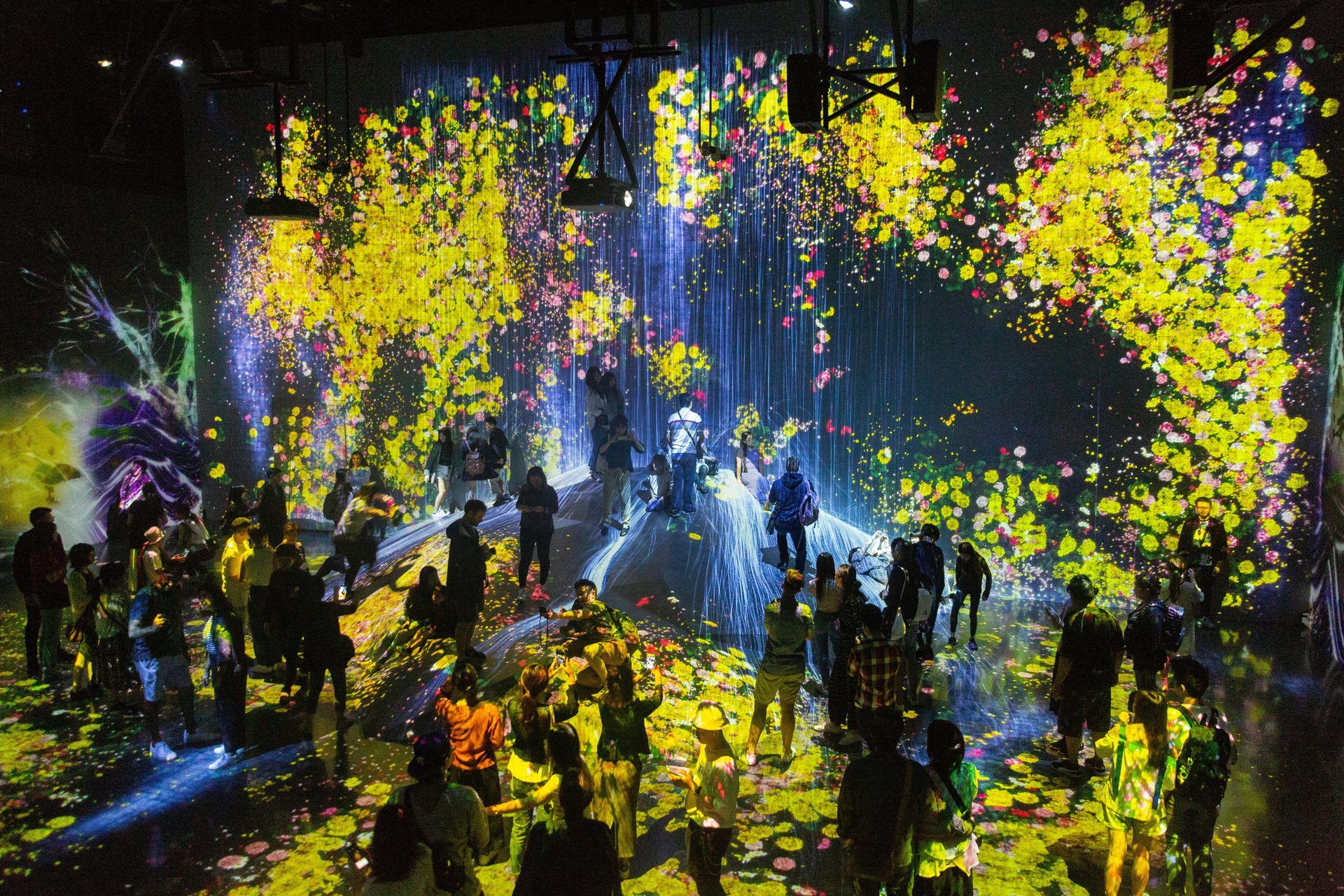
Immersive virtual tours help planners evaluate a venue quickly and confidently. High-definition 3D walkthroughs let them see stage placement, branding zones, and traffic flow without traveling. That matters when they are comparing multiple event spaces and need to move fast.
Embed the tour in proposals so the experience starts the moment a quote arrives. If you can show the space with their brand colors or event layout in mind, you make the decision feel concrete. Digital twins take this further by showing acoustics, lighting, electrical capacity, Wi-Fi router placement, and weight limits.
2. Use data for smart pricing
Smart pricing helps you stay competitive without guessing. By analyzing booking trends, you can suggest dates that offer better value during slower periods and build flexible pricing models that reward longer commitments. That gives planners a practical way to manage budget pressure.
Transparency matters here. Clear availability and pricing data help buyers justify their choice internally, especially when executives want proof of value. The comparison table in the article points to the same idea: the channels and offers that perform best are the ones that combine reach with cost efficiency and lead quality.
3. Create content for specific industries
Industry-specific content helps planners see that you understand their world. A tech team in San Francisco does not need the same guidance as a law firm in Washington, DC, so generic articles will not do much. Write for the actual use case, whether that is hybrid meeting logistics, offsite ROI, or team-building in mountain settings.
Keep the tone useful and light on promotion. When your content answers real planning questions, it positions your venue as a resource rather than another sales pitch. That is the kind of credibility corporate buyers remember when they are narrowing options.
4. Build a strong local partner network
A strong local partner network makes your venue easier to book because planners often need more than a room. Catering, transportation, and activities all shape the final experience. When you can bundle vetted local vendors, you reduce friction and give clients a more complete solution.
Exclusive packages can make that offer even more useful. A local contact who knows the area well also helps planners feel supported on the ground. That extra layer of service can matter as much as the space itself.
5. Show up in the right searches

Showing up in the right searches helps planners find you when they already know what they need. Specific phrases like "sustainable retreat near the Hudson Valley" or "high-tech loft in downtown LA" are more useful than broad terms like "meeting room." They signal intent and bring in better-fit leads.
Voice and AI search matter too, so keep your website clean and your business listings current. If your venue is easy to find during research, it has a better chance of making the shortlist before a planner ever speaks to sales.
6. Focus on green meetings and reports
Green meetings are now part of the decision process, not an optional extra. Planners need clear carbon footprint reports, and many want a sustainability summary they can share with leadership after the event. That kind of documentation helps them defend the choice internally.
Venues that can point to zero-waste catering and renewable energy have a stronger case with buyers who care about corporate sustainability commitments. The message is simple: if your property can show the environmental side of the event clearly, it becomes easier to trust.
7. Use smart tools for personal emails
Personal emails work better when they reflect what a planner has already told you. Notes about vegan catering, stage setup, or technical requirements show attention to detail and make the follow-up feel relevant. That is a better use of time than sending the same message to everyone.
Reference the last successful event if you have that information, then offer a next-step solution that fits their current need. A message that feels informed and specific is more likely to get a reply, especially when planners are juggling several options at once.
8. Offer rooms that can change quickly
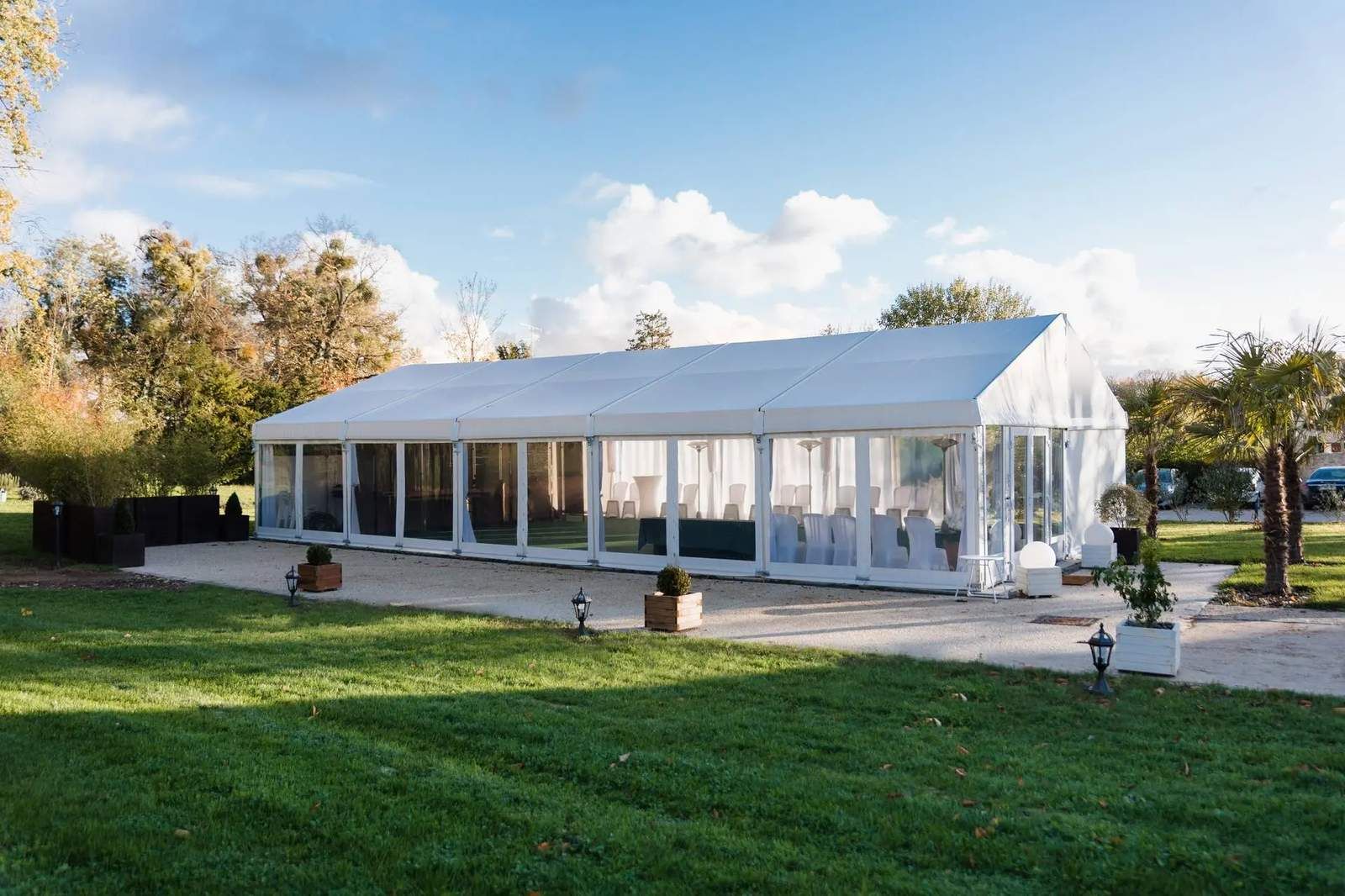
Rooms that can change quickly are valuable because many corporate gatherings need more than one setup in a single day. A formal presentation may need to become workshop breakouts in minutes, and that only works if the space can adapt. Moveable walls, modular seating, and adjustable lighting make that possible.
These features are not extras. They are part of what planners expect when they are booking for employee engagement or creative collaboration. If your venue can shift fast, say so plainly and show how the room supports different formats.
9. Host local preview days
Local preview days give planners a better sense of how the venue actually performs. Instead of a standard tour, let them taste the catering, test the Wi-Fi, and see service in action. That kind of firsthand experience builds confidence faster than a brochure ever will.
It also gives your team a chance to show how the property handles real event conditions. When planners can experience the space, the food, and the service together, the booking conversation becomes much easier.
10. Start a simple loyalty program
A simple loyalty program helps repeat clients feel recognized and gives them a reason to come back. Perks like first choice of dates or complimentary room upgrades reward reliability without making the offer complicated. For annual meetings and recurring group gatherings, that consistency matters.
Planners value venues that remember them and make future bookings easier. A straightforward loyalty approach can keep occupancy steady while turning one-time clients into repeat partners. That is often the difference between a venue that gets considered once and one that becomes the default choice.
How Naboo helps you book market corporate event planners
Every venue here is bookable through Naboo, the corporate event platform. You send one brief, then compare proposals from a network of 170,000+ venues and suppliers, with transparent quotes side by side. A dedicated event manager handles sourcing, contracting and on-site logistics, so the planning stays in one place instead of scattered emails and spreadsheets.
Teams that run events on Naboo save up to 15% on average, and the platform has managed €500M+ in event procurement. You get AI venue suggestions matched to your brief, standardized proposal comparison, and real-time tracking through the event app.
Frequently asked questions
How has the role of a corporate planner changed in 2026?
Planners now function as experience designers. They focus on employee engagement and corporate sustainability goals rather than logistics alone.
What are the top venue strategies for 2026?
Transparency through 3D tours and live calendars, environmental accountability, and adaptable spaces that work for any meeting type.
How can a venue start getting more corporate bookings?
Start with excellent virtual tours on your website. Move to personalized outreach based on the prospect's industry and past event details.
How do you fill a venue during the off season?
Use data to offer strategic pricing during slow periods. Host preview days that show planners your space works year-round.
Why is corporate outreach different from regular marketing?
It's consultative, not transactional. You're solving business problems, addressing technical details, and positioning yourself as a long-term partner.
Leverage data and analytics to demonstrate ROI
Data and analytics help you prove that your venue delivers measurable value. Corporate buyers want evidence they can take to leadership, so attendance rates, engagement metrics, cost per attendee, and business outcomes all matter. Collecting that information from every event gives you something stronger than a generic testimonial.
Build a tracking system that captures performance before, during, and after the event. Then package the results into case studies and post-event reports that show what happened and why it mattered. When you can connect the event to satisfaction scores, networking activity, and ROI calculations, you give planners a practical reason to book again.