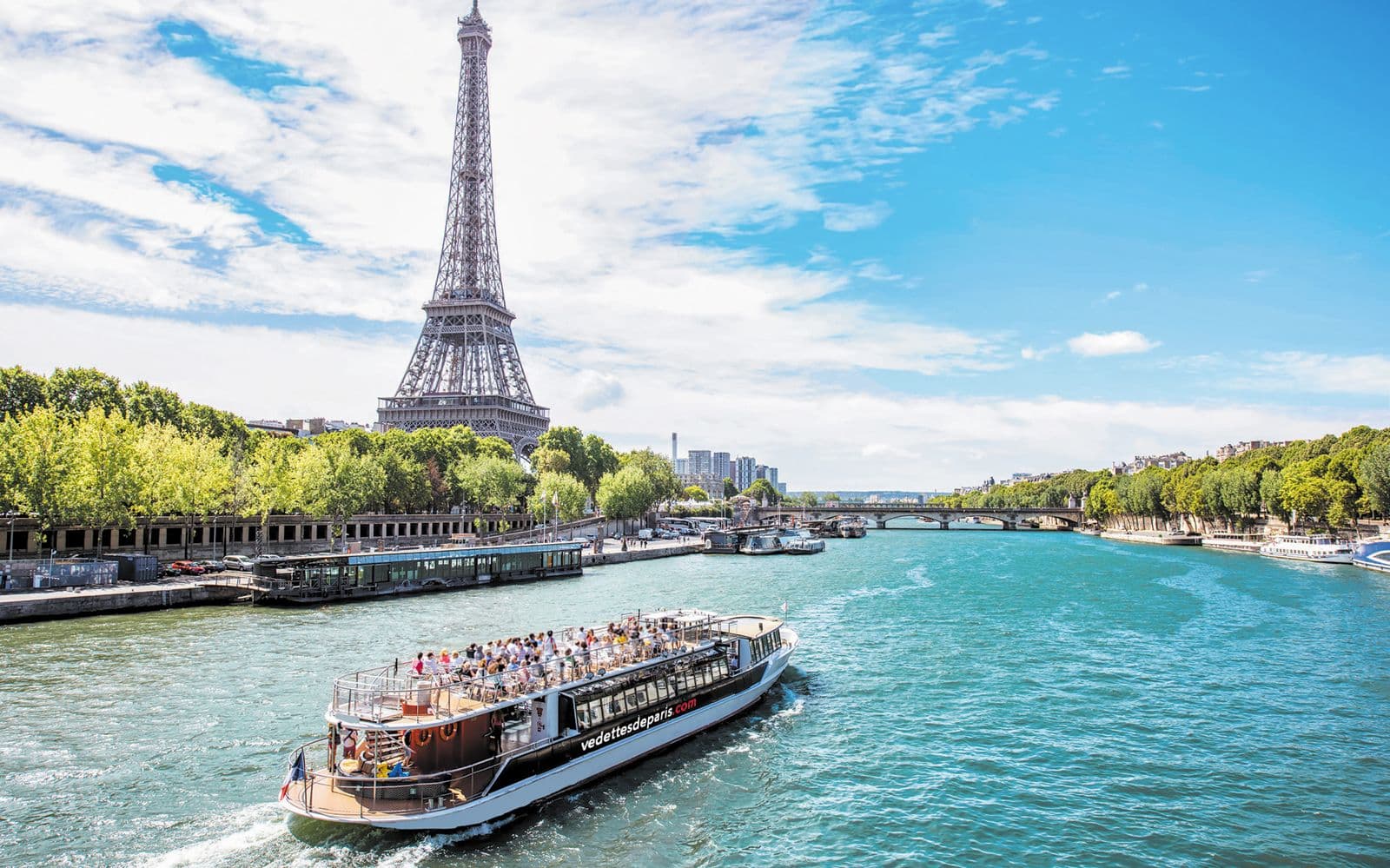
Paris is split across the Seine and that split matters for every event planner. For US teams planning gatherings in 2026, the choice between the Rive Droite and the Rive Gauche affects tone, transport, and the guest experience from arrival in Charles de Gaulle to evenings in the city.
1. Target audience demographics
Start by mapping who will actually attend. Travelers from New York, Chicago, or San Francisco expect easy transfers and straight routes. Attendees flying from the West Coast often prefer venues with strong public transit links and simpler hotel commutes. The Right Bank tends to attract younger, more international crowds and tech teams, while the Left Bank still draws academic, media, and luxury audiences who value quieter streets and classic salons.
Practical considerations for audience mapping
- Note where most guests will stay. Business hotels near Gare du Nord or La Defense favor Right Bank venues for shorter commutes.
- If your group is art or literature focused, the 5th and 6th arrondissements on the Left Bank mirror those values.
- Consider flight patterns from hubs like JFK, LAX, and Miami when scheduling start times and transport.
2. Brand identity and atmosphere
Match the venue to your brand. Right Bank spaces often include converted lofts and bold contemporary venues that speak to innovation. Left Bank sites tend to be historic townhouses and intimate mansions that support a refined, heritage feel. Pick the side that makes the venue feel like a natural fit for your message.
Aligning visual identity
If your brand uses clean, minimalist visuals, a modern Right Bank space near Canal Saint Martin or the 11th arrondissement will fit better than a heavily decorated Left Bank salon. For heritage brands or executive retreats, Saint Germain des Pres or the 7th arrondissement create the right backdrop.
3. Logistics and accessibility
Think like your vendors and attendees. Most international flights land at Charles de Gaulle and many train connections arrive at Gare du Nord, making the Right Bank more convenient for arrivals from London or regional trains. The Left Bank offers a walkable experience for guests staying around the Latin Quarter, but narrow streets can complicate load in and catering vans. For practical event planning tools and local vendor contacts, check event ideas for teams when you are building the schedule.
Operational efficiency and vendor access
Check loading dock access, elevator sizes, and permitted load in hours. Modern Right Bank venues often include AV packages and service elevators. Historic Left Bank buildings may require special insurance, extra staff for guest flow, or temporary power solutions.
4. Strategic budgeting and venue tiers
The Left Bank can carry a premium because of its heritage and limited large spaces. If your team is used to New York or Washington DC pricing, expect a similar premium in central Left Bank neighborhoods. The Right Bank offers more variety and can be more budget friendly, especially in the 10th or 11th arrondissements where you get creative spaces at better rates. For ongoing planning tips and neighborhood comparisons, read more articles on the Naboo blog.
Hidden costs in historic venues
Plan for heritage fees, extra insurance, and possible restrictions on signage, live music, or late night hours. Those costs can erode savings from a lower base rental fee.
5. Structural flow and capacity optimization
Right Bank venues often offer large open plans that work well for conferences, exhibitions, or hybrid setups. Left Bank sites are usually compartmentalized with a series of salons that are great for small breakouts, dinners, and networking sessions that feel intimate.
Maximizing the attendee journey
Decide whether your event needs an expansive, linear layout or a discovery based walk through multiple rooms. That choice should come from the agenda and how you want people to meet and move.
common pitfalls in paris event strategy
Do not pick a venue only for the pictures. Check local calendars for holidays, trade shows, protests, and Paris fashion events that can close streets and hotels. Visit the site at the exact hour you plan to hold your sessions to test noise, lighting, and access.
measuring the success of your choice
Use simple metrics. Track attendance and on time arrivals, ask two quick survey questions about venue fit, and watch social shares. If people mention the venue in post event feedback or on social channels, you likely made a strong choice.
scenario: a 2026 innovation summit
A US based tech company planning a June 2026 summit weighed prestige against practicality. Their target audience of developers and VCs favored the energy of the Right Bank, so they chose a renovated warehouse in the 11th arrondissement. The space allowed for large AV rigs and pop up demo areas, which would have been hard to fit in a Left Bank mansion. The result was a live program that felt modern to attendees flown in from Silicon Valley and New York.
frequently asked questions
How far in advance should US teams book venues for 2026?
Start at least 12 to 18 months out. Top venues in both Left Bank and Right Bank neighborhoods fill quickly in 2026.
Which bank is better for sustainability goals?
Many renovated Right Bank venues meet modern energy and waste standards. However, a few Left Bank sites have invested in green upgrades, so verify certificates and onsite recycling before you sign.
Can I host a large conference on the Left Bank?
Yes, there are larger conference spaces near Montparnasse and the 15th arrondissement that offer classic Left Bank charm with the capacity for hundreds.
Is the Right Bank always cheaper?
No. While the Right Bank offers more budget options overall, premium streets on either bank can be expensive. Compare specific neighborhoods and what is included in the price.
What is the best way to move guests between banks?
Use timed river transfers, group shuttles, or coordinate metro routes to turn transport into part of the guest experience rather than a headache.