
Reducing corporate event costs starts with five decisions: where you host, when you book, what you protect, how many suppliers you use, and how much of the process you run digitally. Those levers keep the event intact while cutting the spend around it.
Key takeaways
- Choose a venue close to most attendees to reduce overnight stays and travel reimbursement.
- Book early and favor midweek dates to improve pricing.
- Keep the core agenda steady and flex catering, entertainment, and decoration first.
- Use fewer suppliers to cut coordination and invoice handling.
- Move comparison and invoicing into digital workflows to save time across the portfolio.
| Idea | Best for | What it builds |
|---|---|---|
| Venue location | Teams trying to cut travel and hotel spend without changing the agenda | Lower accommodation pressure and easier attendance |
| Planning lead time | Planners who can lock dates early and avoid last-minute buying | Better pricing and more date choice |
| Programme layering | Events with a fixed business agenda and flexible extras | Spend control without weakening the main experience |
| Supplier consolidation | Companies managing several events across the year | Less admin, fewer delays, and cleaner procurement |
| Digital process efficiency | Teams that want to spend less time comparing offers and processing invoices | More planning capacity and lower overhead |
1. Venue location: the fastest way to cut travel-related spend
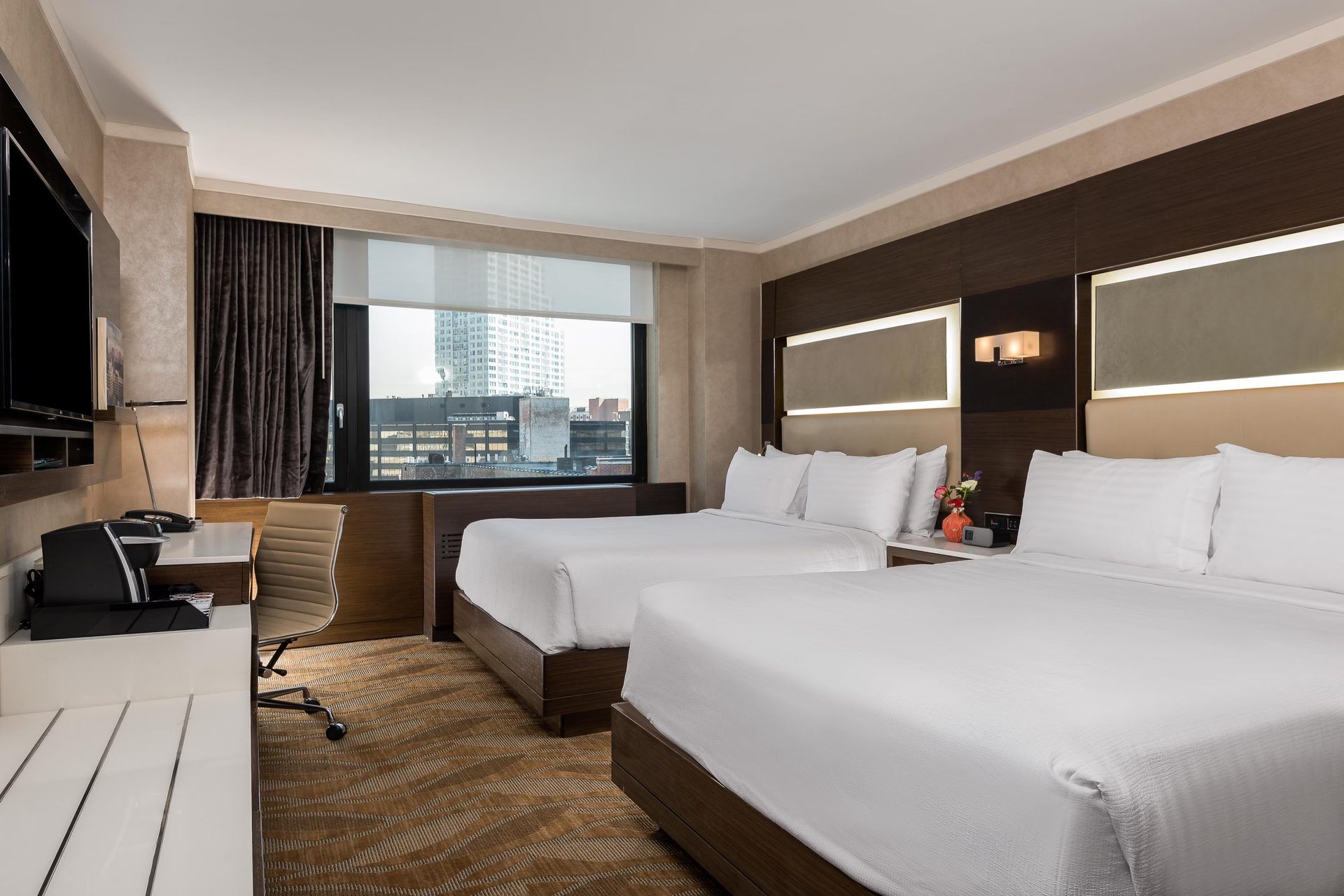
Venue location is the quickest way to reduce corporate event costs because it directly affects accommodation and travel reimbursement. The MICE Report notes that accommodation averages 126 euros per person per night, so moving the event closer to where most attendees are based can remove a large line item without changing the program itself. That matters for team events, where attendance is often stronger when the venue is easy to reach and the schedule stays focused on the meeting, not the commute. A venue within 90 minutes of most guests can be enough to keep the event local for many people and still feel like a proper offsite.
Best for: Team gatherings, leadership meetings, and company offsites where travel is a major part of the budget.
How to set it up: Map where attendees are based before you shortlist venues. Prioritize properties that reduce overnight stays for the largest share of the group. Compare the total trip cost, not just the room rate. If the agenda is short, look for event spaces that let people arrive and leave the same day.
2. Planning lead time: book earlier to get better rates
Planning lead time lowers spend because venues usually price more favorably when they have time to hold space and prepare resources. Events booked more than three months ahead tend to get better rates than those booked within six weeks, and midweek dates in many markets cost less than weekend dates. For planners, that means the calendar is a cost tool, not just an operations tool. The earlier the date is secured, the more room there is to compare options, negotiate, and avoid paying for urgency.
Best for: Annual meetings, recurring team events, and programs with dates that can be set well in advance.
How to set it up: Build event dates into the calendar early and ask for options before the brief is final. Compare midweek and weekend pricing before you commit. If your company runs several gatherings each year, keep a preferred venue list so you can move faster when a date opens up.
3. Programme layering: protect the core and flex the extras
Programme layering works because not every part of an event carries the same value, and not every part needs the same spend. The core agenda, the reason people are gathering, should stay intact. Around it, catering range, entertainment, team activities, and decoration are the first places to adjust. That order matters. It lets planners keep the event useful and memorable while trimming the parts that support the experience rather than define it. For teams, this is often the difference between a lean event and a stripped-down one.
Best for: Events with a fixed business purpose and flexible social elements.
How to set it up: Write down the non-negotiables first, then mark the items that can flex if budget tightens. Ask suppliers for simpler menu formats, lighter entertainment options, and fewer decorative add-ons. Review every extra against the goal of the event, not against habit.
4. Supplier consolidation: reduce hidden admin and coordination costs
Supplier consolidation cuts costs that do not always show up in the headline quote. The MICE Report says invoice processing alone averages one hour per event, and that is before the back-and-forth that comes with multiple vendors. Using fewer suppliers reduces duplicate communication, shortens approval cycles, and makes billing easier to track. It can also improve buying power across a year of events, especially when the same venue or service partner is used more than once. For corporate teams, that means less time spent chasing details and more control over the budget.
Best for: Companies running several events a year or managing complex procurement workflows.
How to set it up: Group related needs together before you source. Ask whether one venue or one service partner can cover more of the brief. Standardize how quotes and invoices are submitted so finance does not have to clean up different formats. Keep a short list of preferred suppliers and review it after each event cycle.
5. Digital process efficiency: save time on every booking
Digital process efficiency lowers event spend by reducing the labor built into sourcing and billing. The MICE Report shows that teams using integrated digital platforms spend 30 percent less time on offer comparison and 33 percent less time on invoice processing than teams using manual workflows. That matters because the savings are not tied to one event. They repeat across the full portfolio. When comparison, approval, and invoicing are easier to manage, planners can handle more events with less friction, or spend the same time on better decisions.
Talking about the AI inside Naboo’s platform, Maxime Eduardo, CEO at Naboo, put the time saving this way:
"It is already beginning to respond to more than half, sometimes even 70%-80%, of the cases handled by humans... What takes a human two to three days is done in about ten minutes."
Best for: Event teams that compare many venues, manage repeated bookings, or want cleaner procurement workflows.
How to set it up: Move venue sourcing, quote comparison, and invoice tracking into one workflow. Use the same structure for every brief so proposals are easier to compare. Keep approvals in one place and make sure finance can see the same information as the event team. The goal is fewer handoffs, not more tools.
How do you choose the right cost-saving move first?
Start with the line item that is largest and easiest to change. If travel and accommodation are driving the budget, venue location comes first. If the date is flexible, planning lead time is the quickest win. If the agenda is fixed but the social layer is not, programme layering gives you room to adjust without weakening the event. For teams running several gatherings, supplier consolidation and digital process efficiency usually pay off over time because they reduce repeated admin. The right choice is the one that protects the event's purpose while removing the least valuable spend.
How do you measure whether the event budget is actually improving?
Track cost per attendee by event type and compare it with the previous cycle. Review how much of the total budget goes to travel, accommodation, catering, supplier handling, and invoice processing. Look at whether the event still delivers the intended quality, not just a lower total. If the spend is falling but the agenda is intact and the team still wants to attend, the approach is working.
Frequently asked questions
What is the single most effective way to reduce corporate event costs?
Choosing a venue closer to where most attendees are based is usually the biggest single move. It reduces overnight accommodation, which the MICE Report says averages 126 euros per person per night, and it can also lower travel reimbursement without changing the event program.
How can event teams reduce costs without cutting event frequency?
Use programme layering, supplier consolidation, and digital process efficiency. That combination keeps the core agenda in place, reduces admin overhead, and makes it easier to run more events without adding as much friction to the budget.
How does booking lead time affect event pricing?
Events booked more than three months in advance tend to secure better rates than those booked within six weeks. Midweek dates are also often cheaper than weekend dates, so the calendar itself can be one of the strongest budget tools.
Are virtual events a good cost-saving option for corporate teams?
Sometimes, but only for formats where the goal is simple and the stakes are low. For team events that depend on culture, relationships, or strategic alignment, in-person gatherings usually do more of the work.
How does supplier consolidation help the budget?
It reduces the time spent on coordination and invoice handling, which the MICE Report shows can add up quickly. It can also improve buying power when the same suppliers are used across multiple events.