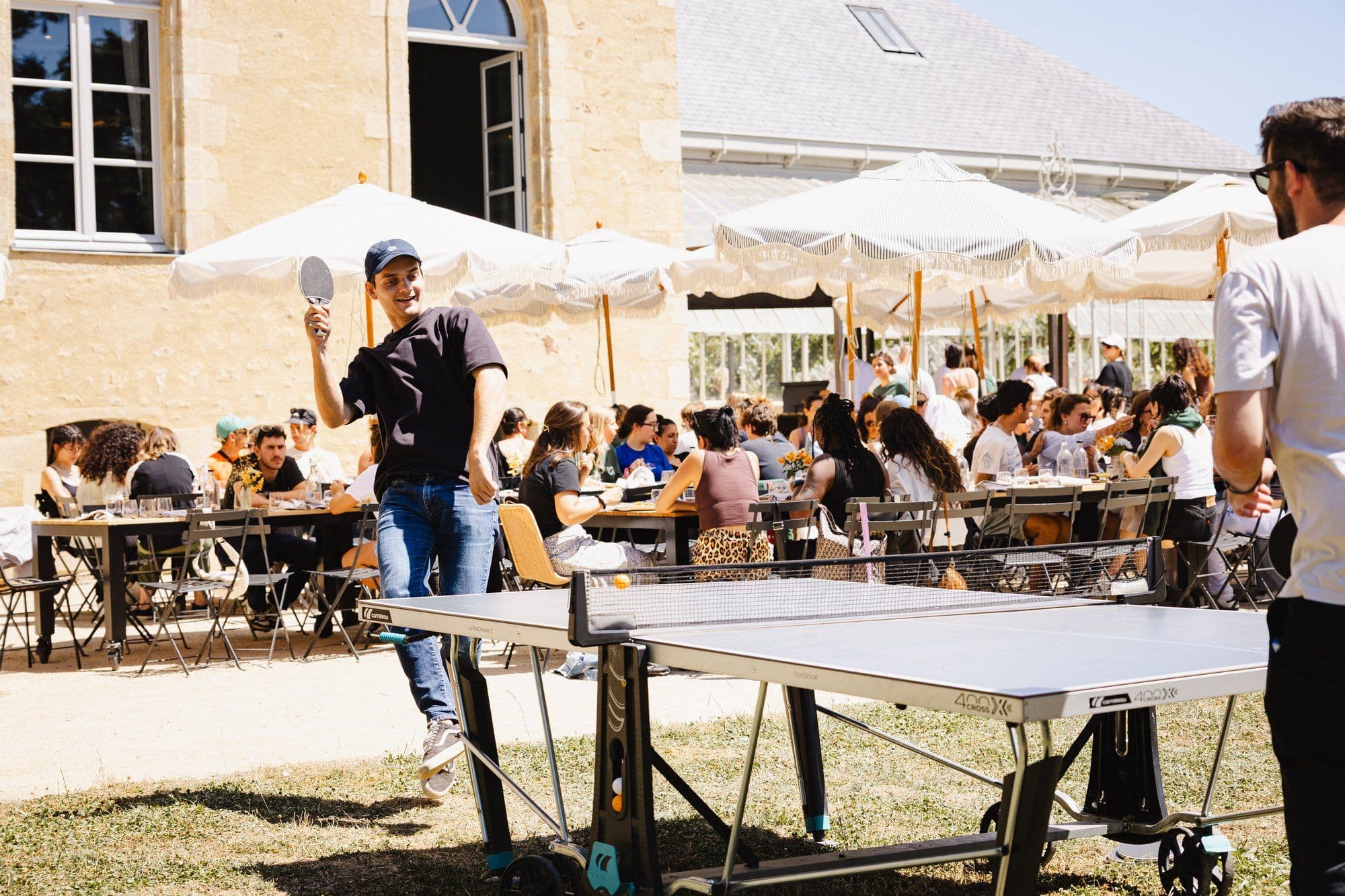
Face-to-face interaction in a relaxed setting still beats any digital tool. That's why the right company picnic ideas matter. A well-planned company picnic strengthens culture, breaks down hierarchy, and lets employees connect as people. Whether you're organizing a small gathering in a local park or a larger event at a dedicated outdoor venue, the food, activities, and logistics make the difference.
Key takeaways
- The best company picnic ideas combine good food, optional activities, and space to relax so employees can connect at their own pace.
- Food stations like global street food, customized picnic hampers, mocktail bars, and local craft beer or cider tastings add choice and help accommodate different dietary needs.
- Easy-to-join outdoor activities such as lawn games, field day challenges, scavenger hunts, and collaborative nature art encourage conversation without pressure.
- Quiet zones, guided meditation, shaded seating, and live acoustic music give people room to reset, which makes the picnic feel more balanced and inclusive.
- For planning, digital event concierge tools, sustainable logistics, professional photography, and branded merchandise help keep the event organized and memorable.
| Idea | Type | Best for |
|---|---|---|
| 1. Global street food stations | Food | Mixed groups and flexible outdoor venues |
| 2. Customized picnic hampers | Food | Medium to large teams without central dining |
| 3. Mocktail and hydration bar | Drinks | Inclusive daytime picnics |
| 4. Local craft beer and cider tasting | Drinks | Social groups at private outdoor venues |
| 5. Lawn games tournament | Games | Mixed teams and casual outdoor groups |
| 6. Field day challenges | Games | Energetic teams that like light competition |
| 7. Park scavenger hunt | Games | Teams that want movement and teamwork |
| 8. Collaborative nature art | Creative | Groups with mixed energy levels |
| 9. Hammock and lounge areas | Relaxation | Relaxed picnics and mixed-energy groups |
| 10. Live acoustic music | Relaxation | Picnics that need a calm atmosphere |
What should you plan before organizing a company picnic?
Planners need a clear guest count, a weather plan, and a venue that can handle food, movement, and downtime without feeling cramped.
Why host a company picnic?
A picnic gives people time to talk outside the office, mix across teams, and share a setting that feels less formal than a meeting room or banquet hall.
As Maxime Eduardo, CEO at Naboo, puts it:
"In a world where there is remote every day, this is amazing to see our teams gather for the first time."
What makes a company picnic successful?
Good food, optional activities, and enough space for people to choose their own pace. The strongest events do not force constant participation; they give guests room to eat, talk, and step away when they want.
How large should a company picnic be?
Picnics can work for small groups or large departments, but the format should match the site. For bigger gatherings, break guests into smaller groups for meals or activities so the event still feels personal.
1. Global street food stations
Global street food stations can sit alongside or replace a standard barbecue by building the menu around taco bars, bao bun stations, or Mediterranean bowls. They work because they give people choice, make it easier to accommodate vegetarian, vegan, and gluten-free preferences, and keep the food service moving in a way that fits the venue and activity flow.
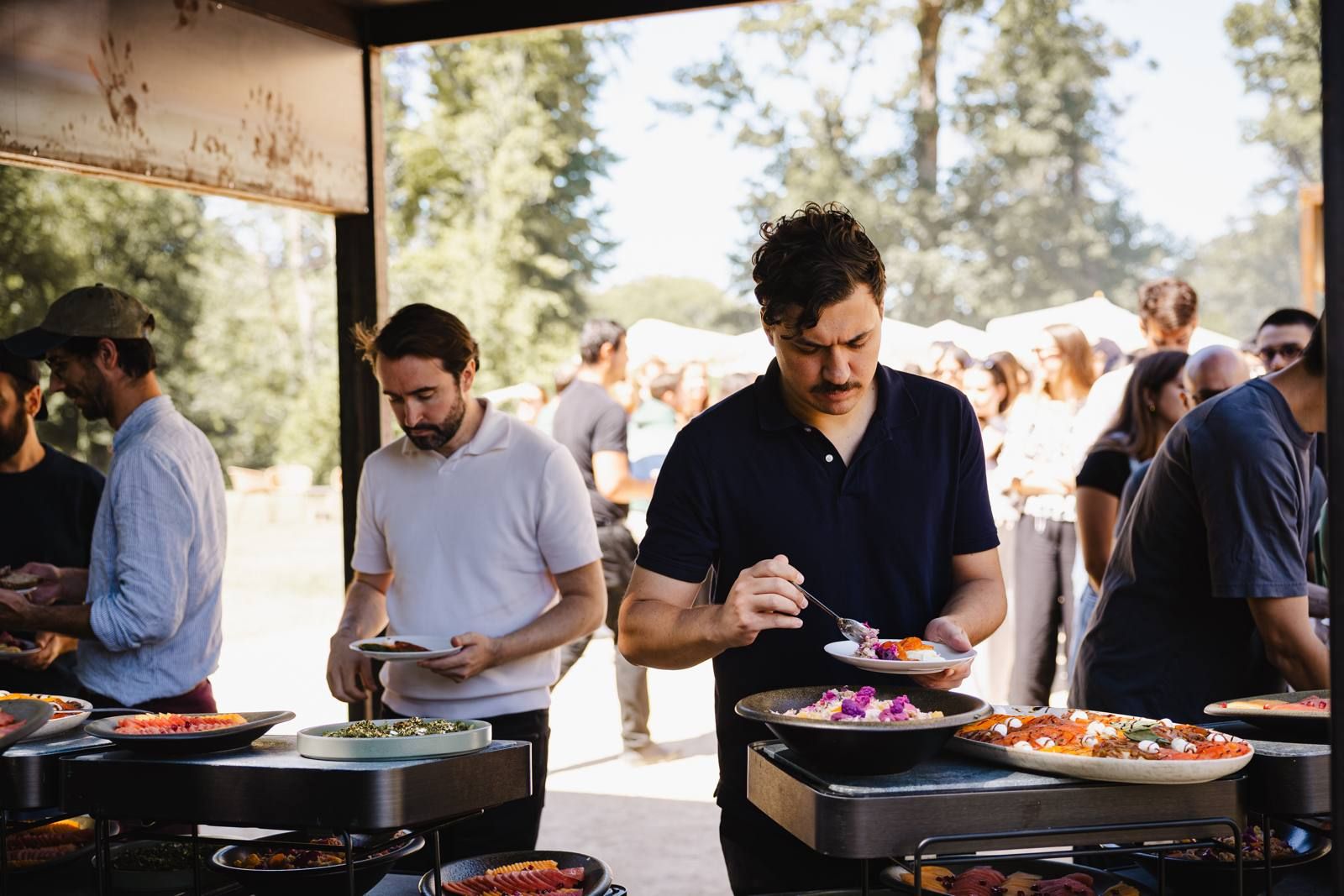
Best for: Mixed groups and flexible outdoor venues
How to set it up: Choose the format that fits your headcount, season, budget, and venue. Match the service style to the setting, whether that is a park gathering, beach outing, backyard-style setup, adventure day, riverside retreat, or urban food festival. Build the menu around how people will actually eat on site so fewer guests are waiting at once.
2. Customized picnic hampers
Customized picnic hampers give each team or department its own curated basket filled with artisanal snacks, local products, and seasonal treats. They work well when people are spread across multiple tables or lawn areas, and they keep service simple when the property does not have a central dining space.
Best for: Medium to large teams without central dining
How to set it up: Prepare the baskets for each team or department before guests arrive. Place them where groups can pick them up easily across the lawn or seating areas. Keep the setup simple so people can sit and connect without needing a central serving point.
3. Mocktail and hydration bar
A DIY mocktail and hydration bar keeps drinks interesting without relying on sugary options or alcohol. It adds color to the setup and gives people something to mix and customize between activities.
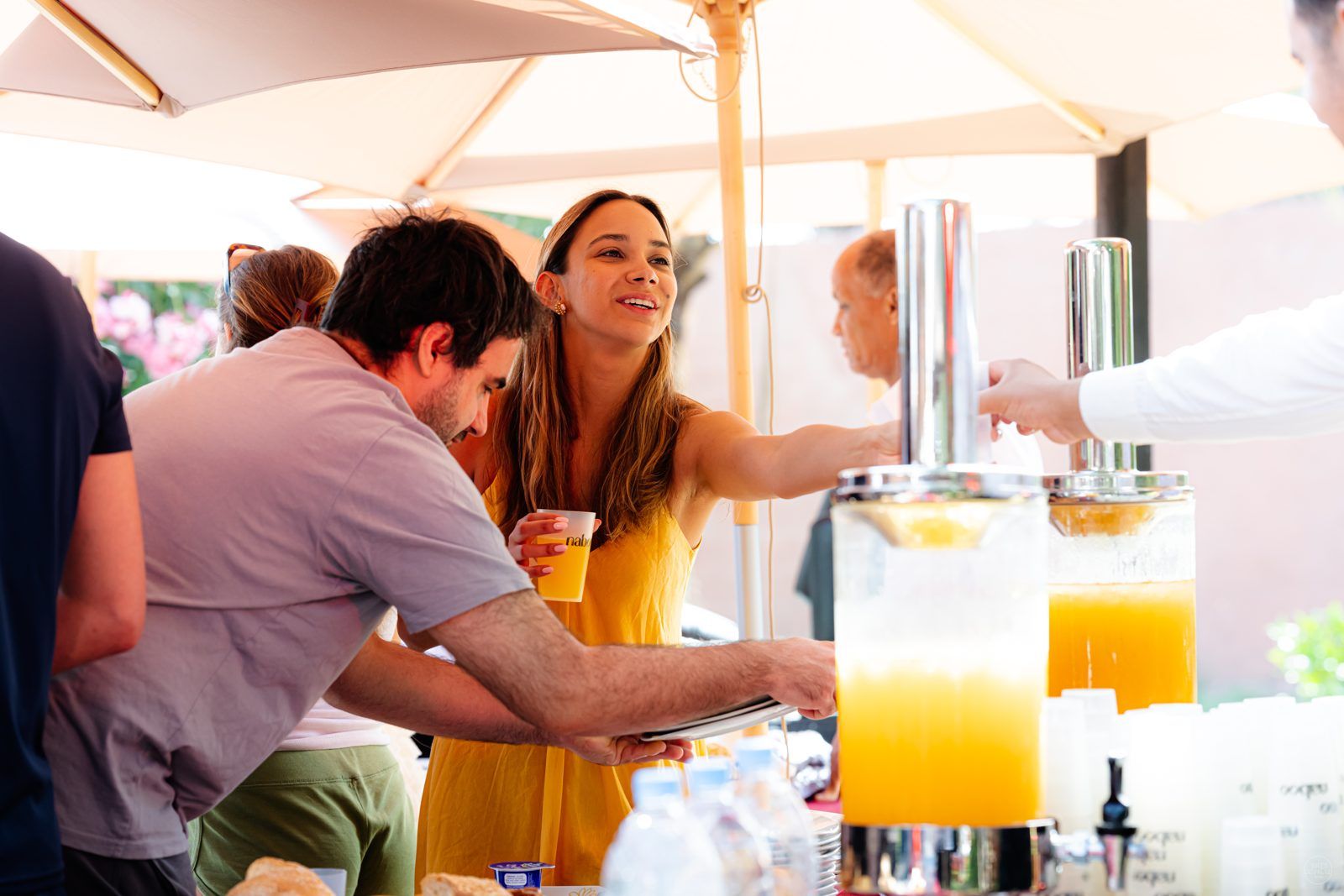
Best for: Inclusive daytime picnics
How to set it up: Set out fresh fruit, herbs, and flavored waters for guests to mix themselves. Use company colors or signage to brand the station. Keep it easy to reach so people can stop by between activities.
4. Local craft beer and cider tasting
A local craft beer and cider tasting brings regional flavors into the day and gives the picnic a more social feel than a standard lunch service. It works especially well at a private buyout or outdoor venue, where guests can move through a tasting table at their own pace.
Best for: Social groups at private outdoor venues
How to set it up: Partner with local breweries or cider houses to supply the tasting table. Offer tasting portions and include non-alcoholic choices so everyone has an option that fits the event. Keep the table easy to approach during the picnic flow.
5. Lawn games tournament
A lawn games tournament gives guests simple stations with cornhole, giant Jenga, and bocce ball. The games are quick to explain, low pressure, and well suited to casual conversation between teams that do not usually work together.
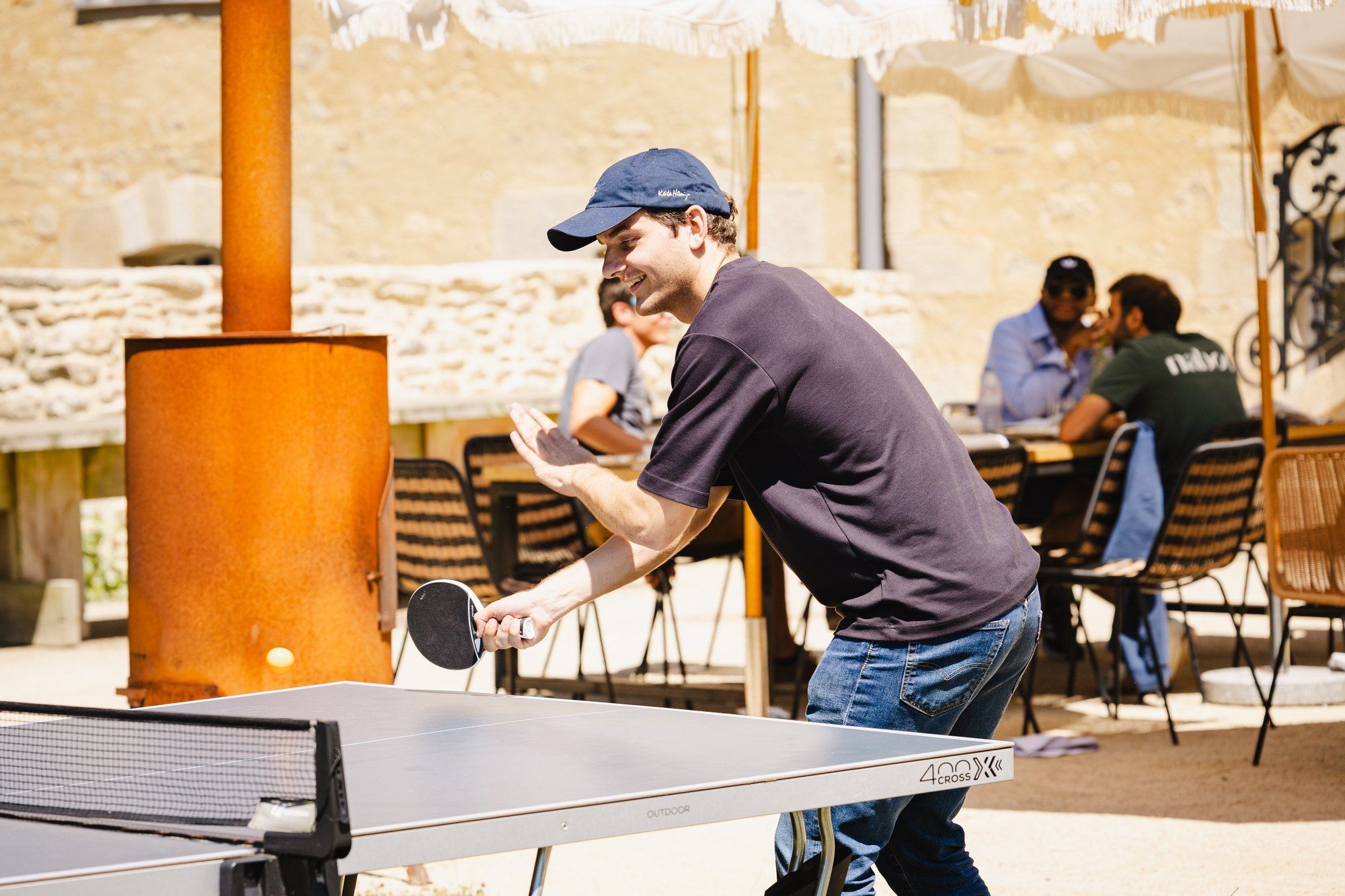
Best for: Mixed teams and casual outdoor groups
How to set it up: Set up the stations in open space where people can rotate easily. Include an outdoor ping-pong table as one station if you want another quick, familiar option. Keep the rules simple so guests can join without a long explanation.
6. Field day challenges
Field day challenges use short, optional rounds like three-legged races, sack races, or egg-and-spoon relays. The format works because it stays light and time-boxed, so the focus stays on fun instead of winning.
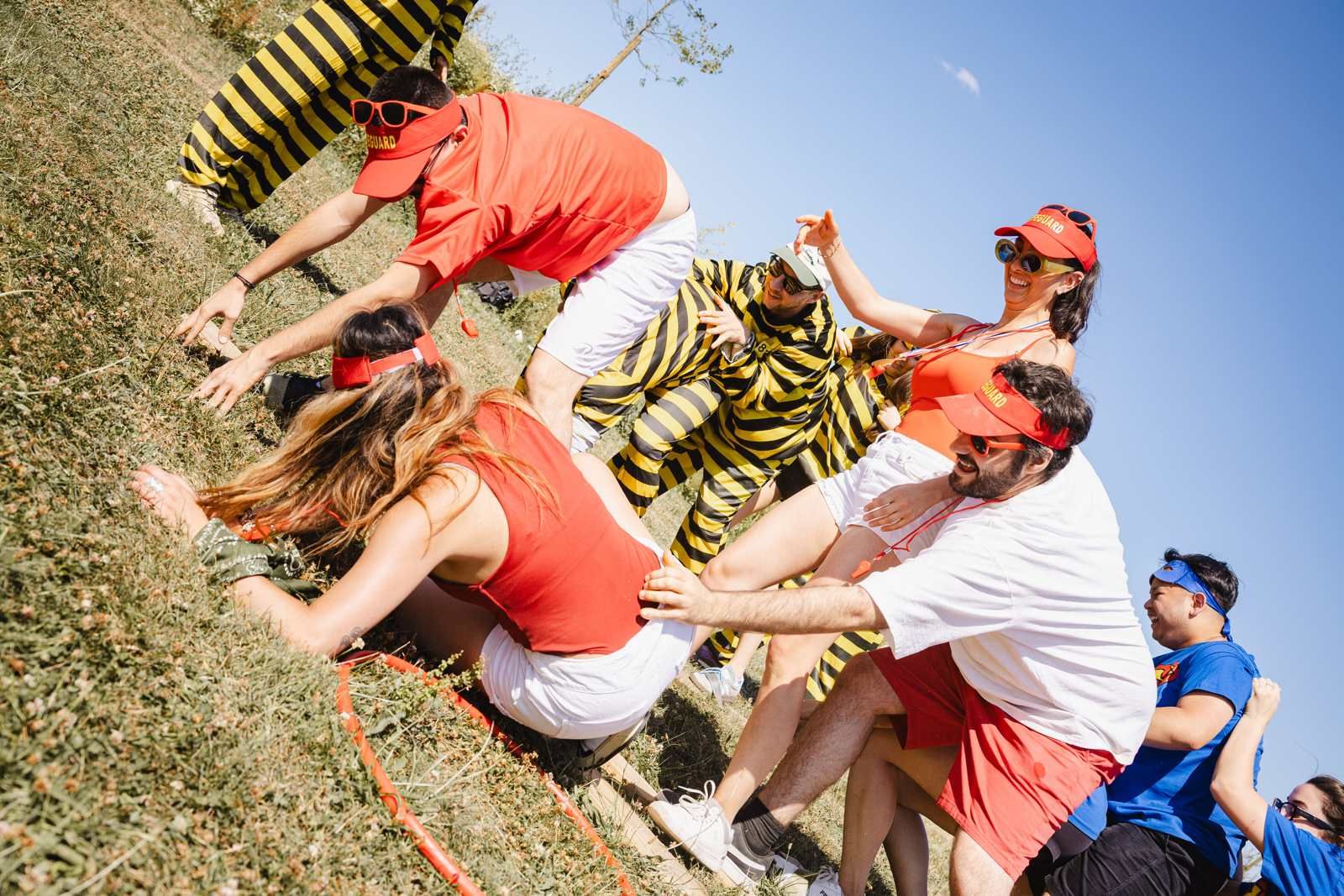
Best for: Energetic teams that like light competition
How to set it up: Plan each round to be short and optional. Keep the pace moving so no one is waiting too long between challenges. Use simple activities that are easy to understand on the spot.
7. Park scavenger hunt
A park scavenger hunt adds movement, problem-solving, and teamwork without asking anyone to be especially athletic. It works well with local landmarks, clue cards, or company-themed prompts, which gives the group a shared task while they explore the park.
Best for: Teams that want movement and teamwork
How to set it up: Build the hunt around local landmarks, clue cards, or company-themed prompts. Keep the route clear and the clues easy to follow. Make sure the activity fits the park setting so guests can move through it at a comfortable pace.
8. Collaborative nature art
Collaborative nature art gives guests large canvases and eco-friendly paints to create a shared mural inspired by the setting. It works well because quieter guests can participate comfortably, and the finished piece gives the group something visible to remember the day by.
Best for: Groups with mixed energy levels
How to set it up: Set out the canvases and eco-friendly paints in a shared area. Give people room to add to the mural throughout the picnic. Keep the theme tied to the setting so the final piece feels connected to the day.
9. Hammock and lounge areas
Hammock and lounge areas create space for quiet conversations and rest when not everyone wants high-energy games. Picnic blankets and shaded seating make the picnic feel more relaxed and give guests a place to pause between activities.
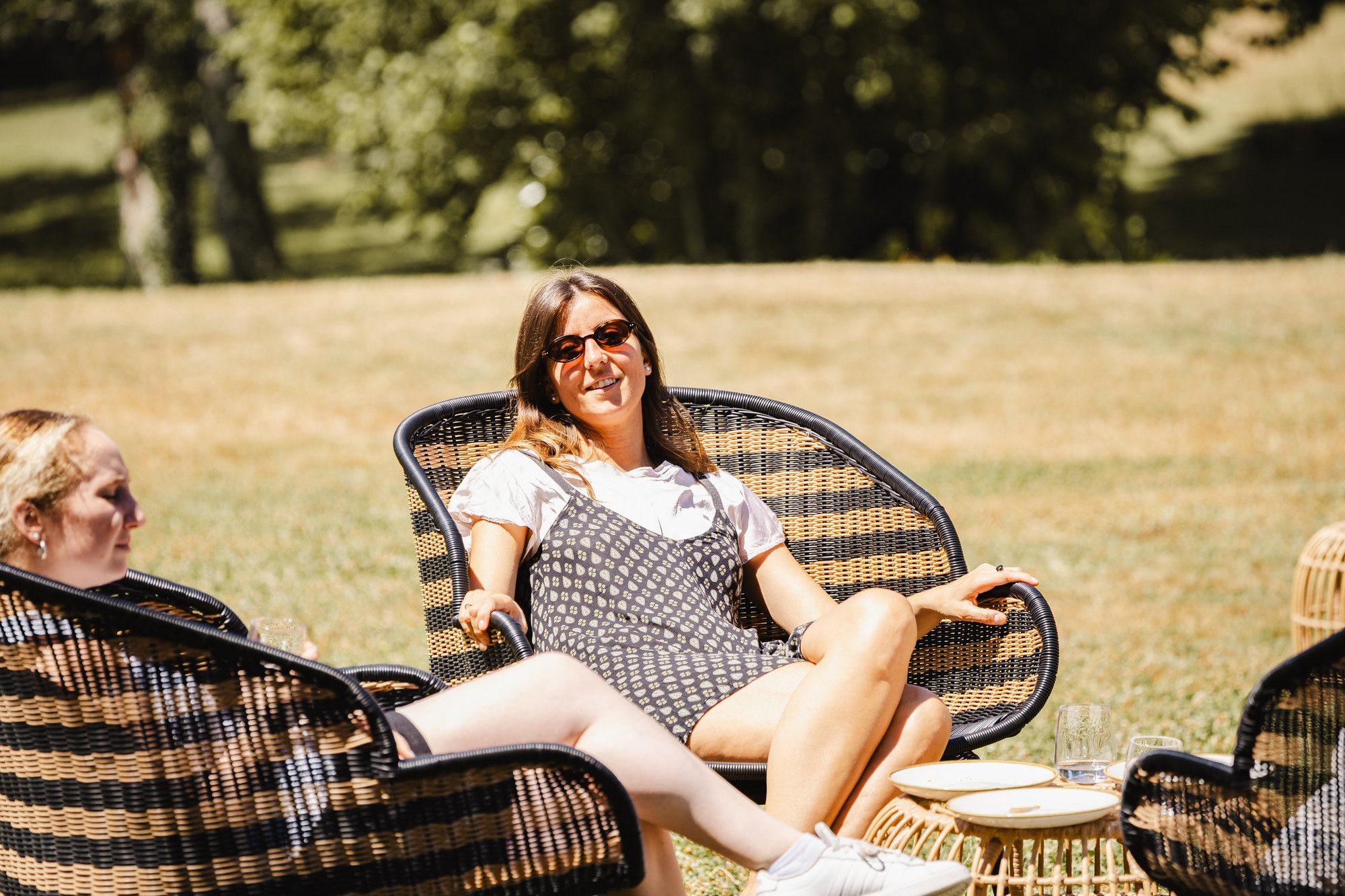
Best for: Relaxed picnics and mixed-energy groups
How to set it up: Place hammocks, picnic blankets, and shaded seating in a calm part of the venue. Keep the area separate from the louder activities so people can rest or talk. Make sure the space is easy to find and comfortable to settle into.
10. Live acoustic music
Live acoustic music adds atmosphere without overpowering conversation and makes the picnic feel like a genuine break from work. A local acoustic musician fits naturally into the day because the music supports the setting instead of taking it over.
Best for: Picnics that need a calm atmosphere
How to set it up: Book a local acoustic musician for the event. Place the performance where guests can hear it without losing the ability to talk. Keep the volume low enough that the music supports the picnic rather than dominating it.
What planning tips help a company picnic run smoothly?
A company picnic runs smoothly when the logistics are simple, the information is easy to find, and the day is planned around how people will actually move through it.
Digital event concierge
Use a QR code or mobile page to share schedules, maps, menus, and activity sign-ups. It cuts down on printing and keeps the details in one place.
Sustainability focused logistics
Choose compostable serviceware, clearly labeled recycling stations, and local vendors where possible. That keeps waste under control and gives the event a more considered feel.
Professional photography and video
Capture candid moments throughout the day so the event has a life beyond the picnic itself. Those images can support internal communications, recap posts, and employer branding without feeling staged.
Branded picnic merchandise
Offer practical, reusable items such as water bottles, tote bags, or picnic blankets. People are more likely to keep them, which makes the event feel useful as well as memorable.
How do you make a company picnic inclusive for all employees?
Make it inclusive by planning for different diets, mobility needs, cultural backgrounds, and comfort levels from the start. A picnic feels welcoming when people can eat, move, and participate without having to explain what they need.
Collect dietary needs during registration, and go beyond vegetarian and vegan requests. Ask about allergies, religious restrictions, and cultural preferences, then label every dish clearly with ingredients and common allergens.
Build the program around choice. Offer a mix of high-energy games, low-impact activities, and quiet areas for conversation so employees can join in at their own pace. Keep pathways accessible, leave room for seating, and make sure the property has shade or indoor backup if the weather turns.
Timing matters too. Avoid dates that conflict with major religious observances, and do not center the day on one cultural tradition unless it is intentionally part of the brief and shared with the team in advance. The goal is simple: people should feel included, not put on the spot.
Make attendance voluntary and say so plainly. Some employees have family commitments, some prefer not to socialize outside work, and some just need the time off. When people know declining will not affect how they are seen at work, the event feels more respectful and more genuine.
How do you plan a company picnic for a business stay or offsite?
A company picnic works for a business stay or offsite when the venue can handle both the workday and the downtime, with meeting space, easy travel, and a weather backup built into the plan from the start. The cleanest format is a short morning session, a lunch break, then an outdoor gathering on the same property or at a nearby private venue, so people are not spending half the day in transit.
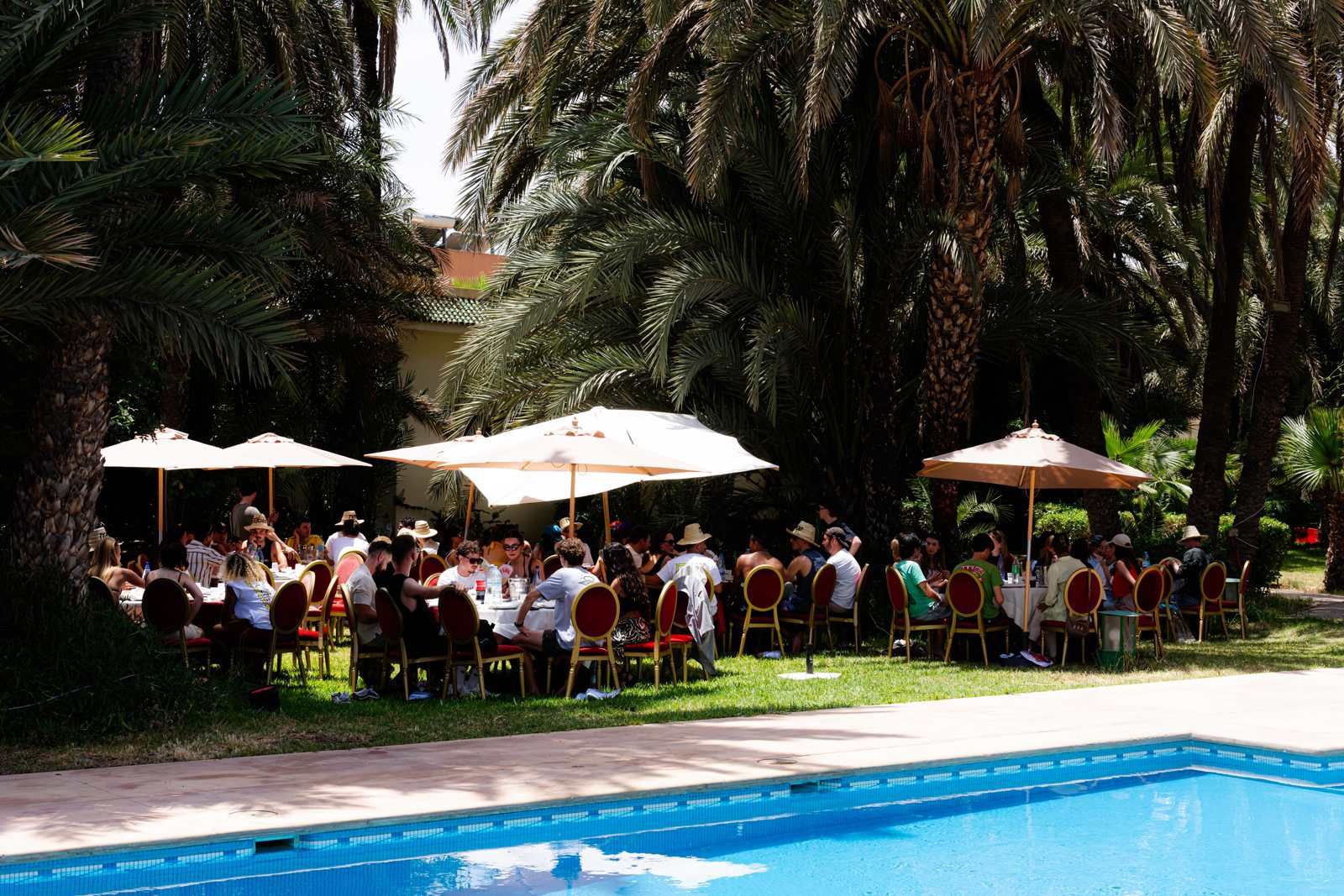
Look for places that give you more than grass and grills. A hotel with gardens, a country club with private rooms, or an estate venue with indoor and outdoor areas can make the day far easier to run. In cities like Austin, Nashville, or the Bay Area, planners often pair a boardroom or breakout space with a lawn, terrace, or courtyard so the team can move from presentations to picnic time without changing locations. That matters when you need AV for a keynote, a screen for a product update, or a quiet room for leadership meetings. Before you book, check these five things:
- Keep travel simple: choose a site close to the office, airport, or hotel block so guests do not lose time on the road.
- Check the backup plan: confirm an indoor room, tent, or covered pavilion in case the weather turns.
- Match the schedule to the setting: use the first part of the day for work sessions, then shift into food, games, and open networking.
- Confirm AV and power: test microphones, Wi-Fi, screens, and charging access before guests arrive.
- Plan for arrival flow: separate check-in, meeting entry, and picnic access so the day feels organized, not crowded.
The strongest offsite format feels intentional. A morning strategy session in a private meeting room, lunch on the terrace, and an afternoon picnic on the lawn gives the group structure without making the day feel formal. If the venue also offers parking, shuttle access, and a clear rain plan, the event stays calm even when the agenda changes. That is the difference between a nice outdoor gathering and a business day people can actually use.
Where to host a company picnic
The venue decides which picnic ideas work. A garden suits lawn games, a beach suits summer races, a rooftop suits an after-work tasting. Here is how each type of venue works, with a real Naboo venue for each.
A park or garden venue
A park or garden venue suits the lawn games tournament, the park scavenger hunt, and collaborative nature art because all three ideas need open ground, room to move, and a setting that feels connected to the outdoors. It also gives teams a natural backdrop for low-key competition and hands-on activities without needing much setup.
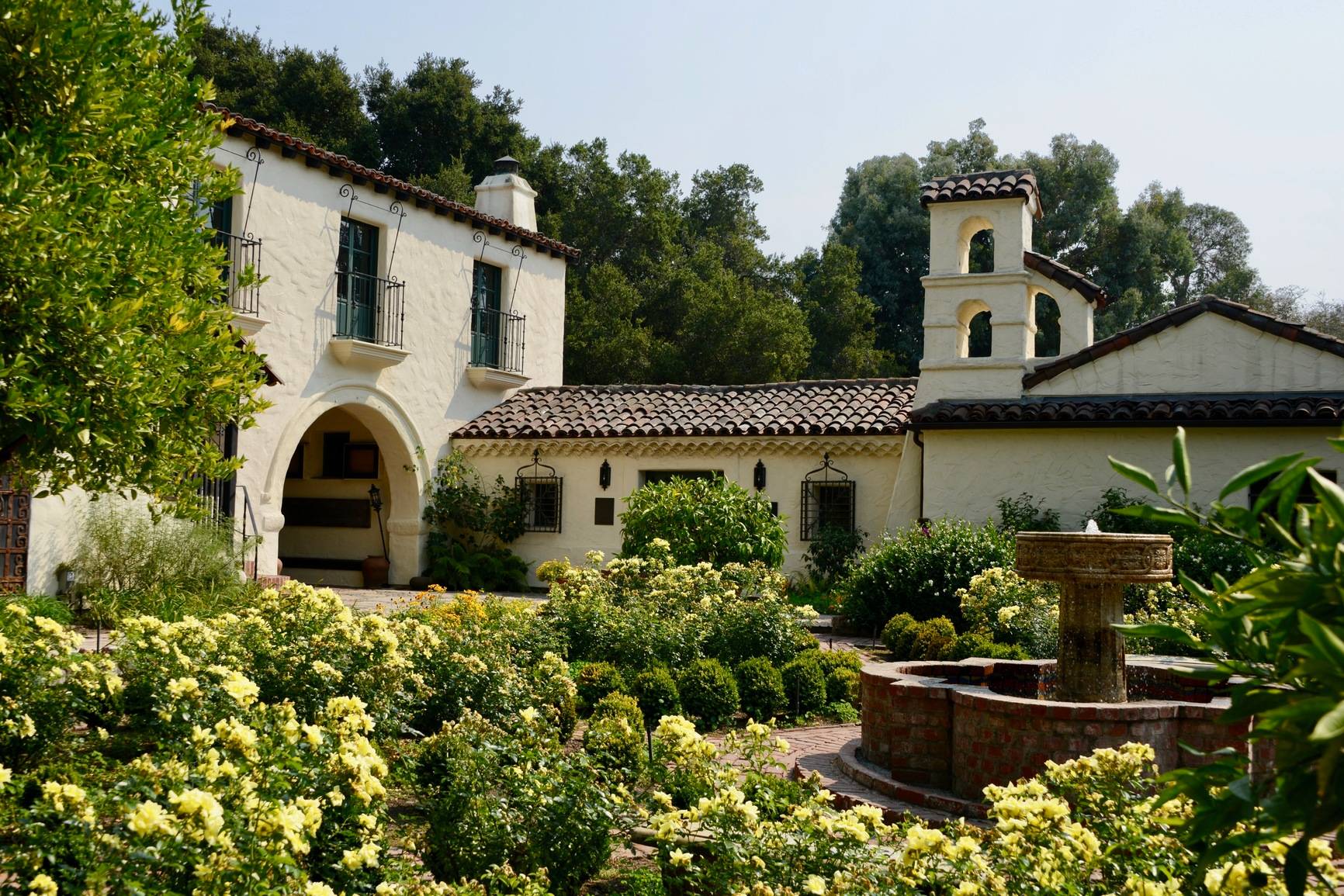
Allied Arts Guild is a park and garden venue in Menlo Park, California. It sits on 3.5 acres of landscaped gardens and offers a peaceful setting with a conference room filled with natural light.
A beach venue
A beach venue fits field day challenges and a mocktail and hydration bar on a summer beach day because both ideas work well with sand, sun, and a relaxed outdoor pace. The setting makes it easy to move between active games and a casual refreshment station.
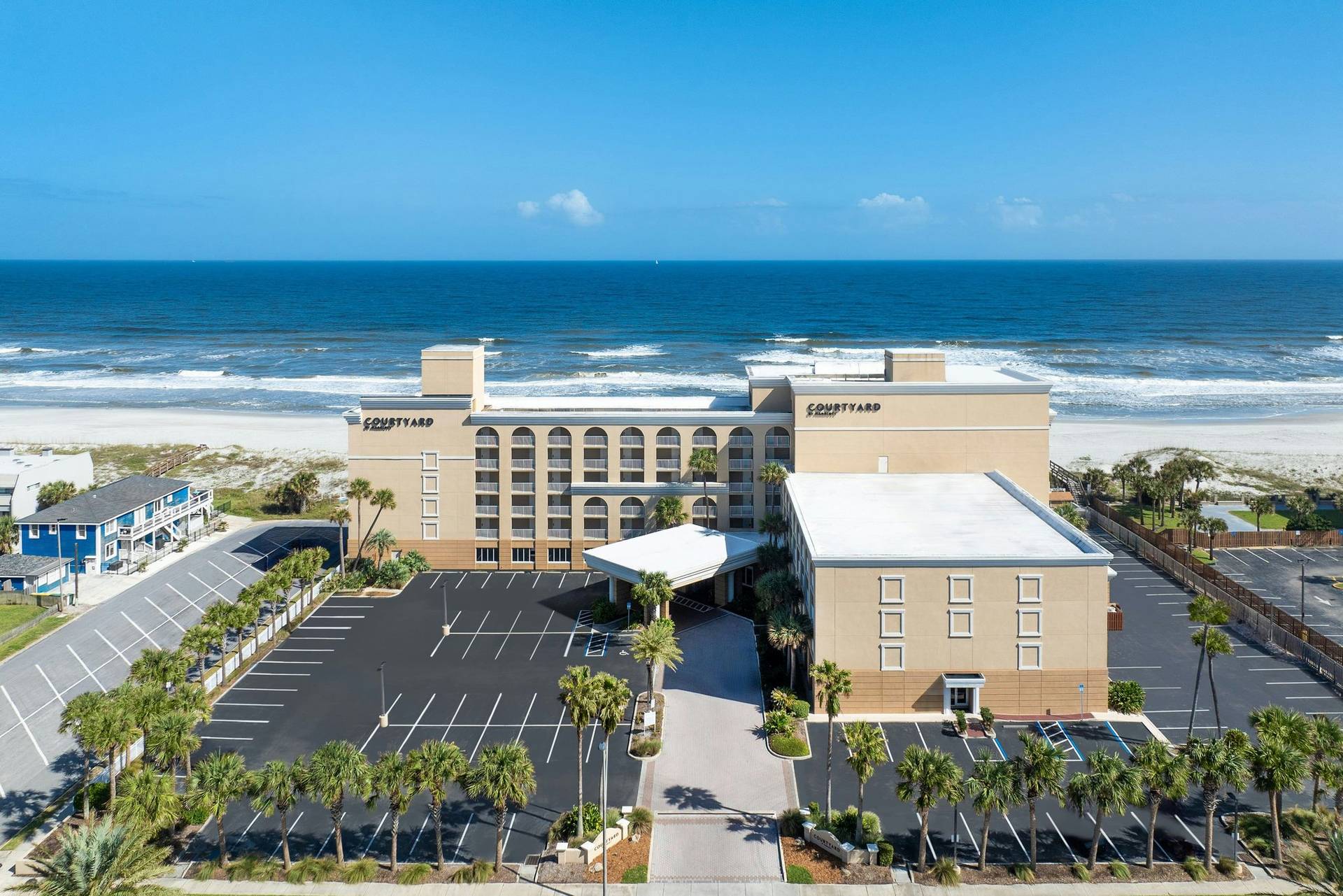
Courtyard by Marriott Jacksonville Beach Oceanfront is a beach hotel in Jacksonville Beach, Florida. It was built in 2007, and many of its guest rooms and suites have private balconies with ocean views.
A ranch or farm
A ranch or farm venue suits field day challenges and customized picnic hampers spread across open grounds because these ideas need space for games, casual seating, and an easy flow between activities. The rustic setting also matches a picnic that feels informal and outdoorsy.
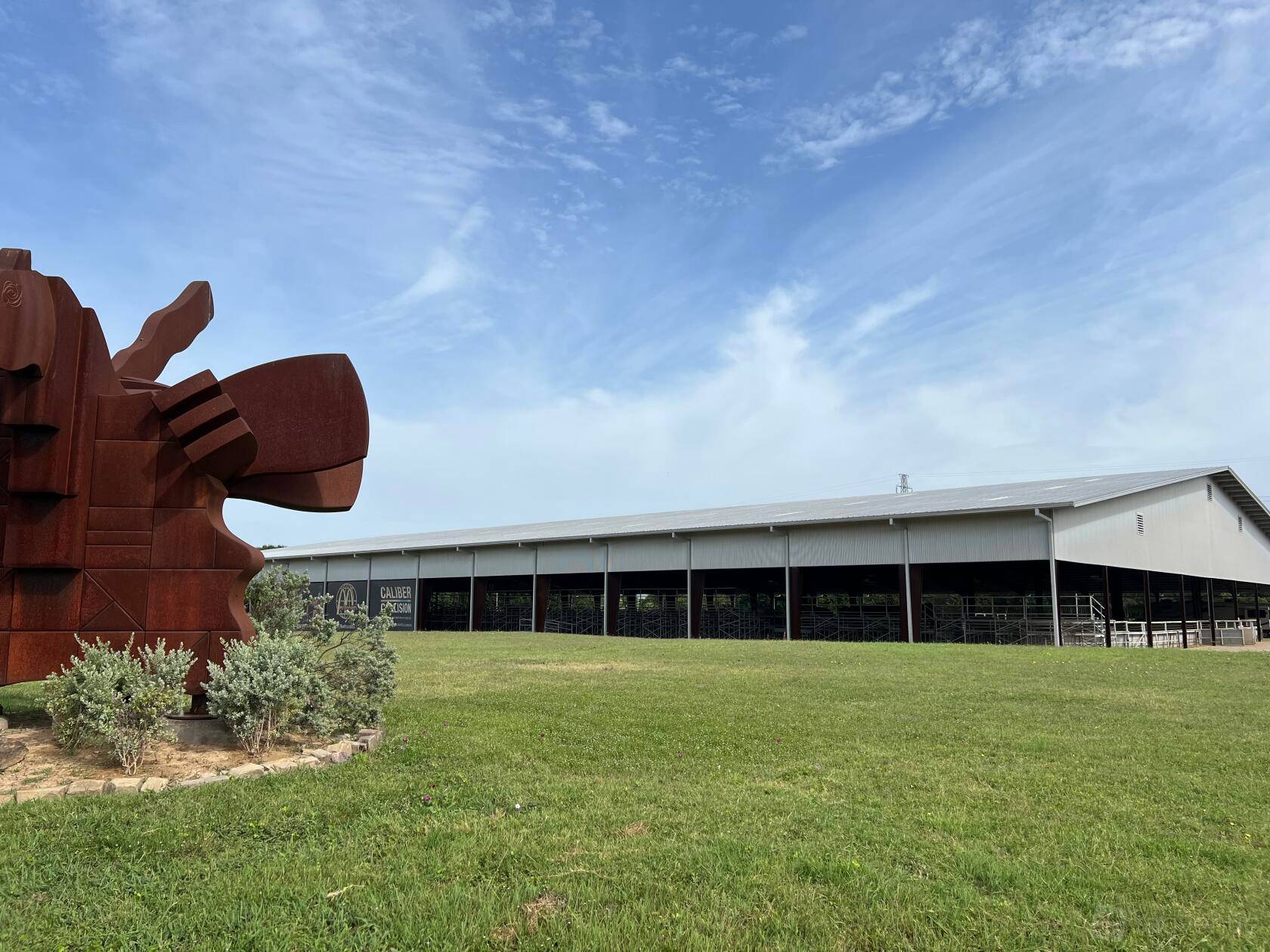
River Ranch at Texas Horse Park is a barn-style event venue in Dallas, Texas. It is set on a spacious property in Southeast Dallas and includes exposed ductwork, stone accent walls, and large floor-to-ceiling windows.
A rooftop or terrace in the city
A rooftop or terrace in the city works for a local craft beer and cider tasting with live acoustic music after work because it gives guests an urban setting with fresh air and a clear place for music and drinks. The rooftop location also helps the event feel separate from the office without leaving the city.
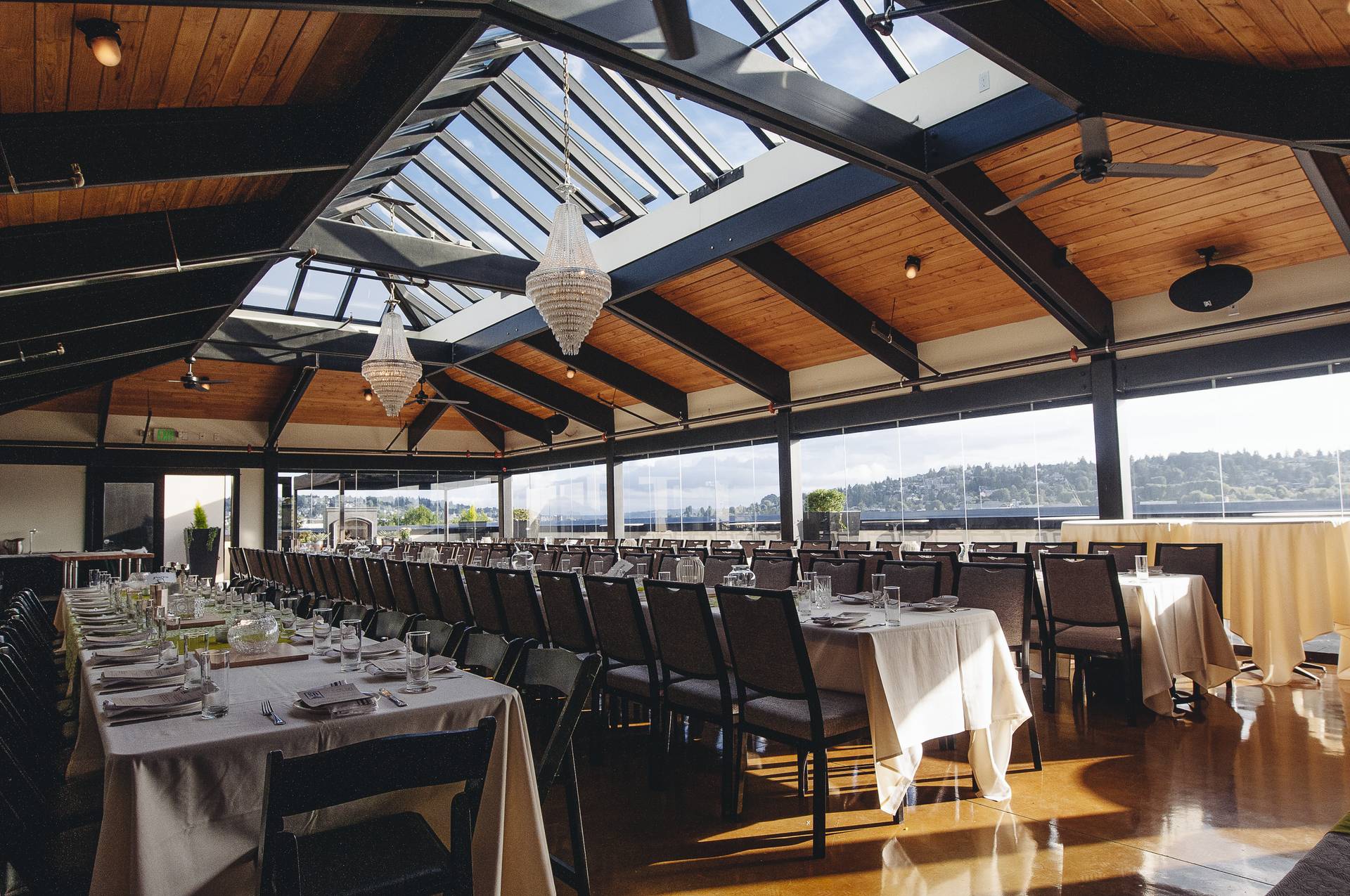
Olympic Rooftop Pavilion is a rooftop venue in Seattle, Washington. It is on the fifth floor of Hotel Ballard and features vaulted ceilings, a 20-foot skylight, and floor-to-ceiling glass walls that open onto an outdoor terrace.
A hotel with gardens
A hotel with gardens suits a picnic inside an offsite, with hammock and lounge areas close to the meeting rooms because it lets teams move easily between work time and relaxed outdoor breaks. The garden setting gives the picnic a quieter pace while keeping the event tied to the main venue.
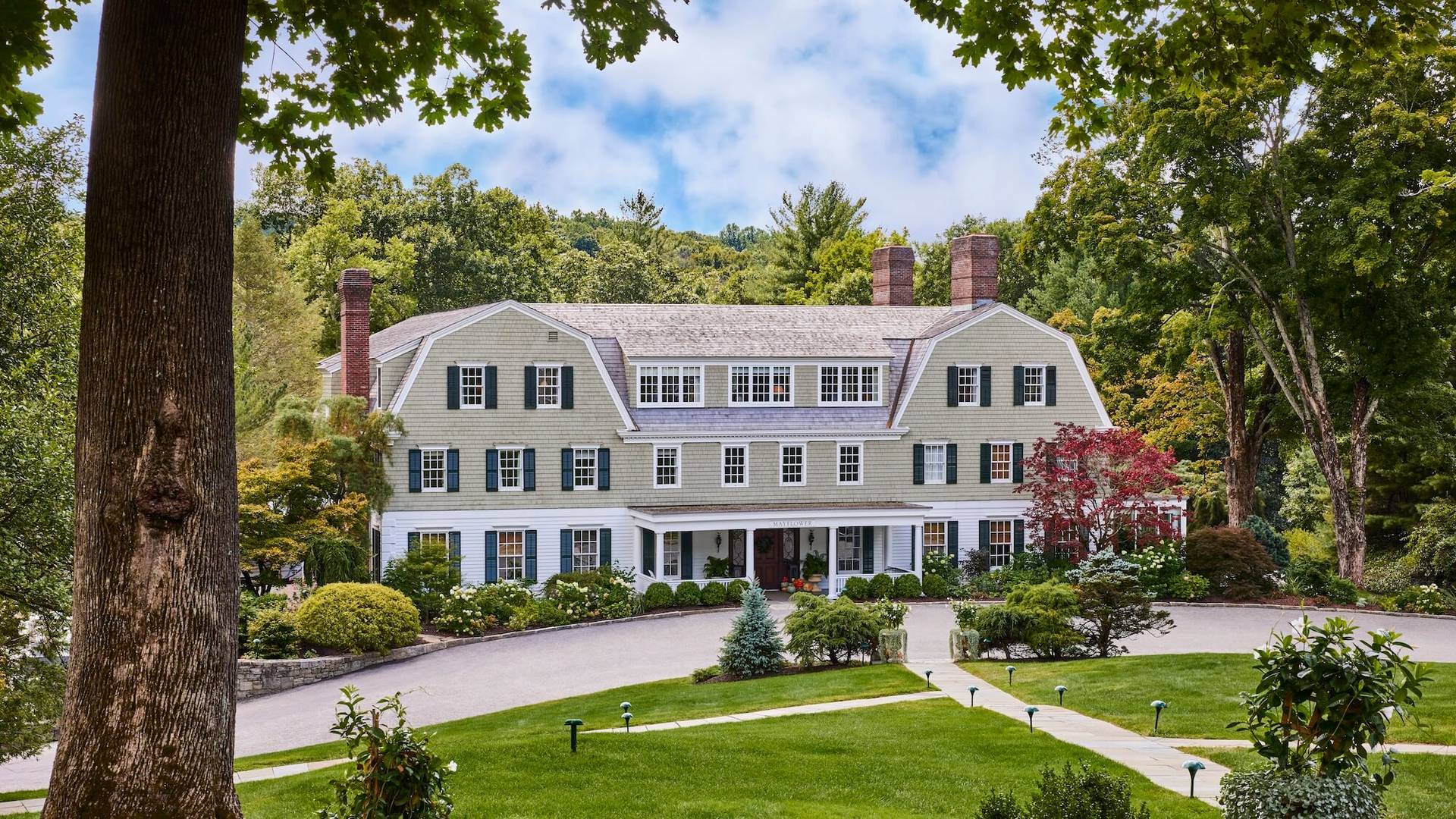
Mayflower Inn & Spa is a hotel with gardens in Washington, Connecticut. It spans 58 acres of gardens and woodlands and offers meeting spaces along with catering services and outdoor activities.
What company picnic ideas work for families and kids?
Family-friendly picnic plans work when they give children room to move, adults a place to sit, and everyone enough shade, food, and supervision to stay comfortable through the day. That usually means choosing a park or private outdoor venue with clear boundaries, restrooms nearby, and a mix of open lawn and quieter seating so parents can relax while kids play.
Start with activities that do not need much setup and can be joined at any age. A short scavenger hunt, sack races, giant lawn games, bubble stations, and simple craft tables keep the pace light without turning the event into a full sports day. If you want a calmer option, set out coloring sheets, nature bingo, or a picnic blanket zone with books and small toys. The point is to give families choices, not a single schedule everyone has to follow.
Food matters just as much. Build the menu around easy-to-hold items, clear labels, and a few familiar options for younger guests. Fruit, sandwiches, pasta salads, and snack boxes travel well, while a separate hydration station helps parents keep kids comfortable in warm weather. If alcohol is part of the adult offering, keep it in a distinct area so the family side of the gathering stays relaxed and easy to manage.
Shade and safety should shape the layout from the start. Use tents, trees, or covered pavilions for the dining area, and keep sunscreen, hand wipes, and a small first-aid kit close by. For larger groups, assign a check-in point and make sure the event team knows where children can be found if they wander. That kind of structure lets employees enjoy the day without worrying about logistics. In short:
- Choose low-barrier activities that work for mixed ages.
- Keep food simple, labeled, and easy to eat outdoors.
- Plan for shade, water, and a quiet break area.
- Separate high-energy play from dining and conversation zones.
- Make safety and check-in procedures visible, not hidden.
Done well, a family-inclusive picnic feels easy for parents and fun for kids, and that is what makes the day work.
Frequently asked questions
How do I plan a company picnic for a large group?
Choose a spacious venue, then break guests into smaller groups for meals or activities so the event still feels personal. A clear guest count, a weather plan, and a site that can handle food, movement, and downtime without feeling cramped will keep the day on track.
What is a realistic budget approach for a company picnic?
Use a public park instead of a private venue, prepare food in-house or use local catering, and focus on free or low-cost activities like relay races and lawn games. Digital invitations also help save on printing.
How do you make a company picnic work for families and kids?
Build in variety so people can join at their own pace, with options like lawn games, scavenger hunts, and quiet areas for conversation. Make attendance voluntary and keep the day welcoming for people with family commitments.
What should you do if the weather changes?
Have a weather plan from the start and make sure the property has shade or indoor backup if the weather turns. A venue that can handle food, movement, and downtime without feeling cramped gives you more room to adjust.
What activities work best at a company picnic?
The strongest mix pairs good food with optional activities like lawn games, field day challenges, scavenger hunts, and collaborative nature art. Quiet zones, guided meditation, shaded seating, and live acoustic music also help the day feel balanced.
When is the best time of year to have a company picnic?
Late spring through early fall offers ideal weather, typically May through September. Choose a weekday afternoon or Saturday morning, and avoid major holidays when attendance might be lower.