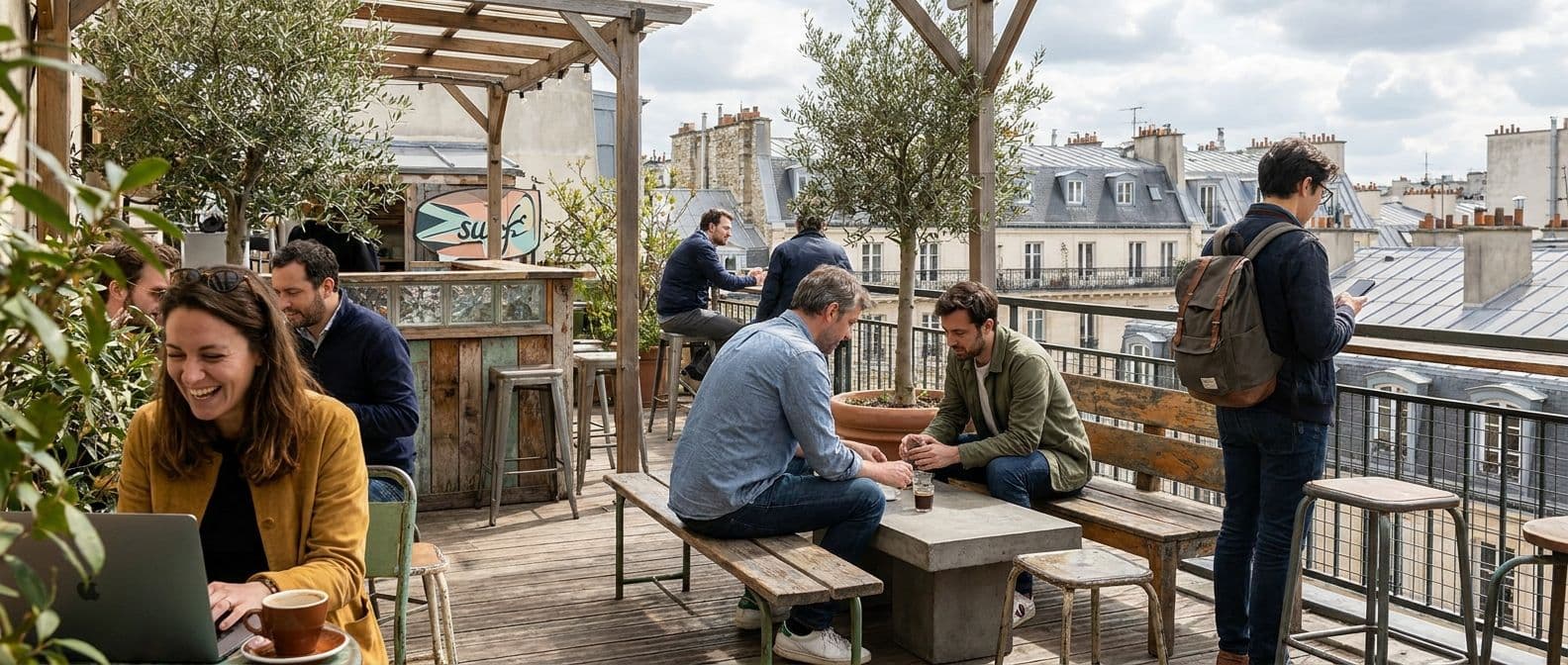
Team socials are changing. In 2026, self-serve bars are a popular choice for after-work meetups in cities from New York to Denver. These spots cut down wait times, let people try more styles, and keep conversations moving. They work well for product teams, sales groups, and cross-department mixers who want something relaxed and flexible.
When organizers plan after-work events, they look for self-serve beer bars that fit group size and vibe. The best places remove lines and let colleagues pour what they want, when they want. From table taps in San Francisco to tap walls in Chicago, these venues encourage people to mingle instead of standing in one place. Choosing the right layout can make an ordinary happy hour turn into a better team night out.
The Autonomy and Interaction Framework (AIF)
AIF is a simple way to check a venue before booking. It focuses on three things: tech that works, clear traffic flow, and small details that spark conversation. A quality self-serve bar in Washington DC or Miami should have intuitive pour systems, room setups that avoid bottlenecks, and options that get people talking, like tasting flights or themed tap lists.
Applying the AIF to your next event
Walk the space with your team lead and look for where people will gather and move. If you want more case studies and local picks, discover more content on the Naboo blog that covers real team events and venue setups. Pick venues with spread-out taps, a mix of standing and seated areas, and easy ways to add credit to pour cards.
1. the pour house, new york
Located in Greenwich Village, this spot uses prepaid pour cards and a long tap wall. It handles groups well and keeps costs clear for planners. A downstairs room can be reserved for larger teams who want privacy while they chat and sample local brews.
2. table-top taps, chicago
This River North bar built taps into larger tables, so groups stay seated and conversations keep flowing. Teams that want to present or run quick demos find it easy to stay in one spot without missing refills.
3. pour & play, san francisco
Known for tech-forward pour systems, this Mission District venue shows real-time pour info on screens. It appeals to engineering teams who like clear data and fast service from a laid-back space.
4. craft cellar, seattle
For groups that want education with their pours, this Capitol Hill spot runs short tasting sessions alongside the self-serve taps. It is a good fit for teams that enjoy learning about beer styles without a formal class.
5. brewers' nook, austin
Combining hearty food with tabletop taps, this South Congress venue works well for mixed teams. The setup pairs well with communal plates so people can eat while they sample different beers.
6. big pour, las vegas
This Strip-adjacent venue keeps energy high with photo booths and a wide tap selection. It is built for celebrations and can host big teams without turning into a long wait for drinks.
7. vino vault, napa
When wine fits the group better than beer, this self-serve wine bar in Napa lets guests pour small carafes or flights. It is a great choice for leadership offsites that want a quieter, tasting-focused evening.
8. rocky taproom, denver
Near the Rocky Mountains, this taproom showcases Colorado breweries with a large wall of taps and easy pour cards. Outdoor patio space makes it a good pick in warmer months for teams that want fresh air between conversations.
9. wynwood pour, miami
This Miami spot mixes art-filled rooms with self-serve taps and local craft cocktails on tap. It is a popular choice for creative teams who want a colorful, social evening.
10. communal brew, portland
This Northeast Portland venue focuses on local producers and community events. Its self-serve model pairs well with meetup-style formats where small groups rotate between taps and topics.
Common mistakes when choosing self-serve venues
Teams often skip the quick demo on how the pour system works. A short intro saves wasted pours and keeps people from getting stuck. Also check how easy it is to add credit to pour cards. If that step is slow, the queue just moves to the top-up station. Finally, confirm there are non-alcoholic taps or options so everyone on the team feels included.
Measuring success in autonomous spaces
Look for steady movement between taps and conversation clusters. If people try a few drinks, meet new coworkers, and stay engaged, you picked the right place. Collect quick feedback after the event to measure team satisfaction and whether new connections happened.
A realistic scenario: product launch after-work
Picture a software team celebrating a release at a self-serve taproom. Organizers hand out preloaded cards. Throughout the night, developers, product managers, and sales reps move between taps, sharing wins and next steps. Because no one is stuck in a long line, conversations stay casual and the mood stays social.
If you need help turning this into a plan, check the events page for tools and venue booking tips at ideas for planning meaningful events.
Frequently asked questions
What are the main advantages of self-serve bars for corporate events?
You cut wait times, give people control over pours, and create a natural icebreaker. Prepaid cards or apps also make the budget clear for organizers.
How do self-serve tap cards work?
Most places use an RFID card or mobile app. Guests tap the card at the dispenser, pour what they want, and the system deducts the exact amount. That lets people taste more styles without paying for full pints each time.
Are non-alcoholic options available?
Yes. Many venues include craft sodas, kombucha, and alcohol-free beers on the same self-serve systems so everyone has choices.
Can these venues handle large groups?
Yes. The decentralized tap setup can handle big crowds, and many venues offer private areas with their own tap walls for groups of 50 or more.