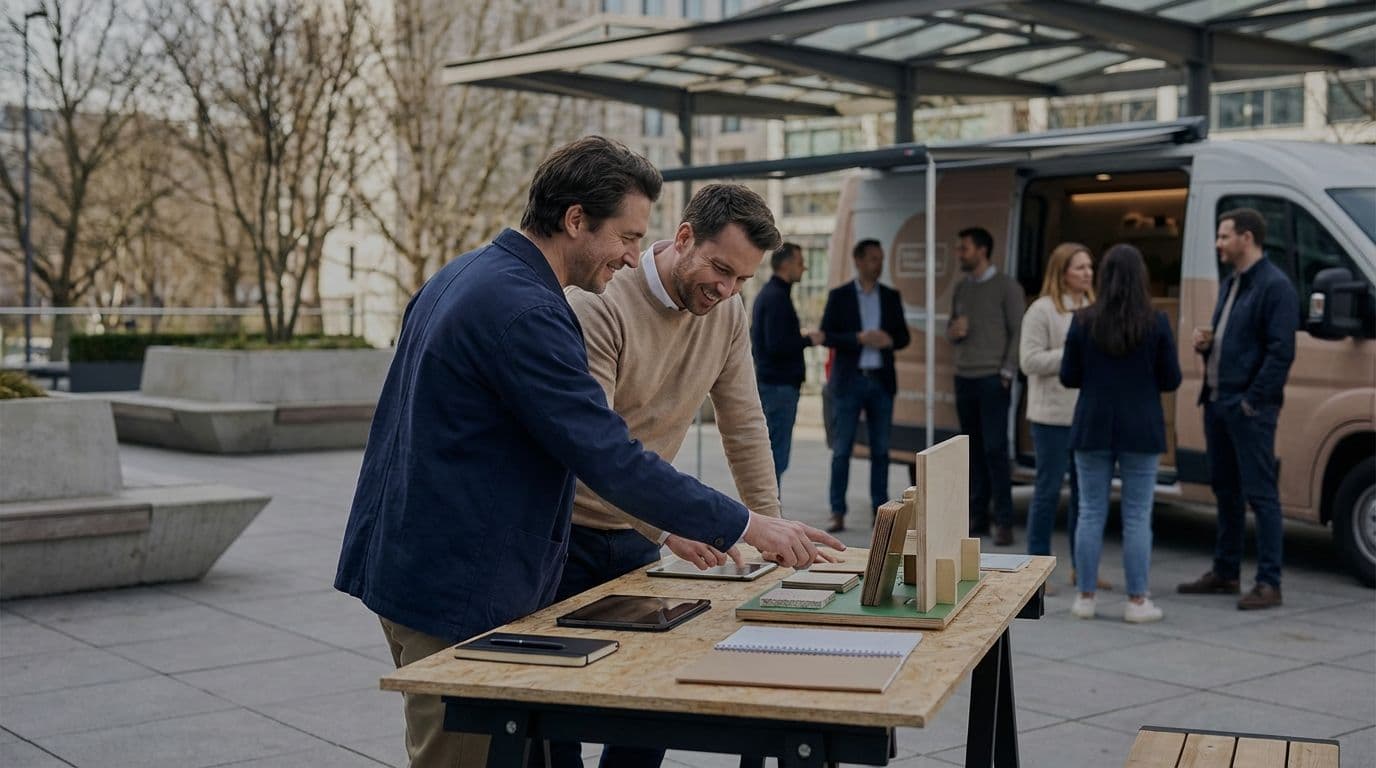
A strong workplace runs on more than efficiency—it needs solid connections and high morale. Games and intentional fun activities work. Team-based challenges break down silos, integrate new employees faster, and revitalize burned-out teams. These 20 awesome games to play at work boost team spirit and collaboration, whether your teams are in-office, hybrid, or remote.
The Play Strategy: Aligning Games with Organizational Goals
Before you run any activity, know what you're trying to fix. The Naboo Engagement Quadrant sorts games by two criteria: time investment and desired outcome.
The Naboo Engagement Quadrant Framework
- Low Investment, Quick Win: Under 15 minutes. Use these for meeting starts or energy dips (e.g., Two Truths and a Lie).
- Medium Investment, Communication Focus: 15 to 30 minutes. Focused on clarity and trust (e.g., Blind Drawing).
- High Investment, Strategic Insight: 30+ minutes. Reveals team dynamics and problem-solving patterns (e.g., Egg Drop Challenge).
Scenario: Applying the Framework
A marketing team struggles with handoffs between content and project management. They need to see how people actually prioritize and collaborate. A quick icebreaker won't work. Run the Marshmallow Challenge or Lost at Sea instead to watch how they lead, allocate resources, and handle constraints.
The 20 Best Games to Play at Work for Team Cohesion
Quick-Hit Energizers and Icebreakers
1. Two Truths and a Lie
People share surprising personal details. New teams bond faster. The guessing part forces active listening and surfaces unexpected common ground.
2. Word Association
Sit in a circle. Each person says a word linked to the previous one. It's fast and reveals how different roles approach the same concept—analysts versus creative types see things differently.
3. Would You Rather
Ask dilemmas: "Would you rather have a 20% raise or unlimited paid time off?" People reveal what actually motivates them and how they make decisions.
4. Silent Line-Up
Organize yourselves by birthday, height, or another criterion without talking. It forces teams that live in Slack to practice coordinating through body language and shared intent.
5. Human Rock-Paper-Scissors
Full-body tournament. Losers cheer for whoever beat them, so everyone stays involved. Creates immediate energy and laughter.
Communication and Trust Builders
6. Blind Drawing
Pair up back-to-back. One describes an image; the other draws based only on that description. Shows the gap between what you think you're saying and what people actually hear.
7. Minefield
One person is blindfolded and navigates obstacles using only their partner's verbal guidance. Builds real trust and forces the guide to give precise, actionable instructions.
8. Helium Stick
A group lowers a lightweight stick to the ground while keeping index fingers touching it. The stick fights back—everyone unconsciously pushes up. Success requires slow, unified coordination.
9. Office Pictionary
Teams guess work terms drawn on a whiteboard under time pressure. Tests creative communication when words aren't available.
10. Office Trivia
Quiz on company, industry, or team knowledge. Well-designed trivia reinforces what people should know and creates healthy competition. Scale it into a tournament if you want.
Strategic Thinking and Design Challenges
11. Marshmallow Challenge
Build the tallest free-standing tower from spaghetti, string, and tape that holds a marshmallow on top. Exposes assumptions and collaboration styles under pressure.
12. Egg Drop Challenge
Engineer a device from straws, paper, and tape that keeps a raw egg from breaking when dropped from a height. Tests resource management and risk assessment.
13. 20 Questions (Strategic Deduction)
One person picks a concept. The team asks yes/no questions to deduce it in 20 questions or fewer. Sharpens strategic thinking and forces quick synthesis.
14. Fortunately/Unfortunately
Build a story together. One person says "Fortunately..." then the next says "Unfortunately..." This reveals how teams react to unexpected obstacles and adapt on the fly.
15. Office Scavenger Hunt
Teams race to find items or complete tasks around the office. Gets people moving and talking across departments. Add clues that require interviewing people in different silos.
Virtual and Physical Engagement
16. Virtual Scavenger Hunt
Remote workers grab specific items from home (something blue, something that sparked joy). Breaks video call tedium and gives glimpses into colleagues' lives.
17. Online Trivia (Breakout Rooms)
Send teams to breakout rooms to discuss answers. Quieter people actually contribute when they're not performing in front of the whole group.
18. Show and Tell
Each person shares something meaningful and explains why. Builds empathy and surfaces the values and interests that define people outside their job title.
19. Paper Plane Competition
One sheet of paper per person. Compete on design, distance, stability. Requires nothing but encourages playful creativity.
20. Office Olympics
Run absurd short competitions with office supplies: rubber band archery, paper clip stacking, chair races. Focus on shared laughter and movement.
Avoiding Common Pitfalls in Implementing Games
Mistake 1: Mandatory Fun
The problem: Forced participation kills the enjoyment. People sense when something's checked off a list.
Fix: Frame activities as valuable. Start small and voluntary. Build trust before running complex large-group challenges.
Mistake 2: Failing to Debrief
The problem: The real value comes from observing the process, not winning. Marshmallow Challenge and Minefield teach nothing without debrief.
Fix: Spend five minutes after. Ask: "What process did we follow? Who led? What communication worked? How does this show up in our actual work?"
Mistake 3: Poor Context Alignment
The problem: Running a high-trust physical game with a nervous new team backfires.
Fix: Use the Engagement Quadrant. Start low-stakes with new teams. Save high-vulnerability games for teams with established psychological safety.
Measuring the Impact of Structured Play
1. Observing Communication Flow
After games like Blind Drawing or Silent Line-Up, watch work processes. Better documentation. More proactive check-ins. Less rework from miscommunication. Track it in debrief conversations.
2. Employee Net Promoter Score (eNPS)
Connection and morale correlate with higher eNPS. Track it quarterly, especially after focused periods of team activities.
3. Cross-Departmental Collaboration
Survey teams on how easy it is to collaborate across departments. Well-designed games targeting silos should move these scores up.
Frequently Asked Questions
How often should we incorporate these activities into the workday?
Quick energizers: 5–10 minutes at the start of weekly meetings. Deep team-building activities: 30–45 minutes bi-weekly or quarterly off-sites.
Are competitive games counterproductive to team building?
No. Friendly competition focused on solving puzzles or silly challenges unifies teams toward a shared goal without creating internal friction.
What is the minimum group size required for these activities?
Most work with 5 to 15 people. Complex coordination games like the Human Knot or Helium Stick need at least 8 to demonstrate the challenge.
Can these games really help resolve conflicts?
They build the foundation. Games focused on communication (Blind Drawing) or consensus (Lost at Sea) create neutral space to practice listening, negotiation, and clear feedback—skills that transfer to actual conflicts.
What if my team is highly introverted?
Avoid high-pressure public-speaking games at first. Start with low-stakes, anonymous activities (collect responses digitally) or shared tasks that don't require personal sharing (Paper Plane Competition, Marshmallow Challenge).