Introduction
In 2026 US teams want gatherings that feel honest and warm. Instead of stiff receptions, companies in New York, Austin, Seattle, and Denver are choosing food-first nights that bring people together. Hosting a good living team dinner is about simple, well-sourced food, easy flow, and making everyone feel welcome.
1. Define the event identity
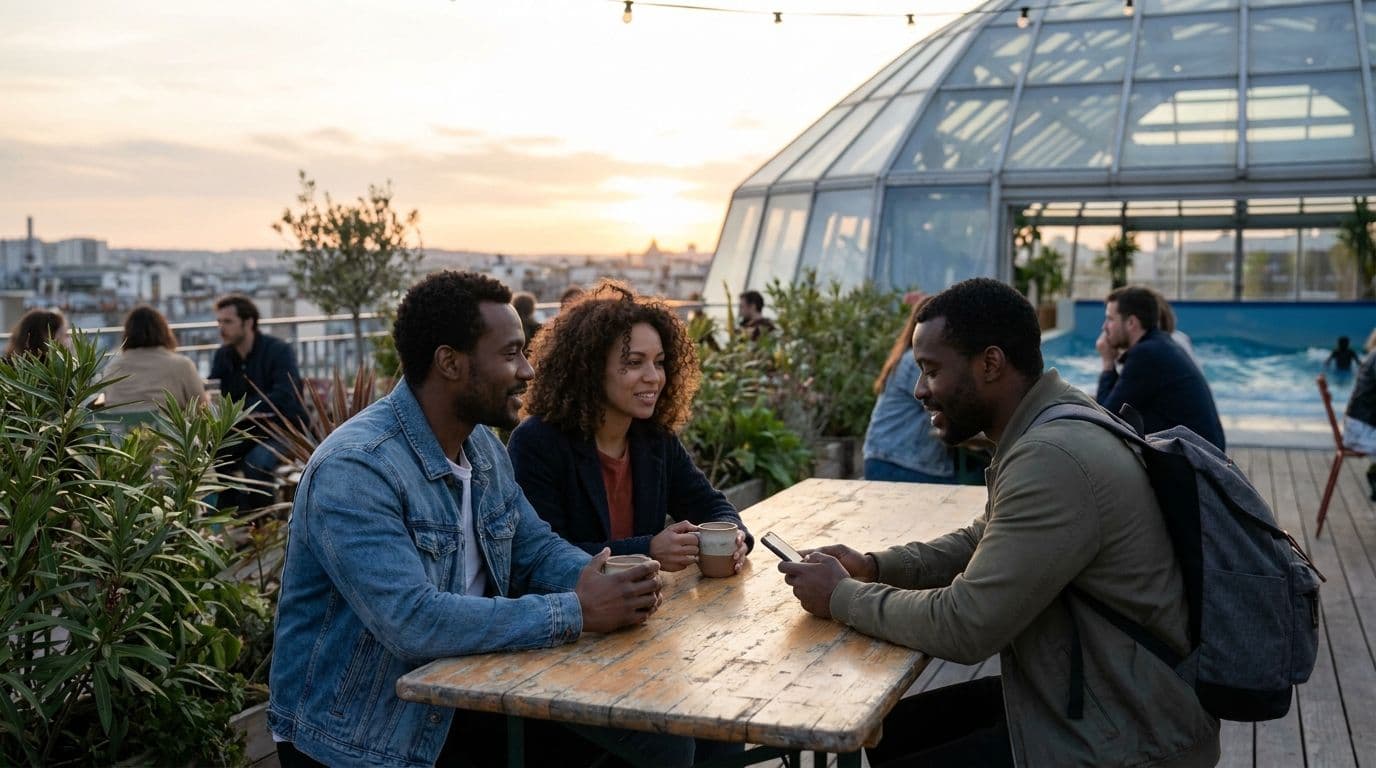
Start by picking a clear vibe: a Brooklyn rooftop, a Southern BBQ in Nashville, a wine-country tasting near Napa, or a relaxed seafood night by Miami Beach. That choice will guide the menu, decor, and tone.
2. Choose a venue with character
Skip generic hotel ballrooms. Look for places with history or natural charm, like a converted loft in SoHo, a restored warehouse in Detroit, or a mountain lodge near the Rocky Mountains. Those settings set the mood without overdecorating.
3. Design the space for conversation
Use long communal tables, high-top clusters, or mix seating so people can move and chat. Keep the room layout flexible to avoid rigid rows and to encourage mingling.
4. Pick a caterer who knows local flavor
Work with a caterer who can source local produce, regional cheeses, and meats that tell a local story. Involve them early so they can suggest seasonally appropriate menus for your city.
5. Build a simple, generous menu
Favor shareable plates and a few standout dishes rather than lots of tiny bites. Think whole roasted fish in Miami, smoked brisket in Austin, or a steak-carving station for teams in Las Vegas.
6. Balance tradition and useful tech
Use small tech touches that help, like digital RSVP tracking or contactless drink stations, but keep them invisible so they do not interrupt face to face conversation.
7. Use hands-on food moments
Interactive elements such as a carving demo, build-your-own tasting boards, or a live chef station create shared experiences and break the ice.
8. Control the tempo
Plan a clear flow: welcome drink, a short intro, starters, main sharing plates, then desserts and a relaxed finish. Avoid long gaps and keep service steady so conversations can build.
9. Keep design simple and tactile
Choose linens, candlelight, and seasonal centerpieces that feel natural. Comfortable chairs matter more than elaborate decor. For local inspiration in each city, look for suppliers who work with regional craftspeople and growers. For more local planning resources see inspiring event ideas.
10. Make the experience inclusive
Collect dietary needs ahead of time and offer full, tasty alternatives instead of token plates. A great vegetarian main or a well-made mocktail is as thoughtful as a premium wine pairing.
11. Train staff to be part of the vibe
Ask servers and hosts to be warm and unpretentious. Staff who help conversations flow and solve issues quietly keep the night comfortable and relaxed.
12. Use storytelling in your communication
When you send invites or set table cards, share short notes about the producer, the dish, or why you chose the theme. That gives people something to talk about before the first bite. If you want deeper planning tips, read more articles on the Naboo blog.
13. Keep sound and lighting in check
Warm, dim lighting helps people relax. Control background music so it sets mood but does not block conversation. Test acoustics in person, especially in open or high ceiling venues.
14. Plan for cost without losing quality
Spend on what guests experience directly: food, comfortable seating, an approachable signature drink. Save on extras that do not add to the shared meal.
15. Measure what matters after the event
Gather simple feedback: attendance, what people talked about, and one thing to improve. The real sign of success is colleagues still mentioning the night days later while back at work.
Frequently Asked Questions
How do I pick the best venue in a big city like New York?
Look for places with good flow and warm materials like exposed brick or wood. Prioritize comfort and proximity to transit so teams can arrive easily.
How much should I budget for a high quality caterer?
Budgets vary by city and guest count. Prioritize local, seasonal ingredients and shared plates to give maximum impact per dollar.
How long should a team dinner last?
Plan for three to four hours to allow time for arrival, several courses, and relaxed conversation at the end.
Any tips for making meat-heavy menus friendly to vegetarians?
Offer full vegetarian mains and shareable sides that are just as generous, like roasted vegetables, grain bowls, or layered cheese plates.
How do I make sure the event feels local?
Use regional producers, menu items tied to the area, and local decor accents. That helps teams in cities from Washington to Denver connect with the night.