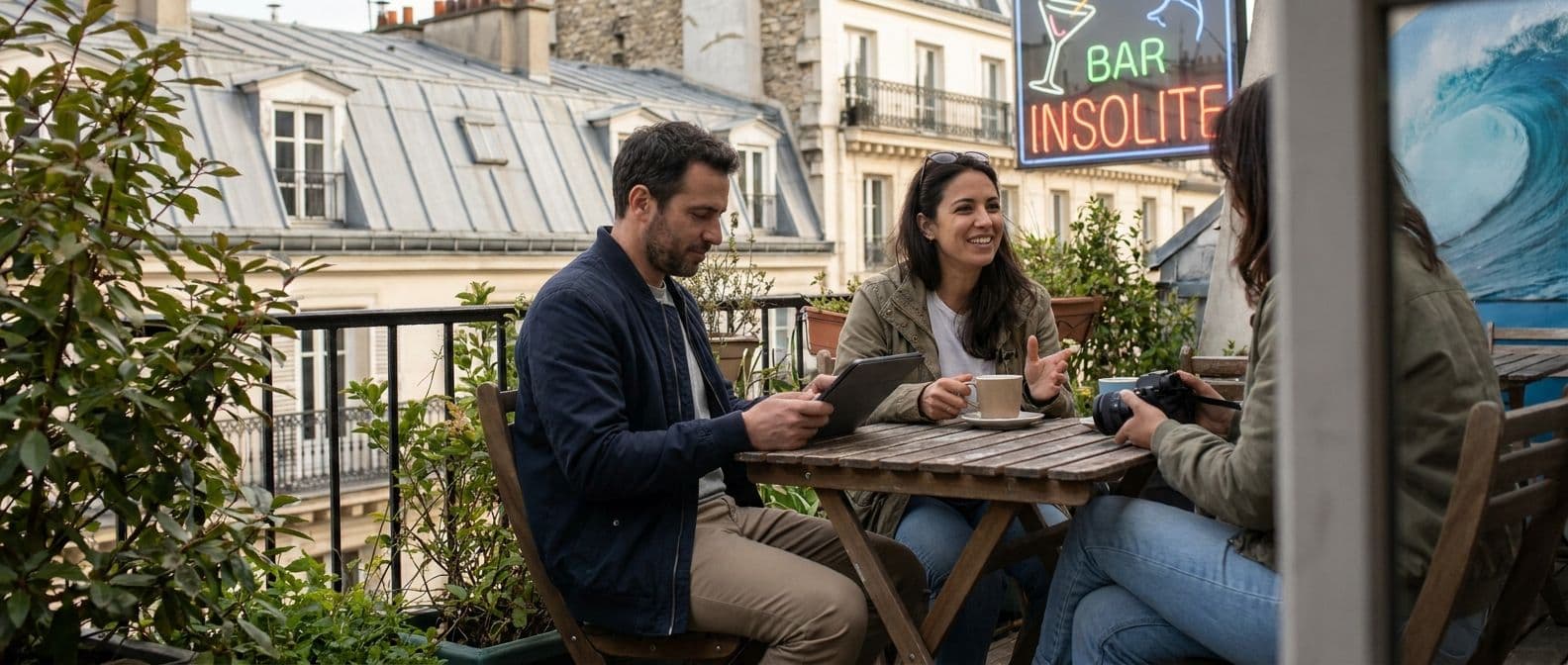
Building a healthy company culture takes more than processes and meetings. In 2026, the move from the office to a relaxed social setting is a key part of how teams connect. Informal afterwork gatherings help people get to know each other beyond job roles. When planning a successful afterwork, the aim is to turn work relationships into real human connections. These events are not just drinks after five; they are simple, practical steps that help keep people engaged and working well together.
1. Clarify the purpose and pick the right time
Start by asking why you are meeting. Is this to welcome new hires, mark a product milestone, or give people a much needed break? Clear purpose makes it easier to choose a venue and invite the right people. For time, Thursday still works for many teams, but Tuesday or Wednesday evenings can be better for teams in New York or Washington who want a midweek reset without competing with weekend plans.
Practical timing considerations
Think about commute and traffic. If your office is outside city centers like San Francisco or Denver, choose a spot closer to where people live so commuters and parents can join. Keep events short and respectful of family schedules.
2. Choose a venue that fits your team
Move away from the office. A different setting helps people relax and talk more freely. In cities like Chicago and Miami, rooftop patios, neighborhood breweries, or small art galleries work well. For teams near the Rocky Mountains, an evening at a lodge or a conservatory can feel special. If you need quick venue ideas, check event ideas for teams to spark options in your area.
3. Send invitations that explain what to expect
Save vague all-staff emails for other things. Send invitations two weeks ahead with clear details: start and end time, dress code, what food and drinks will be available, and whether families are welcome. Include a simple RSVP so you can plan for seating and catering.
4. Make the menu inclusive
Food matters. Offer a mix of hearty and healthy options and a strong set of nonalcoholic drinks. Many people in cities like Los Angeles and Seattle choose sober options year round. Aim for choices that cover common diets and food allergies so no one feels left out.
5. Add low-pressure activities
Some people prefer to chat; others like structure. Add light activities like a short trivia round about the company, a collaborative mural wall, or table games that encourage cross-team talks. Keep participation optional so people can join at their comfort level.
6. Keep the budget practical
You do not need to overspend. A curated drink menu or a tasting flight can feel premium without costing as much as an open bar. Frequent smaller events are often more effective than a single expensive party for morale and team bonding.
7. Plan for safe travel home
Think about how people will get home. Offer ride-share credit or pick venues close to transit in cities like New York and Washington. When staff know they can get home safely, they relax and enjoy the evening.
8. Encourage leaders to show up as people
Leaders should attend but act like teammates. That helps employees see leaders as approachable. It is also fine for managers to leave earlier so staff have time to mingle on their own.
9. Offer phone-free moments
Ask people to check phones at the door for part of the evening. When guests are less distracted, conversations are easier and the event feels more memorable. Activities like a short mixology demo or live acoustic music help keep attention in the room.
10. Set the right atmosphere
Light, sound, and layout matter. Choose a venue where the volume lets people talk and where you can set up both seats and standing spaces. A simple playlist and a few theme touches can make a regular bar feel like your team’s space for the night.
11. Collect feedback and act on it
After the event, ask quick questions: what worked, what did not, and what times and formats people prefer. Share the main changes you will try next time. For more planning pointers and follow up ideas, discover more content on the Naboo blog.
12. Build cross-team connections
Use simple nudges to mix people who do not usually work together. Name tags with departments, rotating appetizer tables, or seating prompts get people talking across teams and spark practical collaboration back at the office.
13. Match the event to the season
Summer in Miami calls for patios and mocktail tastings. Winter in Denver means cozy indoor settings and warm snacks. Seasonal events keep things fresh and give people something to look forward to throughout the year.
14. Include wellness-friendly options
Not every afterwork should be late or heavy. Offer active choices like a short group hike near the Rockies, a walking food tour in Portland, or an early evening yoga class followed by light snacks. These options show you value balance and wellbeing.
15. Use simple tech to reduce friction
Use event apps for RSVPs, menu choices, and quick polls. A photo share album or a simple check-in system makes logistics easier and keeps the focus on people, not paperwork. In 2026, small tech touches save time and make events run smoothly.
The Naboo Culture Integration Model
We use a simple model to guide planning. It balances four practical areas so your afterwork actually helps the team.
- Connection: How well people bond during the event.
- Context: Whether the venue and theme match your current goals.
- Comfort: Physical and emotional safety at the event.
- Contribution: How much staff feel they shaped the event.
Common planning mistakes
There are a few things that consistently trip teams up. Making attendance mandatory kills the casual feel. Running events without a clear end time keeps people from coming. Choosing the nearest or cheapest venue instead of one that feels special can make the night forgettable.
How to measure success
Measure more than headcount. Look for genuine signs of connection like new cross-team conversations and positive feedback in follow up surveys. Track changes in employee satisfaction after several events to see if morale improves over time.
Real example: the midquarter energy boost
A mid-sized product team in Seattle needed a reset after a big launch. HR booked a private conservatory with plants and soft lighting, set a 5 30 PM start and an 8 PM end, and offered mocktails and a tasting of local craft beers. They added a no work talk hour to encourage casual conversation. People came ready to relax and returned to work Monday morning more connected and calmer.
Frequently asked questions
What matters most when planning an afterwork?
Being intentional. Have a clear purpose, respect schedules, and offer options so people feel welcome.
Which day is best in 2026?
Thursdays are still common, but many teams pick Tuesday or Wednesday to break the week without cutting into the weekend.
How do we include people who do not drink alcohol?
Serve high quality nonalcoholic drinks and a balanced menu. A 1 to 1 ratio of cocktails to mocktails is a good rule of thumb.
What if some employees do not want to attend?
Keep attendance optional. The best events draw people because they are enjoyable, not because they are required.
Any budget friendly ideas?
Host a picnic in a public park, a group walk through a vibrant neighborhood like Brooklyn or the Mission in San Francisco, or a potluck in a shared community space.