
These breakout session ideas help planners choose formats that fit the goal, whether that means faster networking, practical problem-solving, or a quieter reset.
Use them to match the activity to the room, the timing, and the kind of participation you want, then pick a venue that supports the flow between plenary and smaller spaces.
Key takeaways
- Speed mentoring clinics, the pitch networking challenge, and silent auction for expertise are built for fast, practical exchange, while leadership role reversal clinics and AI prompt engineering playtest add a fresh angle by shifting who leads or how teams work.
- Departmental bridge building and the strategy simulation arena suit groups that need to work through tension or pressure, with a real workflow, a credible scenario, and a concrete output at the end.
- Design thinking sprints: prototype focus and reverse-engineering a success story move people from discussion into making or analysis, using simple materials, a clear problem, or a success case the audience can relate to.
- Mindful movement breaks give the whole group a structured walk with a simple prompt, which fits long conference days when attention starts to drop.
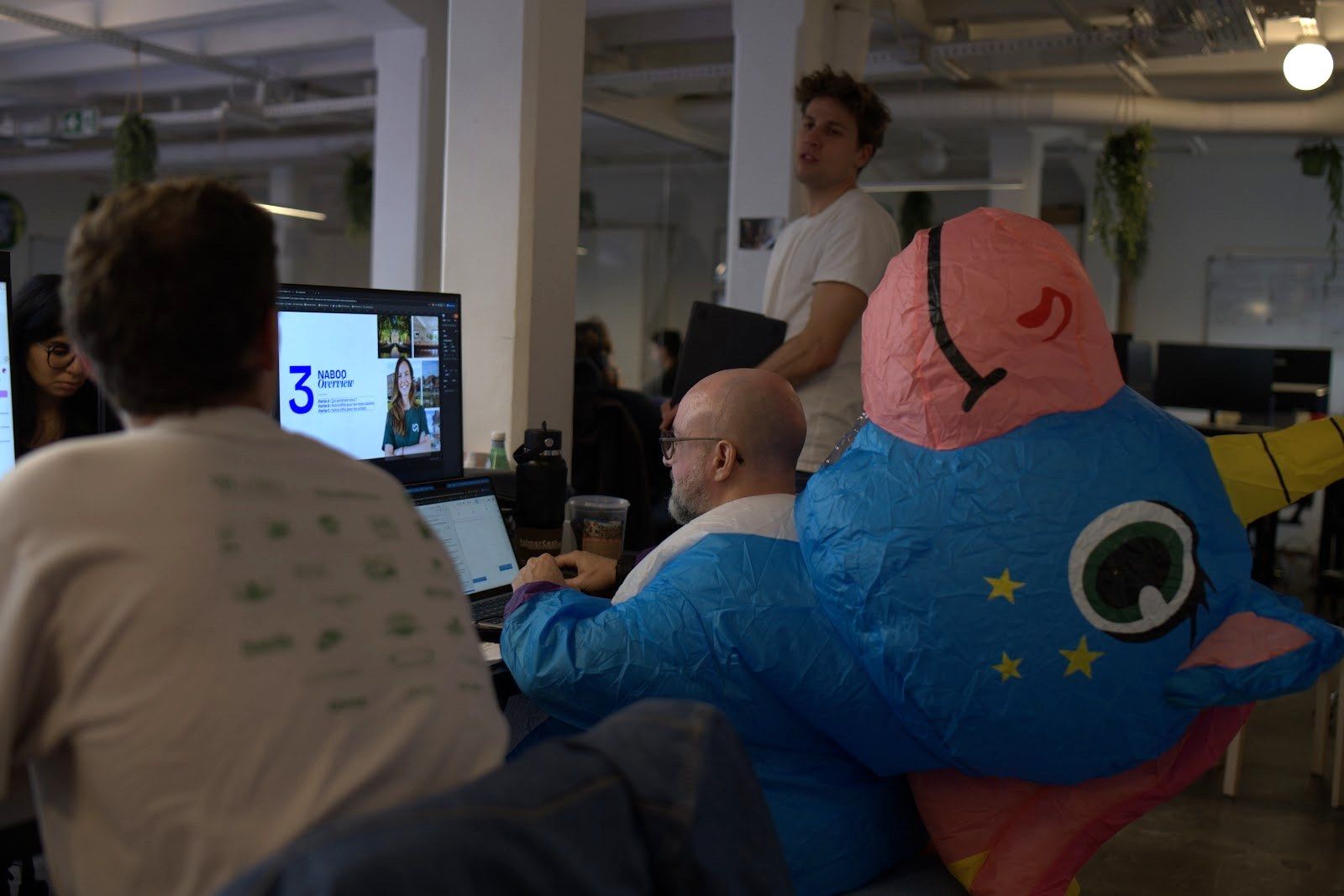
- Naboo ran an AI hackathon in its Paris office over three days in October 2025, with six teams of four from supply, tech and product, event management, marketing and sales development, finance, and account management, each using AI tools to build something for its own daily work and present it on the final evening.
1. Speed mentoring clinics
Speed mentoring clinics pair mentors and mentees in short, structured rotations.
A 7-minute slot with a prompt like "Identify one skill gap you are prioritizing" keeps the discussion focused and avoids generic small talk. This format is useful when the audience includes mixed experience levels and the goal is practical guidance.
Group setup: Mentors and mentees, 7-minute slots
Best for: Mixed experience levels and practical guidance
How to apply: Use a visible timer, a simple prompt card, and a clean handoff between rounds. Keep each rotation short and structured. That helps quieter attendees get a clear entry point and keeps the energy high.
2. The pitch networking challenge
The pitch networking challenge gives attendees 60 seconds to explain a work challenge they are facing, then rotates them through new partners who respond with one actionable idea.
It is a direct way to make networking more useful and less performative. The format works because everyone arrives with a purpose and leaves with at least one practical suggestion.
Group setup: Attendees, 60-second pitches
Best for: Networking that feels useful and practical
How to apply: Ask people to prepare one challenge in advance. Rotate them through new partners after each pitch. Keep the advice round brief so the room keeps moving and the conversations stay grounded.
3. Silent auction for expertise
Silent auction for expertise turns peer knowledge into a fast, high-energy exchange.
Participants bid on short micro-lessons, such as 10 minutes on advanced Excel or 15 minutes on cold email drafting, offered by colleagues. The format works because it makes expertise visible and puts real demand behind the conversation.
Group setup: The whole team at once
Best for: Networking that feels useful, not random
How to apply: Keep the offers specific and the time slots short. Let people bid on the micro-lessons they want. Keep the room moving so people can meet several peers without losing focus.
4. Departmental bridge building
Departmental bridge building mixes three functions, such as Sales, Engineering, and Finance, and asks them to redesign a shared internal process that creates friction.
The output is one integrated flow chart, which forces each group to understand the others' constraints. This is a strong choice when cross-team tension is part of the problem you want to address.
Group setup: Three functions together
Best for: Cross-team tension
How to apply: Keep the process concrete and current. Use a real workflow rather than a hypothetical exercise. That gives the discussion more weight and makes the final handoff easier to use later.
5. The strategy simulation arena
The strategy simulation arena places small groups inside a real-world business crisis and asks them to analyze it using tools like SWOT or PESTEL.
From there, they prioritize risks and build a 90-day strategy, then present it for expert feedback. This format works when the audience is ready for structured problem-solving and wants a session with real pressure.
Group setup: Small groups
Best for: Structured problem-solving under pressure
How to apply: Make the scenario specific enough to feel credible, but not so complex that the group gets lost. Give a tight brief and a clear judging rubric. Then have groups present their 90-day strategy for expert feedback.
6. Design thinking sprints: prototype focus
Design thinking sprints with a prototype focus help teams apply a design process to an organizational bottleneck and end with a low-fidelity model.
Markers, playdough, and simple wireframes are enough. The point is not polish. It is speed, testing, and feedback.
Group setup: Small groups
Best for: Moving from discussion into making
How to apply: Give the group a clear problem statement and a short build window. Use simple materials like markers, playdough, and wireframes. Leave time for peer testing so the rough prototype can keep ideas moving.
7. Reverse-engineering a success story
Reverse-engineering a success story asks teams to study a major success, internal or external, and work backward to identify the decisions, constraints, and turning points that made it possible.
It sharpens analytical thinking without requiring a fictional case. The value is in the discussion that follows, where people often spot trade-offs and hidden dependencies they would miss in a standard presentation.
Group setup: Teams
Best for: Analytical thinking and discussion
How to apply: Use a success story that the audience can relate to. Guide the group to name the moments that mattered most. Keep the exercise specific so the discussion stays useful.
8. Leadership role reversal clinics
Leadership role reversal clinics let junior employees teach senior leaders an emerging skill, such as navigating a niche platform or implementing a new regulation.
The format shifts power dynamics in a healthy way and makes room for fresh perspective. It works best when the skill is real, current, and relevant to the organization.
Group setup: Junior employees and senior leaders
Best for: Fresh perspective and healthy power shifts
How to apply: Ask senior leaders to come ready to learn, not perform. Let junior employees lead the skill session. That simple shift changes the tone of the room and gives junior staff a visible role in shaping the conversation.
9. AI prompt engineering playtest
AI prompt engineering playtest gives teams a specific, ambiguous challenge and asks them to use a generative AI tool together.
The value is in learning how to refine inputs, question assumptions, and iterate quickly with AI as a creative partner.
We ran this format ourselves. Over three days in October 2025, Naboo held an AI hackathon in its Paris office: six teams of four, one per department (supply, tech and product, event management, marketing and sales development, finance, and account management). Each team used AI tools to build something for its own daily work, then presented it on the final evening. The event management team, for example, built Zembi, an AI assistant for event data.
Group setup: six teams of four
Best for: an open task that invites experimentation but stays focused enough to produce a useful result
How to apply: Give a short briefing on the challenge. Let each team use AI tools to build something for its own daily work. End with a clear debrief so participants can see what changed and why the output improved. In this format, each team can then present what it made on the final evening.
10. Mindful movement breaks
Mindful movement breaks use a structured walk, ideally outdoors, with a specific observation task or discussion prompt.
The change of setting and physical activity help reduce sitting fatigue and support clearer thinking.
Group setup: the whole group on a structured walk
Best for: long conference days when attention starts to drop
How to apply: Keep the prompt simple and the route easy to follow. Make the session feel like a purposeful pause, not an unstructured break. Use a short debrief at the end so participants can carry the experience back into the next session.
How should planners choose the right format?
Planners should choose the format by matching the session goal to the kind of participation they want. If the aim is relationship building, use a fast, social structure. If the goal is problem-solving, choose a session that ends with a concrete deliverable. If the room needs a reset, pick a quieter format that restores attention. The best choice also depends on timing, group size, and whether the audience is in one room or spread across locations. A clear objective makes the decision easier and the session stronger.
How do you avoid common mistakes?
Common mistakes usually come from poor fit, weak facilitation, or no follow-up. A session that asks too much in too little time will frustrate the room. A vague prompt will do the same. The fix is simple: define the outcome, match the activity to the time available, and assign a facilitator who can keep the group moving. After the session, capture the output and send it somewhere useful. If people cannot see what happened to their ideas, the value disappears fast.
How do you measure success?
Measure success by looking at what the session produced, not just how people rated it. For connection-focused formats, track whether attendees made meaningful new contacts or scheduled follow-up conversations. For skill-building sessions, look for prototypes, action items, or documented solutions. For reflection or reset sessions, pay attention to whether people returned to later sessions with more focus. A short post-event check-in can also show whether participants actually used what they learned. That gives you a better read on impact than a satisfaction score alone.
Where to host your breakout sessions
Breakout formats need a main room plus smaller spaces nearby, so groups can split and come back together without losing time. The right type of venue depends on how far people travel, how long the program runs and how much focus you need. Here is how each option works, with a real Naboo venue for each.
A city hotel
A city hotel works well for breakout sessions when you want attendees close to the action and able to move between rooms without long transfers. A downtown location also helps with focus, since people can arrive, break out, and regroup without losing time to travel.
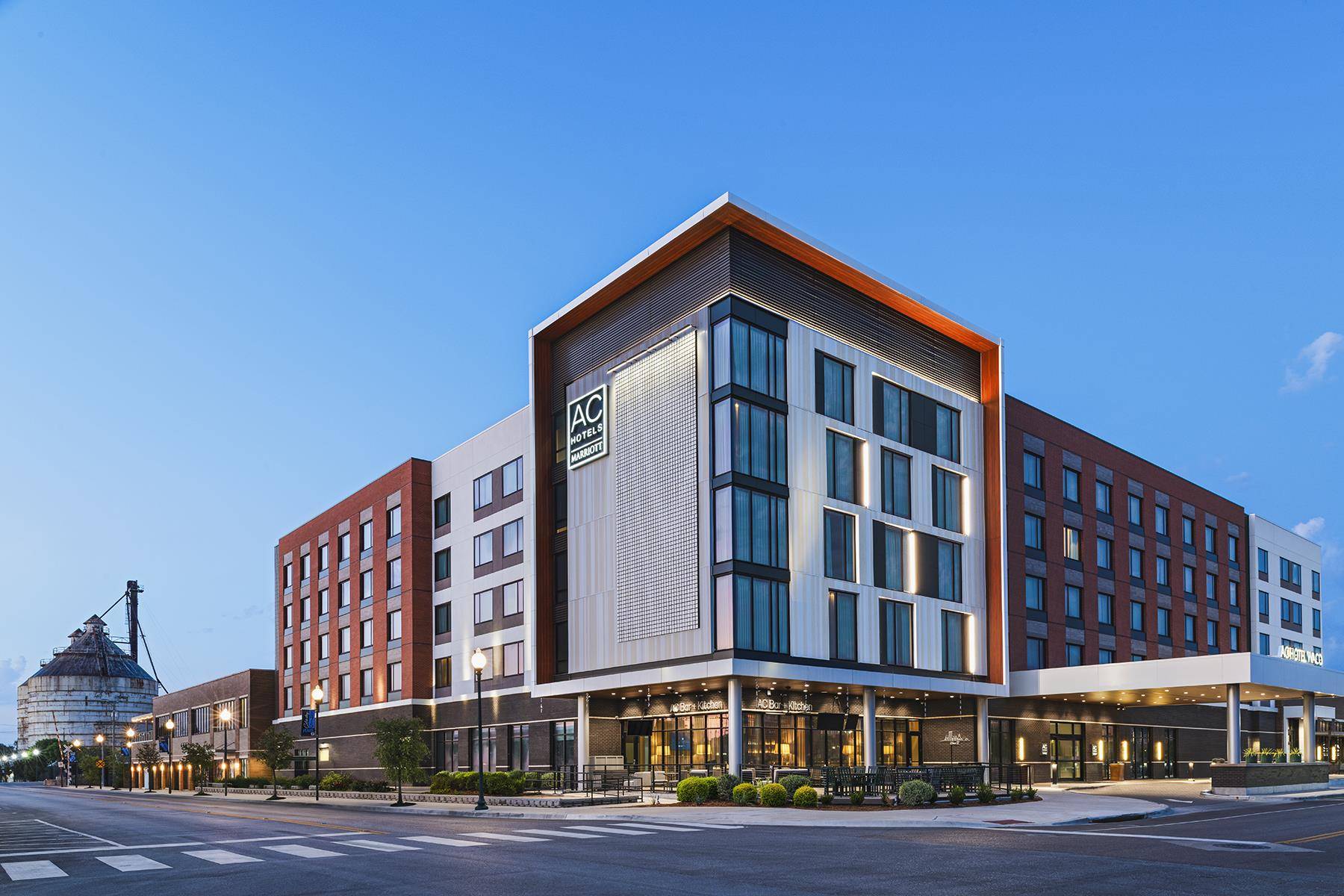
AC Hotel Waco Downtown is a downtown city hotel in Waco, Texas, minutes from the Waco Convention Center and Baylor University, with 182 guest rooms for groups that want to stay on site.
A dedicated conference center
A dedicated conference center is built for programs that need multiple breakout rooms and a setting that keeps the agenda moving. These venues are usually easier to control for flow, privacy, and room changes, which matters when sessions run in parallel.
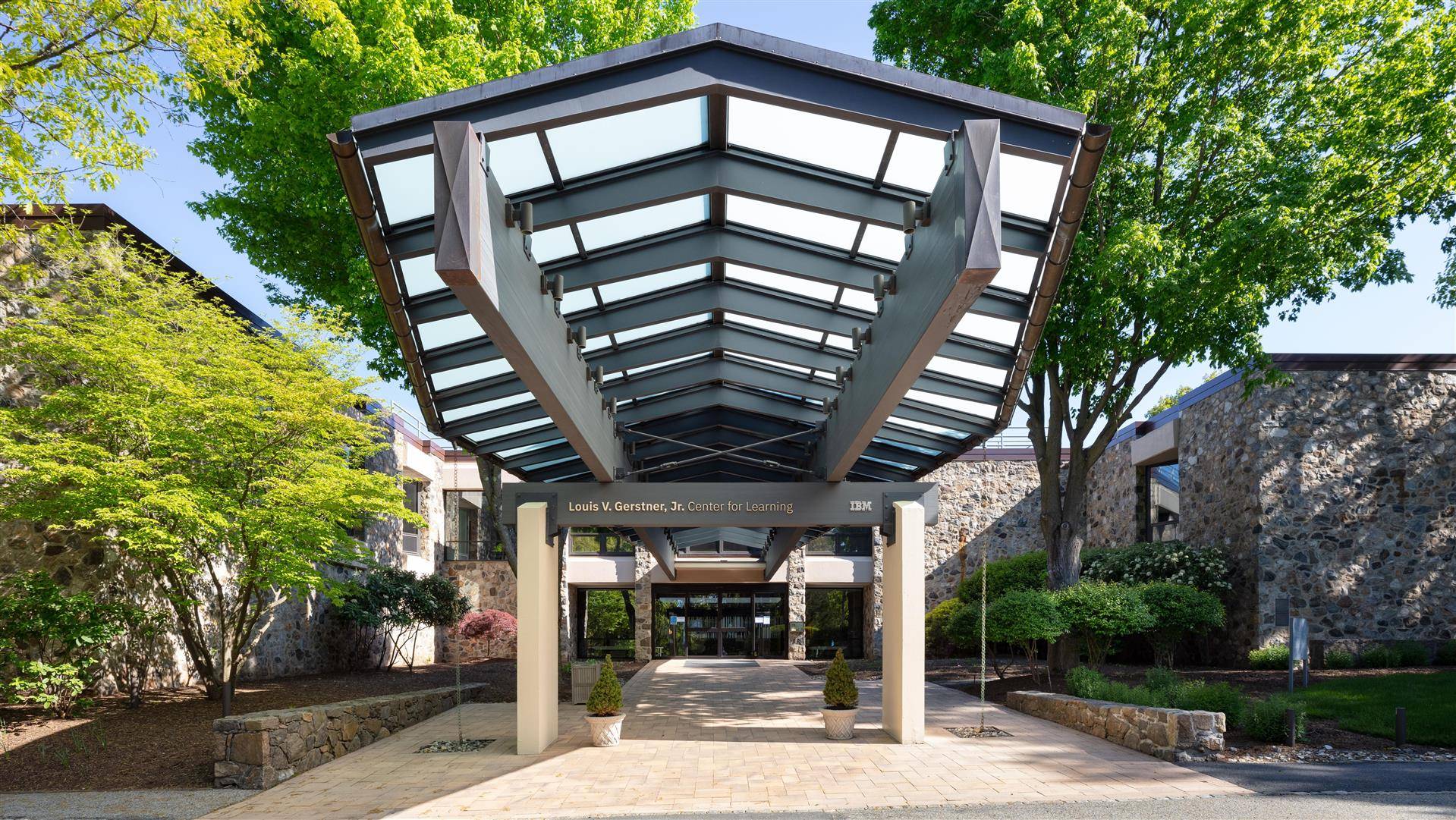
IBM Conference Center - Westchester is a dedicated conference center in Armonk, New York. Also known as The Louis V. Gerstner Jr. Center for Learning, it has 16,800 square feet of IACC Certified meeting space, from the Forum room to pod seating and mini meeting spots that suit small breakout groups.
A large resort
A large resort works when breakout sessions need room variety and a place where participants can stay on site between sessions. The setting can also help reduce outside distractions, since meetings, meals, and downtime all happen in one place.
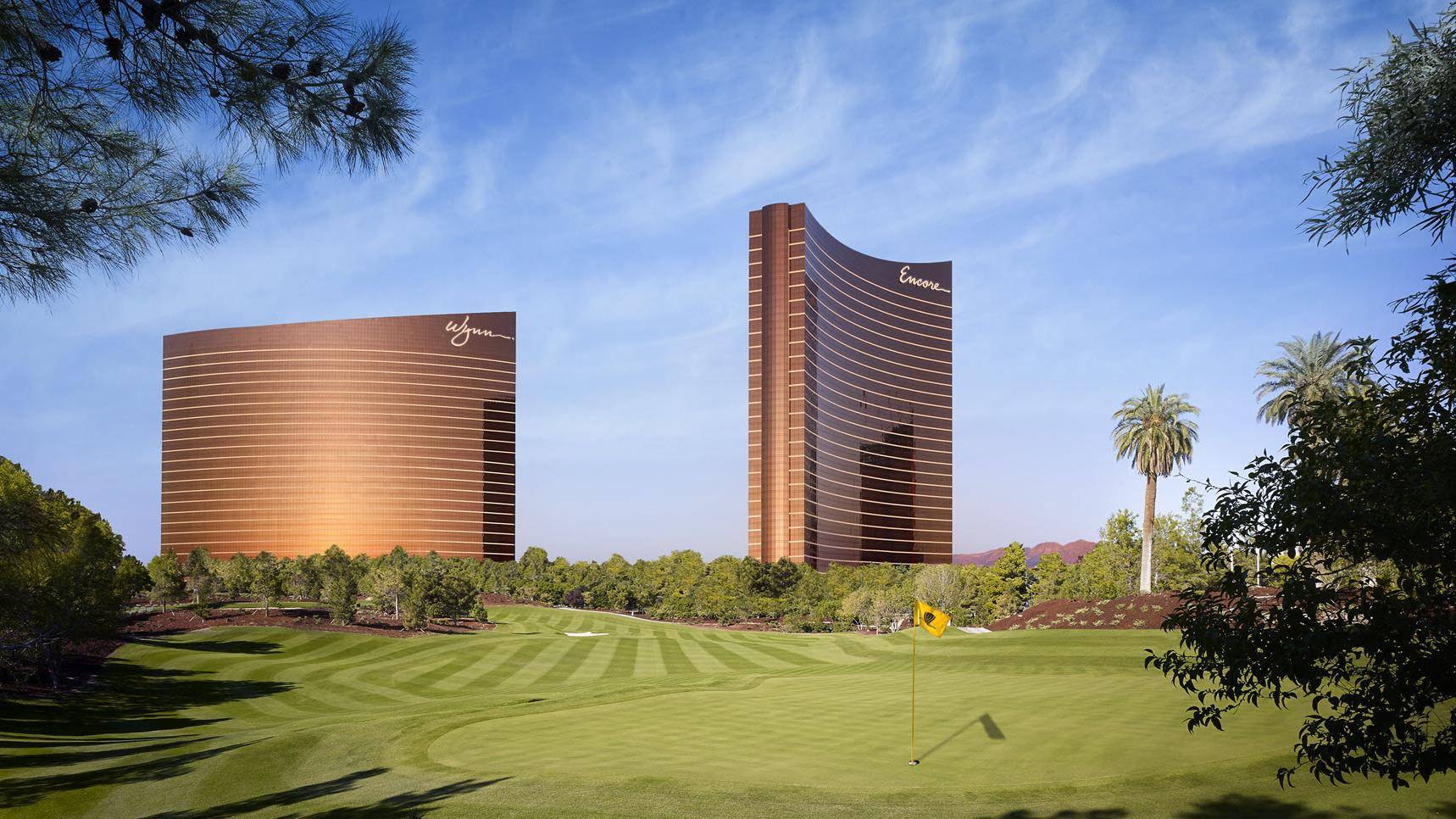
Wynn and Encore Las Vegas is a large resort in Las Vegas, Nevada. It offers 560,000 square feet of event space, including ballrooms, conference rooms, and unique venues such as an open-air pavilion and garden overlooking the Wynn Golf Club's 18th fairway and signature waterfall.
A venue in nature
A venue in nature suits breakout sessions when you want a quieter setting that helps people focus and reset between discussions. Being away from a dense city center can also make it easier to keep the group together and limit outside noise.
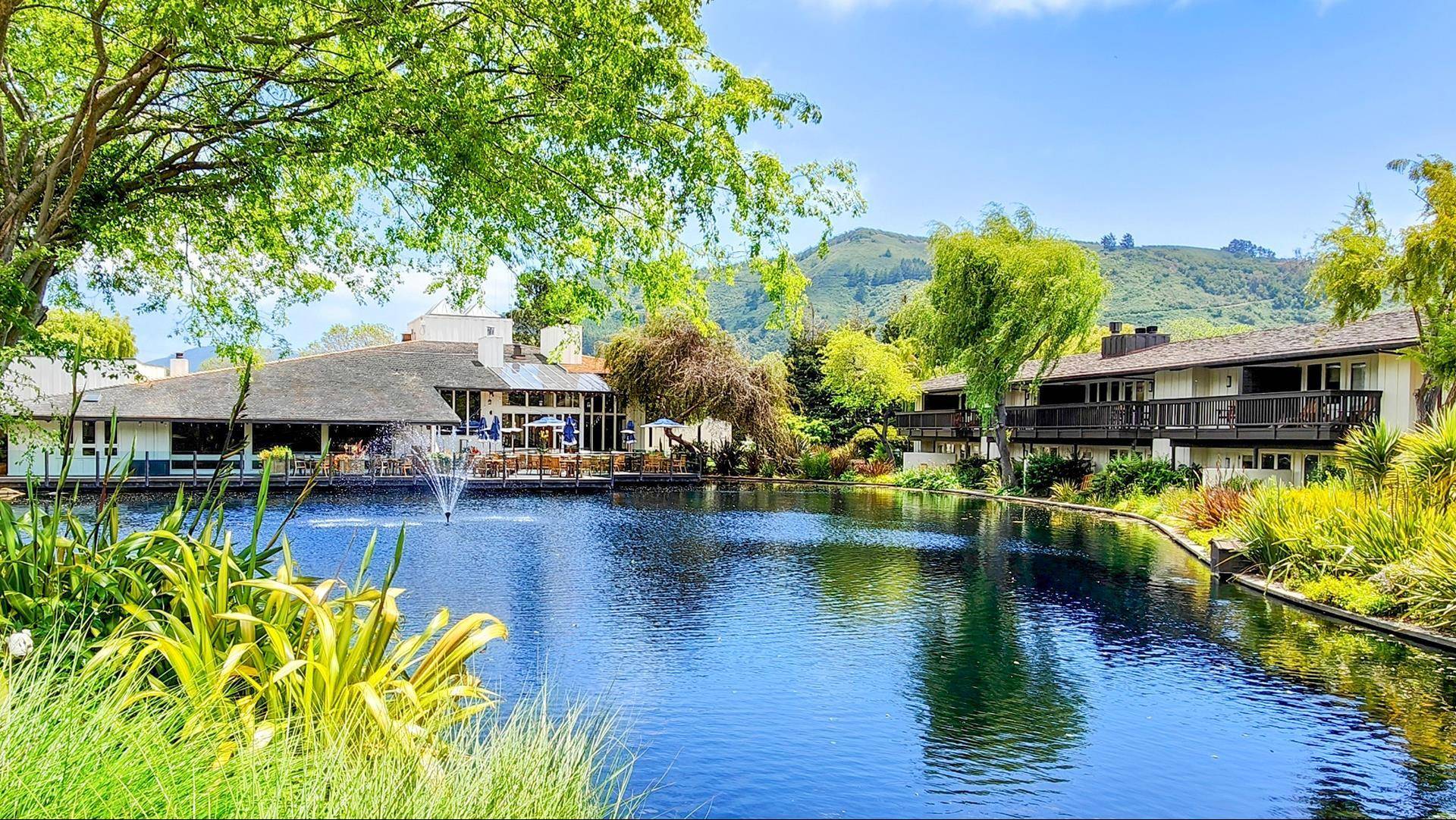
The Quail is a resort surrounded by greenery in Carmel, California, with more than 8,500 square feet of versatile meeting space and 93 rooms and suites, each with a private deck or patio.
A mountain venue
A mountain venue works well for breakout sessions when the goal is to create distance from daily distractions and give the group a clear sense of place. Mountain destinations also support longer stays, since attendees are less likely to come and go between sessions.

Telluride Conference Center is a mountain venue in Mountain Village, Colorado. It sits at 9,545 feet near the San Juan Mountains and the Telluride Ski Resort, and has 16,000 square feet of event space, with a 7,012 square foot ballroom for plenary sessions and nine meeting rooms for breakouts.
A remote ranch retreat
A remote ranch retreat is a strong fit for breakout sessions when you want privacy, focus, and a setting that encourages deeper discussion. The distance from a city center helps keep the group on site and reduces the pull of outside distractions.

The Lodge & Spa at Three Forks Ranch is a remote ranch retreat in Savery, Wyoming. It sits on a 200,000-acre wellness destination along the Colorado and Wyoming border and offers mountain and garden views from guest rooms and communal spaces.
Frequently asked questions
What breakout session ideas work best for planners?
The strongest breakout session ideas are the ones that match the goal to the format. Speed mentoring clinics, pitch networking challenges, silent auctions for expertise, departmental bridge building, strategy simulation arenas, design thinking sprints, reverse-engineering a success story, leadership role reversal clinics, AI prompt engineering playtests, and mindful movement breaks all work when the objective is clear and the time is realistic.
How do you choose the right breakout session format?
Choose the format by matching the session goal to the kind of participation you want. If the aim is relationship building, use a fast, social structure. If the goal is problem-solving, choose a session that ends with a concrete deliverable.
How do you run a breakout session well?
Run it well by defining the outcome, matching the activity to the time available, and assigning a facilitator who can keep the group moving. Good structure does not replace good moderation, and follow-up should be part of the session, not an afterthought.
What group size works best for breakout sessions?
The right group size depends on the format. Expert panel discussions work for 30-100 people, interactive workshops for 15-40 people, roundtable networking for 8-12 people per table, case study deep dives for 20-50 people, speed networking sessions for 40-150 people, and brainstorming sprints for 12-25 people.
Can breakout sessions work for remote or hybrid teams?
Yes, if the structure is clear and the facilitation is active. Hybrid groups need simple instructions, visible timing, and a way for remote participants to contribute on equal footing, or the room can split into two different experiences.
How do you know if a breakout session was successful?
Measure success by looking at what the session produced, not just how people rated it. For connection-focused formats, track meaningful new contacts or follow-up conversations; for skill-building sessions, look for prototypes, action items, or documented solutions; for reflection or reset sessions, check whether people returned to later sessions with more focus.