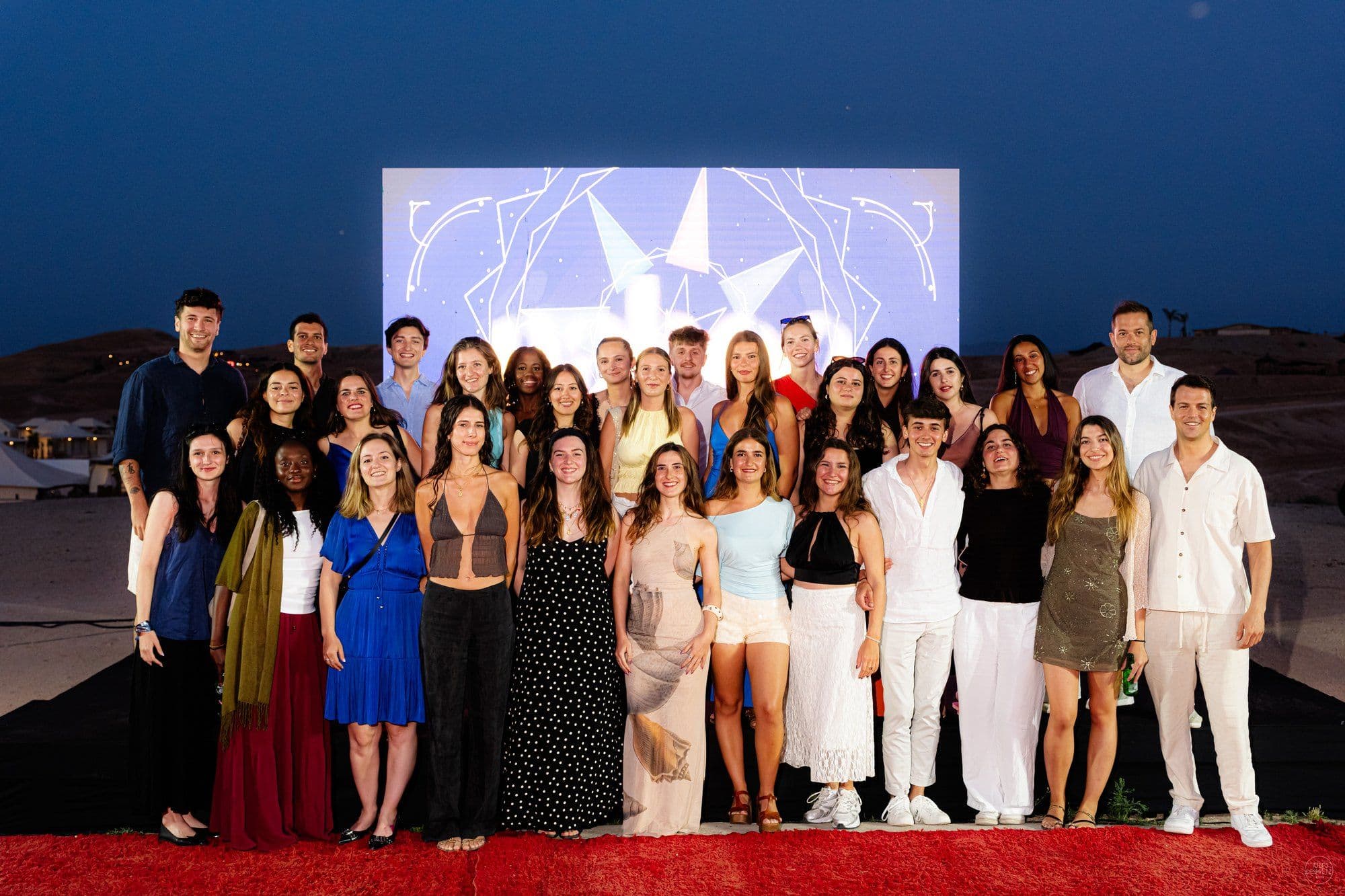
These diversity team building activities help planners choose formats that build trust, surface identity, and fit the room, whether the group is meeting in person or online.
Use lighter entries like name stories, recipe swaps, or phrase exchanges when the team is early, then move to deeper work such as identity mapping, active listening, or shared norms when people are ready.
The right choice depends on readiness, time, and the outcome you need, not on what looks most impressive on paper.
Key takeaways
- Start with lighter formats such as "My name, my story" introduction, global recipe swap, and cross-cultural phrase exchange when the team is early in the process.
- Use deeper activities like the culture map exercise, active listening triads, and the "community agreements" workshop when the group is ready for more reflection and shared norms.
- Choose a setting that fits the format: a meeting room for discussion, a kitchen for food, a museum or cultural venue for objects and memory, a gallery or art space for shared creation, or a retreat in nature for a quieter start.
- Check practical needs before booking, including open space for art, room for small-group work, and whether the activity can run virtually or in person.
- For food-based formats, label allergens and dietary restrictions, and keep the focus on the story behind the dish rather than consumption.
- The strongest results come from clear purpose, voluntary sharing, skilled facilitation, and leaders taking part so the group sees the tone they are expected to follow.
1. "My name, my story" introduction
Have employees share the meaning, origin, and correct pronunciation of their name, along with any family story or tradition tied to it. Names carry cultural and historical weight, so this simple exercise can be surprisingly meaningful.
Group setup: Whole group, short turns
Best for: Opening a session with respect
How to apply: This works well as an icebreaker. It directly addresses mispronunciation microaggressions and validates identity. The team commits to using correct pronunciations going forward.
2. The personal artifact share
Ask participants to bring an object that represents something significant about their culture or personal journey. The point is the story behind it, not the object itself. When people explain why it matters, the group hears identity, memory, and values in one conversation.
Group setup: Whole group, a few minutes each
Best for: A gentle entry into deeper conversation
How to apply: Each person shares a 3-5 minute story. The facilitator ensures active listening. The group reflects on how personal narratives connect to workplace strengths. This requires a trusting environment and shifts the conversation from roles to people.
3. Global recipe swap
Invite team members to share a traditional recipe from their heritage, including ingredients, preparation, and the occasion it is tied to. Food opens the door, but the story behind the dish is what gives the activity depth.
Group setup: Potluck or virtual exchange
Best for: Sharing culture through food and family stories
How to apply: Run this virtually or as an in-person potluck. Label for allergens and dietary restrictions. Focus on the story behind the dish, not just consumption.
4. The culture map exercise
Ask participants to map key parts of identity such as nationality, generation, career path, family values, and primary language. The exercise helps people see that identity is layered, not one-dimensional.
Group setup: Small groups
Best for: Showing that identity is layered
How to apply: Provide a template (paper or digital). Share in small groups. The facilitator guides reflection on how these multiple layers contribute to collective knowledge.
5. Active listening triads
Split participants into groups of three: a speaker, a listener, and an observer. The speaker shares a work experience, the listener practices active listening without interrupting, and the observer gives feedback on the listening process.
Group setup: Groups of three
Best for: Teams with different communication styles
How to apply: Use low-stakes discussion topics like "A challenging project I worked on." This improves communication flow, especially in groups where communication styles vary dramatically.
6. Cross-cultural phrase exchange
Invite team members who speak different languages to teach the group simple, practical phrases such as greetings, thank you, and congratulations. The activity is small, but the signal is strong: multilingualism is an asset.
Group setup: Whole group
Best for: Valuing the languages already in the room
How to apply: Keep phrases simple and conversational. This breaks the ice, validates multilingualism as a team asset, and addresses linguistic diversity directly.
7. Collaborative identity mural project
Ask the team to design and paint a large mural where each person adds an element, symbol, or color that reflects their identity or cultural background. The finished piece becomes a shared record of the group.
Group setup: Whole group, hands-on
Best for: A lasting shared piece for the office
How to apply: Provide materials: large canvas, paints, markers. The team collaborates on overall structure, but individuals retain autonomy over personal contributions. The finished mural becomes a lasting visual reminder of collective diversity.
8. The shared skill transfer class
Have employees teach the team a skill rooted in their cultural background or personal passion, such as quilting, coding shortcuts, or Texas BBQ techniques. The point is to let people lead with knowledge that may sit outside their job title.
Group setup: Small groups led by a colleague
Best for: Letting people lead outside their job title
How to apply: Requires planning for materials and space. This positions team members as experts and shifts power dynamics, building mutual respect for non-professional talents.
9. Mentorship bridge program
Set up a voluntary, structured mentorship program that pairs people from different demographic or departmental backgrounds. The emphasis should be on reciprocal learning and cultural context, not one-way advice.
Group setup: Pairs, over several months
Best for: Learning that continues after the event
How to apply: Participants commit to monthly, facilitated check-ins for six months. Provide training on cross-cultural coaching. This sustains inclusion focus long after a single event.
10. The "community agreements" workshop
Bring the team together to define, debate, and formalize shared behavioral norms, especially around respectful disagreement and conflict resolution. The result is a living document the group can return to later.
Group setup: Whole group
Best for: Turning values into shared norms
How to apply: Use consensus-building techniques. Cover interruptions, challenging feedback, and equitable speaking time. The resulting document becomes a living artifact of team commitment.
Avoiding common mistakes in diversity team initiatives
Good intentions fail when the execution is weak. One common mistake is treating the work as a one-time event. Another is mandating participation without first creating psychological safety. A third is focusing only on differences and forgetting shared goals.
Keep the work continuous, explain the purpose clearly, and make room for voluntary sharing. Leaders should participate too. When they model vulnerability, the room is more likely to follow.
How do you measure the impact of these activities?
Measure both immediate engagement and longer-term behavior change. Start with participation rates, post-activity surveys, and feedback quality. Then look at employee engagement scores, retention within underrepresented groups, and DEIB-related conflict reports over time.
Ask specific questions such as whether people feel more confident addressing microaggressions. Track whether the team speaks up more, whether inclusion scores improve, and whether the activity leads to better day-to-day behavior. That is how you tell whether the work is sticking.
How do you choose the right activity for your team?
Choose based on readiness, time, and the outcome you need. If the team is early in the process, start with lighter formats such as name stories, recipe swaps, or phrase exchanges. If the group is ready for deeper work, use the culture map exercise, active listening triads, or the community agreements workshop.
Also consider the setting. Some activities need open space, while others work well in a meeting room or online. The right choice is the one your group can handle honestly and usefully, not the one that looks most impressive on paper.
Where to host diversity team building activities
Most of these activities work in a meeting room, but some are better in a space that fits the format: a kitchen for food, a museum for culture and history, open wall space for art. Here is how each type of venue works, with a real Naboo venue for each.
A cooking school
A cooking school fits a global recipe swap because participants can cook side by side, compare ingredients, and talk through the stories behind each dish while they work. The hands-on format keeps the activity practical and gives every person a clear role, which helps the group learn from one another.
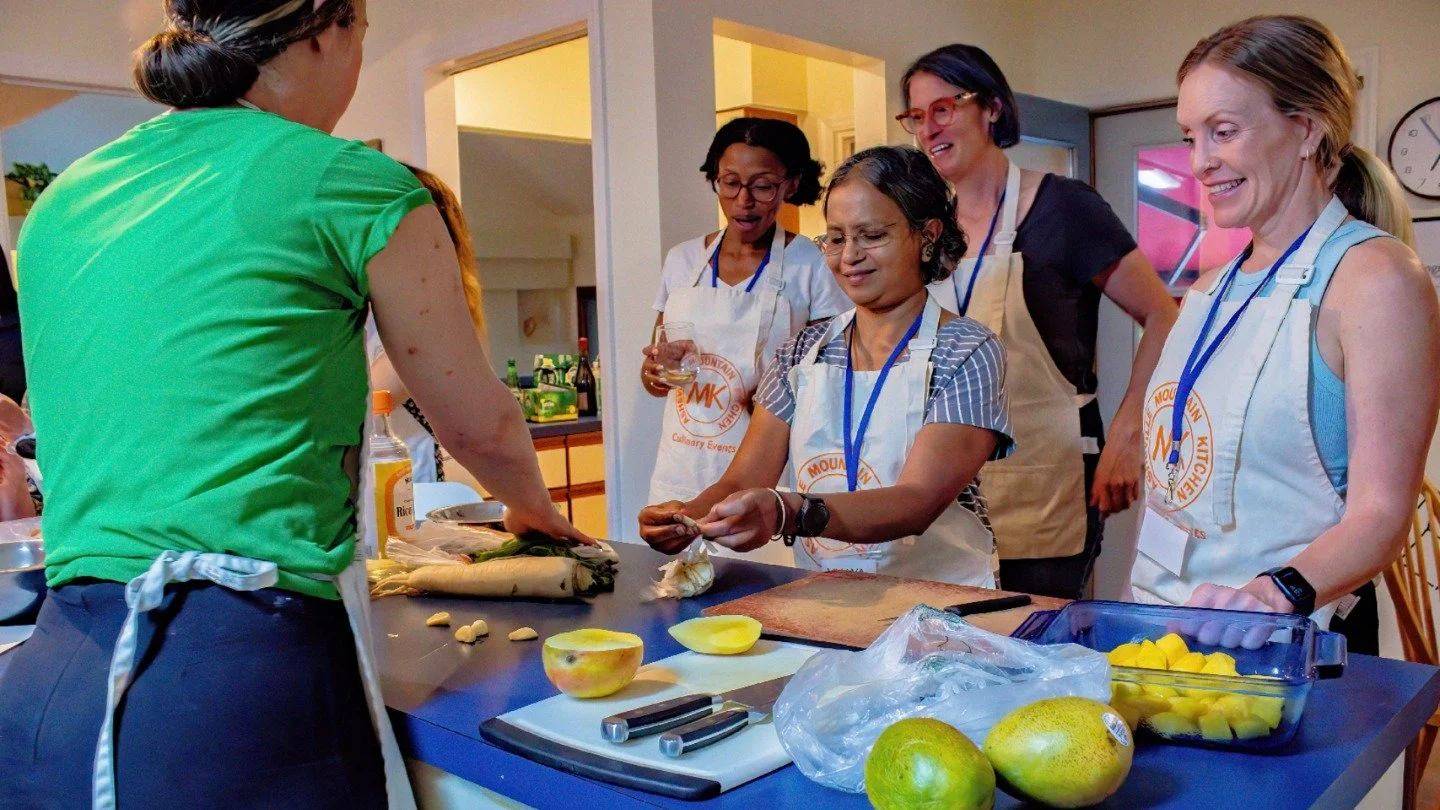
Asheville Mountain Kitchen is a cooking school in Asheville, North Carolina. It sits in a mountain setting with access to natural foraging environments and a dedicated kitchen space, and it offers hands-on cooking classes and culinary experiences for groups.
A museum or cultural venue
A museum or cultural venue suits a culture map exercise and personal artifact share because the setting naturally invites people to connect objects, places, and memory. It gives the group a thoughtful backdrop for sharing personal items and discussing how culture shapes identity.
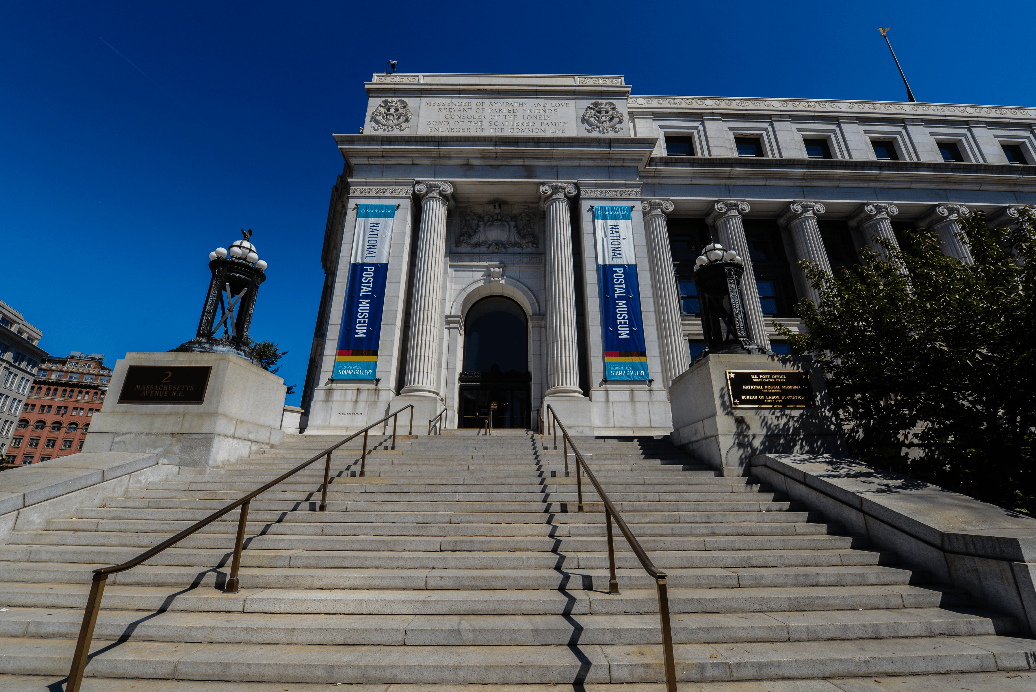
The Smithsonian National Postal Museum is a museum in Washington, District of Columbia. It is dedicated to the history and cultural significance of the United States mail service, and it is set in a classic beaux arts building.
A gallery or art space
A gallery or art space works well for a collaborative identity mural project because the open walls and visual setting support shared creation. The format gives teams room to build something together while staying focused on color, shape, and personal expression.
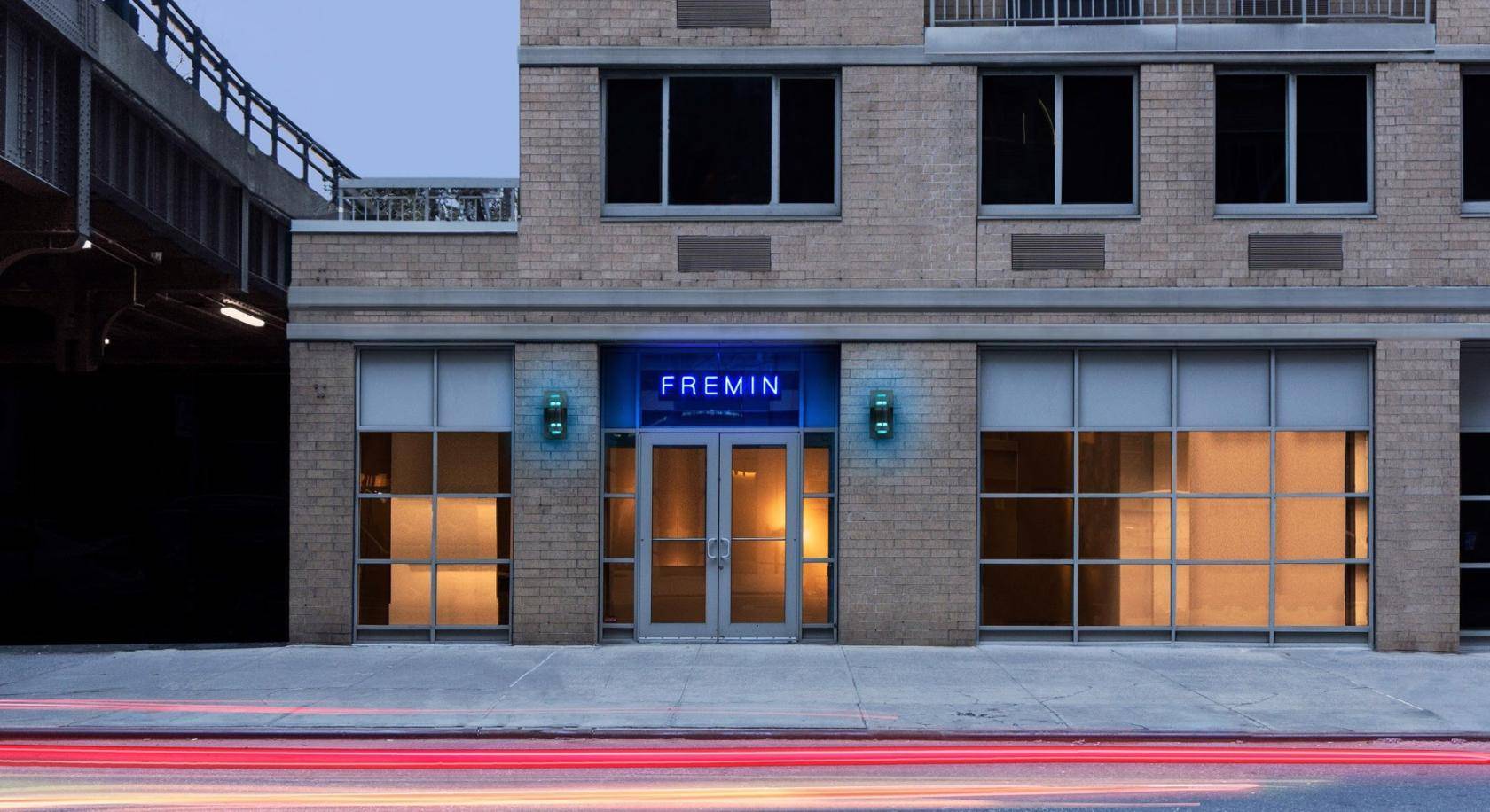
Gallery Under the High Line is a gallery and event space in New York, New York. It is located in the Chelsea neighborhood beneath the High Line, and the 1,400-square-foot venue features white walls and polished concrete floors.
A conference center in the city
A conference center in the city is a strong fit for a community agreements workshop and active listening triads because it offers structured rooms for small-group discussion and larger plenary moments. The setting helps teams move between focused conversation and full-group alignment without changing venues.
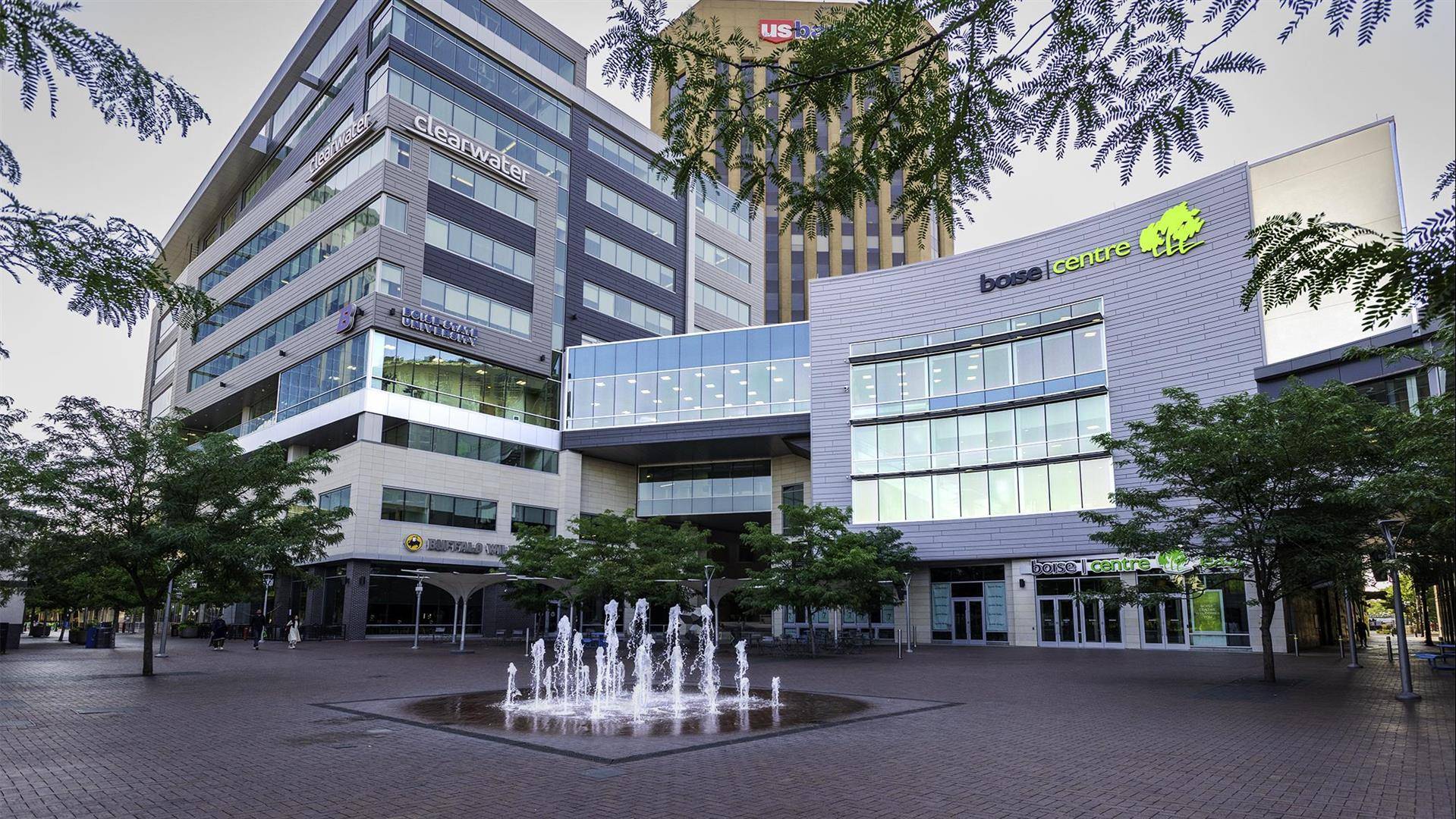
Boise Centre is a conference center in Boise, Idaho. It offers 86,000 square feet of meeting space, including 31 versatile meeting rooms and a grand ballroom of 24,426 square feet.
A retreat in nature
A retreat in nature suits a mentorship bridge program kickoff because the quieter setting gives people space to slow down, listen, and build trust. Being away from the office helps the group start with intention and create a more personal tone for the program.
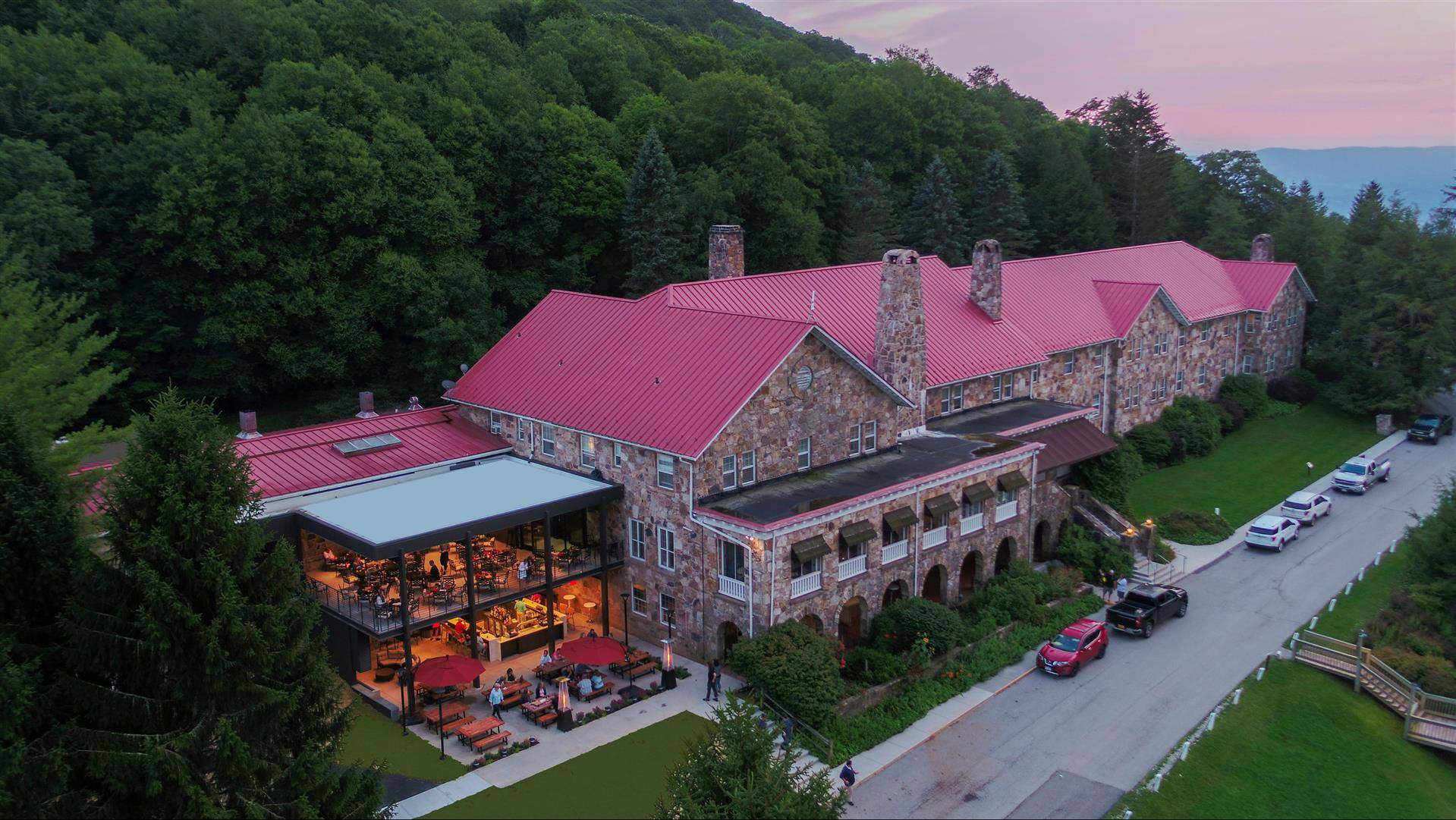
Mountain Lake Lodge is a retreat in Pembroke, Virginia. It is set within a 2,600-acre nature preserve in the Appalachian Mountains, and it offers rustic cabins, cozy cottages, and rooms in the historic Main Stone Lodge.
Frequently asked questions
What is the main goal of diversity team building activities?
The goal is to help people build trust, understand one another more fully, and create a stronger sense of belonging at work. The right activities can also build empathy, reduce bias, and create psychological safety.
How do you choose the right activity for your team?
Choose based on readiness, time, and the outcome you need. If the team is early in the process, start with lighter formats such as name stories, recipe swaps, or phrase exchanges. If the group is ready for deeper work, use the culture map exercise, active listening triads, or the community agreements workshop.
How do you run a diversity team building activity well?
Start with trust, clear ground rules, and skilled facilitation. Keep the purpose clear, make room for voluntary sharing, and have leaders participate too. When leaders model vulnerability, the room is more likely to follow.
What group size works best?
It depends on the format. Some activities work best with the whole group, while others are better in small groups, groups of three, or pairs over several months.
Can diversity team building activities work for remote or hybrid teams?
Yes. Several formats can be adapted for virtual teams, including name stories, recipe swaps, phrase exchanges, and active listening triads. The right choice is the one your group can handle honestly and usefully, whether that is online or in person.
How do you know if the activity is working?
Measure both immediate engagement and longer-term behavior change. Start with participation rates, post-activity surveys, and feedback quality, then look at employee engagement scores, retention within underrepresented groups, and DEIB-related conflict reports over time.