
The best networking event ideas
The strongest networking event ideas create real conversation, not polite drift. When people have a clear prompt, a time limit, and a reason to talk, they leave with names they remember and follow-ups they can actually use.
Key takeaways
- Structure beats free-form mingling when the goal is useful business connections.
- Formats work best when they fit the audience, from junior staff to senior leaders.
- Short, focused sessions help quieter attendees contribute without pressure.
- Follow-up matters as much as the room itself, because the real value shows up later.
| Idea | Best for | What it builds |
|---|---|---|
| Structured introduction prompts | Teams that need fast, useful first conversations | Clearer introductions and better follow-up notes |
| Professional storytelling sessions | Retreats and groups that need trust quickly | Shared context and stronger rapport |
| Collaboration sprints | Mixed teams that can solve a real business problem together | Problem-solving, communication, and visible teamwork |
| Executive challenge roundtables | Senior leaders who want peer-level discussion | Candid exchange on high-stakes issues |
| Rapid skill-share rounds | Groups with varied expertise and quieter voices | Hidden strengths and practical peer learning |
| Post-panel insight groups | Audiences coming out of a speaker session | Shared context and deeper discussion |
1. Structured introduction prompts
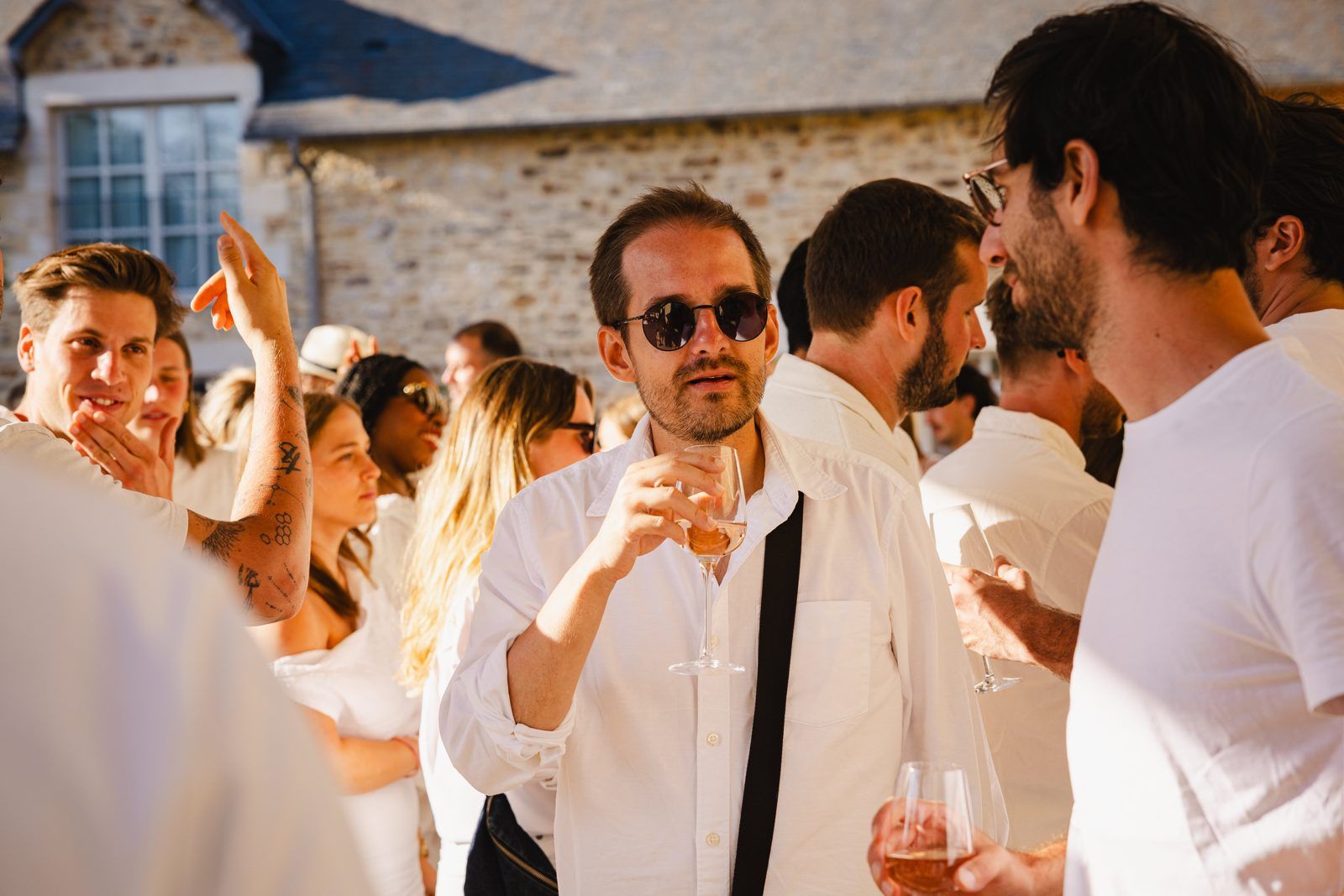
Structured introduction prompts are a better opening than "What do you do?" because they push people into useful conversation fast. Ask questions like "What's the biggest operational challenge your department faced this quarter?" or "What skill are you committed to mastering this year?" Rotate attendees through five-minute rounds, use a timer, and give each person a card to note names and key details for follow-up. The format keeps the room moving while making each exchange more specific.
Best for: Teams that want quick, practical introductions without awkward small talk.
How to set it up: Prepare a short list of prompts tied to work, not hobbies. Seat people in pairs or small groups, set a visible timer, and ask each person to write down one useful detail about the people they meet. Keep the questions simple enough to answer in a few minutes, but specific enough to spark a real exchange.
2. Professional storytelling sessions
Professional storytelling sessions create trust faster than a list of job titles. Use small groups and prompts like "The project failure that taught you most about leadership," then keep the focus on lessons learned rather than polished wins. That shift matters. People open up when the room feels real, and the conversation becomes more memorable. This format works especially well for company retreats where the goal is to deepen relationships, not just exchange names.
Best for: Retreats, offsites, and team gatherings where rapport matters.
How to set it up: Give each group one prompt and a clear time limit. Ask speakers to share one challenge, one lesson, and one takeaway they would use again. Keep the groups small enough that everyone speaks, and close with a short reflection so people can connect the stories to their own work.
3. Collaboration sprints
Collaboration sprints give small, mixed teams a real business problem to solve in 30 minutes. Instead of passive networking, attendees see how others think, communicate, and work under pressure. Each team presents its solution afterward, which gives everyone a chance to contribute and show value. The key is to choose a problem that is clear, relevant, and realistic enough to solve in the time available. Mix skills on purpose so the group has range.
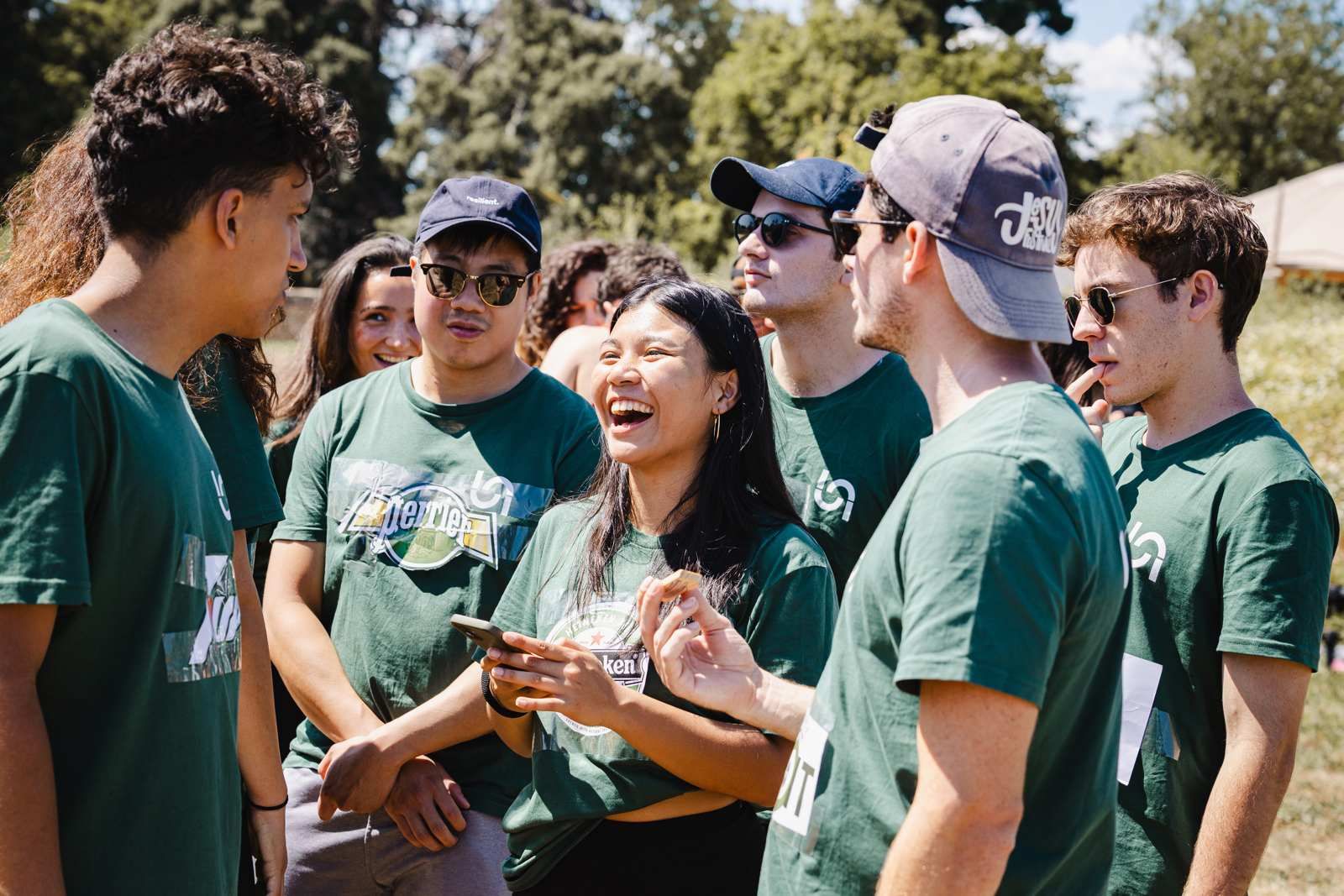
Maxime Eduardo, CEO at Naboo, described what this looked like at our first internal hackathon:
"There are no rules, and this is what I love! I see sales people, HR people, finance people going to their tech team, giving them ideas, sharing things, discovering what the tech team has done."
Best for: Cross-functional teams and groups that need a shared challenge.
How to set it up: Pick one problem with a clear brief and a simple output, such as a short recommendation or action plan. Build mixed teams so no group is too similar. Give them a timer, a way to capture ideas, and a short presentation slot at the end. Keep the task focused so the sprint feels productive, not rushed.
4. Executive challenge roundtables
Executive challenge roundtables are built for senior leaders who want peer-level discussion, not sales pitches. Keep the group small and private, then center the conversation on high-stakes issues like navigating supply chain fragmentation or other strategic pressure points. The intimacy of the setting helps C-suite attendees speak candidly and compare notes with people facing similar decisions. This format works because it respects time and keeps the discussion focused on real business problems.
Best for: Senior leaders, founders, and decision-makers.
How to set it up: Invite people who have enough context to speak honestly about the topic. Choose one issue and one moderator. Keep the discussion tight, with a clear opening question and a short closing round so each person leaves with a useful takeaway or next step.
5. Rapid skill-share rounds
Rapid skill-share rounds give every attendee a short turn to share a niche skill, passion project, or industry insight. Three minutes is enough to surface useful expertise without losing attention. The format often reveals strengths people would not otherwise notice, including practical automation tricks or specialized knowledge from quieter team members. It also gives introverts a defined speaking role, which makes the room feel more balanced and less dominated by the loudest voices.
Best for: Teams with mixed expertise and people who do not always speak up first.
How to set it up: Ask each attendee to prepare one skill, lesson, or tool they can explain quickly. Use a strict time limit and a visible cue for when to wrap up. Capture the best ideas on a board or shared note so people can follow up later with the person who shared them.
6. Post-panel insight groups
Post-panel insight groups turn passive listening into active discussion. After a panel, break the audience into small groups of four to six people for about 10 minutes so they can react to what they just heard before everyone reconvenes. That short pause gives attendees instant common ground and helps the panel's ideas stick. It also creates a smoother bridge into later conversations, because people already have a shared reference point and something specific to discuss.
Best for: Conferences, speaker programs, and leadership events.
How to set it up: Plan the breakout before the panel starts so the transition feels natural. Give each group one or two questions tied to the talk, then bring everyone back together for a short share-out. Keep the discussion focused on what people learned and what they want to explore next.
How do you choose the right format?
The right format depends on who is in the room and what they need from the event. If people are meeting for the first time, use a structure that lowers pressure and gets them talking quickly. If the goal is trust, choose a format that invites personal stories and shared reflection. If the audience is senior, keep the conversation focused and peer-level. If you want practical value, use a format that produces a clear output or next step. The best choice is the one that fits the audience's seniority, comfort level, and reason for attending.
How to decide: Start with the event goal, then match the format to the audience. Ask whether the room needs introductions, trust, problem-solving, or follow-up. Choose one clear outcome and build the activity around it.
How do you keep the event inclusive?
Inclusive events give people a structure to participate without having to compete for airtime. Timed rounds, small groups, and clear prompts help quieter attendees contribute on equal footing. Avoid formats that rely on aggressive mingling or open-ended chatter, since those tend to favor the most outgoing people in the room. When the activity is specific and the expectations are clear, more people can join in with confidence.
How to set it up: Use small groups, visible timing, and prompts that reward expertise rather than performance. Make sure every attendee has a role, even if it is only to share one idea or one question. Keep the tone professional and the instructions simple.
How do you measure whether it worked?
Measure success by whether connections last, not by how full the room looked. The real question is what happened after the event. Look for follow-up conversations, shared projects, referrals, or mentorship that continued beyond the room. If people can point to a useful contact or a concrete next step, the format did its job.
How to set it up: Ask attendees what they learned, who they plan to follow up with, and whether the event helped them meet the right people. Check back later to see whether those conversations turned into something practical. That gives you a clearer read than attendance alone.
Where to host networking event ideas
The venue decides which networking event ideas will work, from a breakout-heavy program to a seated dinner. Each option below includes a real Naboo venue to help you match the format to the space.
A venue with flexible breakout rooms
A venue with flexible breakout rooms suits these formats because each one depends on quick shifts between plenary energy and smaller-group work. Structured introduction prompts, professional storytelling sessions, collaboration sprints, executive challenge roundtables, rapid skill-share rounds, and post-panel insight groups all work better when teams can split, regroup, and keep the conversation moving without losing focus.
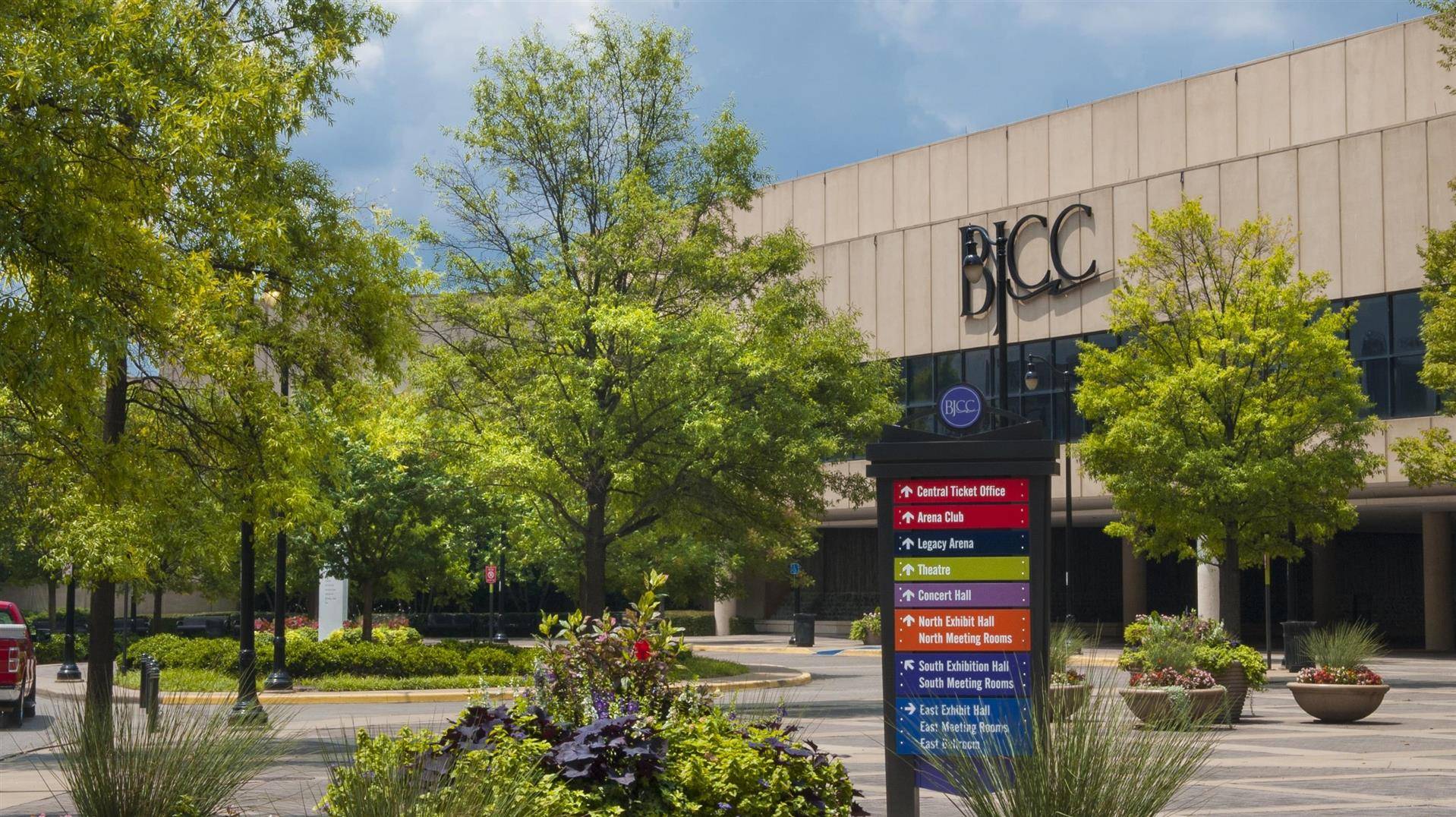
Birmingham Jefferson Convention Complex is a convention facility in Birmingham's Uptown Entertainment District. It offers extensive meeting and event space, including 65 meeting rooms, exhibition space, a stadium, an arena, outdoor space, and two ballrooms.
A venue with a private dining room
A venue with a private dining room suits structured introduction prompts, professional storytelling sessions, executive challenge roundtables, rapid skill-share rounds, and post-panel insight groups because the room gives planners a contained setting where people can speak, listen, and move through the agenda without distraction. The format works best when conversation needs focus, but the mood still needs to feel social and polished.
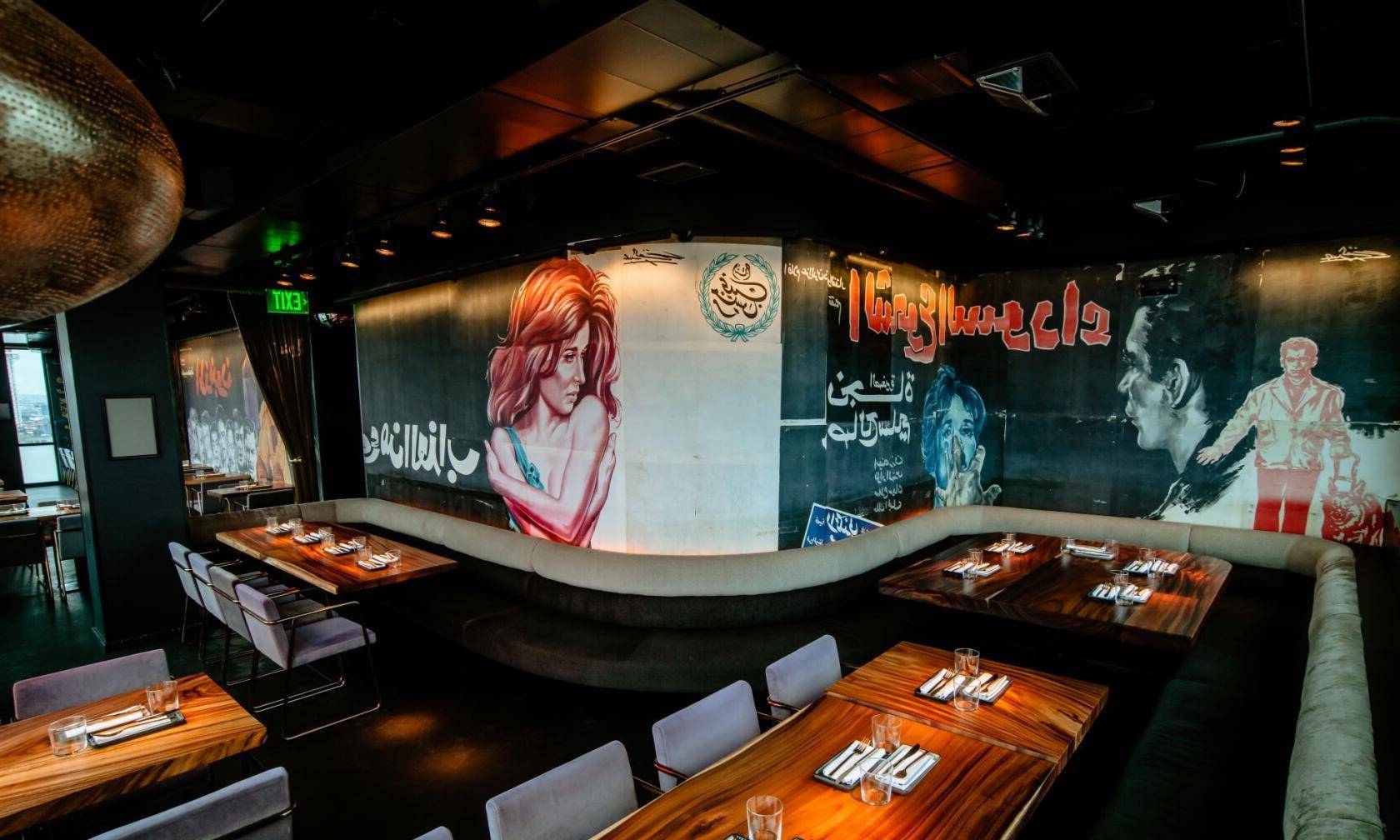
EL Five is a penthouse venue in Denver, Colorado, with dramatic views and a bold Mediterranean tapas dining experience. It rises five floors via elevator and combines indoor and outdoor spaces, including a rooftop terrace and several semi-private dining rooms with contemporary design and abundant natural light.
Frequently asked questions
What is the biggest mistake organizers make when planning a networking event?
Relying too heavily on unstructured mingling is the biggest mistake. It creates polite drift instead of real conversation, and people leave without names they remember or follow-ups they can use.
How can I make networking activities inclusive for introverts?
Use structure, not open-ended mingling. Timed rounds, small groups, and clear prompts give quieter attendees a defined role and make it easier to contribute without pressure.
Should networking activities focus on professional or personal topics?
Keep the main focus professional. Prompts about career challenges, skills, lessons learned, and industry insights create common ground and lead to more useful follow-up notes.
How do I choose the right networking format for my audience?
Start with the event goal, then match the format to the audience's seniority, comfort level, and reason for attending. Use introductions for first meetings, storytelling for trust, peer-level discussion for senior leaders, and problem-solving formats when you want a clear output.
How long should a networking activity last?
It depends on the format. Five-minute rounds work well for structured introductions, three minutes is enough for rapid skill-share rounds, and collaboration sprints need 30 minutes to solve a clear business problem.
How do I know if the event worked?
Measure success by what happens after the room, not by how full it looked. Look for follow-up conversations, shared projects, referrals, mentorship, or a concrete next step that came from the event.