
One-day company retreat ideas work when they give people a clear reason to step away from routine and do something together that feels real. The strongest formats are practical, easy to run in a single day, and useful for teams that need better communication, a reset, or a shared win. The list below keeps the ideas that do the most with the least friction.
Key takeaways
- Hands-on workshops work well when you want people focused and present, not just entertained.
- Outdoor and movement-based formats help teams reset when energy is low or stress is high.
- Problem-solving activities like scavenger hunts, escape rooms, and design thinking sessions reveal how people work together.
- Purpose-led days, including volunteering, give the group a shared goal outside the office.
- The right venue should make the day easier, not add more logistics.
| Idea | Best for | What it builds |
|---|---|---|
| Hands-on pottery or craft workshop | Teams that need a slower pace and a break from screens | Focus, patience, and a more relaxed atmosphere |
| Urban scavenger hunt | Groups that want movement, competition, and quick decisions | Communication, coordination, and leadership under pressure |
| Forest bathing or nature walk | Teams dealing with stress or burnout | Calmer conversation, mental reset, and informal bonding |
| Cooking challenge | Teams that work well with a little friendly competition | Collaboration, resource management, and adaptability |
| Volunteering day | Companies that want a shared purpose and a visible outcome | Team unity, perspective, and a sense of contribution |
| Design thinking workshop | Teams solving a real business problem | Structured problem-solving, idea sharing, and next steps |
1. Hands-on pottery or craft workshop
A hands-on pottery or craft workshop is one of the strongest office retreat ideas because it pulls people out of their usual roles and puts them into a shared beginner experience. That shift matters. When everyone is learning something tactile together, the room gets quieter in a good way, and people tend to talk more naturally. It also gives the team a physical takeaway from the day, which helps the experience stick. This format works especially well for groups that spend most of their time behind screens and need a slower, more grounded pace.
Best for: Teams that need a reset, mixed-skill groups, and companies that want a low-pressure creative activity.
How to set it up: Book a local workshop with an instructor who can teach beginners without making the session feel formal. Keep the materials simple and the instructions clear. Plan for enough table space, cleanup time, and a place to store finished pieces if they need drying or firing. If you want the day to feel more polished, pair the workshop with a shared lunch or coffee break before people head back to work.
2. Urban scavenger hunt
An urban scavenger hunt is a strong choice for corporate retreat ideas because it gets people moving, thinking, and working together in real time. The format naturally mixes departments and creates small moments of pressure that show how teams communicate when they have to make quick decisions. It also keeps the day lively without requiring a lot of setup once the route and clues are ready. For teams that need energy and a bit of friendly competition, this is one of the most reliable work retreat ideas.
Best for: Active teams, cross-functional groups, and companies that want a fast-paced shared challenge.
How to set it up: Build a route that is walkable and easy to navigate, with clues tied to landmarks or local points of interest. Keep the instructions simple enough that the game feels fun, not frustrating. Divide the group into small teams and make sure each team has a clear way to submit answers or check progress. Plan a finish point where everyone can regroup, compare notes, and debrief the day.
3. Forest bathing or nature walk
Forest bathing or a guided nature walk works because it lowers the pace of the day and gives people room to talk without the pressure of a meeting room. For teams that are tired, overloaded, or stuck in constant back-to-back work, this kind of retreat can feel like a real reset. It is also easy to adapt for different fitness levels if the route is chosen carefully. Among one-day company retreat ideas, this is one of the most useful when the goal is calm, not competition.
Best for: Stressed teams, leadership groups, and companies that want a restorative office retreat.
How to set it up: Choose a safe, accessible trail or green space with room for a relaxed walk and conversation. Keep the schedule light and build in time for breaks. If you want more structure, add a short guided reflection or a simple group discussion at the end. Make sure people know what to wear and what the weather plan is so the day stays comfortable.
4. Cooking challenge
A cooking challenge works well because it turns teamwork into something visible, immediate, and shared. People have to communicate, divide tasks, manage time, and adapt when something goes wrong. That makes it useful for groups that want more than a social outing. It also ends with a meal, which gives the day a natural finish and a sense of reward. For teams that like a little competition, it is one of the most practical company retreat ideas.
Best for: Teams that enjoy hands-on collaboration and a friendly competitive format.
How to set it up: Use identical ingredients or a clear theme so every team starts on the same footing. Keep the rules simple and the judging criteria easy to understand. Make sure the kitchen or event space has enough prep stations, serving tools, and cleanup support. If possible, end with everyone eating together so the activity feels like a shared accomplishment rather than just a contest.
5. Volunteering day
A volunteering day gives the team a shared goal outside the company, which is why it works so well for one-day company retreat ideas. People tend to connect differently when they are doing something useful for someone else. Hierarchy softens, conversation becomes more natural, and the group leaves with a sense that the day mattered. It is also a strong option for companies that want their retreat to reflect their values in a concrete way.
Best for: Purpose-driven teams, companies with a strong community focus, and groups that want a meaningful shared experience.
How to set it up: Choose a volunteer project that matches the team's energy and physical comfort level. Confirm the task, timing, and any training or supplies in advance. Keep transportation simple and build in time for a group meal or debrief afterward. If you want the day to feel cohesive, frame the volunteer work around a clear reason the company chose it.
6. Design thinking workshop
A design thinking workshop is one of the best office retreat ideas when the goal is to solve a real problem, not just spend time together. It gives the team a structure for listening, sharing ideas, and testing options without turning the day into a regular meeting. That makes it especially useful for groups that need clarity on next steps or have a challenge that crosses departments. Among work retreat ideas, this one stands out because it produces both discussion and direction.
Best for: Teams working through a business challenge, product groups, and cross-functional planning sessions.
How to set it up: Bring a facilitator who can keep the session moving and make sure every voice is heard. Start with a real issue the team cares about, then move through a simple sequence of discussion, idea generation, and next-step planning. Use a room with enough wall space or table space for notes and sketches. End with a short recap so the team leaves with clear actions, not just ideas.
How to choose the right venue for the day
The right venue should make the retreat easier to run, not harder. For a one-day format, choose a place that is simple to reach, comfortable for the group, and suited to the activity you have in mind. A workshop needs tables and room to focus. A scavenger hunt needs a walkable area. A nature-based day needs access to green space. A cooking challenge needs a kitchen or prep area that can handle the group without crowding.
Before booking, check the basics: parking or transit access, natural light, quiet corners for breaks, and any audio-visual needs if you plan to include a presentation or group discussion. If the day includes food, confirm how catering works and where people will eat. The best venue is the one that keeps the team comfortable and lets the activity carry the day.
Where to host one-day company retreat ideas
The venue decides which one-day company retreat ideas will work, from focused workshops to outdoor resets. Each option below includes a real Naboo venue that fits the format.
A venue with outdoor grounds and walking routes
A venue with outdoor grounds and walking routes suits forest bathing or nature walk, volunteering day, and urban scavenger hunt because each idea depends on movement, open air, and a setting that gives teams room to split up, regroup, and keep the day active. Paths and natural surroundings make it easier to build a simple agenda without relying on indoor programming alone.
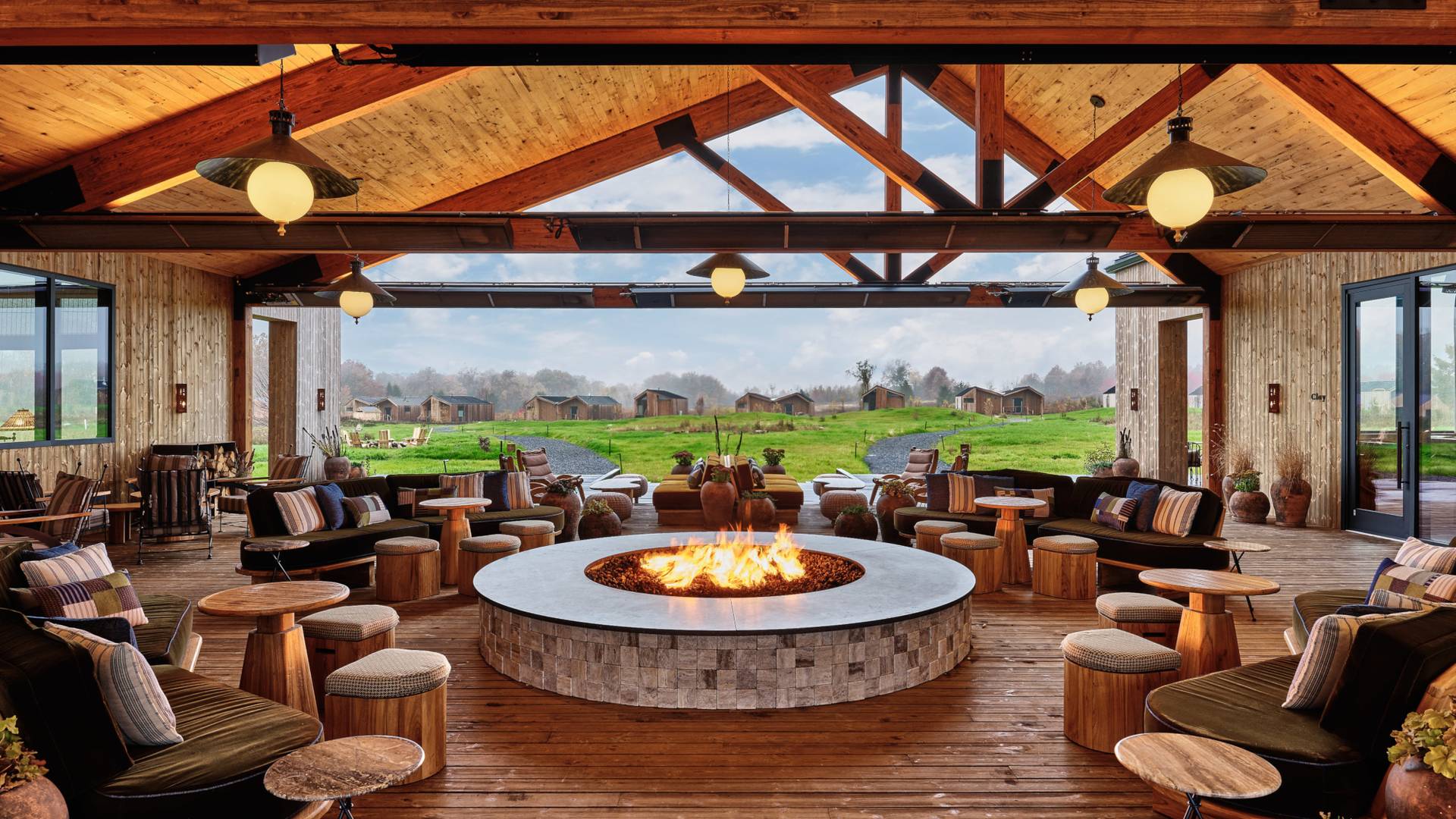
Wildflower Farms Resort is in Gardiner, New York, in the Hudson Valley. It spans 138 acres of picturesque landscapes with indoor and outdoor spaces, surrounded by blooming meadows and lush forests. The setting suits meetings, culinary retreats, and corporate celebrations in a natural environment.
A venue with meeting rooms and flexible breakout space
A venue with meeting rooms and flexible breakout space suits a design thinking workshop, an urban scavenger hunt, and a volunteering day because each format needs room to shift gears quickly. Workshops need focused tables and breakout corners, scavenger hunts need a clear base for briefings and regrouping, and volunteering days work well when teams can split, reconnect, and reset between activities.
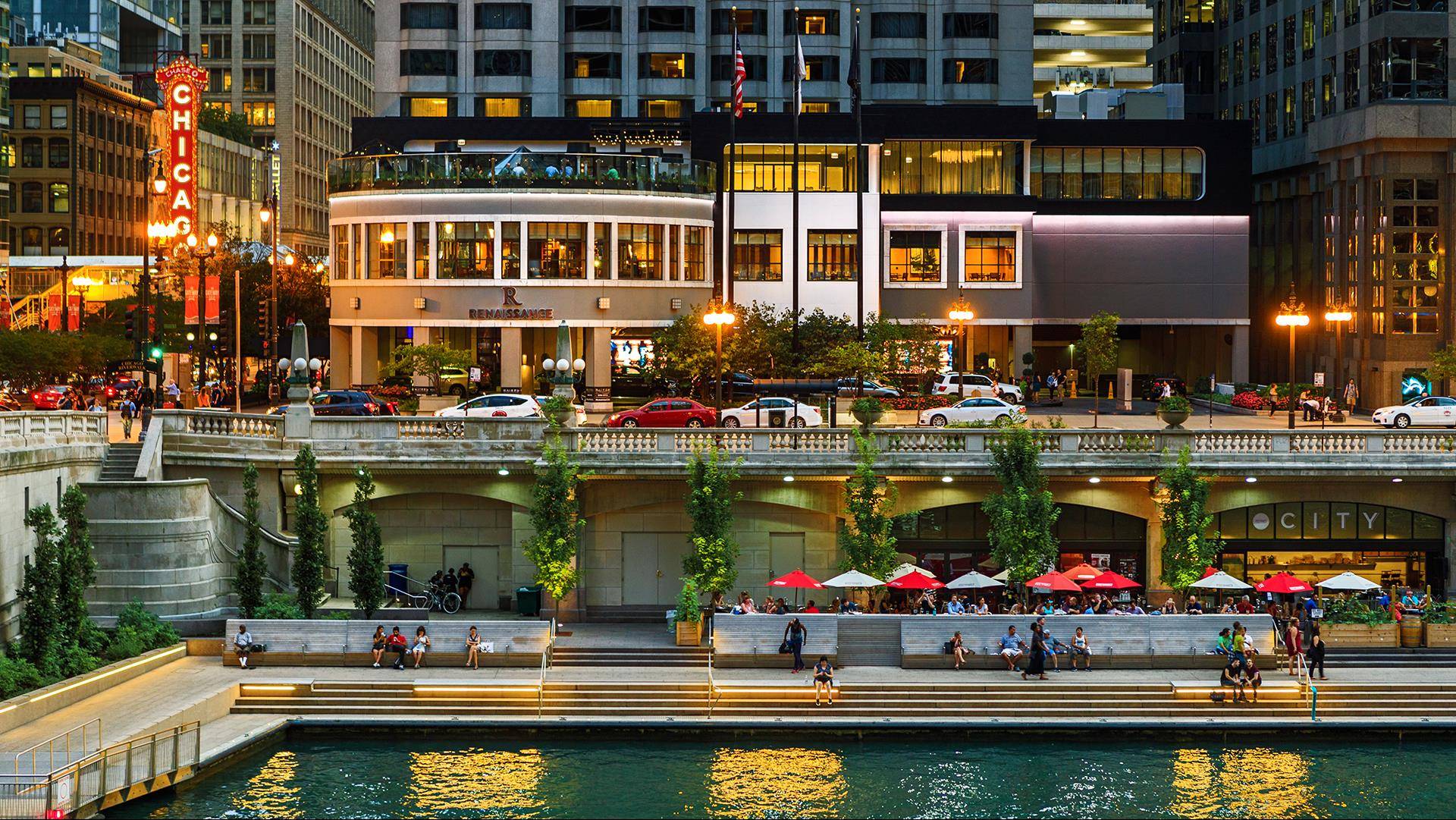
Renaissance Chicago Downtown Hotel is in Chicago, Illinois. It is a hotel with meeting and event space, including meeting rooms and flexible breakout space, which makes it a practical setting for group programs that move between discussion, team activity, and regrouping.
Frequently asked questions
What makes a one-day retreat work well?
A one-day retreat works well when it has one clear purpose and a format that fits the team's energy. The day should feel focused, not crowded with too many activities.
How do we keep the day from feeling like another meeting?
Choose an activity that changes the setting and the pace. Hands-on, outdoor, or movement-based formats help people step out of routine and engage differently.
Should a retreat include work discussion?
Yes, if the discussion has a purpose. A design thinking workshop or a short debrief can be useful, but the day should not turn into a normal work session.
How do we make the event inclusive?
Pick activities that do not depend on one type of physical ability or personality style. Give people clear expectations in advance and make sure there are breaks, food, and comfortable spaces.
What is the best way to end the day?
End with a shared meal, a short reflection, or a simple recap of what the team learned. That helps the experience carry back into the office.