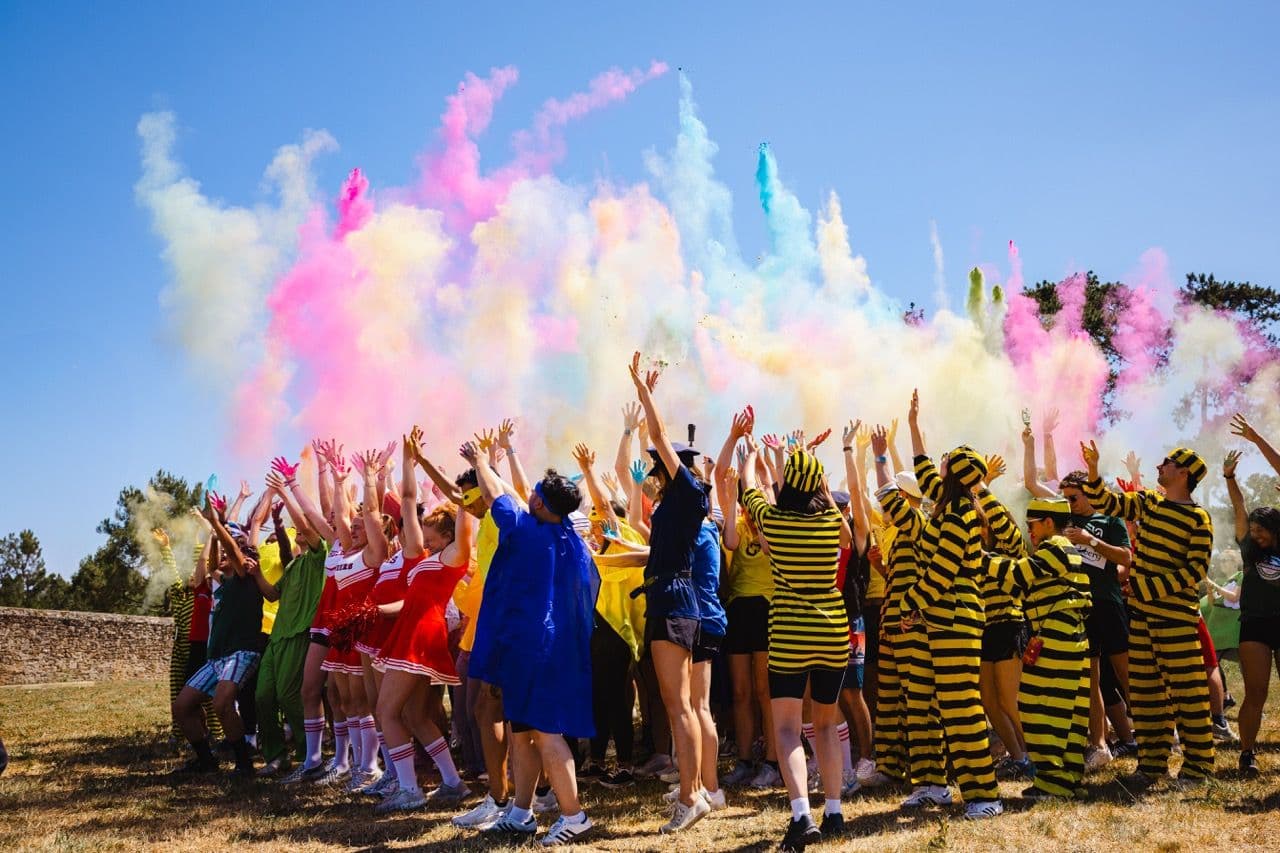
Strong offsite themes give a team day structure, make venue selection easier, and keep the agenda tied to a real business goal. The best ones are simple enough to explain fast and specific enough to shape activities, meals, and the room itself.
Key takeaways
- The best themes do more than decorate the room. They shape the agenda and the tone of the day.
- Practical themes work because they connect to how the team actually works, learns, or solves problems.
- Simple concepts are easier to brief, easier to run, and easier for people to remember afterward.
- Use the same idea across activities, food, and communication so the event feels intentional.
| Idea | Best for | What it builds |
|---|---|---|
| Digital nomad summit | Distributed teams and remote-first companies | Shared language around tools, policies, and workflows |
| Zero-waste expedition | Teams that care about sustainability | Shared responsibility and practical problem-solving |
| Culinary chaos and craft | Groups that bond over food and hands-on activity | Communication, delegation, and quick decisions |
| Wellness and focused work | Teams that need recovery and clear thinking | Energy, balance, and better concentration |
| Business architecture | Companies working through roles, systems, or decision-making | Clarity about how the business is built and supported |
| Sharing cultural roots | Teams that want belonging and broader perspective | Trust, inclusion, and stronger personal connection |
| A night in the desert | Company-wide and international offsites | Shared memories and a clear moment of celebration |
| An all-white summer evening | Summer seminars with outdoor space | A relaxed, unified evening that is easy to run |
1. Digital nomad summit
This theme works because it treats remote work as a strength, not a constraint. It gives distributed teams a natural way to talk about tools, policies, and workflows while making room for people in different locations to contribute on equal footing. For planners, it is a practical choice when the offsite needs to feel relevant to how the company already operates. It also helps avoid generic programming. The agenda can focus on the real friction points of working across time zones, which makes the day feel useful instead of decorative.
Best for: Remote-first companies, hybrid teams, and leadership groups that need a clearer operating rhythm across locations.
How to set it up: Build sessions around the tools and habits the team uses every day. Keep the agenda focused on communication, coordination, and decision-making across locations. Choose a venue with reliable meeting spaces and enough flexibility for mixed-format sessions. Use the theme in invitations and session titles so people understand immediately what the day is about.
2. Zero-waste expedition
This theme works when sustainability matters to the team and the company wants the event to reflect that value in a practical way. It gives the offsite a clear point of view without turning the day into a lecture. The limits are useful because they push the group to make thoughtful choices together. That creates a sense of shared responsibility. It also helps planners make cleaner decisions about food, materials, and activities, since the theme naturally narrows the options.
Best for: Teams with a strong sustainability mindset or companies that want the event to reflect environmental values.
How to set it up: Choose a venue and menu that support low-waste choices. Keep materials simple and reusable where possible. Build in a short discussion about practical changes the team can carry back to work. Use nature-focused activities or outdoor time if the location allows it, but keep the agenda grounded in real decisions, not symbolism alone.
3. Culinary chaos and craft
This theme works because cooking together naturally creates communication, delegation, and quick decisions. People have to coordinate, adapt, and keep moving, which makes the activity feel active without needing a complicated setup. It also lowers the barrier to participation because food is familiar and social. For a corporate planner, that means the event can feel warm and collaborative while still giving the team something concrete to do together. The shared meal at the end gives the day a clear finish and a built-in reward.
Best for: Teams that want a social offsite, cross-functional groups, and companies that bond well over food.
How to set it up: Choose a venue with a kitchen or cooking-friendly setup. Keep the menu realistic for the group and the space. Assign roles so people are not standing around waiting for instructions. Leave time for everyone to eat together at the end, since that is where the social value of the theme really lands.
4. Wellness and focused work
This theme works because it balances deep work with real recovery. It gives people enough space to think clearly without turning the day into a retreat that loses momentum. That balance matters for teams that are tired, overloaded, or coming out of a busy period. The structure also helps planners create a calmer pace without making the event passive. A mix of focused sessions and restorative breaks can improve the quality of discussion, especially when the team needs to solve problems rather than just hear updates.
Best for: Teams dealing with burnout, groups that need a reset, and planning sessions that require clear thinking.
How to set it up: Alternate working blocks with breaks that are actually restorative, such as walking time, meditation, or yoga if the venue supports it. Keep the meeting agenda tight so the day does not drift. Choose a space that feels calm and gives people room to step away when needed. Avoid overloading the schedule, since the point is better focus, not more content.
5. Business architecture
This theme works because it gives people a concrete way to talk about how the company is built. Using a building metaphor helps teams discuss roles, systems, and decision-making without slipping into vague language. That makes it especially useful when the offsite needs to surface what is supporting the business and what needs repair. It is a strong choice for leadership groups because it invites honest conversation about structure. The theme also gives the planner a clean visual direction that can carry through the room, the agenda, and the session titles.
Best for: Leadership teams, operating groups, and companies working through structure or process questions.
How to set it up: Frame sessions around the parts of the business that hold everything together, such as roles, systems, and handoffs. Use simple visuals that reinforce the idea without becoming gimmicky. Pick a venue with flexible meeting space so the agenda can move between discussion and working sessions. Keep the language practical so the theme supports clarity instead of distracting from it.
6. Sharing cultural roots
This theme works because it creates belonging while also opening the door to new perspectives. When people share backgrounds, traditions, and stories, the group gets a fuller view of one another as people, not just colleagues. That matters in corporate settings where trust can stay surface-level if the agenda never makes room for personal connection. The food and storytelling elements give the day warmth, but the real value is deeper: people feel seen. For planners, it is one of the most human ways to structure a team event.
Best for: Diverse teams, international groups, and companies that want a more connected culture.
How to set it up: Invite people to share only what they are comfortable sharing. Build in food and conversation, but keep the tone respectful and voluntary. Use prompts that help people talk about traditions, family, or formative experiences without putting anyone on the spot. Choose a venue that supports a relaxed, communal format so the conversation can breathe.
7. A night in the desert
This theme turns one evening of the offsite into the moment people talk about afterwards. We ran it ourselves at our 2026 team offsite in Marrakech: after the working sessions, the whole team moved out to the desert for a long dinner under lanterns, with local musicians in traditional dress, a fire performer and dancing late into the night. It works because the setting does most of the work. Nobody needs an icebreaker when the evening already feels like a shared adventure, and the change of scene marks a clear break between the strategy days and the celebration.
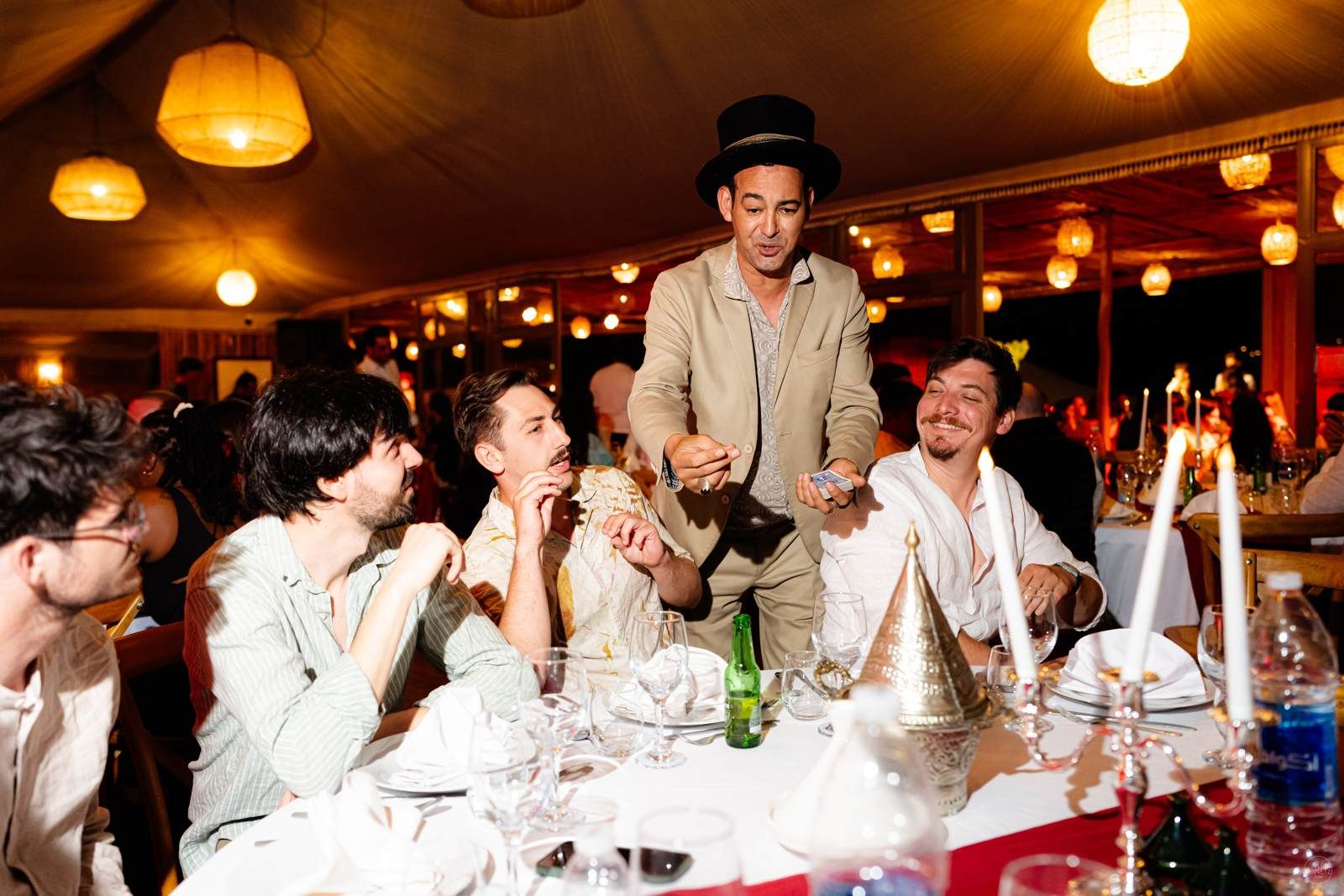
Best for: Company-wide or international offsites, and teams celebrating a milestone after an intense year.
How to set it up: Keep the business sessions earlier in the trip so the desert night can be pure celebration. Book a desert camp or venue that handles dinner, music and transfers as one package, and plan transport back to the hotel before anyone asks. Build the evening in stages: arrival and drinks at sunset, a seated dinner, then live music and dancing. Check the temperature for the season and bring layers, since desert nights cool down fast.
8. An all-white summer evening
A simple dress code can give a whole evening its identity. At our July 2025 company seminar at a chateau, we asked everyone to come dressed in white for the evening: drinks on the lawn, a saxophonist playing through the aperitif and a DJ once the sun went down. The theme is easy to explain in one line, costs almost nothing to run, and makes the photos look like one event rather than a hundred separate moments. It also lowers the pressure of dressing up, because everyone is working with the same simple brief.
These evenings matter more than they look. Maxime Eduardo, CEO at Naboo, put it this way:
"Some of my favorite memories are the moments when you suddenly realize the dream has become much bigger than the original idea. Every year, our summer offsite and our Christmas celebration are especially meaningful... We were no longer just building a strong European company; we were beginning to open the doors to the global market. For a founder, those milestones are not only operational: they are symbolic. They tell you that the ambition is no longer theoretical. It is real."
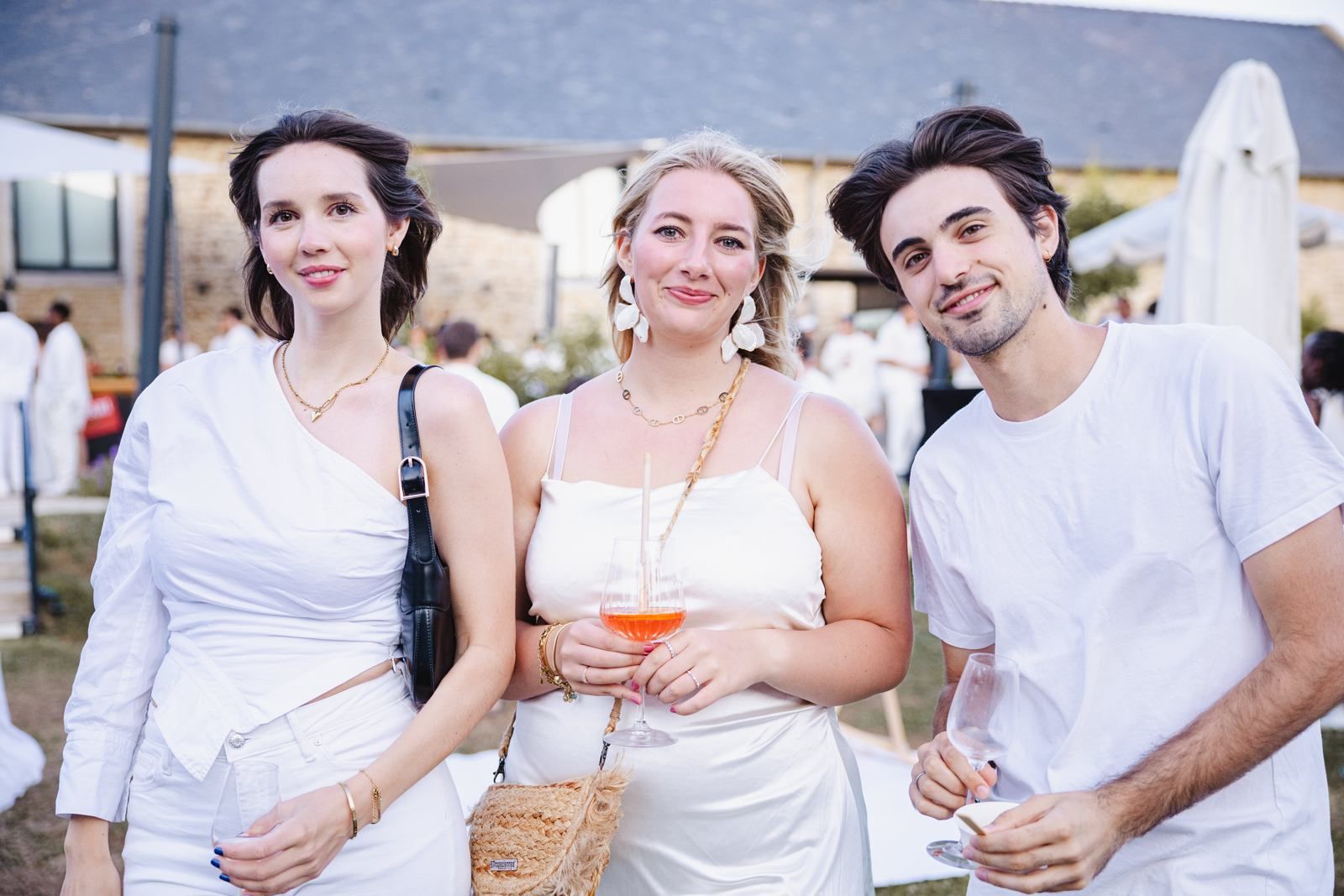
Best for: Summer offsites and seminars with a garden, terrace or lawn, and teams that want a relaxed but memorable evening.
How to set it up: Announce the dress code early in the invitation so people can pack for it. Pick an outdoor space with room to mingle and a backup indoors in case of rain. Start with live acoustic music during drinks and switch to a DJ later, so the evening builds naturally. Keep the rest of the decor light and let the white outfits carry the theme.
Common mistakes when picking a theme
The best offsite themes fit the team's real culture and the reason the group is gathering. A theme that sounds clever but has no connection to the company will feel forced the moment people arrive. Keep the idea consistent across the agenda, food, communication, and room setup so it feels intentional. Simplicity helps too. If the team cannot understand the concept quickly, it will be harder to run and harder to remember. The strongest choices are the ones that make planning easier, not harder.
How to avoid the usual traps: Start with the goal of the offsite, then choose a theme that supports it. Check whether the idea fits the team's tone and seniority. Make sure the venue can support the format you want, whether that means cooking, discussion, outdoor time, or a quieter working session. Keep the details aligned so the event feels coherent from arrival to wrap-up.
How do you measure whether the offsite worked?
A good theme should leave a mark on how people think and talk about the work afterward. The simplest way to measure that is to ask whether the event helped people feel clearer, more connected, or more confident about what comes next. You can also look at whether the team keeps using the same language after the event, since that usually means the idea landed. The goal is not decoration. It is better alignment, better conversation, and a clearer sense of direction.
How to measure it: Send a short post-event survey, ask what felt useful, and note which ideas moved forward after the offsite. Pay attention to whether people refer back to the sessions in later meetings. If the theme helped the team make decisions or talk more openly, it did its job.
Where to host offsite themes
The venue decides which ideas work, and each venue type below comes with a real Naboo venue. Choose the setting first, then shape the offsite around what the space can actually support.
A retreat venue with meeting rooms and quiet spaces
A retreat venue with meeting rooms and quiet spaces fits a digital nomad summit, wellness and focused work, and business architecture because each theme needs room for concentration, structured discussion, and time away from distraction. The setting supports working sessions, calm breaks, and the kind of clear thinking these ideas depend on.
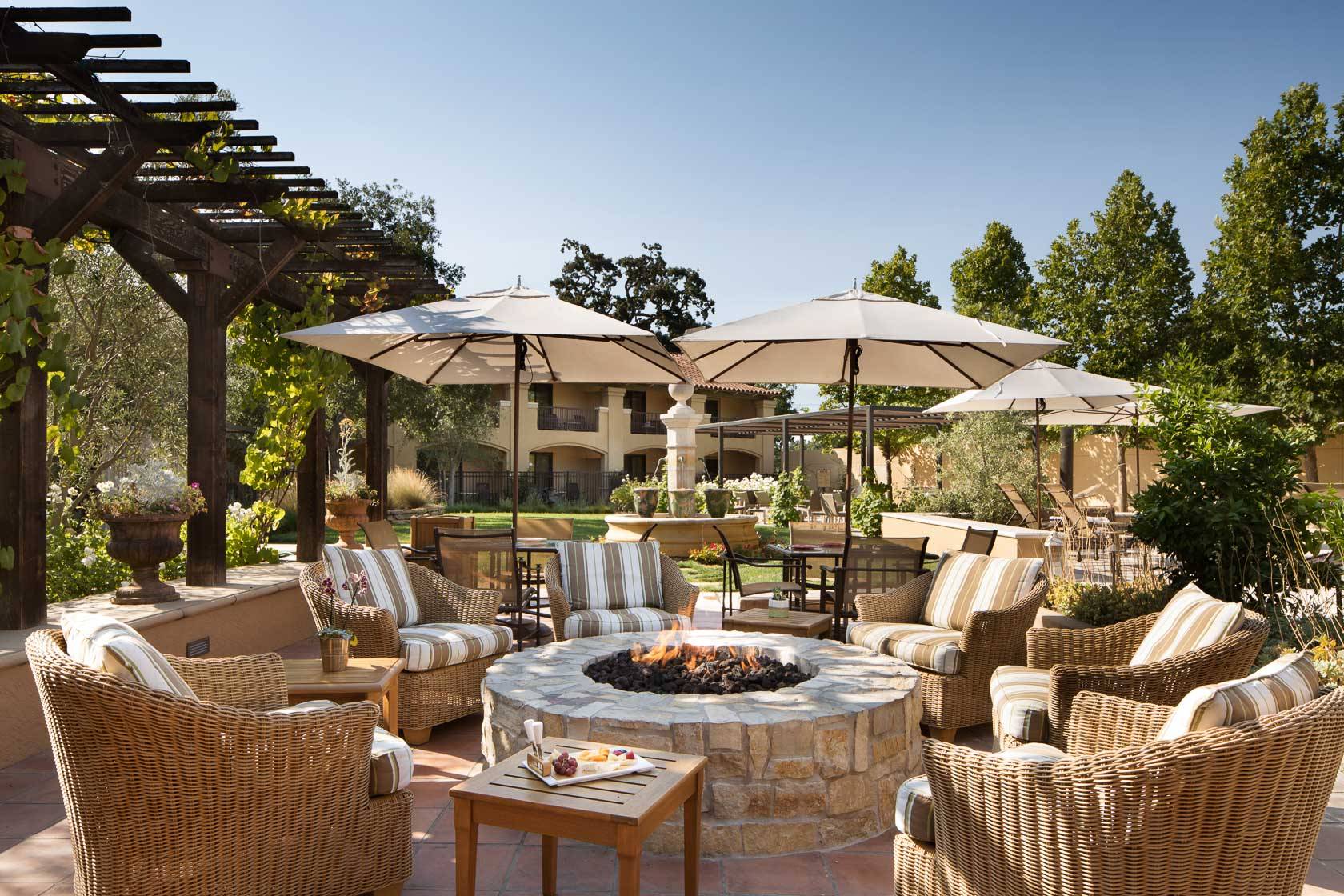
Napa Valley Lodge is in Yountville, California, in Napa Valley. This elegant family-owned establishment is ideal for corporate events, with a refined setting, authentic hospitality, meeting rooms with the latest technology, and outdoor spaces for coffee breaks or group activities.
A flexible event space for workshops and presentations
A flexible event space for workshops and presentations fits a digital nomad summit, culinary chaos and craft, and business architecture because each theme needs room to shift quickly between formats. You can move from talks to hands-on sessions, then reset the space for a more structured reveal or discussion without losing the thread of the day.
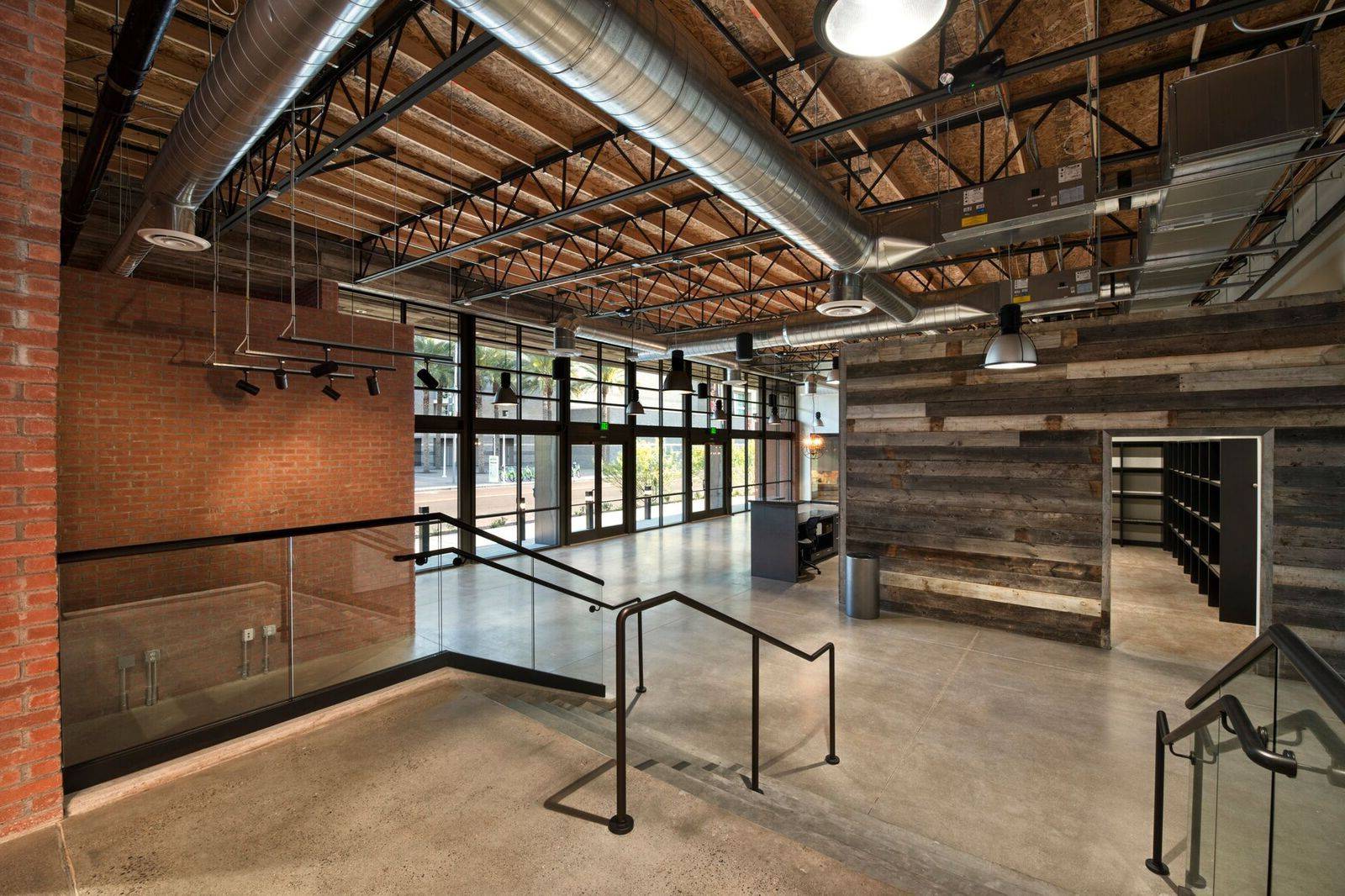
On Jackson is a flexible event space in Phoenix, Arizona for workshops and presentations. It offers four distinct spaces, both indoor and outdoor, giving planners room to shape different atmospheres for corporate events.
Frequently asked questions
How do I choose the best theme for my team?
Start with the outcome you want from the offsite. If the team needs clarity, pick a theme that supports structure and decision-making. If the goal is connection, choose something more social and personal. The right theme should fit the team's culture and the kind of day you want to run.
Can a theme be too complex for a corporate event?
Yes. If people do not understand it quickly, it will slow everything down. Simple themes are easier to explain, easier to brief, and easier to carry through the day. A strong idea should help the event feel focused, not confusing.
How early should I start planning a themed offsite?
Start early enough to secure the venue, shape the agenda, and communicate the idea clearly to the team. That gives you time to align the space, the activities, and the message. The more moving parts the theme affects, the earlier you should begin.
Should employees be involved in selecting the theme?
Yes, if you want stronger buy-in. A vote or suggestion process can help people feel more invested in the event. Even a small amount of input can make the theme feel less top-down and more shared.
What is the budget impact of a themed offsite?
A theme can help focus spending on what matters most. It can also prevent scattered decisions that add cost without adding value. When the concept is clear, it is easier to choose the right venue, the right activities, and the right level of production.