Building a strong company culture takes more than efficient processes and back-to-back meetings. In today's workplace, the shift from office to social time plays a real part in how teams work together. Managers increasingly understand that informal gatherings hold teams together, especially when people come from different backgrounds and roles. When you're planning a team social, the goal is to bridge work life and genuine human connection. These events are no longer just about drinks after five-they're essential for keeping people engaged and working well together.
Looking at team social trends heading into 2026, what matters most is making events feel personal and genuine. Companies are moving away from generic gatherings toward experiences that mean something to their teams. Planning a good team social means thinking carefully about the logistics, reading the room, and coming up with ideas that fit. Whether you're a small startup in Manchester or a large business in London, these social moments matter for keeping morale high and making sure your team feels valued.
1. Get clear on why you're doing this and when
Every good gathering starts with a clear reason. Before you book a space, work out what you want to achieve. Are you welcoming new people to the team, marking the end of a big project, or just giving everyone a chance to relax? This clarity matters from the start. Without a solid purpose, events can feel hollow and won't draw the people you want.
Timing is just as important. Thursday has traditionally been the go-to day for team socials, but things are shifting. These days, some teams prefer a midweek wind-down on Tuesday or Wednesday, while others like a Friday afternoon that rolls into the weekend. Always check with your team to find a time that suits their lives outside work while getting the best turnout.
Practical timing tips
Think about how people get to the venue and what the traffic looks like around that time. If your office is out of town-say, on the edge of Leeds or in a business park outside Birmingham-hosting somewhere more central might mean more people can actually make it. The whole point is to make it easy for people to say yes. If the timing feels like a burden, you'll lose the positive effect on morale.
2. Pick a space that feels right
Where you hold the event sets the whole mood. Moving away from the office itself is crucial-it lets people step out of work mode and talk more naturally. When you're looking for a good venue, find somewhere with both standing and seating areas so different types of conversations can happen.
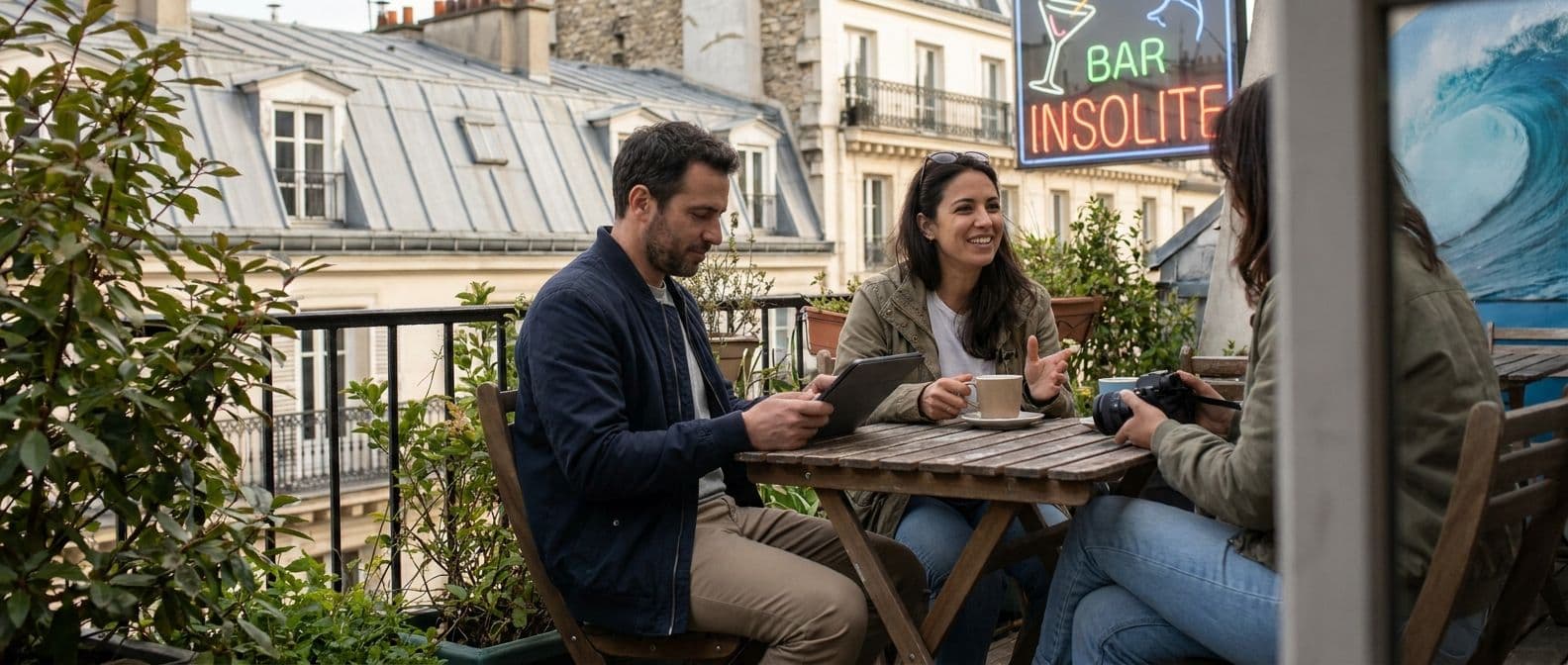
In 2026, people are moving toward unusual spaces: art galleries in Bristol, rooftop bars in Edinburgh, botanical gardens near Cardiff, or even independent breweries in Leeds. These places give people something to talk about and make the evening memorable. Make sure your venue is accessible for everyone, including those with mobility needs, so nobody feels left out. This shows you care about your whole team.
3. Get the invitations right
How you tell people about the event matters as much as the event itself. Sending a quick email the day before won't get you good numbers. Send invites at least two weeks ahead. Use subject lines that catch people's eye and give clear details about what's on, what you'll be eating, and what will happen.
Good communication is key to getting people excited. Use online tools to track who's coming and ask people about dietary needs or music requests. This shows you care about each person's experience, which is how you build genuine engagement. You might even discover that someone's a vegetarian or prefers non-alcoholic drinks-and planning around that makes people feel properly considered.
4. Plan food and drink that works for everyone
Food and drink are the heart of any social event, but they can also leave people out if you're not careful. The key is offering really good non-alcoholic options. The idea that socialising means heavy drinking has changed completely-plenty of people now prefer to skip alcohol altogether or cut back.
For every drink with alcohol, have an equally nice option without. Think fancy lemonades, craft sodas, or quality tea and coffee. Cater for different diets too-vegetarian, vegan, gluten-free, and so on. This attention to detail matters because it means no one feels like they don't belong. Good food genuinely keeps people happy and engaged, which is one of the best ways to make an evening successful.
5. Add things for people to actually do
Some people are brilliant at working a room, but others find open-ended socialising tough. Break the ice with low-pressure activities-a collaborative art project, a quiz about company history, or a simple game. Activities that get different departments mixing are especially good because they help people build relationships they might not make during the workday.
The best activities are things people can join in without feeling forced or put on the spot. Skip anything too competitive or that might make people uncomfortable. A quick game or creative project works well because it gives people something to focus on besides small talk.
6. Make your money work properly
A brilliant social doesn't have to cost a fortune, but you do need to spend sensibly. Instead of an expensive open bar, consider a tasting format where you offer a few signature drinks that say something about your company. Look for venues that do group packages-you'll often get better value.
Spending your budget wisely means you can do these events more often, which is better than one huge, occasional do. Regular socials build connection and keep morale steady over time. This matters more for keeping people happy than one lavish night out.
7. Think about safety and getting people home
Being responsible is essential. If alcohol is served, sort out how people get home safely. Offer ride-share vouchers or pick a venue near a bus or train station. This commitment to safety shows your team matters to you. It also means the evening ends well, which is vital for leaving people with a good feeling about work.
In 2026, duty of care is not optional-it's part of what a good employer does. Think carefully about how the night ends as much as how it starts. A safe journey home is the last impression people take from the event.
8. Make sure leaders show up as people, not bosses
For an event to feel genuine, managers and leaders need to be there, but not in a way that stops people relaxing. The secret is for leaders to join in as colleagues. When managers chat with people on an equal footing, it builds trust.
However, it also helps if leaders tactfully step back partway through the evening so the team can properly relax without the boss watching. This balance is important-it lets people bond more deeply with each other while keeping things professional.
9. Give people a real break from screens
In 2026, the real luxury is genuine attention. Encourage people to put their phones away and actually engage with each other. You can do this by planning activities that need hands-on involvement-making cocktails together, live music, or a quiz that gets people talking.
When people aren't distracted by notifications, conversation becomes deeper and more real. This focus on actual presence is something people increasingly value at work events. Try setting a simple challenge like "no phones for the first hour" and see how it changes the atmosphere.
10. Create an atmosphere that works
Lighting, music, and how the space looks matter more than you might think. A venue that's too loud stops conversation dead. One that's too quiet feels awkward. Find a space where you can control the mood-warm lighting, a good playlist, maybe some simple decoration that makes it feel like a space belonging to your team, not just a bar.
These details create a sense of occasion without being over the top. A specific playlist or a simple themed decoration can transform an ordinary space into somewhere special. It's these touches that make people remember the evening fondly.
11. Ask people what they thought afterwards
The only way to get better is to listen. Send a quick survey after the event asking what people enjoyed and what could be better. Did they like the activities? Was the venue easy to get to? Did they feel welcome?
This feedback is valuable because it shows you take their opinions seriously, which boosts engagement. By listening and making changes based on what people say, your future events will get better and better. Track which bits worked well-was it the venue, the food, the activities, the timing?-so you can build on those wins.
12. Help people from different teams connect
One real benefit of team socials is that people from different departments get to know each other. Simple nudges help-name tags with team colours, or mixing up where people stand for drinks and snacks. When people from different parts of the business connect, they often find ways to work better together during the day.
This creates what some people call "collision points"-unexpected connections that help the whole organisation. So when you're planning, think of cross-team mixing as a real goal, not just something that happens by accident. You can find more ideas for planning meaningful events that encourage this kind of connection.
13. Match the event to the season
An event in July should feel completely different from one in December. In summer, make use of outdoor spaces-a picnic in a park near Glasgow, a rooftop gathering in Manchester, or a riverside walk in London. Winter events should be cosy-perhaps a visit to a local Christmas market or a gathering in a warm pub.
Seasonal variety keeps things feeling fresh throughout the year. People look forward to what's coming next. Spring might bring a garden venue, autumn could mean a harvest-themed gathering. This kind of thinking means your team stays engaged with these events over time.
14. Think about health and wellbeing
In 2026, company socials should fit with how people actually want to live. Not every event needs to involve heavy food or late nights. Consider "active" socials-a group walk, a yoga session followed by healthy snacks, or a cycling meet-up. These appeal to people who care about staying fit and healthy.
This shows your company supports a balanced life, not just squeezing out more work hours. Mixing fun with wellness sends a real message about your values. It's a modern way of showing you care about your team as whole people, not just workers.
15. Use technology to make things easier, not harder
Technology should help with the boring bits so the event can be fun. Use simple online systems for booking, payments, and finding the venue. Apps that let people share photos or vote on music add to the fun without getting in the way.
Look for smart ways to personalise things-maybe suggesting venues based on what your team has enjoyed before, or tracking how engaged people were at past events. The goal is using tech as an invisible helper, not as another screen people have to deal with. You can read more articles on the Naboo blog about how to use technology well in workplace events.
The Naboo Connection Framework
To help managers understand what makes a social event actually work, we've created a simple framework. It focuses on four things that matter: whether people connect with each other, how well the event fits your company's goals, whether people feel safe and included, and how much say people had in planning it. When these four things work together, a team social becomes a real boost to how your company works.
- Connection: How strong are the relationships people build during the event?
- Context: Does the venue and theme match where your company is right now?
- Comfort: Do people feel physically safe and psychologically welcome?
- Contribution: Did people have a say in what happened, from activity ideas to feedback after?
Common mistakes to avoid
Even with good intentions, certain things can undermine a good social. Making events mandatory is a big one. The moment it feels like work, you lose the positive effect. Participation should be a genuine choice.
Another mistake is letting events drag on too long. People worry they'll get stuck and can't leave early if they need to. Set a clear start and end time-say 5:30pm to 8:00pm-so people know what they're signing up for. Also, don't just pick the nearest pub or venue out of habit. The space really matters to how the evening feels.
How to measure whether it actually worked
To justify spending money and time on these events, it's worth tracking whether they're actually having an effect. Look beyond just counting how many people showed up. Pay attention to how people interact during the event-are different teams actually mixing? Are people having real conversations?
After the event, ask people whether they feel more connected to their colleagues. Look at your regular employee surveys-are people reporting a stronger sense of belonging? Are they saying morale has improved? These signs matter more than any metric. By thinking about team socials as a serious part of your culture-rather than something to just tick off-you can turn them into a real driver of a better workplace.
A real example: the Tuesday reset
A tech team at a Manchester agency had been grinding through a tough project. Their HR manager decided to bring people back together with a social. Instead of the usual city-centre bar, they booked a small independent brewery ten minutes from the office. They set it for Tuesday at 5:30pm to midweek slump and did it again mid-November when everyone's energy was low.
They offered both local craft beers and genuinely nice alcohol-free options. They set a hard stop at 7:30pm so parents and people with commutes could attend without worrying. No activities were forced-just space to talk, good snacks, and a nice atmosphere. The team came back on Wednesday noticeably more connected. This is what a good social looks like: simple, thoughtful, and actually improving how the team works together.
Common questions answered
What's the single most important thing when planning a team social?
It's intention. Know why you're doing it, and make sure the event actually fits what you're trying to achieve. Listen to your team during the planning, not just during the event.
What day works best for team socials in 2026?
Thursday is still popular, but midweek events on Tuesday or Wednesday are growing in favour because they break up the work week without eating into the weekend. The best day is the one that actually works for your specific team-ask them.
How do you make sure everyone feels welcome?
Offer diverse food and drink so nobody's left out. Pick an accessible venue. Avoid activities that make certain personality types uncomfortable. And explicitly say that attendance is optional-the best events attract people who actually want to be there.
What if some people don't want to come?
That's fine. Pressure kills the whole point. The best way to encourage participation is by running events that people genuinely enjoy. If you consistently do that, people will want to attend.
What if your budget is really tight?
You don't need much money to do this well. A picnic in a local park, a walking tour of your neighbourhood, or a bring-your-own-food gathering in a community space can be brilliant. Focus on connection, not cost.