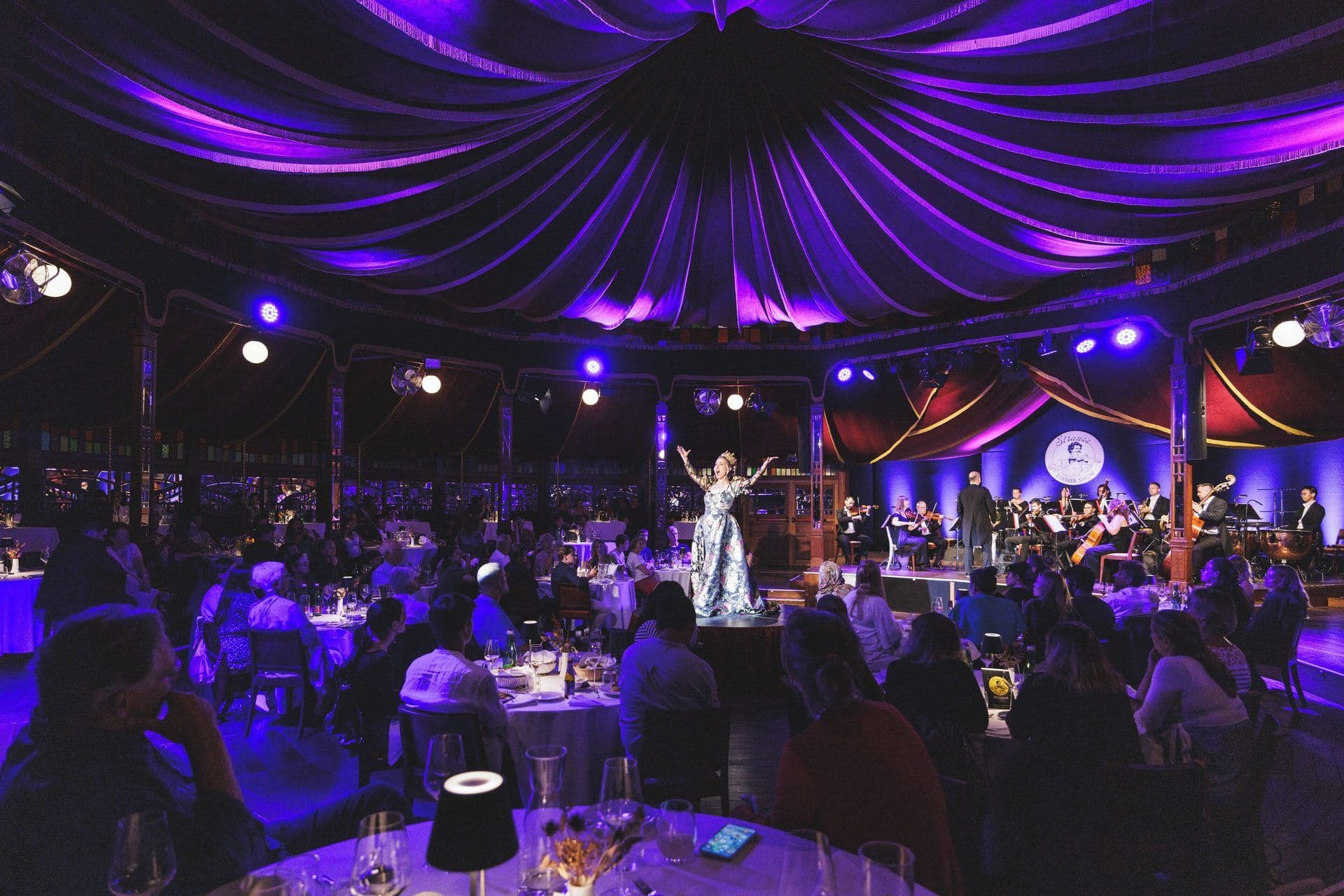
Event venues in London and Manchester work best when you start with the people coming, the brand you want to project, and the practicalities of getting everyone there. Use that to narrow the right neighbourhoods, then check transport, access, and layout before you book. You will get a clearer shortlist by comparing areas such as Shoreditch, King's Cross, Canary Wharf, the City, Ancoats, the Northern Quarter, and Deansgate-Castlefield against your guest list and event style.
Key takeaways
- Understanding your guest list means looking at age, industry, and where people are staying, then matching that to the right area. Younger tech workers and international attendees tend to suit Shoreditch or King's Cross, while financial professionals often prefer Canary Wharf or the City. In Manchester, creative industries cluster around Ancoats and the Northern Quarter, while corporate groups often prefer Deansgate-Castlefield.
- Matching your brand to the space starts with the building itself. Converted warehouses in Shoreditch and rooftop bars give a modern, energetic feel, while historic venues in Bloomsbury bring a more refined tone. A sleek, minimalist brand may work better in a clean warehouse space near Manchester's Spinningfields than in ornate period rooms.
- Getting logistics right means checking how people will arrive and how crews will load in. Venues near rail, tram, or tube links make arrival easier, and parking can matter where vehicle access is tight. Ask about load-in times, loading docks, and any restrictions before you book.
- Managing your budget sensibly means comparing central locations with outer areas and secondary cities. Central London usually costs more, while Manchester and Birmingham often offer better value, and outer London areas like Hackney or Walthamstow can be fairer on price. Older buildings may also bring extra costs such as special insurance, heritage permissions, or external power.
- Thinking about how people move through the space helps you choose between open-plan and more divided layouts. Larger modern venues, such as converted warehouses or purpose-built event spaces, suit conferences, exhibitions, and big celebrations. Older, characterful venues with separate rooms or chambers work well for breakout sessions, networking, or a guest journey with more discovery.
1. Understanding your guest list
The first step is understanding who will actually be there, because your guests' ages, industries, and where they're travelling from point you towards certain neighbourhoods.
In London, younger tech workers and international attendees tend to gravitate towards Shoreditch or King's Cross, while established financial professionals often prefer Canary Wharf or the City. In Manchester, the creative industries cluster around Ancoats and the Northern Quarter, while corporate types prefer the Deansgate-Castlefield area.
Group setup: the whole guest list
Best for: choosing a venue that feels like a natural fit
How to apply: Ask how old most guests are, what industry they work in, and where they are staying. If your guests are in modern business hotels in Canary Wharf, London venues nearby make sense and save them time. If you're targeting the creative or arts sectors, somewhere like Manchester's Ancoats or London's Hackney Wick will feel more natural. Mapping attendees properly is the backbone of smart venue choice.
2. Matching your brand to the space
A venue's architecture and history shape how your event feels, so the space should match your brand story.
Central London venues like converted warehouses in Shoreditch or rooftop bars offer a modern, energetic atmosphere, while historic venues in places like Edinburgh's New Town, Bath's Georgian quarter, or London's Bloomsbury bring a sense of permanence and refined taste.
Group setup: the whole team at once
Best for: matching brand identity to the setting
How to apply: Think about your brand's look and feel before you choose. A sleek, minimalist brand might clash with ornate period features but thrive in a clean, modern warehouse space near Manchester's Spinningfields. Use the character of each neighbourhood to weave the city itself into your event design. Let the location support the story you want to tell.
3. Getting logistics right
Logistics must come first, because transport and access shape whether guests and crews can actually get in and out easily.
London's central zones have strong rail connections, Manchester's Piccadilly and Birmingham's New Street stations work well for rail passengers, and venues close to tram stops in Manchester or tube stations in London make arrival simpler at any time of day.
Group setup: the whole team at once
Best for: events where transport and setup access matter
How to apply: Check how guests will arrive and whether the venue sits near rail, tram, or tube links. Look at parking too, since some central venues have difficult vehicle access for catering teams and technical crews. Always ask about load-in times, loading docks, and any restrictions before you book. You do not want problems on the day.
4. Managing your budget sensibly
Venue prices vary wildly depending on location, with central London generally commanding higher rates because space is limited and demand is high.
Manchester and Birmingham offer better value, while outer London areas like Hackney or Walthamstow, or neighbourhoods in Leeds and Glasgow, can offer decent venues at fairer prices.
Group setup: the whole team at once
Best for: staying within budget without losing quality
How to apply: Book early, especially for popular dates around spring and autumn. For central London's best spots, start your search a year ahead. Watch out for hidden costs with older buildings, including special insurance, heritage permissions, or the need to bring in external power. Always ask what is included before you commit.
5. Thinking about how people move through the space
Larger modern venues, such as converted warehouses or purpose-built event spaces, offer open-plan layouts that work well for conferences, exhibitions, or big celebrations.
Older, characterful venues tend to be divided into separate rooms or chambers, which suits breakout sessions, different areas for networking, or a sense of discovery as guests move through.
Group setup: the whole team at once
Best for: planning the guest journey through the space
How to apply: Think about how people will move through the venue from arrival to leaving. Modern venues often have a logical, flowing layout, while period buildings may offer more discovery and surprise. Match the physical flow to your event's rhythm. Use the layout to support whether the day needs pace, separation, or a more relaxed flow.
Common mistakes in UK event planning
A frequent slip-up is not checking the local calendar. Bank holidays, school breaks, major festivals, or roadworks can wreck your plans if you don't know they're coming. In London, Fashion Week might close off neighbourhoods. In Edinburgh, the Fringe dominates August. Always check the civic calendar before you book.
Another misconception is assuming fancy neighbourhoods are always quiet. In reality, places like Covent Garden in London or the West End are heaving with tourists and people. Visit your shortlisted venue at the exact time your event will run-you need to know what it's actually like then, not in an empty afternoon tour. Finally, remember that late-night music, outdoor signage, and special permissions all need sorting in advance. Don't leave this to the last minute.
How to know you've made the right choice
Track whether people said yes: did the location make it easy for them to commit? Did they travel without issue? Send a quick survey asking about the atmosphere and whether the space matched your brand message. For upmarket event planning, success often comes down to the quality of conversations that happened and the impression guests left with.
Look at social media engagement too. Visually striking venues-those with interesting architecture or character-tend to get shared. If your event is being talked about and photographed, that's a sign the venue choice landed well. Success comes from matching location to purpose to how you've organised things. By paying attention to these details, you'll refine your approach for future events.
Real example: a tech summit in Manchester, June 2026
Picture a software company planning a summit for June 2026. The goal is to showcase new AI tools while maintaining credibility with established clients. They're torn between a historic venue in Manchester's city centre and something in the trendy Northern Quarter.
After thinking it through, they realise their audience-young developers and seasoned business people-would prefer the energy of the Northern Quarter. They pick a refurbished Victorian warehouse in Ancoats. This lets them install cutting-edge tech that wouldn't fit in a traditional space. They save money, which they put towards excellent catering. The result? An event people remember because the space itself matched what they were talking about. This shows how clear thinking about location leads to genuinely good outcomes.
Common questions about UK event venues
How busy will venues be in 2026?
Expect UK venues to be well-booked throughout 2026. You should start planning at least eighteen months in advance if you want the best spaces, particularly for spring and autumn dates.
Which areas are best for sustainability-focused events?
Newer venues and recently renovated spaces often meet modern environmental standards. Manchester's Spinningfields and parts of east London's creative quarter tend to have strong green credentials. Always ask venues about their environmental practices.
Can I host a large conference in a historic building?
Yes, though some have limits. Many historic venues near city centres-Bath's Assembly Rooms, Edinburgh's George Street spaces-can handle several hundred people whilst keeping that character. Always check capacity and any restrictions that come with listed building status.
Is the city centre always more expensive?
Generally yes, but not always drastically. Secondary cities like Manchester, Leeds, and Bristol offer excellent venues at fairer prices than London. Within London itself, emerging areas like Walthamstow or Hackney offer better value than traditional spots like Mayfair.
How do I handle guest transport between different venues?
For multi-site events, arrange coaches or minibuses. In London, the river itself can be used for boat shuttles between venues-turning logistics into an experience. Provide clear directions and allow extra time between locations.
Event venues in London and Manchester
London
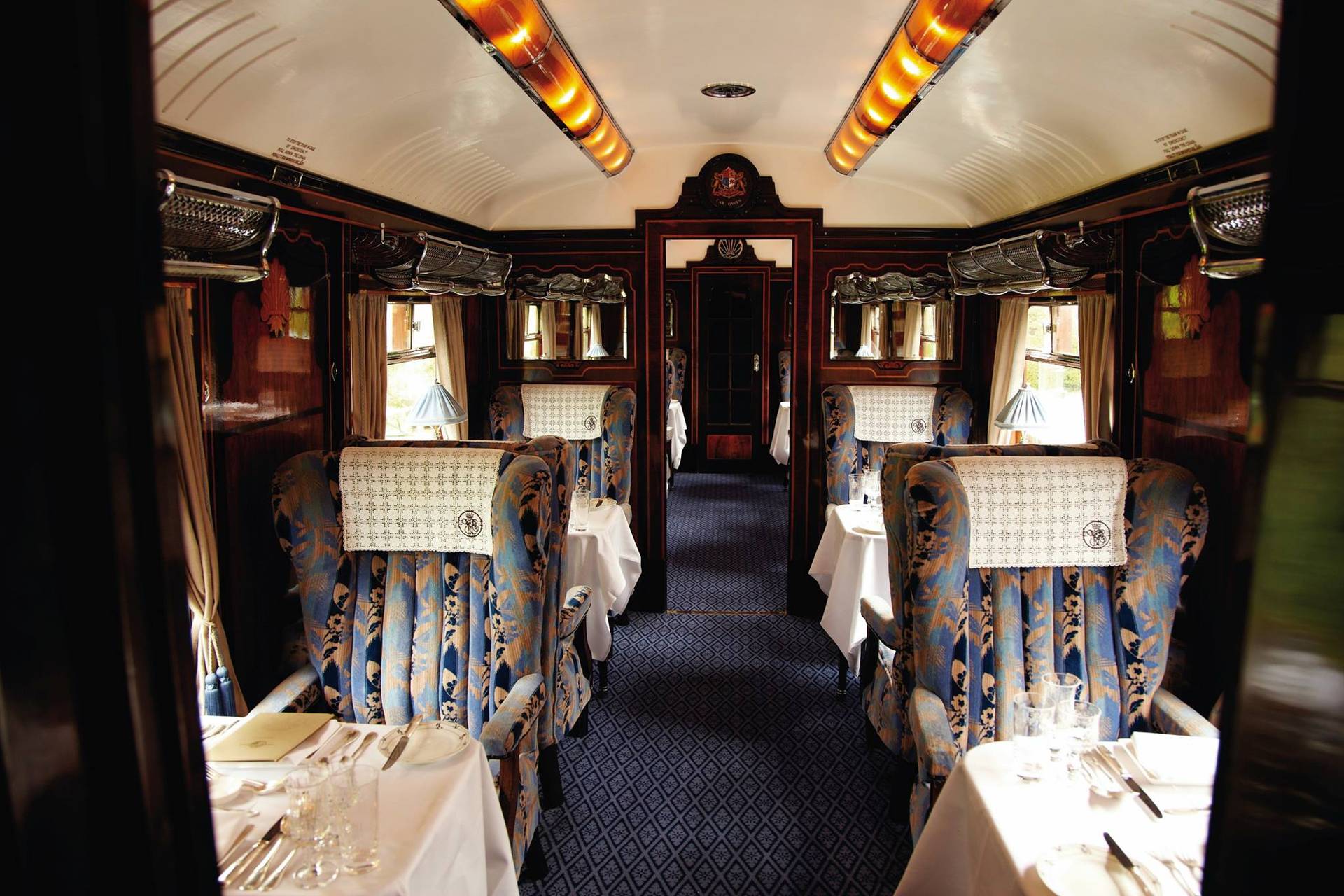
Belmond British Pullman is a vintage train experience inspired by 1920s luxury rail travel, with Art Deco interiors in carriages that once served routes such as The Brighton Belle and The Golden Arrow, making it a distinctive setting for a company event on the move.
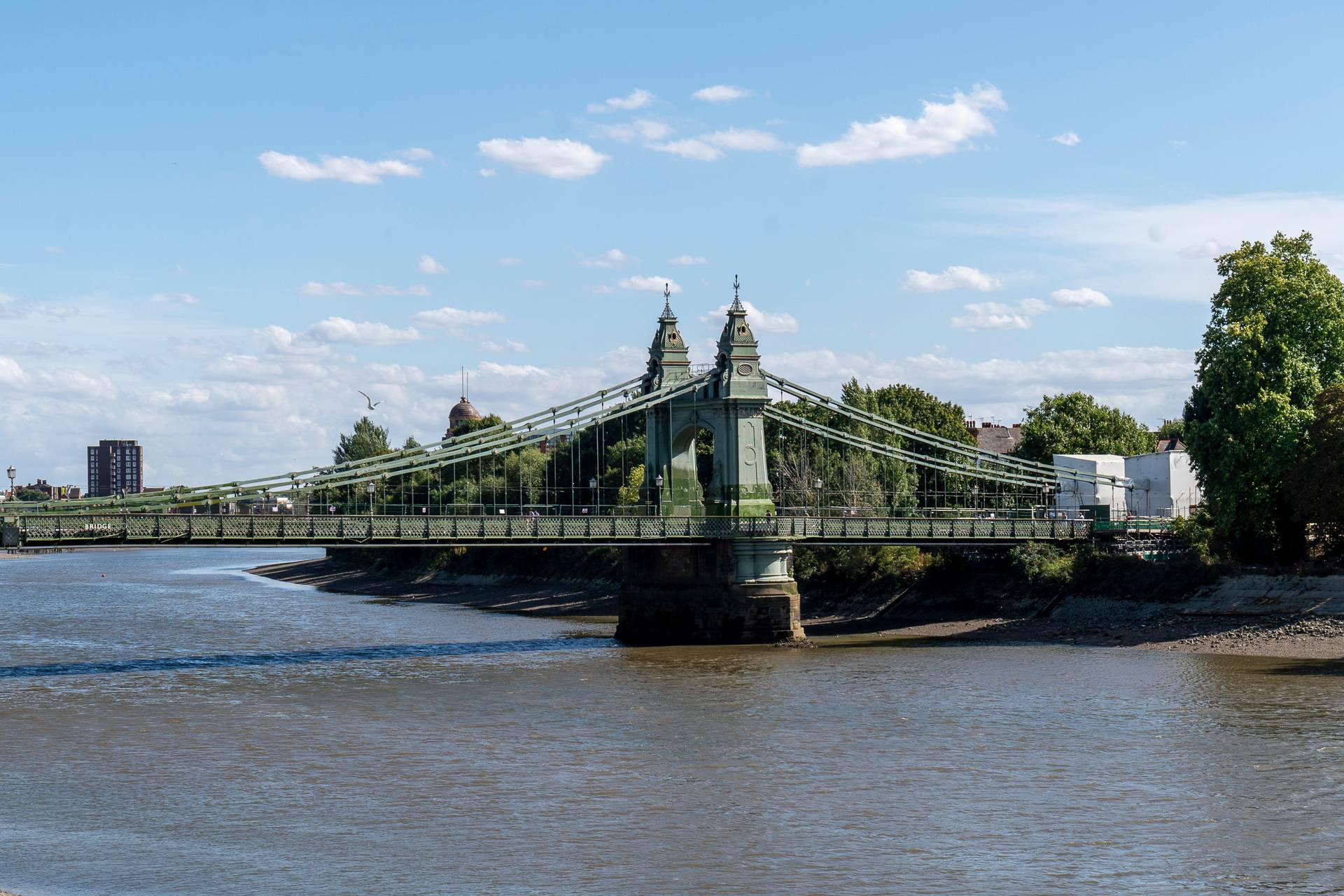
Furnivall Sculling Club is a historic London rowing club founded in 1896 by Dr Frederick James Furnivall, and its first-floor club room with French windows onto a south-facing balcony and views of the Thames and Hammersmith Bridge gives company events a characterful riverside setting.
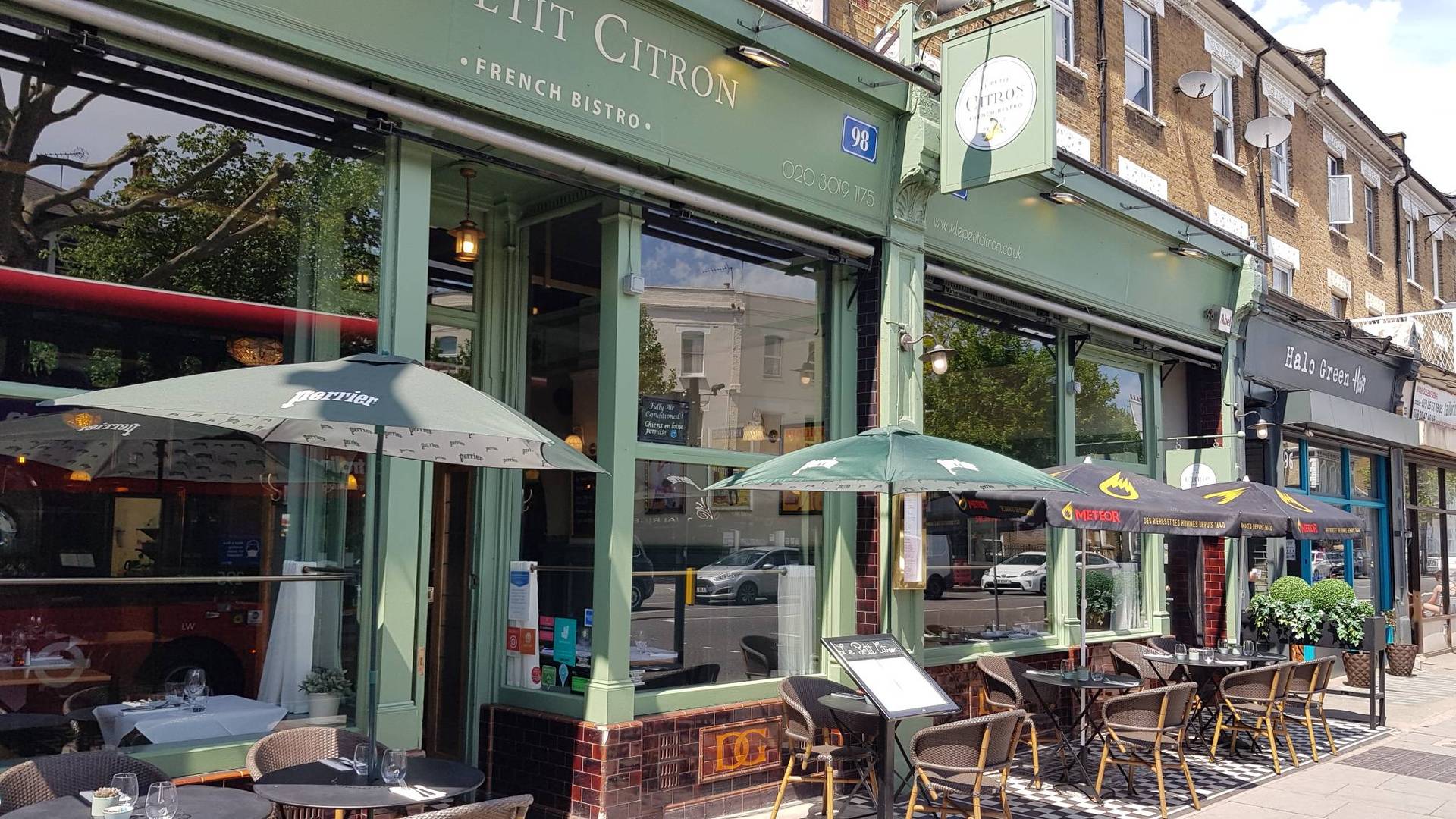
Le Petit Citron is a classical French bistro in Brook Green, Hammersmith, serving Provençal cooking shaped by family summers in southern France, which suits a company event that calls for a warm, unfussy dining setting.
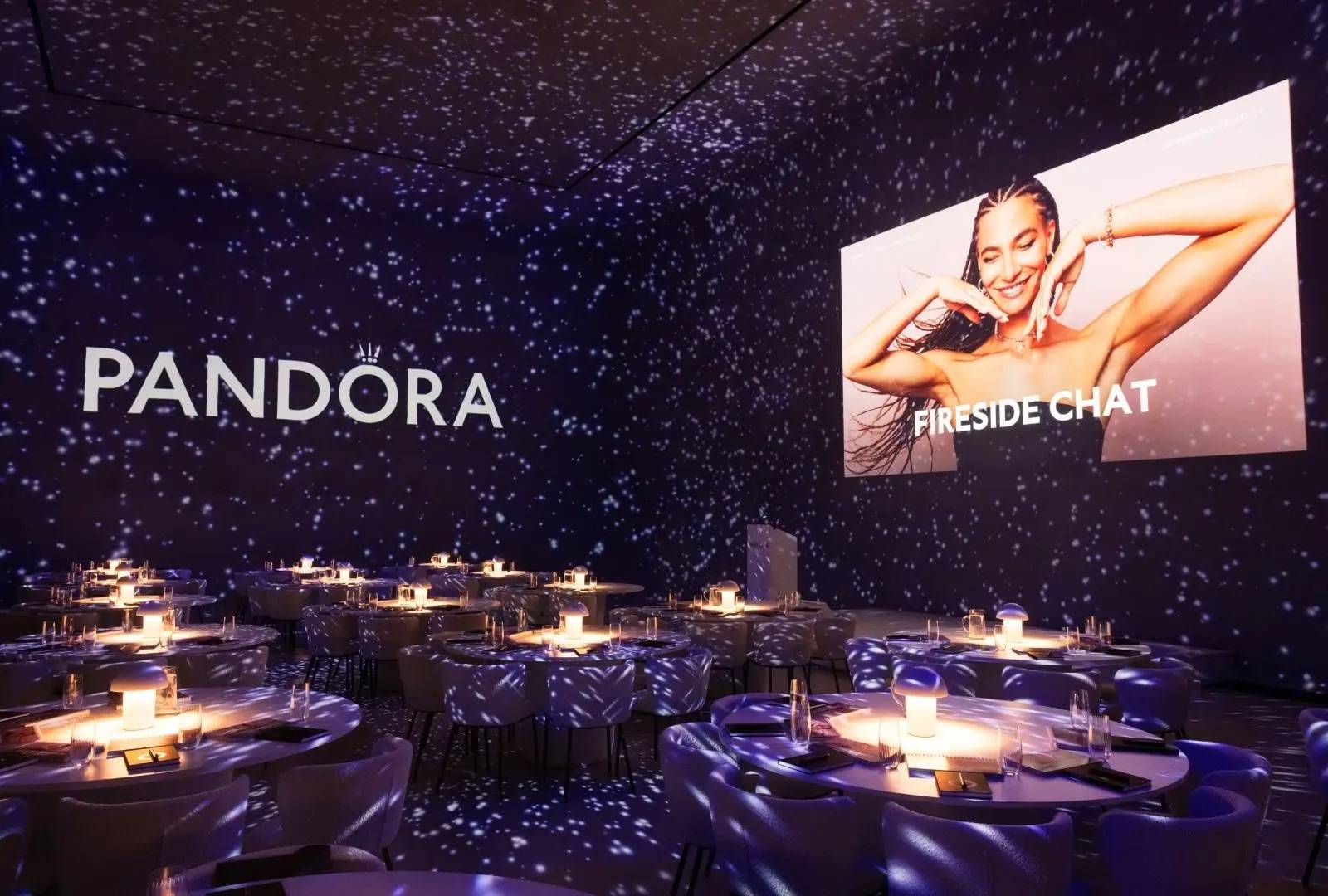
Frameless is a large immersive venue just steps from Marble Arch, with 30,000 square feet of multisensory space that suits company events from landmark celebrations to more intimate gatherings.
Manchester
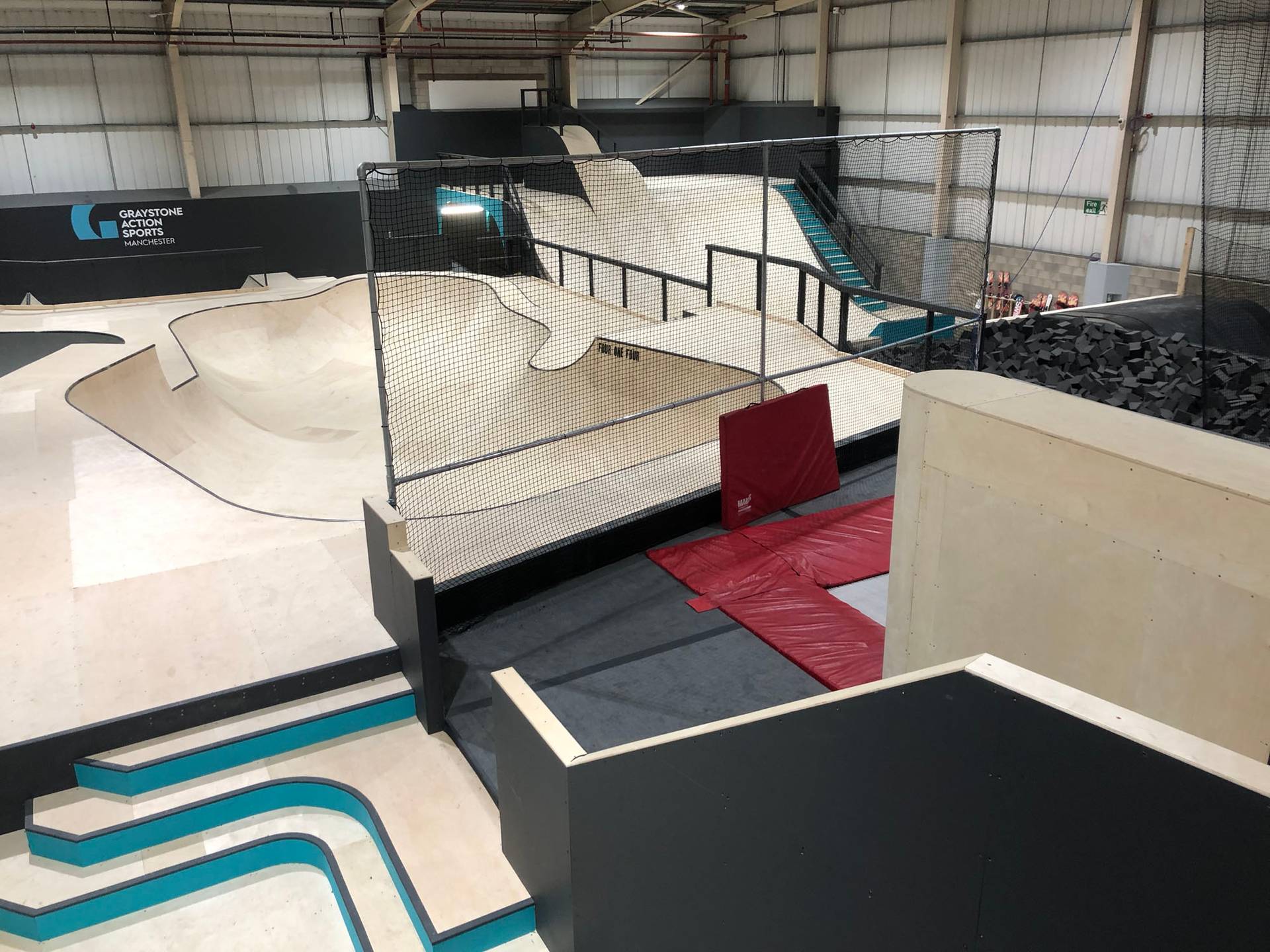
Graystone Action Sports is a city-centre venue with parking for cars and bicycles, modern facilities, a spacious meeting area with a television, a restaurant, and coaching-led activities such as skateboarding, parkour and trampolining, which makes it well suited to company events that mix meetings, dining and team building.
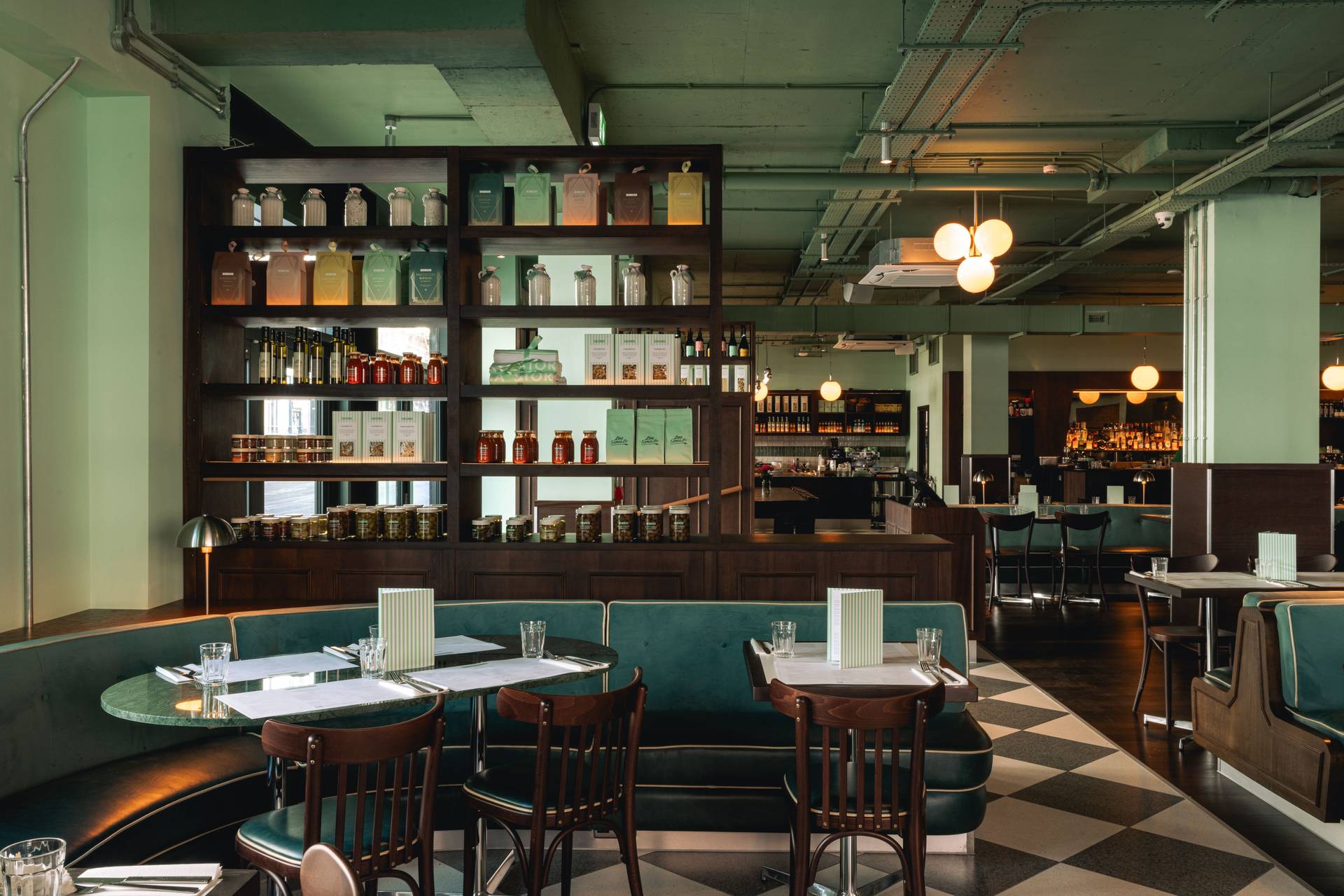
Lina Stores Manchester is the brand's first regional opening outside London, offering Italian dining for lunch and dinner seven days a week with space for up to 140 seated or 250 standing, which suits company events that need a restaurant setting for larger groups.
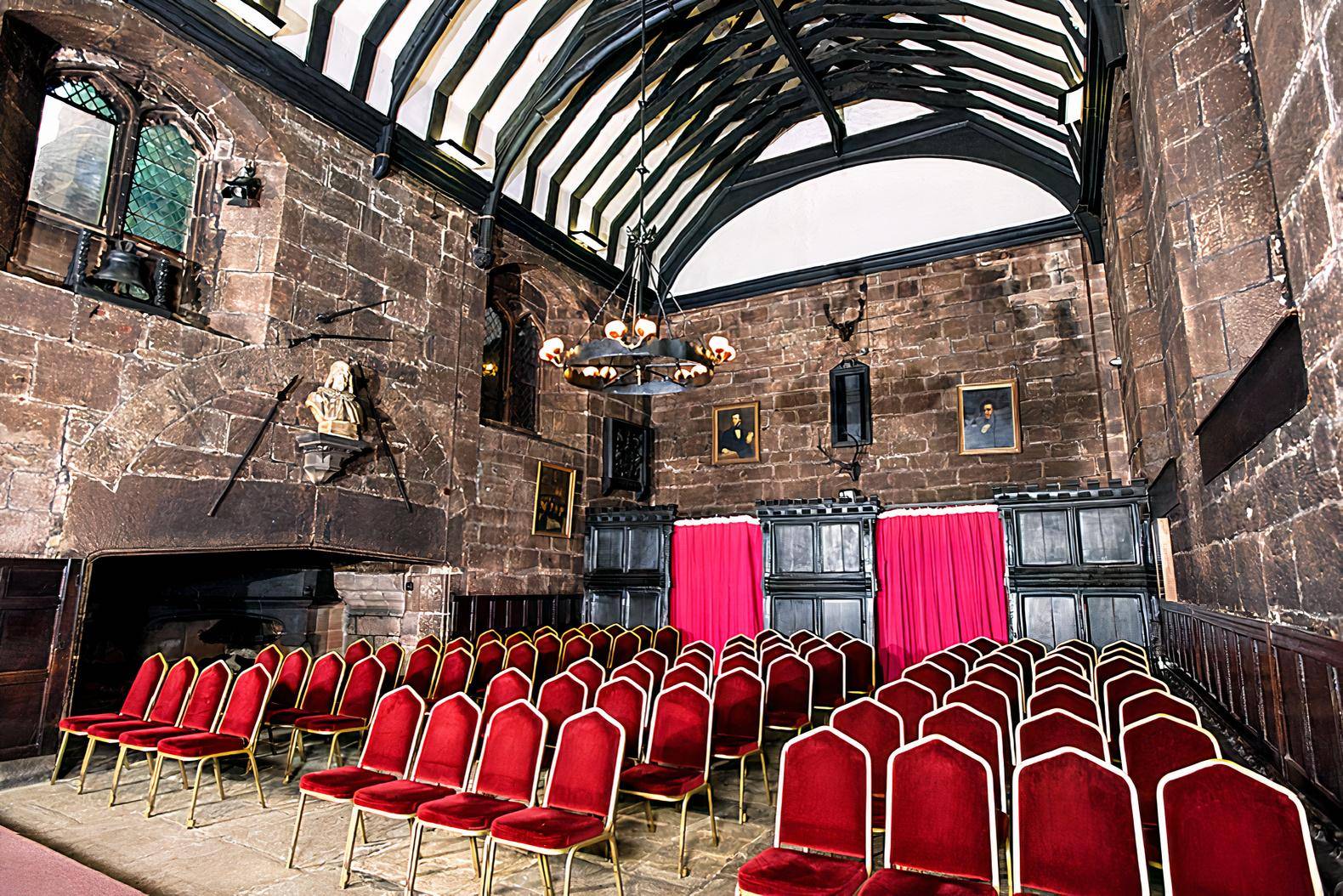
Chetham's Library is a historic Manchester venue dating back to 1421, with sandstone buildings, stone cloisters, richly appointed rooms and the Baronial Hall, which suits company events that need a distinctive setting with strong character.
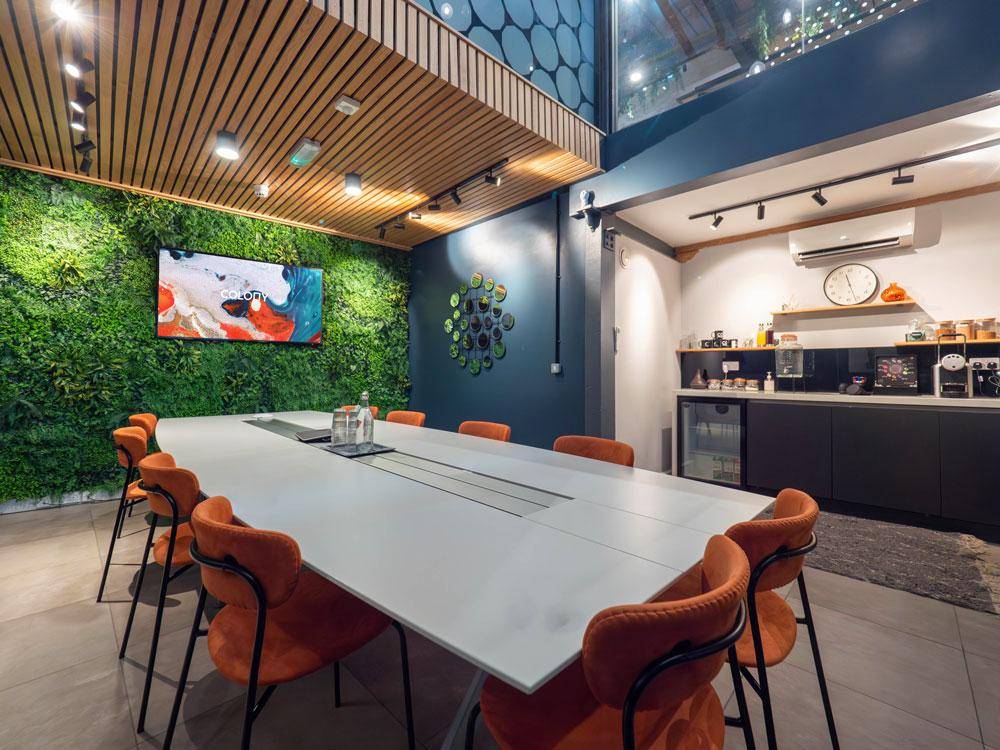
Colony Jactin House is an urban coworking venue in Ancoats on Cutting Room Square, with a professional environment and a Conference Room suited to full-day off-site meetings, board presentations and brainstorming sessions, which makes it a practical choice for company events.
Frequently asked questions
How do I choose the right event venue in a UK city?
Choose the venue by looking at who is coming, what your brand stands for, and what is practical to arrange. Ask how old most guests are, what industry they work in, where they are staying, and whether the space fits the look and feel you want to project.
What should I check before I book a venue?
Check transport, access, and the local calendar before you book. Look at rail, tram, or tube links, parking, load-in times, loading docks, and any restrictions, and make sure bank holidays, school breaks, major festivals, roadworks, or events like Fashion Week or the Fringe will not get in the way.
How do I run the event well on the day?
Run it well by matching the venue layout to the event's rhythm and by sorting permissions early. Visit the venue at the exact time your event will run, and do not leave late-night music, outdoor signage, or special permissions to the last minute.
What group size works best for different venues?
The whole guest list works well when you want a venue that feels like a natural fit, while the whole team at once suits spaces where transport, setup access, and flow matter. Larger modern venues work well for conferences, exhibitions, or big celebrations, while older venues suit breakout sessions, networking, or a more varied guest journey.
How do I choose a venue for remote or hybrid teams?
Choose a venue that is easy for people to reach and simple to commit to. Ask where guests are travelling from, keep transport links clear, and use a location that matches the atmosphere you want so people feel the space supports the reason they are coming together.
What should I do if I am planning for a group spread across different locations?
Arrange coaches or minibuses for multi-site events, and in London you can also use the river for boat shuttles between venues. Give clear directions and allow extra time between locations so people can move without stress.