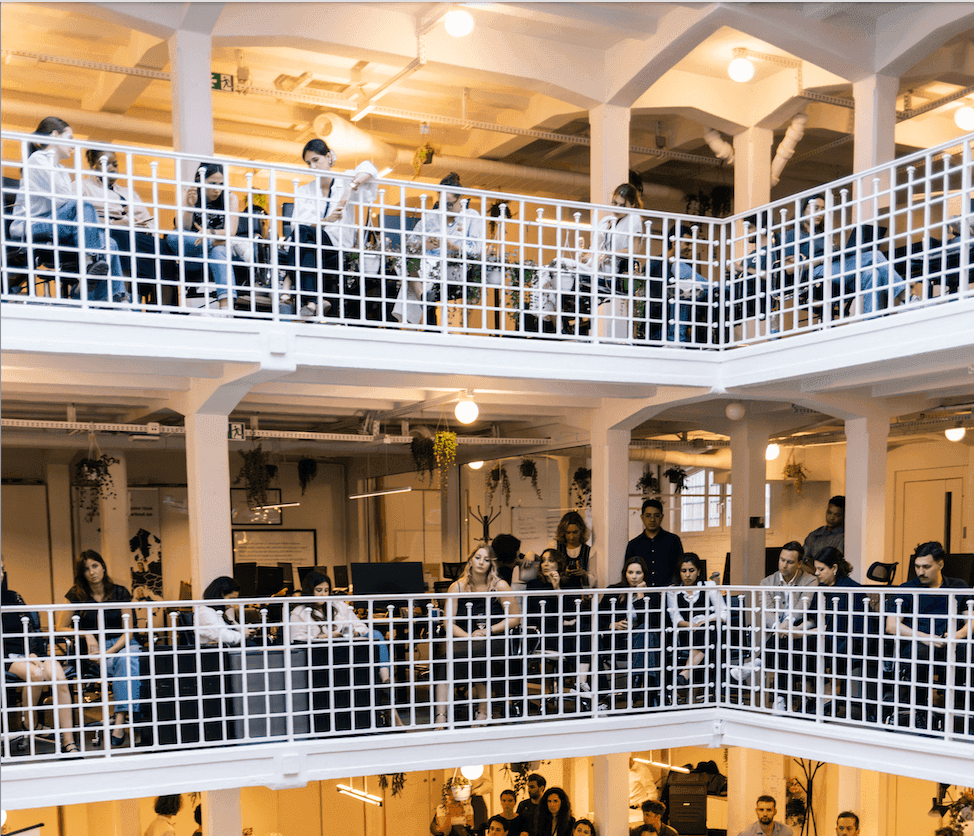
You might organize a conference, a product launch, a team-building workshop, and a gala dinner—sometimes all in the same week and venue. That's what a multi-purpose hall flexible space delivers.
These venues handle diverse events with modular layouts, professional tech, and scalable capacity. Event planners rank venue flexibility in their top three selection criteria. A multi-purpose hall flexible design directly addresses this: it adapts to different formats, controls costs, and works for intimate meetings or large exhibitions.
What Is a Multi-purpose Hall?
A multi-purpose hall is built to host different event types—from business meetings to cultural performances. Unlike convention centers or conference hotels, they prioritize adaptability.
Modular layouts: movable walls and reconfigurable staging.
Neutral design: a blank canvas for your branding or theme.
Technical readiness: AV systems and acoustic design.
Scalable capacity: from small groups to large audiences.
Accessibility: typically located in city centers or civic complexes.
Other names—multipurpose venue, adaptable hall, modular event space—all point to the same core strength: versatility.
Why Multi-purpose Halls Matter
Multi-purpose halls balance scale, cost, and flexibility in ways specialized venues don't:
One venue, multiple uses: ideal for organizations running varied events throughout the year.
Cost savings: one rental instead of multiple specialized venues.
Full customization: neutral designs let you brand freely—from brand activations to gala décor.
Community reach: municipally owned halls support CSR initiatives.
Central location: reduces travel barriers for attendees.
Unlike resort venues, multi-purpose halls emphasize function and adaptability.
Contexts Where Multi-purpose Halls Are Used
Corporate meetings: town halls and shareholder meetings.
Product launches and roadshows transform neutral halls into branded experiences.
Training and learning & development: flexible breakout setups for workshops.
Exhibitions and trade shows: open floor plans for booths and demos.
Networking receptions and award ceremonies convert the same hall into a formal evening setup.
CSR events: cultural and community engagement.
Their strength: a single solution for multiple formats.
How to Select and Use a Multi-purpose Hall Effectively
Selecting a multi-purpose hall requires careful planning. These blank canvas spaces demand intentional customization. Follow these practices:
Define the event type: confirm whether you need a corporate festival, training session, or employee engagement.
Check modularity features: verify movable walls and flexible staging for plenary sessions or breakout sessions.
Evaluate AV and acoustics: ensure sound, projection, and rigging meet professional standards.
Check location and transport: verify accessibility by public transit and parking.
Plan logistics early: budget for staging, décor, catering, and branding—halls start empty.
Use a budget framework: leverage tools like corporate retreat budgets to anticipate furniture rentals and setup time.
Leverage flexibility across multiple days: design programs where the same hall transforms—workshops on day one, a gala on day two.
Multi-purpose Hall vs. Other Corporate Venue Types Compared
| Venue Type | Typical Capacity | Setup Time Required | Customization Freedom | Base Rental Cost | Best For |
|---|---|---|---|---|---|
| Multi-purpose Hall | 50–2,000+ | 4–12 hours | High (blank canvas) | $2,000–$15,000/day | Varied annual events, multi-format programs |
| Convention Center | 500–10,000+ | 1–3 days | Moderate (fixed infrastructure) | $10,000–$50,000+/day | Large trade shows, expos, conferences |
| Conference Hotel | 20–500 | 1–4 hours | Low (standard room layouts) | $1,500–$8,000/day | Multi-day meetings with lodging |
| Resort Venue |