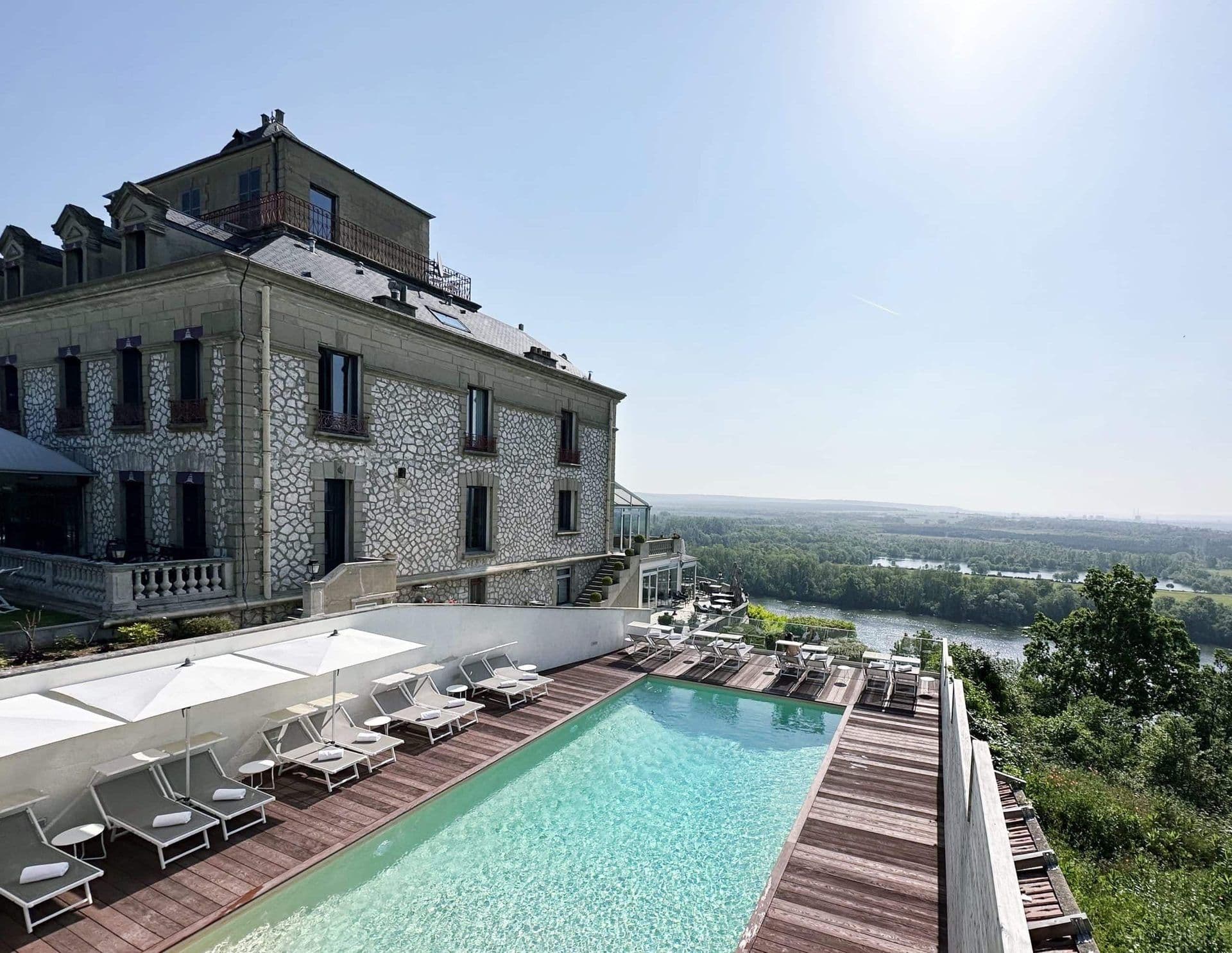
Most teams in the UK don’t need a week away to feel re-energised. What they often need is one well-designed day that breaks routine, gives people space to breathe and reminds everyone why the work matters. A thoughtfully planned single-day retreat can do more than a multi-day event that spreads energy thin and strains budgets. The key is shaping those hours so every moment counts.
Whether your organisation is managing post-holiday tiredness, wrapping up a demanding quarter, or simply looking for fresh employee engagement ideas beyond the usual office treats, a one-day format offers real flexibility. This guide takes you from setting clear intentions to measuring impact afterwards so your next office retreat planning effort lands the way you hope in 2026.
Why a single day is often enough
There’s a common belief that longer automatically means better for team events. In practice, attention and enthusiasm usually peak in the first few hours and then taper off. A single day team retreat works with that natural rhythm rather than against it.
Research links social connection at work with higher job satisfaction and lower turnover. When colleagues share new experiences — from a hands-on cooking challenge to an outdoor puzzle — they form memories tied to positive feeling. Those moments don’t need three days to happen. They need intention, novelty and presence, all of which are achievable in a single day.
There’s also a simple practical point. One-day formats reduce barriers to taking part. People with childcare duties, long commutes to places like Birmingham or Leeds, or tight deadlines are far more likely to turn up fully engaged when they’ll be home the same evening. Better attendance and better presence usually beat a longer retreat where some colleagues are mentally elsewhere.
The R-A-P framework for designing your retreat
Before you book a venue or research corporate team building activities, use a simple planning lens. The R-A-P Framework (Reset, Align, Propel) helps you decide which type of day will serve your team best right now.
Reset days focus on recovery. Use them when the team shows signs of burnout, friction or low engagement. The aim is to restore wellbeing before asking for higher performance.
Align days focus on shared understanding. They’re useful at the start of a new project, after structural change, or when people aren’t clear on goals and roles.
Propel days focus on momentum. Choose them when the team is working well and needs a creative boost, new skills or fresh energy to reach the next level.
Picking the wrong mode is a common error. An exhausted team doesn’t need a high-energy hackathon. A high-performing team doesn’t need a gentle breathing workshop. Match the retreat to your team’s actual state and you’ll set the right tone from the start.
Applying R-A-P in practice
Picture a mid-sized marketing team that’s just delivered a big product launch after 12 weeks of overtime. Their engagement scores are dipping. The planner marks this as a Reset moment and arranges a half-day at a local botanical garden, a relaxed group lunch in a private dining room, and an optional guided journaling session in the afternoon. Attendance is excellent and post-retreat feedback shows people feel more connected and valued. That simple match between need and format made the difference.
1. The wellness and nature reset day
For teams flagged as Reset, a workplace wellness retreat around green spaces and restorative activities is often the highest-impact choice. Time outdoors is shown to reduce stress, lift mood and sharpen focus — benefits that matter when people return to work.
A Reset day could start with a guided walk in a nearby park or nature reserve — think Richmond Park in London or the outskirts of the Scottish Highlands for teams based in Scotland — followed by a light group breakfast outdoors. Midday, try a gentle creative activity like watercolor, flower arranging or a nature photography challenge to lower social guards without forcing team bonding.
In the afternoon, book a short workshop on stress management or mindfulness with a certified facilitator. Finish with a catered meal in a calm space and keep the close conversational rather than structured so people can decompress naturally.
Common mistakes in wellness retreats
A frequent error is scheduling too much. A wellness day needs white space. When every hour is booked, the day stops being restorative and starts to feel like another workday with a different backdrop. Plan time to do nothing and make it clear that this is deliberate.
2. The skills and spark learning day
An Align or Propel day focused on learning can be one of the best creative corporate event ideas when it’s done right. Avoid back-to-back presentations; they drain people fast. Make learning feel like discovery, not a box-ticking exercise.
Kick off with an external speaker who brings an unexpected perspective — a behavioural economist for a sales team or an improv performer for a product team. Keep sessions under 90 minutes and include short group discussions so people connect ideas to their daily work.
Peer-led sessions are undervalued. Ask two or three team members to share practical knowledge in a structured format. This builds confidence, spreads expertise and strengthens collective ownership of the day’s content.
In the afternoon, move into application: small groups tackle a real challenge using the morning’s frameworks and report back. End with a shared meal to let ideas continue to develop informally.
Structuring a half-day retreat for learning
When time is limited, a three-block format works well. Block one introduces a single concept via an engaging external voice. Block two applies that concept in a group activity. Block three reflects and asks each person to name one practical commitment they’ll take back to work. It’s compact and leaves people with something tangible.
3. The adventure and connection day
Some of the strongest team bonding happens when people try something they’ve never done before. Novel experiences speed up trust. Shared vulnerability — whether that’s tackling a climbing wall, trying axe throwing, or navigating a city scavenger hunt — creates memories and connections that can last.
Adventure days suit new teams, groups with recent hires, or remote teams that don’t get many face-to-face moments. Structure it simply: a gentle warm-up, a main challenge that’s genuinely engaging, a relaxed group lunch to process the experience, and a calmer afternoon activity to round things off.
Urban teams can pick escape rooms, culinary competitions or rooftop cocktail-making classes without much travel. Teams near countryside can try climbing, kayaking or guided forest hikes with local outfitters. The activity matters less than how novel it is compared with day-to-day work — the aim is to let normal job roles fall away and something more human take over.
Tailoring activities to team composition
Be honest about accessibility and comfort. Offer a main activity with a real, equivalent alternative so everyone can take part without awkwardness. Inclusion isn’t an afterthought for good team morale boosting activities — it’s central to the design.
4. The strategic alignment and vision day
An Align retreat that focuses on strategy and direction is a practical company offsite idea for leadership teams, cross-functional groups or any team facing change. It feels different from an all-hands because the setting, pace and social dynamic shift when you’re out of the office.
Start with a candid conversation rather than a polished presentation. A skilled facilitator can help the team honestly review what’s working and what’s not. That kind of openness builds the psychological safety that makes the rest of the day useful rather than performative.
Move into small breakout groups to tackle particular strategic questions and bring their work back to the full team. A shared lunch often creates useful informal alignment. Close the day with three to five clear commitments so people return to work with tangible direction rather than vague inspiration.
Practical logistics that shape the experience
Logistics often separate a forgettable day from one people talk about months later. Things like unclear start times, poor parking, bad food or a venue that’s too formal for the tone can undermine great programming.
Start planning four to six weeks ahead of the event. That gives time to secure venues, confirm facilitators, sort catering and communicate with the team. For larger groups or popular venues in busy seasons, begin eight weeks out.
Choose your venue carefully. The physical space sets expectations — a riverside venue in London, a converted warehouse in Manchester, an art gallery in Leeds or a country house near the Scottish Highlands will all create different moods. Match the venue’s personality to the R-A-P mode you’ve chosen.
When you’re exploring suppliers and formats, you can also find event ideas for teams that work well in different parts of the UK and help with local providers and logistics.
Catering as a design element
Food is social architecture. A shared breakfast before activities creates a low-stakes start to the day. A sit-down lunch away from phones and laptops signals the organisation values people’s full presence. Choose catering intentionally — it says something about how the company treats its team.
Common mistakes in one-day retreat planning
Even well-meaning plans go wrong when retreats are treated as a vehicle for broadcasting messages rather than creating experience. If an offsite feels like a strategy presentation with better food, engagement falls and so does the long-term impact.
Another mistake is ignoring what happens afterwards. A single inspiring day means little if Monday looks the same as the Friday before. The best results come when leaders design a short follow-up: a quick team check-in a week later, a shared document with key commitments, or a simple ritual that keeps the energy alive in the weeks after the event.
Trying to serve too many goals at once is also a common trap. A day that tries to do strategy, skills training, wellness and adventure all at once usually does none of them well. The R-A-P Framework helps by forcing a single primary intention first.
Finally, don’t underestimate psychological safety. Any activity that puts people in an uncomfortable spotlight without consent, or asks for personal sharing in an unsafe setting, can damage trust. The best team bonding activities for work create voluntary vulnerability, not forced performance.
How to measure the success of your retreat
A retreat without measurement is a missed chance to learn. Measurement doesn’t need to be complex. A short pulse survey within 48 hours can capture how connected people felt, how valued they felt and how energised they are about the work ahead.
Compare those scores with baseline engagement data to see emotional impact. Behavioural signs matter too: did meeting quality improve, did cross-team collaboration increase, did new ideas move into active development? These signals often show real operational change rather than a temporary mood lift.
For learning days, check whether people used new frameworks within two weeks. Pair a post-retreat survey with a brief structured discussion at the next team meeting for richer insight.
Building a repeatable retreat culture
The most effective organisations treat retreats as recurring investments, not one-offs. A predictable rhythm — quarterly half-day sessions or a full-day each season — gives people something to look forward to and creates social value in itself.
Rotate retreat modes across the R-A-P Framework over the year: a Reset day in February after the January rush, an Align day in July before the second-half push, and a Propel day in October heading into the final quarter creates a useful arc that matches natural energy cycles.
Invite team members to suggest ideas for future retreats to increase buy-in and make sure planning reflects real preferences. A short pre-planning survey or an open discussion surfaces what people actually want.
If you’d like further practical tips and case studies tailored to UK teams, discover more content on the Naboo blog for ideas on venues, facilitators and formats across London, Manchester, Birmingham and beyond.
Frequently asked questions
How far in advance should we plan a one-day company retreat?
Four to six weeks is usually enough for most teams. That gives time to book a venue, confirm facilitators and sort catering. If you’re planning for a large group or a popular venue during a busy season, start eight weeks ahead.
What is a realistic budget for a one-day team retreat?
Budgets vary by team size, location and activity. Many organisations find a good one-day retreat costs between a few hundred and a few thousand pounds per person once you include venue, food, facilitation and activities. The important question is value: a day that reduces burnout or speeds up alignment often pays for itself.
How do we make a retreat feel different from a regular team meeting?
Make a clear break from the office. Use a different venue, limit screens, include an experiential activity and prioritise conversation over presentations. When people are in a different setting, their behaviour and openness change too.
What are good one-day retreat ideas for remote or hybrid teams meeting in person for the first time?
For teams new to face-to-face time, prioritise relationship-building. Adventure and connection formats work well because shared novel experiences build trust faster than standard icebreakers. Start with a relaxed group breakfast so people can transition from virtual to physical at their own pace.
How do we keep the energy after the retreat?
Deliberate follow-up keeps momentum. Send a short recap within 48 hours, schedule a one-week check-in, capture key commitments in a shared document and borrow small rituals from the retreat that can be continued in regular work — a weekly shout-out or a short gratitude round can help maintain the spirit.