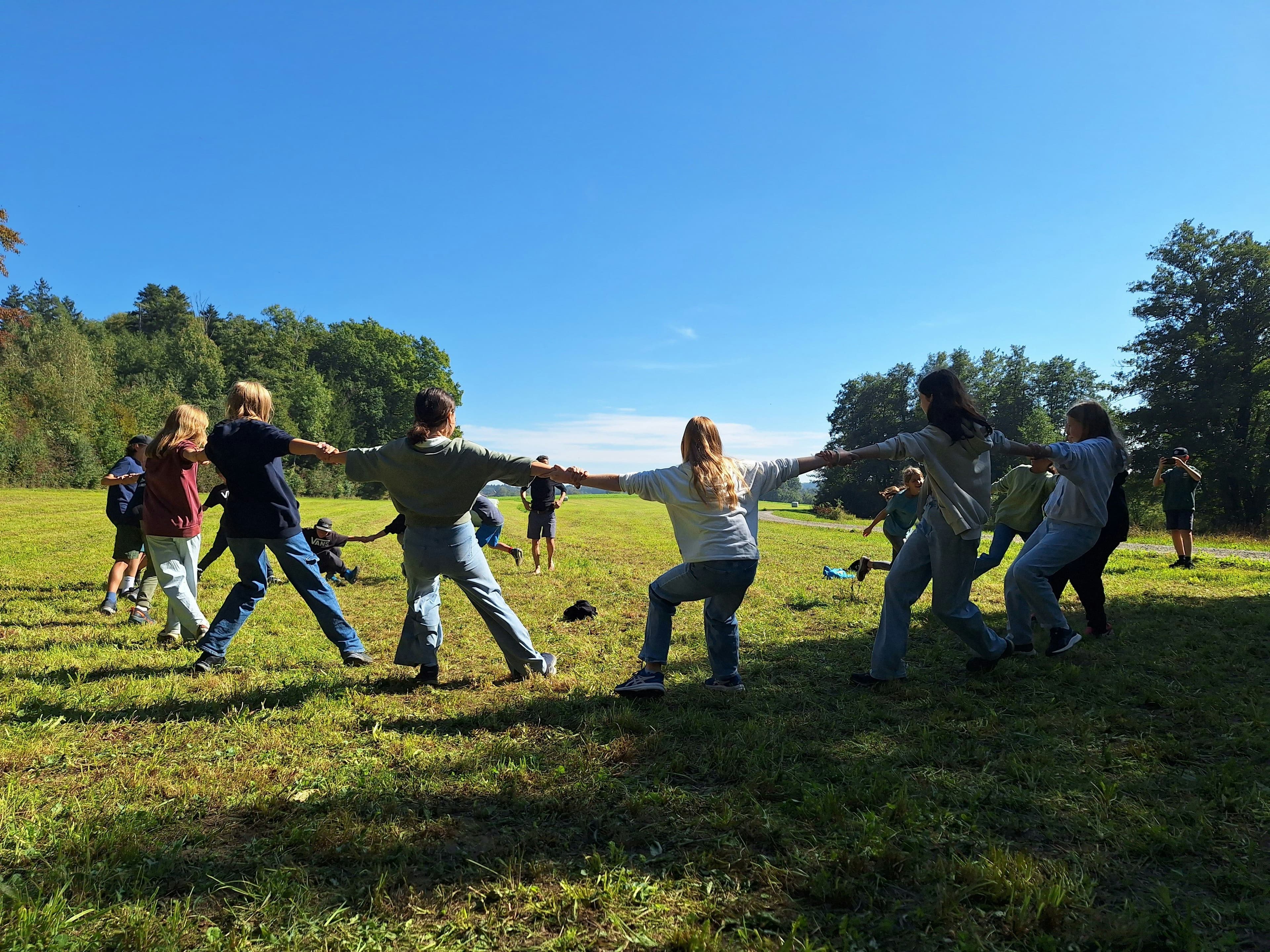
The summer season is often seen as a chance for staff to take personal time off, but for smart UK organisations, it’s a brilliant opportunity to invest strategically in the team. Making the most of the relaxed summer atmosphere allows managers to set up meaningful team-building moments that boost morale, strengthen connections, and help everyone work together better.
Creating a high-impact summer event means going beyond a simple buffet lunch. It needs careful planning tailored to your team’s setup—whether you are fully remote, hybrid, or all based in an office like in Manchester or London. We have put together 21 powerful, engaging, and reflective activities designed to make your annual summer celebration both memorable and effective. These are the activities for the summer team day that will genuinely engage your staff.
The Value of Summer Team Building
Team building isn't just a bit of fun; it’s a vital part of professional development. Studies consistently show that high-performing teams have strong working relationships built through shared, structured experiences. Summer events offer a relaxed, high-excitement environment to achieve these goals. They provide a necessary break, allowing employees to connect on a human level away from routine project pressures.
When picking activities for the summer team day, the aim is to reinforce your company culture. This special occasion can boost creativity, improve communication between different departments, and show genuine corporate appreciation. The context of a seasonal celebration adds a layer of shared experience, helping the bonding process feel more authentic and less like a mandatory corporate exercise. To explore more workplace insights, you can read more articles on the Naboo blog.
The I.D.E.A. Team Event Matrix: Choosing Your Activities
To make sure your investment yields the best return, managers should use a structured approach for selection. We introduce the I.D.E.A. Team Event Matrix, a simple framework based on four key areas for planning activities for the summer team day:
I: Involvement and Inclusivity
How many people can realistically participate, and does the activity exclude anyone? High involvement means the activity accommodates various physical abilities, dietary needs, and comfort levels. For instance, a pub quiz is highly inclusive, whereas a strenuous hiking trip in the Scottish Highlands is low. Prioritise options that allow passive participation (watching or judging) as well as active roles to manage diverse comfort zones.
D: Dynamic and Energy Level
This area measures the required energy output. Low dynamic events are relaxed and conversational (e.g., a film screening or cocktail hour). High dynamic events require physical movement, intense focus, or spirited competition (e.g., outdoor sports day or timed challenges). Match the dynamic level to your team’s existing energy, time of day, and intended outcome (e.g., unwinding versus energising).
E: Environment (Location Fit)
The activity must work seamlessly with your venue, whether it’s a conference room, a public park (perhaps Roundhay Park in Leeds), or a global video conference platform. Virtual teams need activities specifically designed for screen sharing and distributed participation, while outdoor events must factor in backup plans for the inevitable British rain.
A: Alignment with Goals
What is the main cultural goal? Is it Pure Fun and Appreciation (low effort, high social return)? Is it Collaboration and Problem-Solving (focused challenges)? Or is it Community and Impact (charitable giving or service)? Choosing activities that align with the organisational goals stops the event from feeling pointless.
Scenario Application: Choosing the Right Activities
Imagine a remote, engineering-heavy team planning a half-day event.
The goal is Collaboration and Problem-Solving (A). Since they are remote, the Environment must be Virtual (E). Given the focus required for engineering tasks, a high-energy physical activity won't fit, so a Medium Dynamic (D) is appropriate. Since the team size is large (50 people), Inclusivity must be High (I).
Based on the I.D.E.A. Matrix, the best choice would be a "Themed Digital Escape Room" or a "Collaborative Trivia Challenge," as they meet all criteria better than a virtual afternoon tea (too low dynamic) or an asynchronous activity (too low collaboration). You can find more ideas for planning meaningful events on our events page.
Mistakes to Avoid When Organising Summer Events
Even the best-planned summer events can fail if organisational mistakes slip in. Managers must be careful about these common traps:
1. Over-Complicating Logistics: A complex setup with too many rules or necessary external suppliers adds stress. Keep the flow simple, especially for hybrid teams coordinating multiple locations. If the planning process is stressful, the execution will feel rushed and mandatory.
2. Ignoring Inclusivity and Dietary Needs: A classic English barbecue is nice, but if there are no vegan, gluten-free, or religious dietary options, a large portion of the team feels left out. Always conduct an anonymous poll regarding preferences well in advance. Likewise, physical challenges must have low-impact alternatives.
3. Lack of Clear Purpose: If employees see the event as a forced attempt to justify the summer budget, engagement drops. Clearly explain the "why" of the gathering: "This is a thank you for your commitment," or "This is a chance to practise interdepartmental communication in a relaxed setting."
Key Metrics: Measuring Team Engagement and Success
How do you measure the success of your summer team activities? Look beyond simple attendance numbers. True success lies in the cultural and relational shift seen afterwards.
-
Participation Depth: Did team members engage actively in the core challenges, or did they only watch passively? Successful activities generate spontaneous conversation and laughter, often continuing the topics or games long after the official end time.
-
Follow-Up Survey Sentiment: Send out a short, 3-question pulse survey the following week focusing on two metrics: 1) Connection Score (How much did you feel connected to your colleagues?) and 2) Appreciation Score (How much did you feel valued by the company?). These qualitative metrics are stronger indicators than just satisfaction ratings.
-
Cross-Team Interaction (Post-Event): Look for signs of new, informal collaboration between departments that rarely interact. If the activities successfully introduced people, you might see small positive shifts in shared Teams channels or project meetings afterwards.
21 High-Impact Activities for Your Summer Team Celebration
Here are 21 intentional and engaging activities for the summer team day, structured to meet diverse team needs, whether you are gathering in person in Birmingham or virtually across the UK.
1. Collaborative Banner Mural
Instead of hiring decorators, dedicate an hour to creating a massive, summer-themed mural or banner. Supply large rolls of paper, brightly coloured paints, and various crafting materials. Divide the team into small groups, assigning each a section of the banner (e.g., one group handles the seaside scene, another focuses on famous UK landmarks, a third deals with company values). The challenge is that the final piece must look cohesive, requiring clear communication and creative negotiation.
2. UK Heritage Scavenger Challenge
This is a sophisticated take on a classic scavenger hunt, requiring knowledge of British history or local landmarks in your city centre. Teams are given complex clues based on famous British figures, historical dates, or parliamentary facts. The challenge requires research and rapid problem-solving, turning a simple hunt into an intellectual exercise. This works well in city centres like London or Bristol where resources (local plaques, internet) are accessible.
3. Summer Picnic Bake-Off
Host a friendly competition focused on creating picnic-appropriate treats, ideally using seasonal fruit. This can be run in the office if kitchen facilities allow, or virtually by having everyone submit photos of their home creations (with a neutral judging panel). The objective is to foster creativity and presentation skills. Judging categories should include "Most Visually Striking," "Best Use of Seasonal Produce," and "The Great British Collapse" (for the most humorous presentation).
4. Summer Cocktail and Mocktail Workshop
Arrange for a professional mixologist to lead a session on creating festive, layered drinks perfect for summer. Ensure the session includes both alcoholic and non-alcoholic options (mocktails) so everyone can participate equally. This activity is highly social, breaking the ice as participants concentrate on following instructions and experimenting with flavours. It promotes focused attention in a fun, relaxed context.
5. Classic Sports Day Decathlon
For high-energy teams, host a series of classic outdoor games designed to encourage light physical activity and team strategy. Events can include three-legged races, oversized jigsaw puzzle relays, rounders, or beanbag tosses. Organise teams by department to maximise cross-functional interaction. The focus should be on working together and strategy execution rather than individual athletic prowess.
6. UK Geography Bee
Test the team's knowledge of UK counties, regions, famous landmarks (e.g., The Angel of the North, Giant’s Causeway), and regional slang. This is highly effective for remote teams using a shared screen platform. Run it in a quick, elimination-style format. Offering small e-vouchers or company merchandise as prizes provides extra incentive. This is an engaging option among activities for the summer team day that boosts general knowledge.
7. Themed Digital Escape Room
Use online collaborative platforms to complete a historical or summer adventure themed digital escape room. These challenges often require teams to solve a sequence of puzzles, riddles, and logic problems. This activity emphasises collaboration under pressure and logical deduction, making it excellent for engineering and technical teams.
8. Community Volunteer Drive
Shift the focus outwards by coordinating a charitable assembly line. Team members gather in the office to assemble care packages, hygiene kits, or school supply bundles for local community trusts or shelters in areas like Birmingham or Glasgow. This activity provides tangible evidence of corporate social responsibility and naturally promotes selfless teamwork and purpose alignment.
9. British Music Trivia
Curate a playlist of classic British anthems, chart-toppers, and songs related to UK cultural milestones (e.g., Glastonbury, the Olympics). Teams compete to identify the artist, the year, or a fact related to the song’s history. This requires listening skills and broad cultural knowledge, serving as a nostalgic and relaxing competition.
10. Picnic Potluck Throwdown
Instead of a fully catered event, organise a competitive potluck picnic. Team members bring their favourite homemade dishes, ideally summer-themed. Introduce blind judging for categories like "Best Regional Flavour" (e.g., best pasty, best scotch egg) or "Most Unexpected Ingredient." This fosters camaraderie and highlights individual talents outside of standard work roles.
11. Famous Quotes Code Breaker
This team challenge involves deciphering scrambled words or phrases related to key British texts, famous literature, or well-known proverbs (e.g., phrases from Shakespeare or Churchill). Present the jumbled text on a screen or whiteboard, and teams race against the clock to solve them. It is a quick, high-focus exercise ideal for kicking off a larger event.
12. Team Vision Flag Competition
Provide limited resources (cardboard, felt pens, fabric scraps) and challenge small groups to design a new flag that symbolises the company's future vision, using bright summer colours. This is a creative, abstract exercise in shared communication and vision-casting, disguised as a fun craft competition.
13. Garden Games Tournament
If outdoor space is available (a local sports field, courtyard, or hired pitch), set up a tournament featuring classic lawn games like pétanque, giant chess, or skittles. Structure the tournament bracket so that teams are randomly mixed across departments, ensuring exposure to new colleagues throughout the competition rounds.
14. Name That Famous Brit Icebreaker
Prepare cards with names of famous British people (past and present: scientists, monarchs, pop stars). Attach a card to each person’s back; they must circulate and ask only yes/no questions to guess who they are. This encourages quick, focused interaction and serves as a low-pressure way to start conversations during the event.
15. Remote BBQ & Recipe Swap
For remote teams, send out vouchers or pre-packed ingredient boxes for a shared virtual cooking experience. Teams then gather on a video call, preparing their dishes simultaneously or simply sharing photos and stories of their food preparation. This virtual activity creates a shared sensory experience and helps mitigate the isolation of remote work.
16. Seasonal Movie Screening & Discussion
Host a relaxed viewing of a classic British film or summer blockbuster (ensure licensing is handled). Crucially, follow the screening with a structured, brief discussion focusing not on plot, but on themes: teamwork, leadership, and culture represented in the film. This turns a passive viewing experience into a cultural reflection exercise.
17. Red Tape Challenge
A hands-on, collaborative engineering challenge. Teams are given a small budget and limited supplies (like masking tape, foil, plastic cups, all in bright summer colours) and tasked with building the tallest free-standing structure, or a protective apparatus for a simulated "valuable asset" drop. This highlights resource management and design collaboration under tight constraints.
18. Desk Decorating Showcase
Encourage employees in the office or hybrid workers to decorate their immediate workspace with a summer or festival theme. Allow an hour for judging and touring the "exhibits." Categories like "Most Minimalist Summer Vibe" and "Maximum Festival Effort" encourage participation from those who prefer low-effort activities. This is one of the easiest activities for the summer team day to implement quickly.
19. Summer Holiday Storytelling Circle
A relaxing, social activity perfect for winding down. Participants share short, memorable stories related to their own summer holidays, or they can share "My Favourite UK Road Trip/Memory." This is a high-trust activity that deepens personal connection by allowing vulnerability and shared human experience.
20. City Skyline Social Hour
If your office building offers rooftop or high-floor access (especially in a city like London or Manchester), arrange a catered social hour leading up to sunset. The view provides a shared, inspiring moment, which is a powerful, passive form of bonding and appreciation. Ensure that all necessary safety and accessibility protocols for the venue are strictly followed.
21. The Friendly Eating Challenge
Instead of focusing on competitive hot dog consumption, vary the challenge to be more inclusive of different skills and appetites. Consider a speed-eating contest for small doughnuts, strawberries and cream, or individual mince pies (if it's later in the year). The focus remains on friendly, high-energy competition and cheering, creating a festive environment.
Frequently Asked Questions
What is the ideal group size for summer team building?
Most effective activities operate with groups of 4 to 8 participants. While the overall event may involve hundreds, breaking the team into small, mixed-department pods ensures everyone has a speaking role and cannot hide within a large crowd.
How do we ensure remote workers feel included in a holiday event?
Design activities that are asynchronous or use shared sensory experiences, such as sending matching themed kits (e.g., cocktail ingredients or BBQ vouchers) and scheduling dedicated video time for sharing experiences rather than just watching others.
Should we mandate participation in the team building activities?
Participation should be strongly encouraged and incentivised, but rarely mandated. Forcing participation undermines the morale-boosting goal. Frame the event as an appreciation gesture and design activities so compelling that employees naturally want to join.
What if our team prefers low-key activities over high-energy games?
Focus on social bonding and reflection. Opt for low-dynamic options from the I.D.E.A. Matrix, such as a collaborative meal, a movie marathon, or a structured storytelling circle. The goal is connection, which can happen quietly as effectively as loudly.
What are the biggest budget factors for summer events?
Venue rental and catering typically represent the largest portion of the budget. For office or remote events, the primary costs shift to materials for competition kits, prizes, and external facilitation or professional instructors (like a mixologist or trivia host).