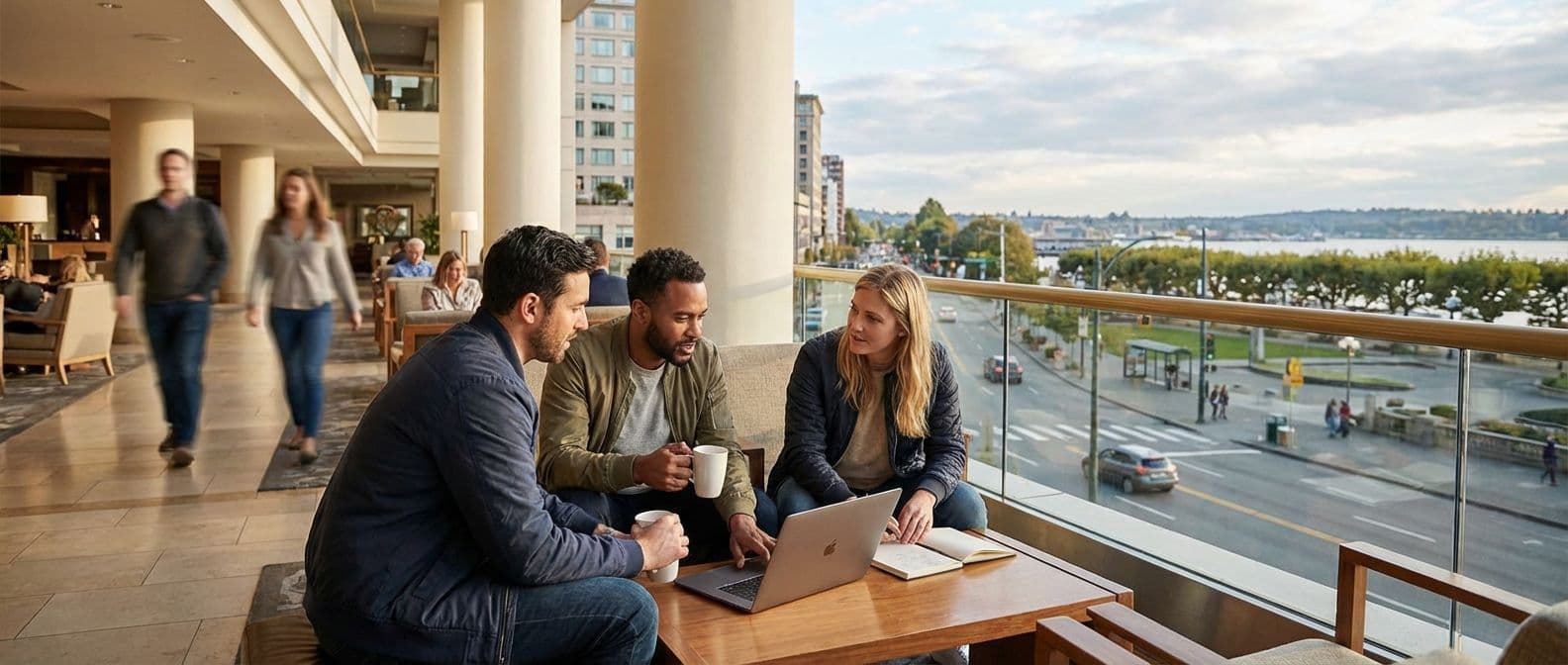
The way we travel for work and leisure has changed significantly as we move through 2026. UK travellers and workplace teams are moving away from the samey, predictable look of big global chains. Instead, they are looking for places with a real sense of personality and a connection to the local area. To understand what a boutique hotel really is today, you have to look past the decor and focus on how the stay actually feels. A modern boutique hotel acts as a bridge to the local culture, offering something much better than just a bed: it offers a story.
For businesses planning off-sites or leadership retreats, the boutique hotel concept is now the top choice for helping teams come up with new ideas and bond. This move toward intimate hotel stays is driven by a need for something authentic and the kind of personal service that huge hotels often struggle to provide. Understanding what defines a boutique hotel today involves looking at how size, design, and local roots come together to create unique hotel experiences that stay with you long after you’ve checked out.
The Evolution of the Boutique Hotel in 2026
In 2026, the boutique hotel definition has grown to include more than just being independently owned. It now includes a deep commitment to the local community and a sensible balance between digital tools and human contact. While the boutique hotel concept started with small, stylish spots in cities like London or Manchester, it now covers everything from rural retreats in the Cotswolds to coastal sanctuaries in Cornwall. The main characteristics of a boutique hotel still prioritise the individual over the masses. Today, a boutique hotel acts as a curator of local life, rather than just a place to stay the night.
1. Fewer Guest Rooms
One of the main characteristics of a boutique hotel is its smaller size. Usually having between 10 and 100 rooms, this manageable scale is what makes intimate hotel stays possible. In practice, this means the staff can get to know guests by name and spot what they need before they even ask. UK workplace leaders often pick these smaller properties because they offer the privacy and quiet needed for deep work or team bonding.
2. Local Roots
A modern boutique hotel should feel like an extension of its neighbourhood. This goes much further than just having a local map in the reception. It involves using furniture from local makers, stocking mini-bars with regional treats—like craft gin from a local distillery—and partnering with nearby businesses. These boutique hotel features ensure guests feel the heartbeat of the city. To see how these trends are shaping the way we travel, you can explore more workplace insights on our blog.
3. Architecture with a Story
A modern boutique hotel is rarely a boring, new-build box. Whether it is a converted textile mill in Leeds or a Victorian townhouse in London, the building itself is a key part of the experience. The boutique hotel definition suggests that the building should tell a story, often reflecting the history or the future of its specific location.
Why Design Matters
The environment around us changes how we work. For teams, the characteristics of a boutique hotel often include inspiring spaces that are a world away from a dull conference room. High ceilings, industrial textures, or mid-century styles contribute to unique hotel experiences that help people think more clearly and engage with their work.
4. Personal Service
Bespoke service is a must for what defines a boutique hotel. Unlike the rigid or scripted service often found in big chains, the 2026 approach is all about natural hospitality. This means staff are trusted to make decisions that improve a guest’s stay without having to follow a corporate handbook to the letter.
5. Atmosphere and Senses
The latest boutique hotel trends put a lot of focus on the small details. This includes custom scents in the lobby, playlists that change with the time of day, and high-quality fabrics in the rooms. These boutique hotel features are designed to create a lasting impression and make the hotel feel more like a home than a business.
6. Better Communal Spaces
The lobby of a modern boutique hotel is often built to be a social hub rather than just a place to check in. These areas are essential boutique hotel elements, serving as workspaces during the day and lively lounges in the evening. These communal areas are also ideal for hosting inspiring event ideas like informal workshops or evening socials.
7. Local Food and Drink
Food is at the heart of the characteristics of a boutique hotel. Instead of a generic menu, these hotels usually have a standout restaurant that locals love as much as the guests do. The boutique hotel definition includes a commitment to seasonal, British produce and often experimental cooking.
8. Useful Technology
In 2026, technology in boutique hotels is "invisible." This means high-speed Wi-Fi and smart room controls are there, but they don’t get in the way of the boutique hotel concept. Technology should make things easier for the guest, not replace the human touch.
9. Unique Room Personalities
A key characteristic of a boutique hotel is that no two rooms are exactly the same. You might find different layouts, local artwork, or different colour schemes in every room. This individuality is a big part of what defines a boutique hotel and makes every stay feel personal.
10. Local Culture
The boutique hotel definition in 2026 includes the hotel acting as a cultural hub. This might mean hosting local art shows, live music, or guest talks. These boutique hotel features turn the hotel into a living part of the city, giving teams things to do in the evening without even having to leave the building.
11. Health and Wellness
Wellness has moved beyond a small gym in the basement. It now includes things like yoga mats in the rooms, air filtration, and links with local fitness studios or guided walks in places like the Peak District. These boutique hotel features meet the growing demand for healthier travel.
12. Real Sustainability
In 2026, sustainability is about more than just a sign asking you to reuse your towels. It involves zero-waste kitchens, no single-use plastics, and energy-efficient buildings. Sustainability is now one of the most essential boutique hotel elements for modern UK businesses.
13. Specific Themes
What defines a boutique hotel is often its courage to be specific. Whether the theme is literary (like a hotel in Edinburgh) or industrial (like one in Birmingham), the boutique hotel definition allows for a level of personality that big brands usually avoid.
14. Flexible Work-Life Design
The boutique hotel concept for 2026 understands that the line between work and relaxation is often blurred. Rooms are now fitted with proper desks and good lighting that works just as well for a video call as it does for relaxing after a long day.
15. How the Stay Makes You Feel
Ultimately, a boutique hotel is defined by the feeling it leaves you with. The characteristics of a boutique hotel should come together to make you feel like you belong there. This emotional connection is the most important feature of all.
Common Myths About Boutique Hotels
A common mistake is thinking that the boutique hotel definition always means "expensive." While many are high-end, the concept is really about the style and the service, not just the price. There are plenty of budget-friendly spots that fit the boutique hotel definition 2026 by offering unique hotel experiences without a five-star cost.
Another myth is that these features are only found in independent hotels. Some big groups now have "soft brands" that try to copy the characteristics of a boutique hotel. However, the true boutique hotel concept usually involves independent owners making their own decisions, which gives the place a more genuine feel.
The CORE Framework for Success
To see if a hotel hits the mark, teams can use the CORE Framework to look at four key areas.
Cultural Connection: Is the stay rooted in the local area? Are local makers and businesses involved?
Originality: Does the hotel have its own look, or does it feel like a corporate template?
Relatable Scale: Is it small enough to feel personal? Do the staff actually interact with you?
Emotional Impact: Does the hotel leave you feeling inspired and comfortable?
A Real Example: The Team Retreat
Imagine a leadership team of fifteen looking for a place for their yearly strategy sessions. They skip the usual glass skyscraper and choose a modern boutique hotel in a converted Yorkshire textile mill. The boutique hotel definition comes to life when they arrive: the lobby smells of local wood, the "meeting room" is a library with comfortable chairs, and dinner is a private tasting of local food in the cellar.
In this case, the history of the building, the small scale, and the local food all serve a purpose. The relaxed environment helps the team talk more openly and come up with better ideas. This is the boutique hotel concept in action: using the right environment to get the best out of people.
Frequently Asked Questions
What is the most important part of a boutique hotel?
The most important part is being small and having a unique personality. A boutique hotel is a one-of-a-kind place that offers a personal touch that big chains can't match.
How many rooms does a boutique hotel usually have?
Most fit the boutique hotel concept if they have between 10 and 100 rooms. This size allows for better service and a real sense of community.
Are boutique hotels good for business travel?
Yes, they are great for teams. They provide the right tech and workspaces while offering unique hotel experiences that stop business travel from feeling like a chore.
What is the difference between a boutique and a lifestyle hotel?
The boutique hotel definition usually implies independent ownership and deeper local roots. Lifestyle hotels are often larger and part of a big chain, whereas boutique hotels are more about small, niche environments.
Why is wellness so important for boutique hotels in 2026?
Modern travellers expect health to be part of their stay, not an extra. Because of this, boutique hotel features now include plenty of wellness options to keep guests feeling their best.